
Reviewed · ROME GELATO AND TIRAMISU CLASSES
Highlights of Rome: E-bike Tour of the City with Gelato
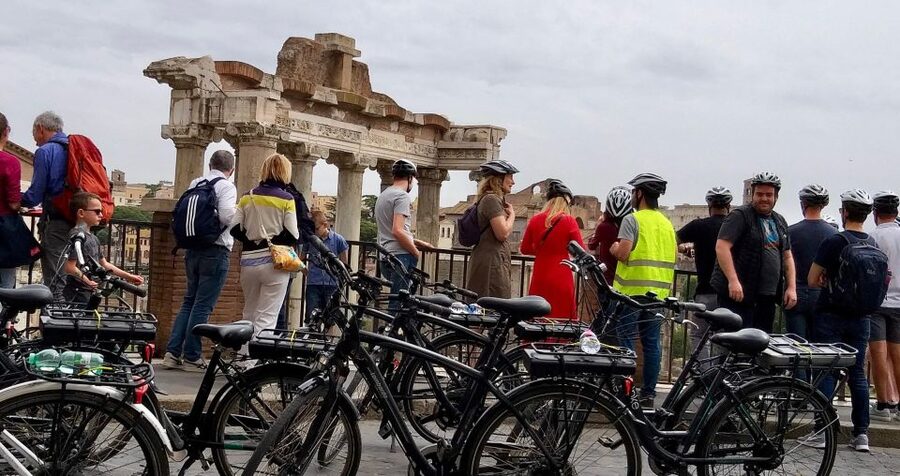
Rome reveals itself quickly from an e-bike. In four hours, you can move from the Imperial Fora to the Pantheon, Villa Borghese, the Jewish Ghetto, and the Vatican area without spending the day on foot. I especially like the small group of no more than 10 and the way electric assistance helps you handle Rome’s hills and long cobbled streets.
I also like the mix of famous sights and less obvious corners, including the Jewish Ghetto, Porticus Octavia, and Theatre of Marcellus. The main consideration is traffic and uneven paving: you need to be comfortable riding a bike, stay alert, and wear closed-toe shoes. The listed price is $88 per person, while food and drinks are not included, so plan to pay separately for the gelato or dessert.
Key points at a glance
- See a remarkable number of Rome’s landmarks in four hours, from Capitoline Hill to St Peter’s Square.
- Ride an e-bike with electric assistance, useful on hills and for covering more ground with less effort.
- Travel in a small group capped at 10 people, giving the guide a better chance to keep the group together.
- Hear the city explained by English-speaking guides, including Monica, Monika, and Filippo, who have received especially strong praise for their enthusiasm and command of Rome’s story.
- Pair major monuments with local neighborhoods, including the Jewish Ghetto, Campo de Fiori, Trastevere, and the area around the Theatre of Marcellus.
- Allow extra money for the dessert stop, because food and drinks are not included in the $88 price.
Why an e-bike is a smart way to see Rome
Rome is compact on a map but tiring under your feet. The sights are spread across hills, busy roads, large piazzas, and streets paved with old stone. An e-bike gives you a wider reach than a walking tour, without asking you to pedal hard every time the road rises.
The electric motor does not remove the need to ride. You still steer, brake, balance, and follow the guide through city streets. But it can make the difference between enjoying the afternoon and arriving at every stop hot, tired, and ready for a chair.
This tour is especially useful early in a Rome visit. In one outing, you get an overview of ancient ruins, Baroque fountains, Renaissance squares, Vatican surroundings, and neighborhood streets. You will not tour the interiors of the Pantheon, Vatican Museums, or other major monuments, but you will learn where they are and how the city fits together.
The group size matters here. A maximum of 10 riders is small enough for a guide to offer directions and keep an eye on the pace. It also makes photo stops easier than they would be with a large crowd. The tour is offered in English, and guide quality is a major part of the experience. Monica and Monika are praised for clear explanations, warmth, and enthusiasm, while Filippo has also led tours in German.
More city highlights tours in Rome:
- Rome: Big Bus Hop-on, Hop-off Open-Top Sightseeing Tour
★ 3.5 · 2,580 reviews - Rome in a Day Group Tour with Vatican Museums and Colosseum
★ 4.5 · 2,450 reviews - Rome Highlights by Golf Cart Private Tour
★ 5.0 · 2,379 reviews
Starting beside Circus Maximus and Capitoline Hill
The meeting point is at Via dei Cerchi 59, in front of Circus Maximus. The nearest Metro stop is Circo Massimo. You begin near one of Rome’s great ancient gathering places, then move toward Capitoline Hill and its broad views over the Imperial Fora.
The Capitoline Hill stop lasts about 20 minutes. This is a good place to get your bearings. From above, the ruins spread across the valley in layers, and the guide can point out how ancient Rome occupied the space below.
You are mainly here for the view and explanation, not an extended archaeological visit. Bring sunglasses and sunscreen, since the tour includes several open-air stops. A bottle of water is included, but I would still arrive ready for a warm ride, especially in summer.
The Imperial Fora and Trajan’s Column
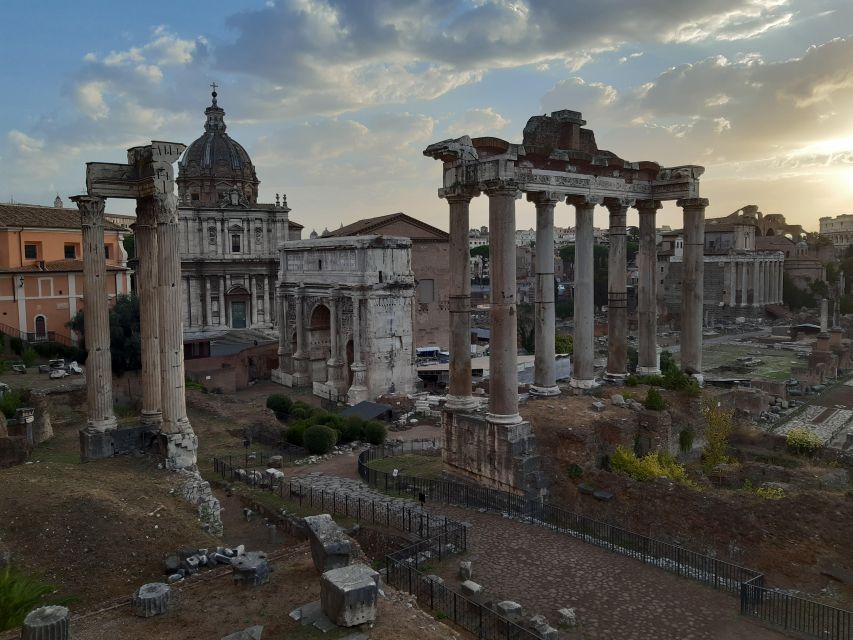
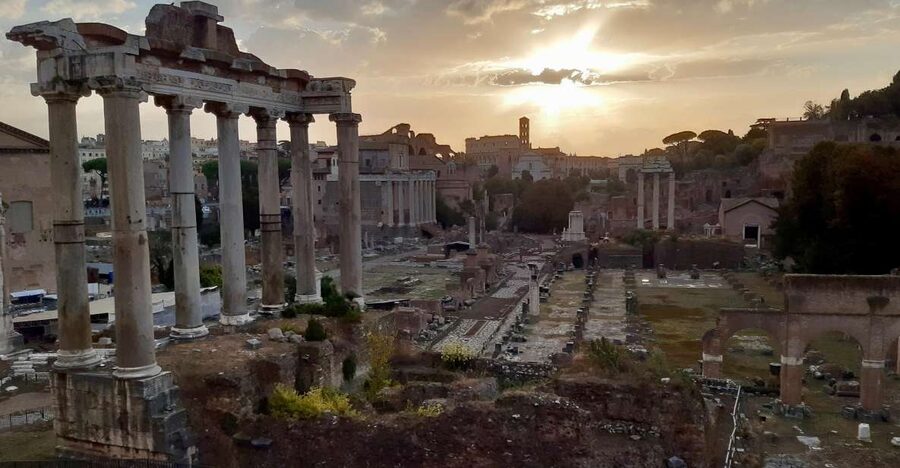
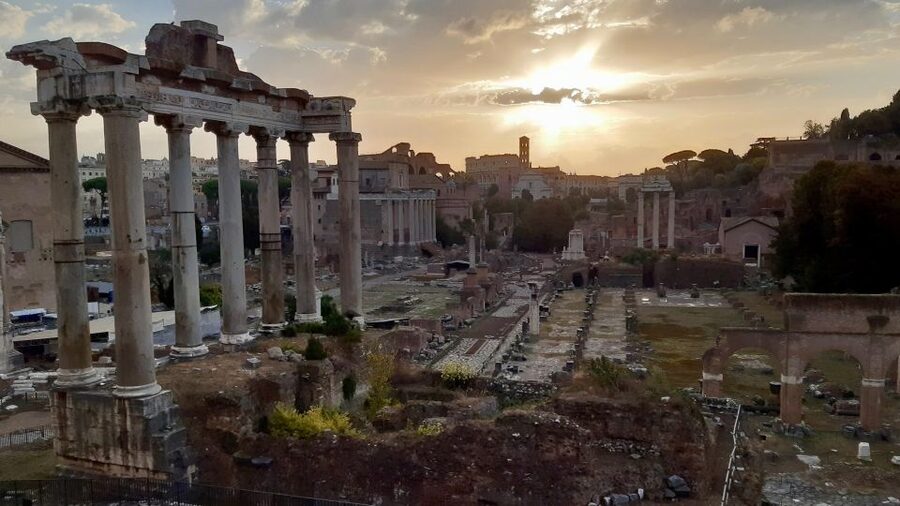
From Capitoline Hill, the route follows scenic views of the Imperial Fora for about 20 minutes. The ruins can seem confusing when viewed from street level. A guide helps separate the remains of different forums and explains how emperors used grand public spaces to show power.
Trajan’s Column is one of the most memorable sights along this stretch. Its carved spiral records Trajan’s military campaigns in a form that worked like a stone picture book for ancient Rome. You may not have time for a detailed study of every panel, but seeing the column in context makes the monument easier to understand.
This is one of the tour’s strongest early sections because it gives you ancient Rome without the time commitment of a full archaeological tour. If you want to enter the Colosseum or walk through the Forum ruins, you will need a separate ticket and more time.
Trevi Fountain and the Spanish Steps
The Trevi Fountain gets a 20-minute photo stop. It is one of Rome’s busiest places, so the e-bike format does not make the crowd disappear. What it does offer is a simple way to arrive, hear the essential story, take your pictures, and move on without spending half a day walking between distant sights.
You can toss a coin into the fountain as part of the familiar Rome ritual. The stop is short, so do not expect a quiet pause or an extended visit. Keep your belongings secure and listen carefully for the guide’s instructions before the group leaves.
The Spanish Steps follow with about 10 minutes for photographs. This is enough to see the sweeping staircase and its setting, but not enough for a long break. The short stop makes sense on a route covering so many sights. You get the view, the context, and a chance to mark the visit with a picture.
More e-bike tours in Rome:
- Rome EBike Tour: Appian Way, Catacombs & Roman Aqueducts
★ 5.0 · 1,766 reviews - Rome: Top Highlights & Hidden Gems Tour by Cannondale E-Bike
★ 4.9 · 1,760 reviews - Rome: Appian Way, Catacombs, & Roman Aqueducts E-bike Tour
★ 4.9 · 1,421 reviews - Rome City Small Group Bike Tour with quality Cannondale EBike
★ 5.0 · 1,380 reviews
Villa Borghese gives the route breathing room
Villa Borghese provides about 30 minutes of scenic riding and a change of pace. After crowded central streets and dense monuments, the park offers more open space and a calmer setting.
The tour does not include entry to the Borghese Gallery, so do not confuse this stop with a museum visit. Instead, you ride through or around the park and enjoy the setting. This is one of the places where an e-bike earns its keep. You can cover more of the park area without turning the outing into a long walk.
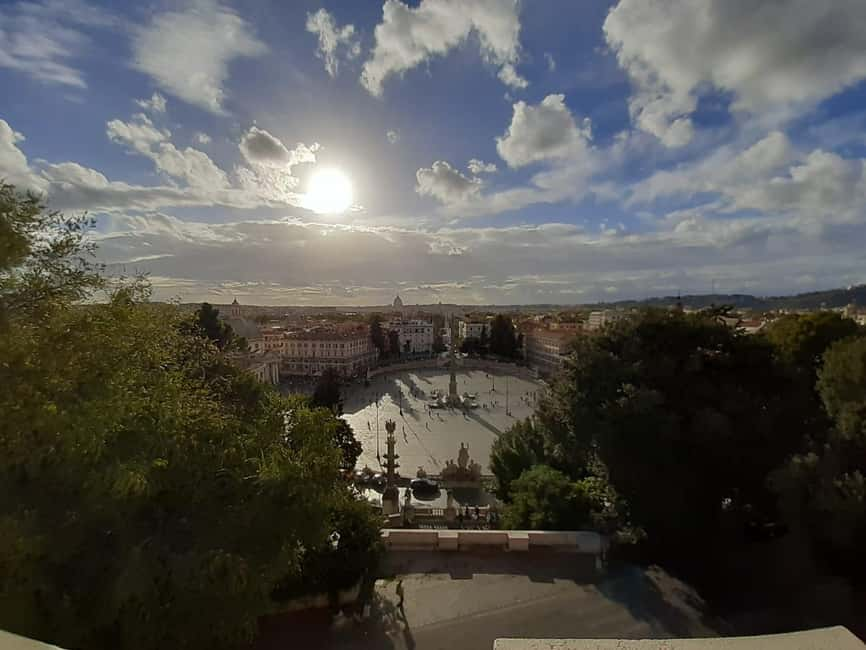
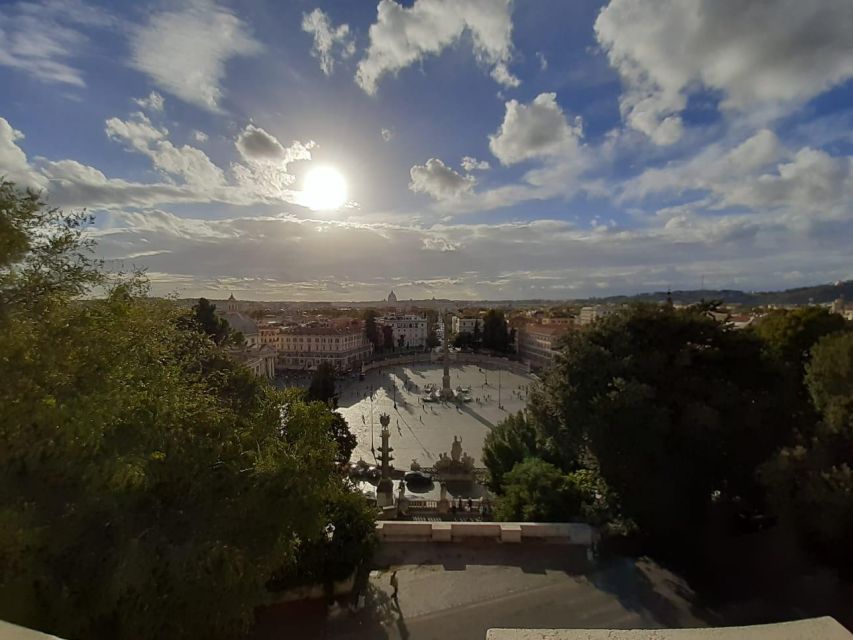
The route then passes through Piazza del Popolo. The square is a handsome northern gateway into central Rome, with broad space, churches, and a strong sense of arrival. The provided schedule lists it as part of the route rather than a separate long stop, so your time there may focus on views and the guide’s explanation.
The Pantheon and Piazza Navona
The Pantheon gets about 20 minutes for photographs and commentary. Its great dome and ancient walls make it one of Rome’s essential stops, even if you do not go inside. The building’s survival gives you a direct link between ancient construction and the city around it today.
A photo stop will not cover every detail of the Pantheon. If you want to study the interior, tombs, and engineering at length, plan a separate visit. The benefit here is that the guide places the building within the larger route rather than asking you to spend the entire day on one monument.
Piazza Navona follows with another 20-minute stop. The square’s long shape reflects its earlier use as a stadium, while the fountains and surrounding buildings show off Rome’s Baroque period. Cafes line the square, but the tour’s schedule does not include a meal break here.
I like the rhythm of these two stops. The Pantheon gives you ancient Rome, then Piazza Navona shifts the story toward later art, architecture, and public life. You see how the city changed without leaving the same central district.
Castel Sant’Angelo and the road toward St Peter’s
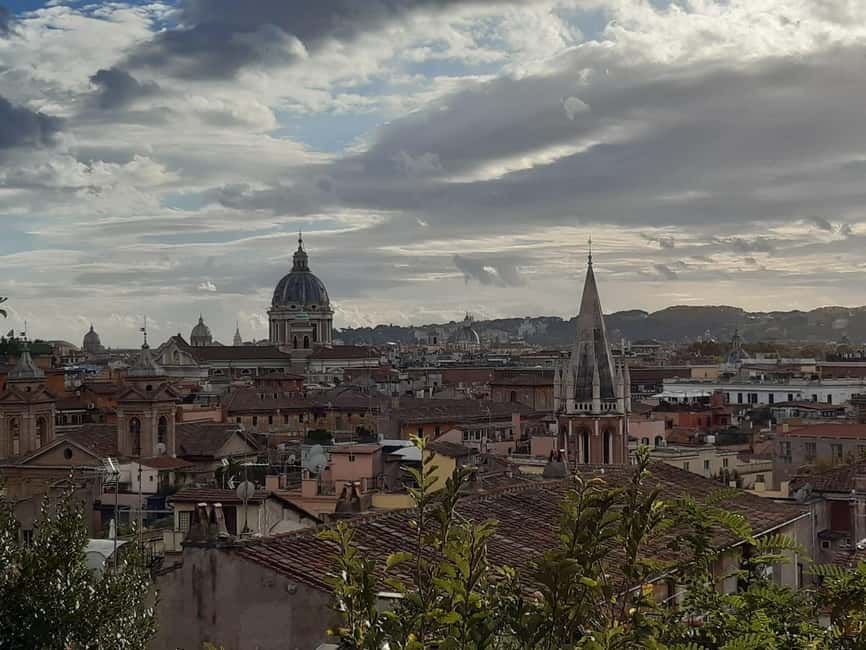
The route continues toward Castel Sant’Angelo, the large cylindrical fortress near the Tiber. Its origins reach back to Roman times, and its later role as a fortified building gives it a very different character from the open ruins near the Forum.
The tour passes by the fortress rather than offering an interior visit. That is worth knowing if you want to explore its rooms and upper levels. Here, the value is the outside view and the guide’s explanation of how this powerful structure fits into Rome’s military and religious story.
Saint Peter’s Square is another major visual moment. You see the great colonnades and the approach to Vatican City, but entry into St Peter’s Basilica or the Vatican Museums is not part of this outing. The square can be crowded and the traffic around it demands attention, so keep your focus on riding as well as sightseeing.
This section works best as a preview. If the Vatican is a main reason for your Rome trip, use the tour to understand the approach, then return for a dedicated visit with the proper time and admission arrangements.
Farnese Square, Campo de Fiori, and the Jewish Ghetto
Farnese Square brings you into a more intimate part of central Rome, with Renaissance palaces and a quieter architectural scale than the large spaces earlier in the route. It is a good reminder that Rome is not only a collection of headline monuments. Much of its pleasure comes from moving between them.
Campo de Fiori adds another kind of city scene. The square is known for its market activity and local traders, though the character of the market can vary by time and day. The tour gives you a quick look rather than a long shopping stop, so do not plan to stock up on food here.
The Jewish Ghetto is one of the most meaningful parts of the route, with about 40 minutes assigned to the area. Its narrow streets and long connection to Rome’s Jewish community give the guide room to explain a part of the city that many first-time visitors miss.
The route also includes the remains of Porticus Octavia, once a grand colonnaded complex. Ancient fragments sit close to everyday streets here, which is typical of Rome. You can turn a corner and find a monument from a very different era beside apartments, restaurants, or traffic.
The itinerary refers to the Great Synagogue area, described as Cicero Synagogue in the supplied details. Do not expect a synagogue interior visit unless your guide specifically says otherwise. The strength of this section is the outdoor setting, the neighborhood’s story, and the chance to see Rome beyond its most familiar postcard views.
Trastevere, dessert, and the Theatre of Marcellus
The route includes Trastevere for about 40 minutes, with photographs and dessert. Trastevere is a useful stop late in the ride because its streets feel more local and residential than the monumental center. You get another change of scenery before the final ancient sites.
There is an important budget detail here. Food and drinks are listed as not included, even though the tour description includes a gelato or dessert stop. I would expect the guide to take you to a place for the treat, but I would bring money to buy it yourself.
The final photo stop is at the Theatre of Marcellus, an ancient open-air theater near the Tiber. Its curved stone exterior and surrounding ruins make it a fine place to finish. It is less overwhelming than the Colosseum, but that is part of its appeal. You can look closely at the remains and see how ancient structures were absorbed into later Rome.
The route then returns to Via dei Cerchi 59. The full experience lasts four hours, with riding, commentary, photo stops, and the dessert break sharing the time. This is a sightseeing circuit, not a slow food tour or a detailed archaeological seminar.
What the $88 price includes
At $88 per person, the cost is reasonable if you value time and guidance. The fee covers a quality e-bike, several bike sizes, a helmet, an English-speaking tour leader, and a bottle of water. It also buys a carefully planned route through a large portion of central Rome.
You are not paying for monument admission, a full meal, or the dessert itself. That keeps the base price easier to understand, but you should add the cost of any food and drinks you buy. The tour also does not replace individual visits to the Colosseum, Pantheon interior, Vatican Museums, or other paid attractions.
For me, the strongest value is the route planning. Walking between all these sights would take far longer, and public transport would not provide the same continuous view of the streets and squares. If you have only a short stay in Rome, the tour can help you decide which places deserve a return visit.
Who should book this Rome e-bike tour?
I would recommend it to a confident cyclist who wants a broad first look at Rome. It suits adults and older children who can ride independently, enjoy outdoor sightseeing, and do not need long periods inside museums.
You should be comfortable with city riding and uneven surfaces. The tour is not suitable for people who cannot ride a bike, babies under one year, or anyone over 280 pounds, or 127 kilograms. Unaccompanied minors are not allowed.
Wear closed-toe shoes. Sunglasses, sunscreen, and water are sensible choices, even though a bottle is provided. A small bag is easier than bulky luggage, since you will be riding and stopping often.
The schedule is active. You will not spend 40 minutes at every famous monument, and the riding itself takes attention. If you prefer slow walks, long museum visits, or sitting in cafes, choose a different type of Rome tour.
Guide quality and the small-group advantage
The guide can shape this experience more than the bike. Monica and Monika have been praised for clear explanations, friendly manner, and genuine enthusiasm for Rome. Filippo has also led the tour and provided German-language guidance on at least one outing.
That personal element matters because the schedule moves quickly. A good guide must explain a monument in a few useful minutes, give clear riding instructions, and keep the group together. The available feedback gives the guiding a perfect five-star rating across eight reviews, with particular emphasis on enthusiasm and command of the city.
The small group limit of 10 is another real benefit. You still need to pay attention in traffic, but you are less likely to feel lost in a large procession of riders. It also makes it easier to ask a question or hear the guide at a stop.
Should you book it?
Book this tour if you want to cover a lot of Rome in one active morning or afternoon, and you are comfortable riding in city streets. The mix of ancient ruins, fountains, grand squares, neighborhood streets, Vatican views, and a dessert stop gives you a useful first map of the city.
Skip it if you cannot ride confidently, want extensive interior visits, or dislike a tight schedule. Also remember that the $88 price does not cover food and drinks, despite the included dessert stop in the route description.
For most capable cyclists with limited time, I would consider this a strong introduction to Rome. Use it to learn the city’s layout, hear its major stories from a guide such as Monica, Monika, or Filippo, and mark the places you want to revisit at a slower pace.
FAQ
Where does the Rome e-bike tour begin?
The meeting point is Via dei Cerchi 59, in front of Circus Maximus. The closest Metro station is Circo Massimo.
How long does the tour last?
The tour lasts four hours, including the riding time, sightseeing stops, photo stops, and dessert stop.
What language is the tour offered in?
The live tour guide language is English. Filippo has also led a tour in German, but English is the listed tour language.
Is food or gelato included in the price?
Food and drinks are not included. The route includes a dessert stop, so you should plan to pay separately for the gelato or other treat.
What equipment is provided?
The tour provides a high-quality e-bike, several bike sizes, a helmet, and a bottle of water.
Who is not suitable for this tour?
The tour is not suitable for people who cannot ride a bike, babies under one year, people over 280 pounds or 127 kilograms, or unaccompanied minors.
More gelato and tiramisu classes in Rome
- 3 in 1 Cooking Class near Navona: Fettuccine, Ravioli & Tiramisu
★ 5.0 · 7,376 reviews - Rome: Pasta & Tiramisu Class with Fine Wine by the Vatican
★ 4.9 · 4,852 reviews - Rome: 3-in-1 Fettuccine, Ravioli, and Tiramisu Cooking Class
★ 4.9 · 2,704 reviews - Learn to Make Pasta & Tiramisu with Wine and Limoncello Included
★ 5.0 · 2,345 reviews
Newest Rome tours we have reviewed
- Private TikTok Video Making in Rome★ 5.0 · 7 reviews
- Assisi & Saint Francis Path Tour from Rome★ 5.0 · 45 reviews
- Assisi, Orvieto and Civita di Bagnoregio Full Day Tour from Rome★ 4.5 · 45 reviews
- Assisi and Cascia Private Day Tour from Rome with Lunch★ 5.0 · 10 reviews
- Art Class in the center of Rome!★ 4.0 · 4 reviews
- Art & Craft: Beer Tour with Street Art in Rome★ 4.5 · 6 reviews
- Arrival in Rome: Airport Transfer & Exclusive City Introduction★ 5.0 · 3 reviews
- From Rome: Private Day-Tour of Tuscany★ 5.0 · 16 reviews
Rome Gelato and Tiramisu Classes, compared.
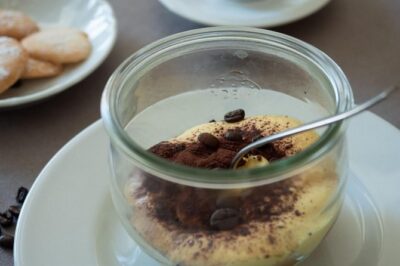
3 in 1 Cooking Class near Navona: Fettuccine, Ravioli & Tiramisu
Read our review →
Pasta & Tiramisu Class with Fine Wine by the Vatican
Read our review →
3-in-1 Fettuccine, Ravioli, and Tiramisu Cooking Class
Read our review →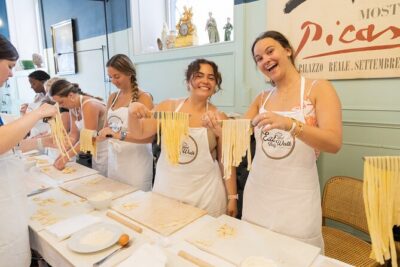
Learn to Make Pasta & Tiramisu with Wine and Limoncello Included
Read our review →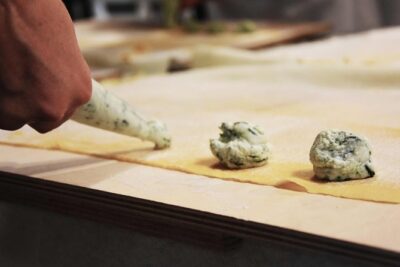
Become a Masterchef in Rome: Pasta, Ravioli and Tiramisù Class
Read our review →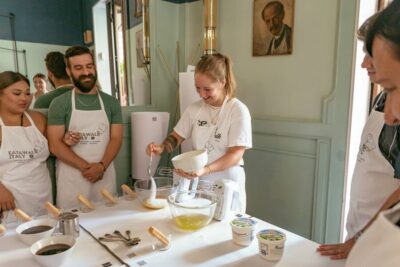
Fettuccine and Tiramisu Cooking Class with Wine
Read our review →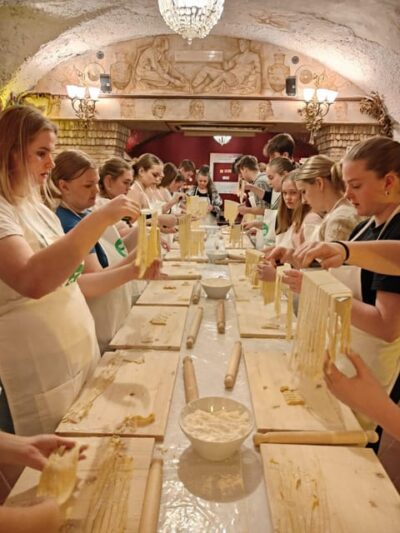
Pasta & Tiramisu Cooking Class near the Spanish Steps
Read our review →
Cooking Class in the Heart of Rome: Pizza and Tiramisu Making
Read our review →Browse the lists this tour appears in