
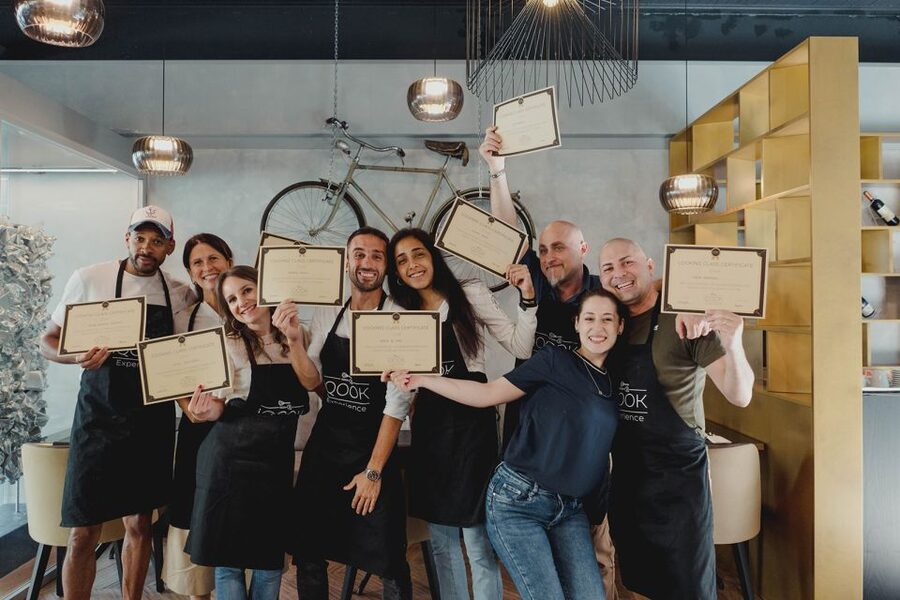
Reviewed · ROME GELATO AND TIRAMISU CLASSES
Pasta & Tiramisù making in the heart of Rome
Fresh pasta and tiramisu are the stars here, but the best part may be the easy social rhythm of the class. You arrive at a comfortable, air-conditioned studio beside Rome’s Opera House, raise a glass of prosecco, then work through pasta dough, dessert, shaping, cooking, and eating with an English-speaking chef.
I like the smart timing: while the pasta dough rests, you prepare tiramisu, so the 2.5 hours never feel padded. I also like the generous table service, with wine, soft drinks, bread, coffee, and limoncello included. One thing to know before booking: you may not personally cook the pasta or make the sauce, as the class puts more attention on dough and shaping than on the full saucepan-to-plate process.
Key points to know before booking
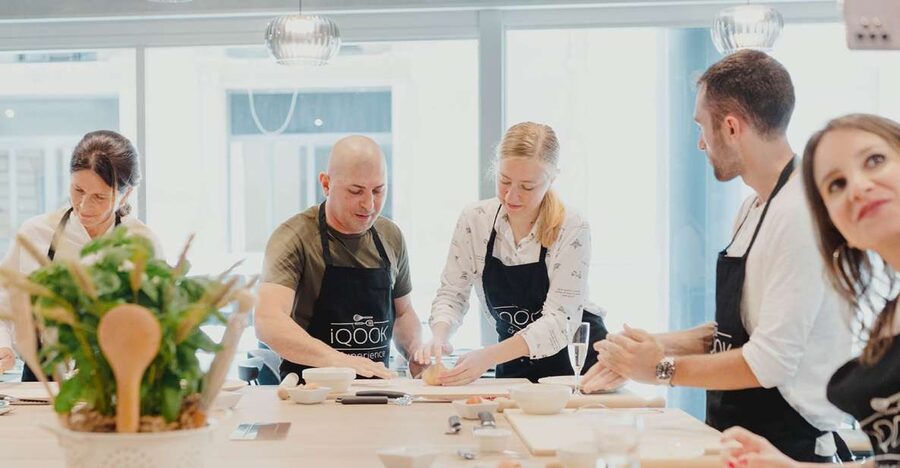
- The location is unusually central: Meet at the blue iQ Hotel building on the left side of Rome’s Opera House.
- The kitchen is air-conditioned: A real advantage during Rome’s hot summer months.
- The class lasts 2.5 hours: The schedule combines instruction, hands-on work, drinks, and a sit-down meal.
- Pasta is the main lesson: You work with the dough and shape it, while some cooking and sauce duties may remain with the chef.
- Tiramisu is made during the dough’s resting time: This keeps the class moving without making it feel hurried.
- The price includes more than a lesson: At $65 per person, you also receive a homemade meal, prosecco, wine, soft drinks, and recipes afterward.
A cooking class beside Rome’s Opera House
This experience starts in a useful part of central Rome, at the iQ Hotel’s blue building on the left side of the Opera House. That makes the meeting point easier to spot than a doorway hidden on a side street, though you should still allow a few extra minutes to find the correct entrance in the busy center.
The school is new, but it belongs to the iQ Hotel, an established property. The cooking space is described as modern and comfortable, with air conditioning and workstations set up for the class. That last detail matters. Rome’s summer heat can turn a small kitchen into a sauna, and the cool room lets you focus on the food rather than on staying upright.
You are taught in English, and the instructors named in the experience include Giuseppe, Dani, and Agnes. The strongest pattern is not a formal lecture, but clear instruction mixed with conversation, jokes, and steady help at the workstations. Agnes is particularly good for groups who want plenty of explanation, while Giuseppe is praised for his energy and cooking skill.
The group size is described as good rather than crowded. The exact number is not provided, so I would not book this expecting a private lesson. You should expect a shared table and a social class, which works well for couples, friends, solo visitors, and families with older children who can follow kitchen instructions.
More gelato and tiramisu classes in Rome:
- 3 in 1 Cooking Class near Navona: Fettuccine, Ravioli & Tiramisu
★ 5.0 · 7,376 reviews - Rome: Pasta & Tiramisu Class with Fine Wine by the Vatican
★ 4.9 · 4,852 reviews - Rome: 3-in-1 Fettuccine, Ravioli, and Tiramisu Cooking Class
★ 4.9 · 2,704 reviews
The opening toast sets the tone
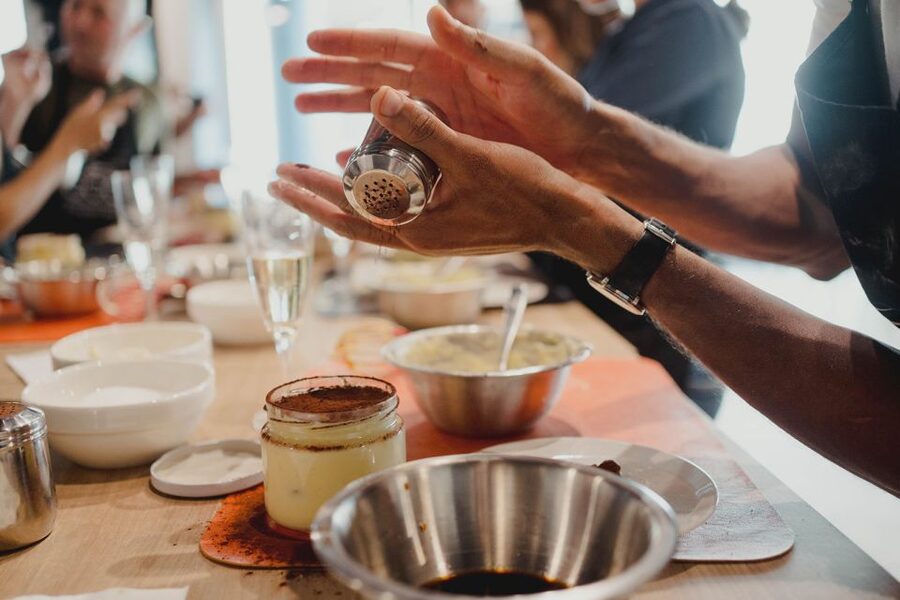
You begin with a welcoming drink, usually prosecco, before getting to work. This is not just a decorative extra. It gives everyone a moment to settle in, meet the chef, and talk with the people sharing the class.
The tone is friendly rather than stiff. The instructors encourage participation and answer questions as they go, so you are not simply watching a demonstration from the edge of the room. You handle the ingredients and follow the process at your own station, with help close by when something looks uncertain.
That social side is part of the value. Rome offers many food tastings where you sit back and sample someone else’s work. Here, your meal gives you a reason to talk, laugh, and compare results with the people around you. It can be a nice change of pace after museums and monuments, especially if you want an evening activity that does not feel like another guided walk.
The welcome also leads naturally into the first practical lesson: making pasta dough. The class shows the full sequence, from combining ingredients through resting and shaping. You leave with techniques that can be repeated at home, even if your kitchen setup is far less polished.
Pasta dough is the hands-on centerpiece
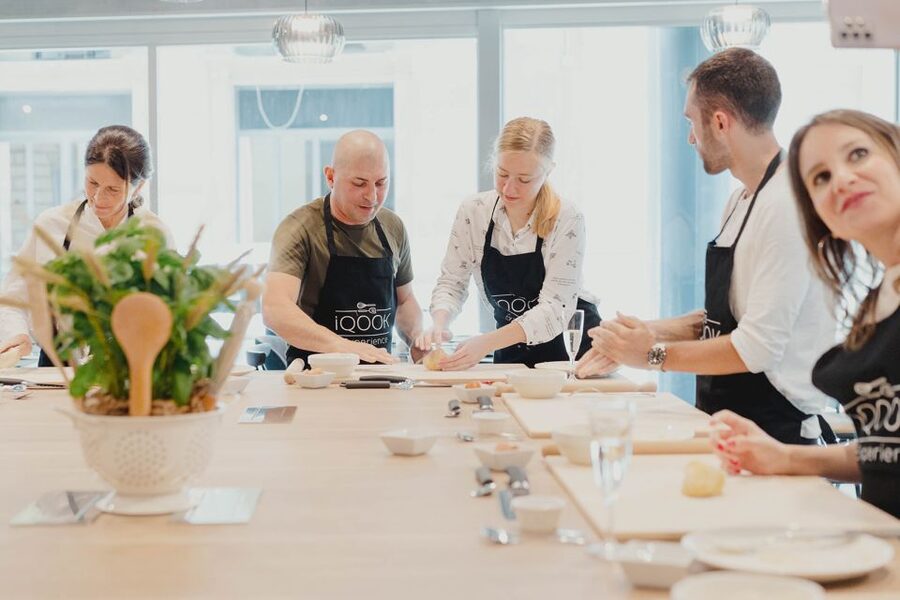
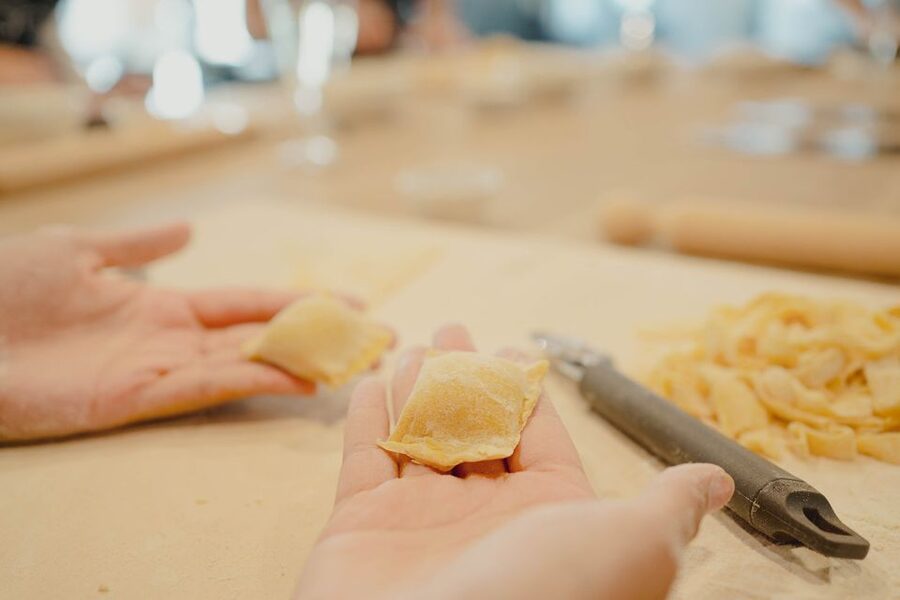
The pasta section is the part to understand clearly before you pay. You make the dough and learn how it should feel, then shape it under the chef’s direction. This gives you real participation and a useful foundation for making fresh pasta at home.
Several people enjoyed the simple, clear instruction. That matters because pasta dough can seem easy until it becomes too dry, too sticky, or uneven. A good teacher can save you from blindly adding flour and ending up with heavy pasta. The class also includes small tips and tricks, which are often more useful than a long history of Italian cooking.
The chef demonstrates the process so you can see the entire method. You are not left to guess how thick the dough should be or what the finished pasta ought to look like. The instructors also encourage questions, so this is a good setting if you want to understand why a step matters rather than simply copy hand movements.
There is one important limit. This is not necessarily a fully hands-on pasta-and-sauce workshop from start to finish. At least some of the cooking and sauce work is handled by the chef, with instructions provided for how to complete those parts. If your main goal is to stand over a burner and cook your own portion of sauce, ask for clarification before booking.
That limitation does not make the class poor value. It simply defines the lesson. You are paying for guidance, dough work, shaping, a shared meal, and a social food experience, not for a private kitchen where every pan is yours.
Tiramisu fills the resting time
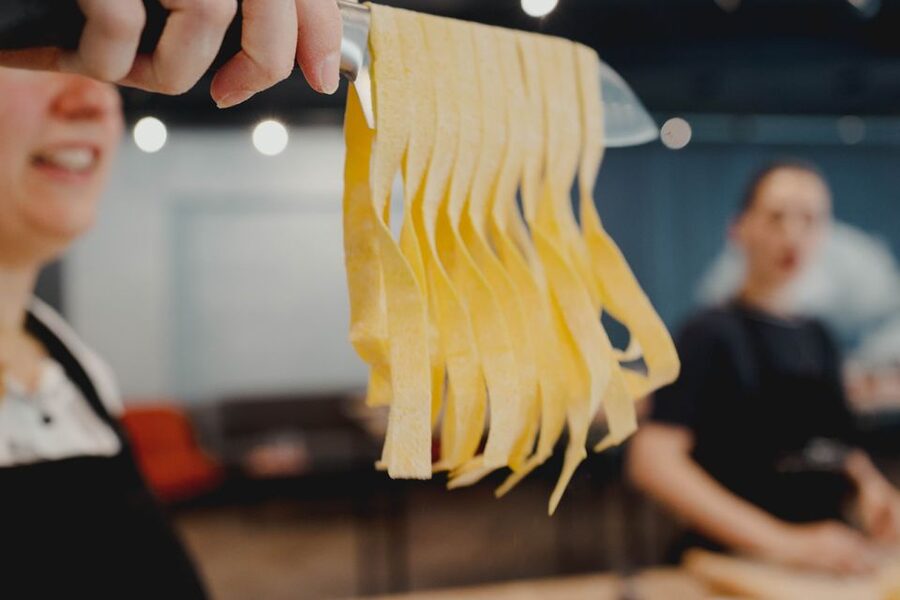
Once the pasta dough is resting, the class turns to tiramisu. This is a smart use of the schedule. Instead of waiting around for the dough to relax, you move to a second Italian staple and learn how the dessert comes together.
The class presents tiramisu as a practical recipe rather than a complicated pastry project. You get to take part in preparing the dessert, then allow the pasta work and meal to continue around it. The result is a good balance: pasta gives you a tactile task, while tiramisu adds a sweet course and another recipe to take home.
This timing also helps explain why the class feels organized. The activities overlap in a sensible order. You start with prosecco, prepare the dough, work on tiramisu while the dough rests, return to shaping the pasta, and then sit down to eat.
You should not expect a long, technical pastry lesson. The appeal is learning a classic dessert in the same class as fresh pasta, without stretching the activity into an all-day workshop. For most people, that combination is more useful than spending the entire session on one dish.
More pasta and pizza making classes in Rome:
- Rome: Pasta Making Class with Wine, Limoncello, and Dessert
★ 4.9 · 3,177 reviews - Rome: Fettuccine Pasta Cooking Class in Rome’s City Center
★ 4.8 · 2,414 reviews - Rome: Traditional Pasta with Cocktails Cooking Class
★ 5.0 · 2,374 reviews - Learn to Make Pasta & Tiramisu with Wine and Limoncello Included
★ 5.0 · 2,345 reviews
From workstations to a proper meal
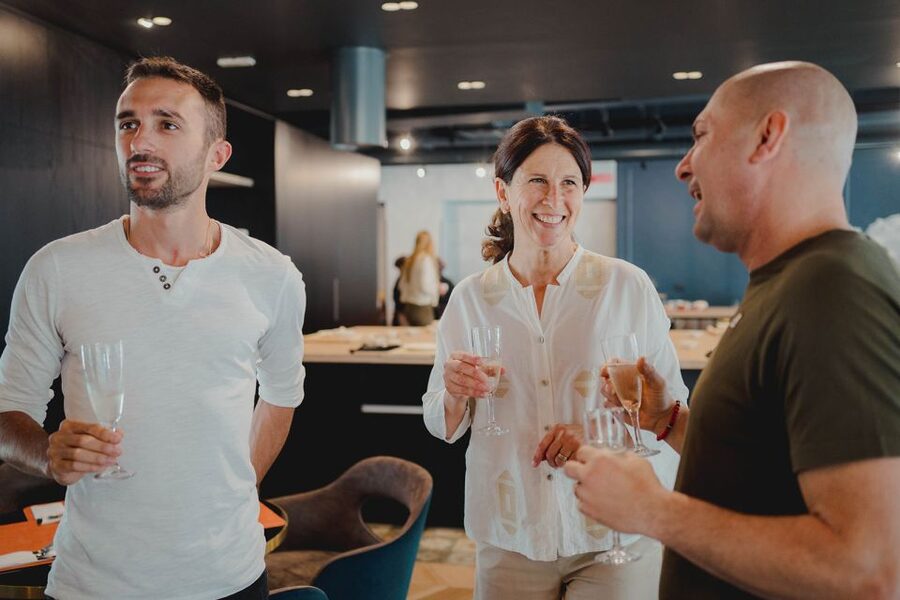
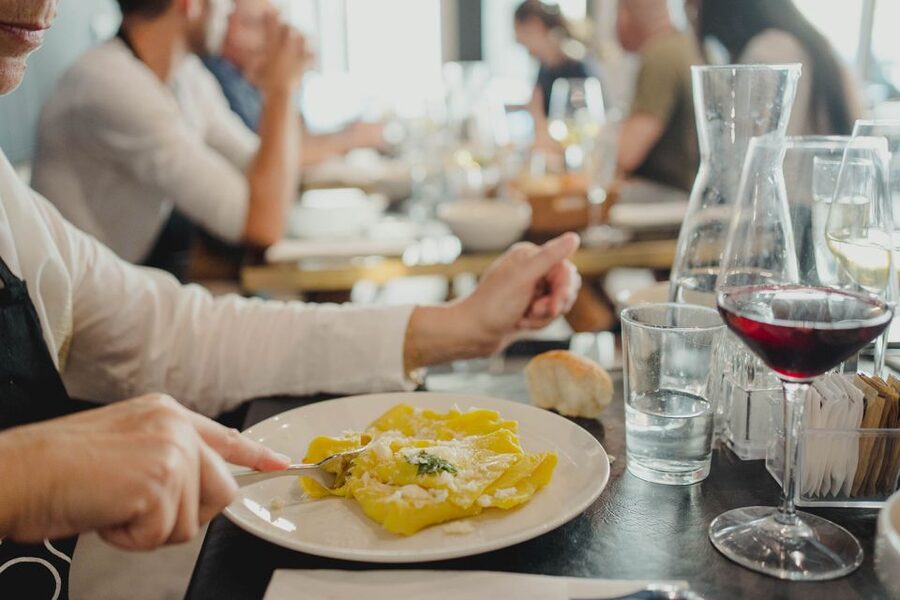
After the hands-on preparation, the food is cooked and served as a meal. The table includes your homemade pasta and tiramisu, along with drinks and accompaniments. Prosecco, regional wine, and soft drinks are included, and past feedback also describes bread, coffee, and limoncello being served.
This is where the activity shifts from cooking class to shared Roman meal. You are no longer watching the clock or worrying about whether your dough is behaving. You can eat what the group has prepared, talk with the chef, and enjoy the social side of the room.
The meal seems to be one of the strongest parts of the experience. The food is not just a sample portion at the end of a demonstration. It is presented as the main reward for the work, with enough time to enjoy it rather than rushing away as soon as the final plate arrives.
Still, expectations matter. You should not assume that every dish on the table is made entirely by you. The pasta may be shaped by participants while the chef manages cooking and sauce details. That approach keeps the class running smoothly for a shared group, but it will disappoint anyone looking for a fully independent cooking challenge.
The added drinks make the $65 price easier to assess. In central Rome, a sit-down meal with wine can quickly take a sizeable portion of that amount. Here, you receive the lesson, ingredients, equipment, chef guidance, food, several drinks, and recipes afterward. It is not the cheapest way to eat pasta in Rome, but it is a fair price if you want both the meal and the activity.
Why the air conditioning matters
The air conditioning deserves its own mention because it changes the experience more than you might expect. Rome is often hot in the months when many people visit, and working with flour, dough, and kitchen equipment in a warm room can become tiring.
A cool workstation means you can keep your attention on the lesson. It is also helpful for older participants, anyone sensitive to heat, and families who have already spent the day outdoors. The room is modern and comfortable, so the class offers a useful indoor break without feeling like dead time in your sightseeing schedule.
I would place this activity in the middle of a busy Rome itinerary, perhaps after a morning of monuments or before dinner. The 2.5-hour length is long enough to feel worthwhile but short enough to fit around other plans. Check the available starting time when booking, since the exact schedule can vary.
Who will enjoy this class most
This is a strong fit if you want to do something active with your meal. Couples can treat it as a relaxed date, friends can share a lighthearted group activity, and solo visitors can meet people without having to force conversation from scratch.
It also suits anyone who wants an edible souvenir. The recipes are sent after class, so you can try the dishes again at home. That makes the lesson more useful than a meal that disappears the moment you leave the restaurant.
The class is also a good choice for people who care about atmosphere. The chef’s role is not limited to giving instructions. The best moments come from the mix of cooking, questions, wine, and conversation. Instructors such as Agnes, Giuseppe, and Dani are presented as warm and attentive, with a style that encourages people to join in.
I would be more cautious if you want advanced culinary training. The class is designed around traditional Italian specialties and an enjoyable shared experience, not a professional cooking course. You will gain practical skills, but the teaching stays accessible and social.
I would also think twice if you dislike group dining or prefer complete control over every stage of a recipe. The shared format is central to the appeal, and the chef may take care of the cooking and sauce work. That is efficient for the group, but it is less satisfying for someone who wants to manage every pan personally.
Practical details that affect your choice
The advertised price is $65 per person, and the duration is 2.5 hours. Fresh ingredients and equipment are included, as are the air-conditioned workstation, chef instruction, the meal, prosecco, wine, soft drinks, and recipes sent afterward.
The meeting point is the iQ Hotel’s blue building on the left side of the Opera House in central Rome. Since this is a recognizable landmark but still a busy part of town, look for the building rather than relying only on a street number.
The class is taught in English. Free cancellation is available up to 24 hours before the activity for a full refund, and you can reserve now and pay later. Those terms help if your Rome schedule is still shifting, though you should confirm the starting time and availability before finalizing your day.
The overall rating is 4.9 from 47 reviews, which matches the consistent praise for the food, instructors, organization, and room. I would still give the pasta format careful attention before booking, since the practical experience may involve shaping your pasta more than cooking the pasta and sauce yourself.
Should you book Pasta and Tiramisu Making in Rome?
Book it if you want a friendly, well-organized food activity in central Rome, especially during hot weather. The air conditioning, welcome prosecco, clear English instruction, generous meal, and recipes afterward make the $65 fee reasonable.
It is particularly good for a first cooking class, a couple’s activity, or a small group of friends. The schedule is tidy, the instructors encourage participation, and the pasta-plus-tiramisu format gives you two classic recipes in one short session.
Skip it if you need an advanced lesson or insist on cooking every component yourself. For everyone else, this is a practical way to replace one ordinary restaurant meal with something you help create, then eat with wine and conversation.
FAQ
Where does the cooking class meet?
Meet at the iQ Hotel’s blue building on the left side of Rome’s Opera House.
How long does the activity last?
The class lasts 2.5 hours. Starting times vary, so check availability when booking.
What language is the class taught in?
The instruction is in English.
Is the cooking space air-conditioned?
Yes. The workstation is air-conditioned, which is especially useful during Rome’s warmer months.
Is food and drink included?
Yes. Fresh ingredients, equipment, chef guidance, a homemade meal, prosecco, wine, and soft drinks are included. Bread, coffee, and limoncello have also been served with the meal.
Can I cancel for a full refund?
Yes. You can cancel up to 24 hours in advance for a full refund. You can also reserve now and pay later.
Newest Rome tours we have reviewed
- Private TikTok Video Making in Rome★ 5.0 · 7 reviews
- Assisi, Orvieto and Civita di Bagnoregio Full Day Tour from Rome★ 4.5 · 45 reviews
- Assisi & Saint Francis Path Tour from Rome★ 5.0 · 45 reviews
- Assisi and Cascia Private Day Tour from Rome with Lunch★ 5.0 · 10 reviews
- Art Class in the center of Rome!★ 4.0 · 4 reviews
- Art & Craft: Beer Tour with Street Art in Rome★ 4.5 · 6 reviews
- Arrival in Rome: Airport Transfer & Exclusive City Introduction★ 5.0 · 3 reviews
- From Rome: Private Day-Tour of Tuscany★ 5.0 · 16 reviews
Rome Gelato and Tiramisu Classes, compared.
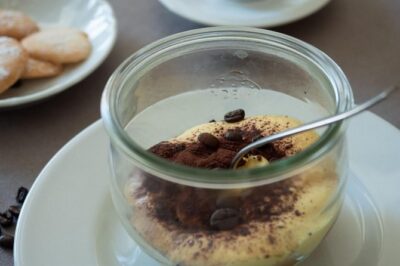
3 in 1 Cooking Class near Navona: Fettuccine, Ravioli & Tiramisu
Read our review →
Pasta & Tiramisu Class with Fine Wine by the Vatican
Read our review →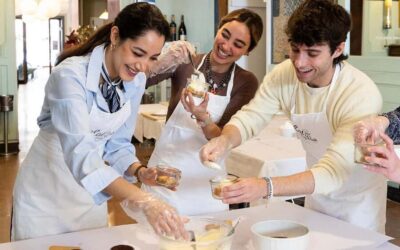
3-in-1 Fettuccine, Ravioli, and Tiramisu Cooking Class
Read our review →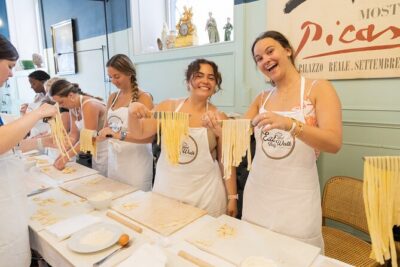
Learn to Make Pasta & Tiramisu with Wine and Limoncello Included
Read our review →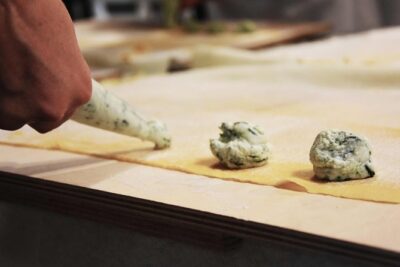
Become a Masterchef in Rome: Pasta, Ravioli and Tiramisù Class
Read our review →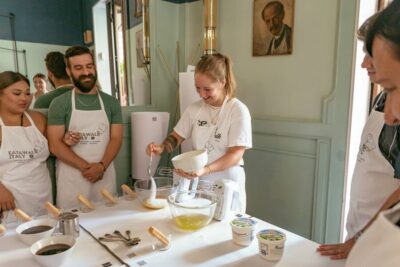
Fettuccine and Tiramisu Cooking Class with Wine
Read our review →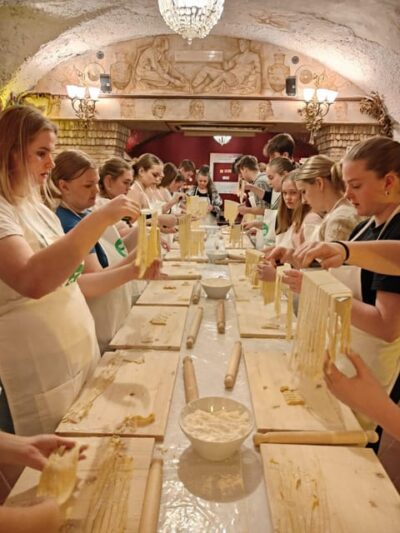
Pasta & Tiramisu Cooking Class near the Spanish Steps
Read our review →
Cooking Class in the Heart of Rome: Pizza and Tiramisu Making
Read our review →Browse the lists this tour appears in