
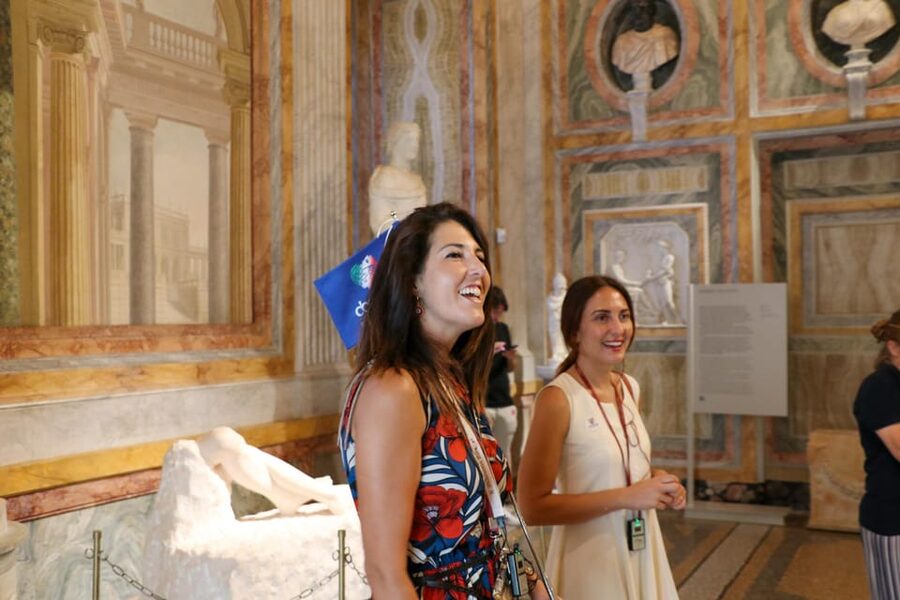
Reviewed · BORGHESE GALLERY TOURS
Rome: Borghese Gallery Guided Tour with Skip-the-Line Entry
The best reason to book this Borghese Gallery tour is simple: the art is famous, but the explanations make it readable. In two hours, your guide connects Bernini’s marble figures, Caravaggio’s sharp light, and Raphael’s religious drama to the people and politics behind them. Guides such as Federico, Mattia, Agnes, Sylvia, and Clarissa have earned especially warm praise for clear storytelling and lively delivery.
I like the small group limit of 15, which makes it easier to hear and ask a question. I also like the guaranteed priority entry, since Borghese tickets often sell out ahead of time. The main drawback is the price, $84 per person, and the fixed meeting time. Arriving late means missing the tour, with no refund.
Key points at a glance
- Bernini in close quarters: See Apollo and Daphne and study the carved details, movement, and emotion at close range.
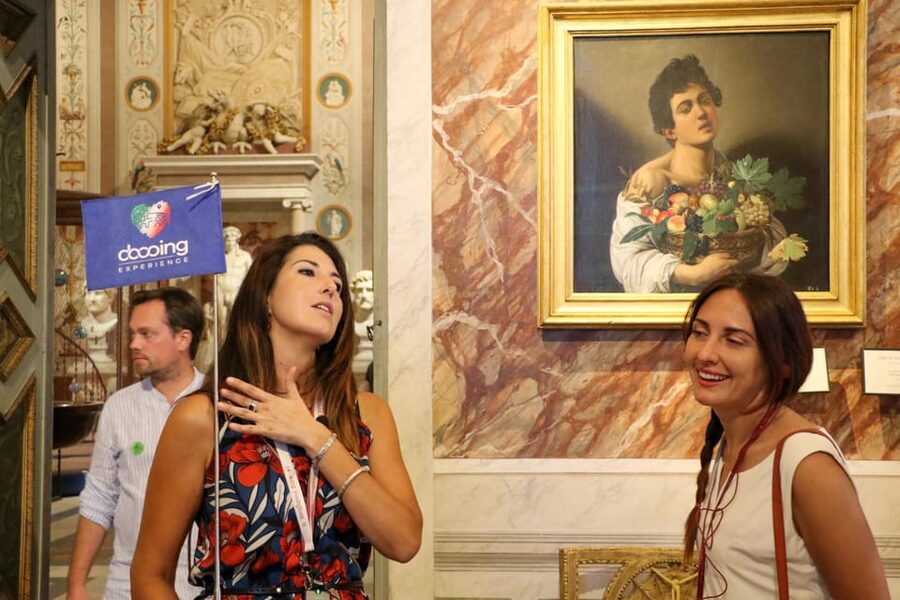
- Caravaggio’s dramatic rooms: Focus on Young Sick Bacchus and Boy with a Basket of Fruit, with context about the painter’s style and subjects.
- A two-hour guided route: The guide keeps the visit focused on major works instead of leaving you to wander without a plan.
- A group of no more than 15: Small enough for a more personal experience, though the exact feel depends on the guide and group.
- Casina Borghese itself: Look beyond the paintings and sculptures to the frescoed rooms and the building’s decorative design.
- A practical entry advantage: Your ticket and priority admission save you from hunting for a separate timed ticket when regular entry is sold out.
Why the Borghese Gallery deserves a place in your Rome plans
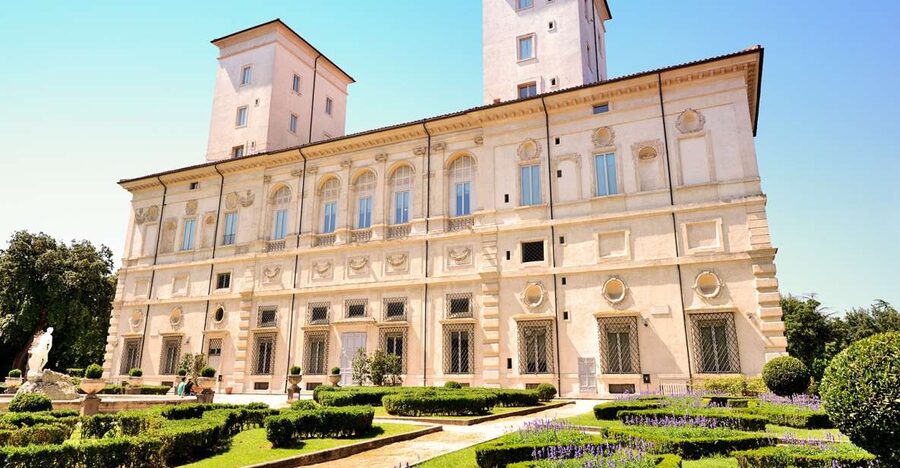
Rome has enormous museums where you can spend half a day and still miss whole wings. The Borghese Gallery is different. Its collection is concentrated inside an elegant villa, and the two-hour visit gives you a manageable route through some of Italy’s most important Baroque art.
The setting matters. You are not looking at isolated objects in a plain exhibition hall. Sculpture, painting, ceilings, floors, and decorated rooms work together. The villa was created for a powerful Roman family, and the art reflects ambition, taste, religion, theater, and status.
I find the Borghese especially rewarding if you want a strong first encounter with Bernini or Caravaggio. You do not need an art degree. A good guide points out the gesture of a hand, the turn of a body, the direction of a glance, or the way a carved surface catches light. Those details can be easy to miss when you are visiting alone.
The museum’s compact size also gives the visit a clear beginning and end. Two hours is enough to see the main highlights without the fatigue that can set in at larger museums. It is still an intense two hours, since the collection is packed with major works.
More Borghese Gallery tours:
- Rome: Borghese Gallery Skip-the-Line Tickets with Audioguide
★ 4.6 · 2,562 reviews - Rome: Borghese Gallery Entry Ticket & Optional Guided Tour
★ 4.5 · 2,237 reviews - Rome: Borghese Gallery & Gardens Small Group Guided Tour
★ 4.5 · 2,190 reviews
Meeting the guide outside the gallery
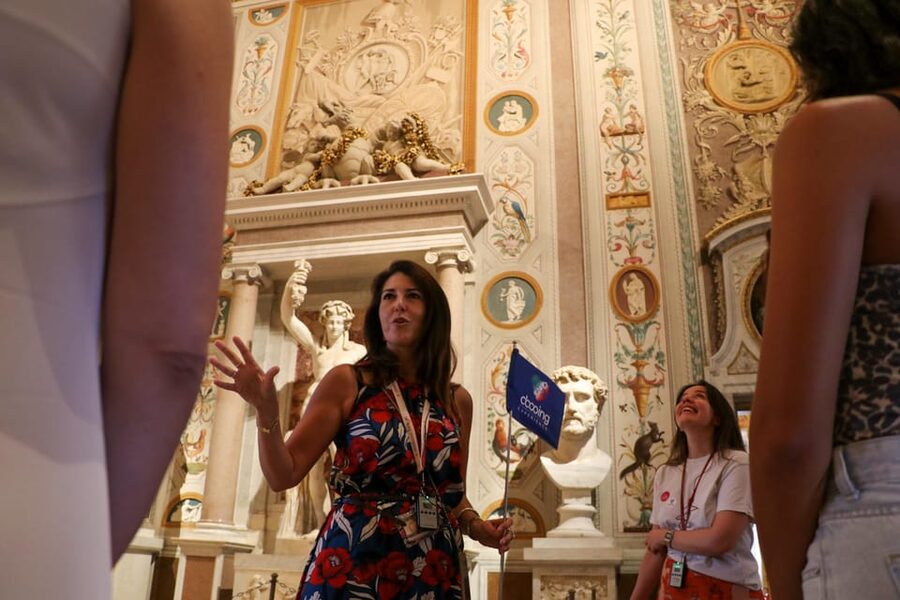
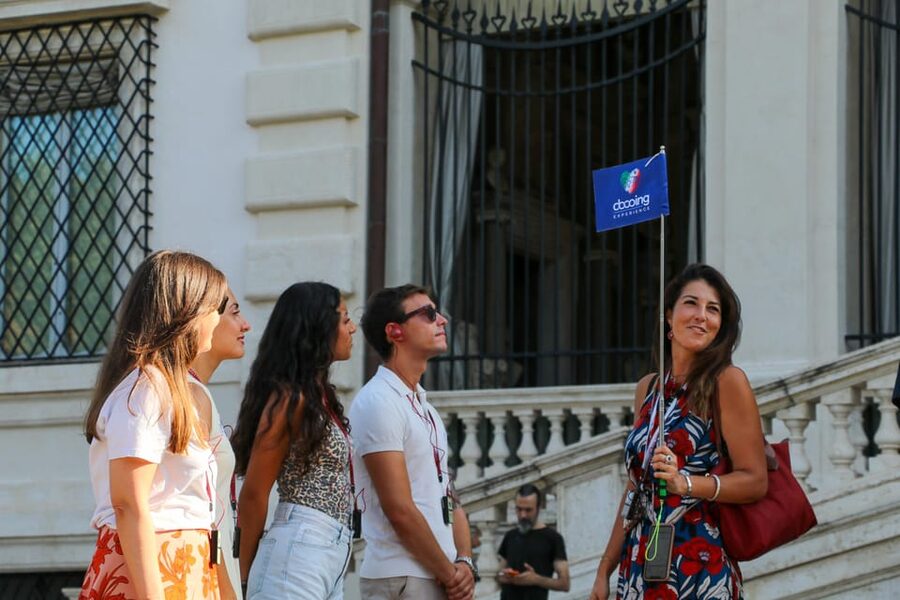
You meet in front of the main entrance to the Borghese Gallery 15 minutes before the scheduled start. Look for staff holding a Loving Rome flag, but give yourself time to identify the correct person. The entrance area can have several tour groups gathering at once.
This is not a place to cut things close. The tour has a fixed departure time, and late arrivals cannot be accommodated. I would arrive early, confirm the guide and group, then take a moment to get oriented before entering.
Bring only what you need. Large bags and luggage are not allowed inside. Small and large bags must be checked at the cloakroom, where you collect them after the visit. One practical tip is to avoid arriving with a suitcase or an overstuffed daypack. The cloakroom process is part of the visit, and extra items add needless fuss.
The tour is listed as wheelchair accessible. If you need assistance moving around, it is still wise to allow extra time at the meeting point and cloakroom.
Priority entry and the value of a reserved place
The skip-the-line feature is most useful when regular Borghese admission has sold out. That happens often enough that a last-minute visit can be difficult without a reserved tour place. The ticket gives you a way into the museum while also pairing admission with an organized route.
Priority entry does not mean you walk straight into the galleries without any procedure. You still meet the group, receive your ticket or entry assistance, and pass through the museum’s normal security and cloakroom arrangements. The benefit is that you are not standing in the regular ticket queue or trying to find an available slot on your own.
At $84, this is not a bargain ticket. You are paying for admission, a live English-speaking guide, the small group format, and the security of a reserved place. If you already have a Borghese ticket, a guided option may feel expensive. If regular tickets are gone, or if you want art explained rather than simply viewed, the cost becomes easier to justify.
The reserve-now, pay-later option also helps if your Rome schedule is still shifting. You can hold a place without paying immediately, and cancellation is free up to 24 hours before the activity.
Bernini’s marble theater
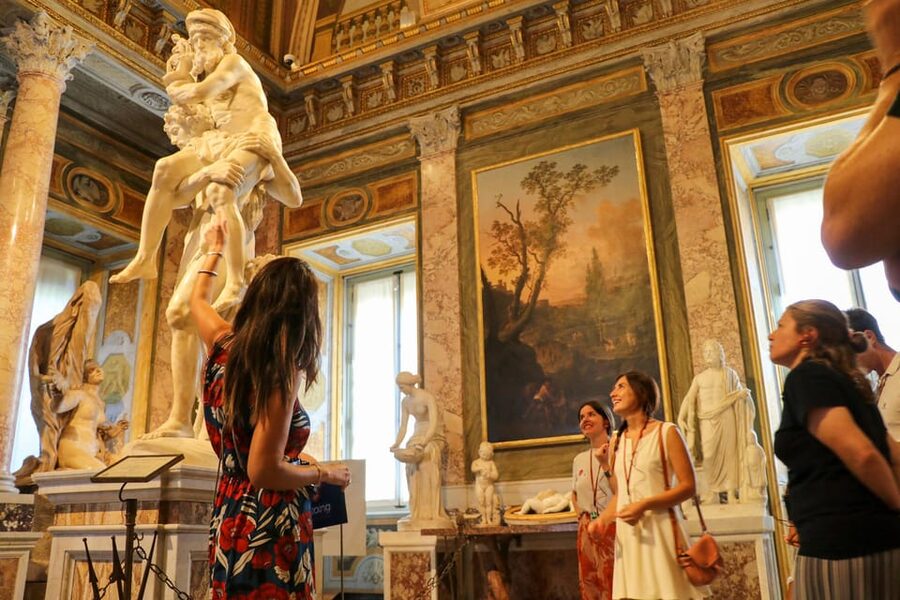
Bernini is the star of the visit for many people, and the gallery gives you a close look at why. Apollo and Daphne is not just a beautiful figure group. It is a scene caught in motion, with Apollo reaching toward Daphne as she changes into a laurel tree.
Look carefully at the transformation. Daphne’s fingers stretch into leaves, her hair moves, and the lower part of her body seems to lose its human form. The polished marble shifts from smooth skin to bark and foliage. A guide can show you how Bernini uses the material to make a frozen sculpture feel like an unfolding event.
The tour also includes Bernini’s other major works in the collection. The useful part of a guided visit is not simply hearing the title and date. You learn to look for the angle from which the sculpture was designed, the direction of the figures’ movement, and the small carved details that create drama.
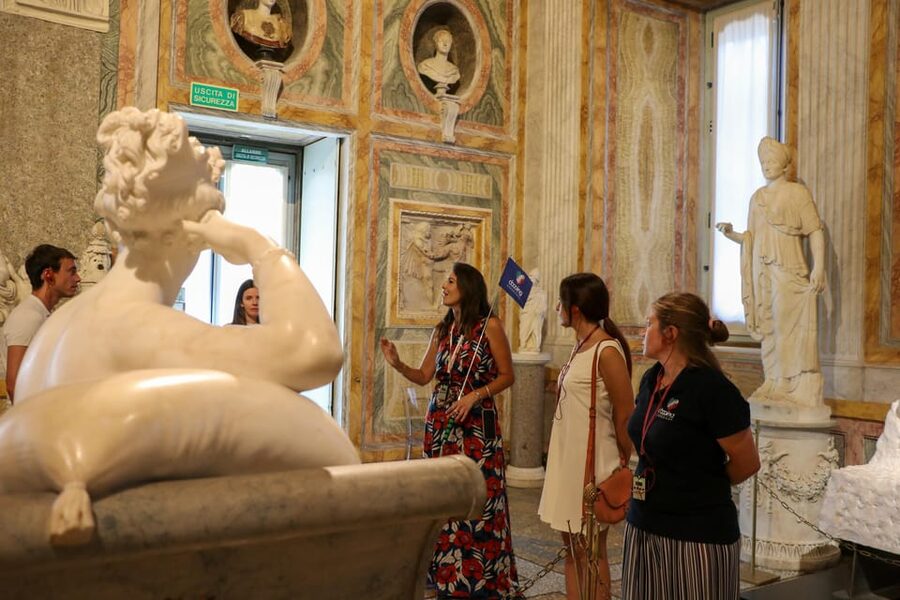
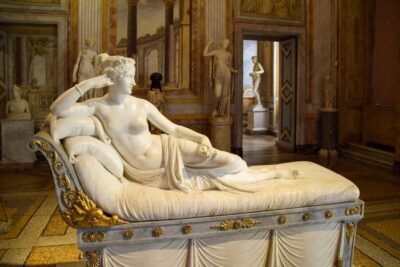
Paolina Bonaparte, by Canova, offers a different kind of spectacle. The reclining figure is polished, poised, and deliberately public. It invites questions about portraiture, power, and how a real person could be presented as an idealized figure. Seeing Bernini and Canova in the same visit helps you compare different ideas of beauty, movement, and display.
Several guides have been praised for making the sculpture easy to understand, even for people who do not usually consider themselves art lovers. That is important here. The museum can be visually overwhelming, so a clear route and a few well-chosen details help you stay focused.
More museums and galleries in Rome:
- Vatican Museums & Sistine Chapel Tour with Optional Basilica
★ 4.3 · 67,413 reviews - Vatican Museums, Sistine Chapel & St Peter’s Basilica Guided Tour
★ 4.5 · 39,149 reviews - Rome: Vatican Museums, Sistine Chapel & Basilica Tour
★ 4.3 · 13,872 reviews - Vatican Museums & Sistine Chapel Skip-the-Line Entry Ticket
★ 4.4 · 13,838 reviews
Caravaggio’s light, faces, and uneasy realism
The Caravaggio paintings provide a strong counterpoint to the marble sculptures. Young Sick Bacchus and Boy with a Basket of Fruit are not distant, perfect figures. They feel physical and immediate, with faces, skin, fruit, and clothing rendered in a way that draws you straight into the scene.
Caravaggio’s use of light is one of the main things to watch. The darkness around the subjects makes the lit areas feel almost theatrical. A guide can direct your eye toward the expression, the texture of the fruit, and the way the figures seem to occupy the same world as the viewer.
The gallery’s Caravaggio collection is a major reason to visit even if you are more interested in painting than sculpture. The tour gives you a chance to compare his approach with Raphael’s more composed religious art and with the formal elegance of Canova.
The Caravaggio section has been singled out by several guides’ groups as particularly moving. I would not expect every guide to give the same speech or emphasize the same details, but the paintings themselves reward patient looking. Try not to rush past them simply because Bernini’s sculptures are nearby.
Raphael and the visual language of religion
Raffaello’s Entombment of Christ adds another layer to the route. Raphael’s work is often associated with balance, grace, and carefully arranged figures, and this painting gives you a chance to see how those qualities work in a scene of grief.
A good explanation helps you notice the arrangement of bodies, gestures, and glances. Religious paintings from this period can seem formal if you do not know how to read them. The guide supplies the context, then points out how the composition directs your attention through the scene.
This is one of the strongest arguments for taking the tour rather than simply buying admission. You can admire the painting on your own, but a guide helps connect its visual choices to the larger artistic world of Renaissance and Baroque Rome.
The route does not treat every object in the museum equally. That is a benefit for a first visit, though it also means you will not receive a detailed explanation of every room. If you want to study the full collection at your own pace, plan extra time after the guided portion if museum rules and opening arrangements allow it.
The frescoed rooms of Casina Borghese
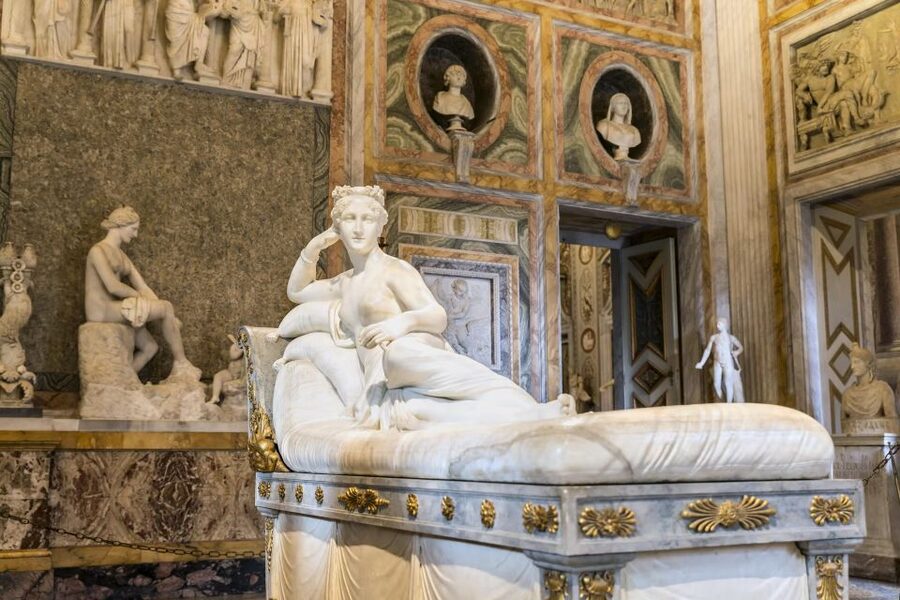
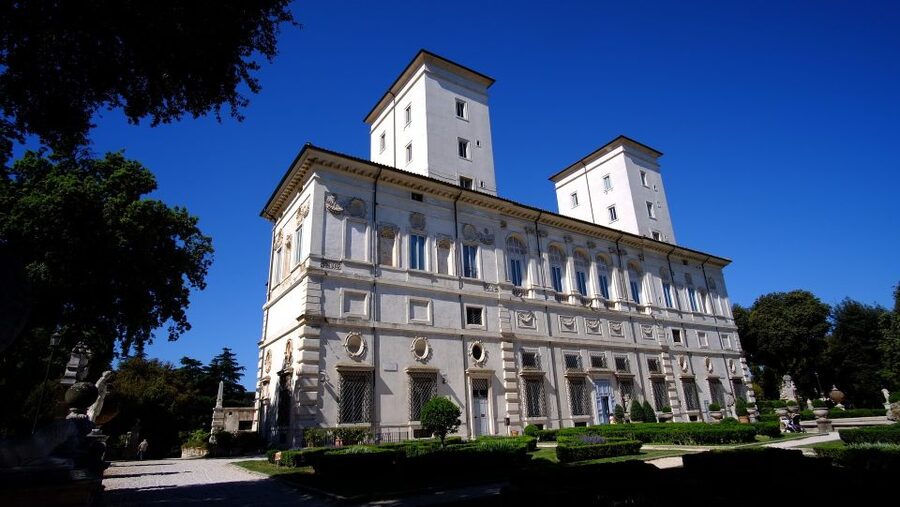
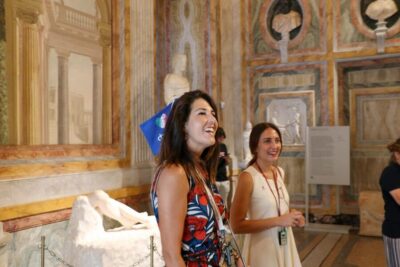
The building is part of the experience. The rooms of Casina Borghese are decorated with frescoes and elaborate finishes, so remember to look up and around rather than keeping your eyes only on the famous works.
These interiors explain why the gallery feels different from a standard art museum. The paintings and sculptures were displayed in rooms designed to impress. The setting tells you something about the original purpose of the collection: this was art meant to signal wealth, education, taste, and influence.
The rooms can also be distracting. There is so much to see that you may miss a detail while listening to the guide. If you have a moment between explanations, take in the ceiling and wall decoration. The villa is not merely a container for the collection.
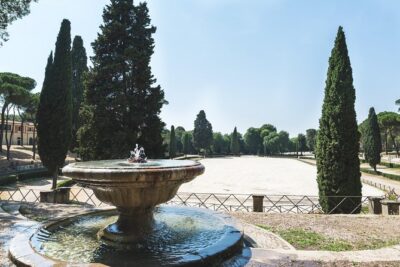
The tour also points you toward Villa Borghese Gardens. The garden walk is without a guide, so think of it as a useful extra rather than another narrated part of the activity. After the museum, you can explore the grounds on your own and enjoy a change of pace.
What the two-hour format feels like
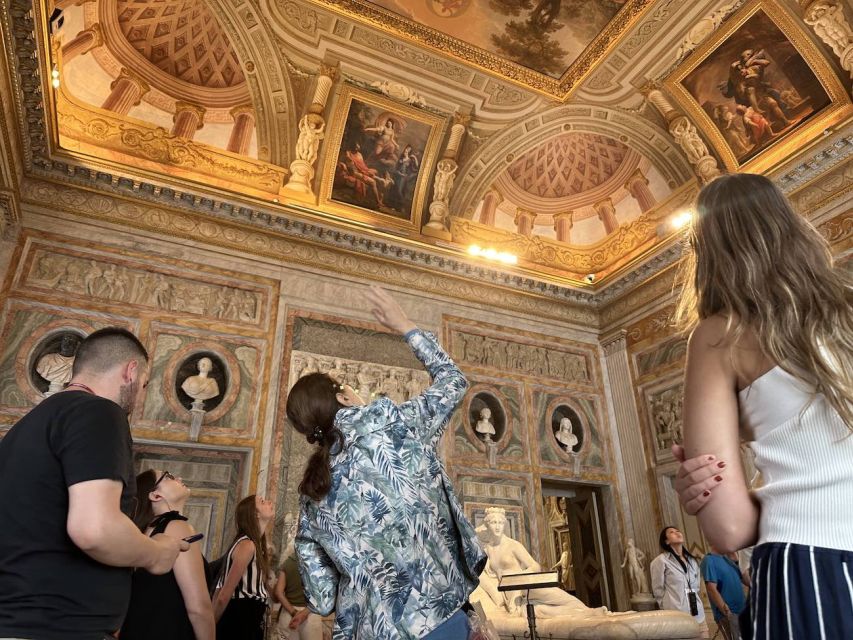
Two hours is a sensible length for this museum. You get a focused introduction to the main works, yet you are not committing an entire morning or afternoon to a single collection.
The pace is active. You will move through several rooms, stop for explanations, and need to keep close enough to hear. The small group helps, but the museum may still feel busy around major works. Headphones or audio equipment have been used on some tours, and one visitor found the devices slow to set up and occasionally unreliable. It is a minor issue, but be ready to tell the staff quickly if you cannot hear.
The strongest guides combine art history with stories about artists, patrons, and the people connected with the works. Federico has been praised for humor and detail, while Mattia, Agnes, Sylvia, Clarissa, Serena, and others have been noted for clear explanations and warm delivery. Your assigned guide may be someone else, but the tour is designed around live English commentary.
I like this format for couples, families with older children, and first-time museum visitors. It also suits you if your spouse or companion usually dislikes tours. The commentary is tied to the objects in front of you, not to a long general lecture.
Who should book this Borghese Gallery tour?
Book it if you want the museum’s major works explained in plain English and you do not want to risk finding regular tickets sold out. It is especially useful for first-time visitors, people with limited time, and anyone who wants to understand Bernini and Caravaggio rather than simply photograph them.
It is also a good choice for art lovers who prefer a clear route. Even if you already know the artists, the guide may draw your attention to carving methods, shadows, gestures, and historical connections you would otherwise miss.
You may want to skip it if you strongly prefer silent, independent viewing, already have a Borghese ticket, or find $84 too high for a two-hour museum visit. The group is limited to 15, but it is still a group tour, not a private visit.
Arrive 15 minutes early, carry as little as possible, and keep the rest of your day flexible enough to enjoy Villa Borghese Gardens afterward. Those simple steps make the experience smoother.
Final verdict: is the $84 tour worth it?
For most first-time visitors, yes. The Borghese Gallery is compact but demanding, and the best works reward someone who can explain what you are seeing. Priority admission removes a major booking worry, while the small group keeps the tour more personal than a large museum walk.
The value depends on your priorities. You are not paying only for two hours inside a building. You are paying for access when tickets may be gone, a planned route through Bernini, Canova, Caravaggio, and Raphael, and the chance to see the villa with useful context.
I would book this tour if the gallery is high on your Rome list, especially if you are visiting at short notice. I would not book it merely to fill an hour in your schedule. Come ready to listen, look closely, and give the sculptures and paintings your full attention.
FAQ
How long is the Borghese Gallery guided tour?
The guided visit lasts two hours. The activity also includes access to Villa Borghese Gardens, but the garden walk is without a guide.
What language is the tour conducted in?
The live guided tour is conducted in English.
How large is the tour group?
The group is limited to a maximum of 15 people.
Where do I meet the guide?
Meet in front of the main entrance to the Borghese Gallery 15 minutes before the activity starts. Staff will be holding a Loving Rome flag.
Can I bring luggage or a large bag?
No. Luggage and large or small bags are not permitted inside the Borghese Gallery. Bags must be checked at the cloakroom and collected after the tour.
Can I cancel the booking?
You can cancel up to 24 hours in advance for a full refund. The reserve-now, pay-later option lets you hold a place without paying immediately.
More skip-the-line tickets in Rome
- Skip-the-Line Group Tour of the Vatican, Sistine Chapel & St. Peter’s Basilica
★ 4.5 · 12,779 reviews - Vatican, Sistine Chapel & St. Peter’s Skip-the-Line Tour
★ 4.5 · 7,770 reviews - Skip-the-Line Vatican, Sistine Chapel & St. Peter’s | Small Group
★ 5.0 · 7,060 reviews - Vatican: Vatican Museums Sistine Chapel Skip-the-Line Ticket
★ 4.2 · 6,682 reviews
Newest Rome tours we have reviewed
- Private TikTok Video Making in Rome★ 5.0 · 7 reviews
- Assisi, Orvieto and Civita di Bagnoregio Full Day Tour from Rome★ 4.5 · 45 reviews
- Assisi & Saint Francis Path Tour from Rome★ 5.0 · 45 reviews
- Assisi and Cascia Private Day Tour from Rome with Lunch★ 5.0 · 10 reviews
- Art Class in the center of Rome!★ 4.0 · 4 reviews
- Art & Craft: Beer Tour with Street Art in Rome★ 4.5 · 6 reviews
- Arrival in Rome: Airport Transfer & Exclusive City Introduction★ 5.0 · 3 reviews
- From Rome: Private Day-Tour of Tuscany★ 5.0 · 16 reviews
Borghese Gallery Tours, compared.
Borghese Gallery Skip-the-Line Tickets with Audioguide
Read our review →
Borghese Gallery Entry Ticket & Optional Guided Tour
Read our review →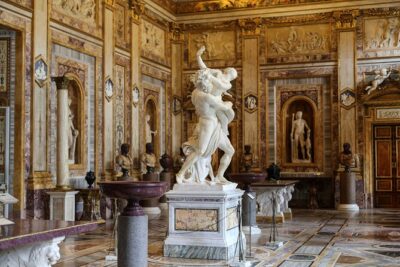
Borghese Gallery & Gardens Small Group Guided Tour
Read our review →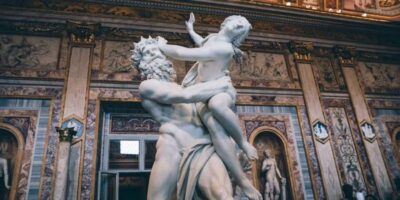
Borghese Gallery, Canova’s Masterpieces Skip-the-Line Guided Tour
Read our review →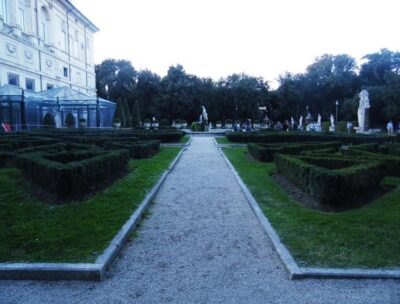
Borghese Gallery Guided Tour with Skip-the-Line Entry
Read our review →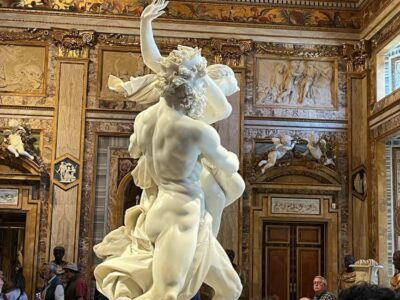
Browse the lists this tour appears in