
Reviewed · CAPUCHIN CRYPT TOURS
Rome: Capuchin Crypt & Museum Tour with Choral Concert
Rome’s Capuchin Crypt is one of the city’s most startling sights: underground rooms decorated with the bones of about 4,000 Capuchin monks. Pairing that visit with Gregorian chant makes the experience feel less like a standard museum stop and more like a carefully staged look at Rome’s sacred traditions.
I like the compact format and the strong contrast between the concert and the crypt. The music gives you a quiet, reflective start, while Caravaggio’s St. Francis in Meditation and the bone chapels provide a vivid look at Capuchin beliefs. The main drawback is the short museum visit. You may want more time, especially in the cramped crypt rooms, and the audio equipment can produce some static.
Key points
- Gregorian chant at 4:45 p.m.: Hear the Schola Romana Ensemble perform ancient chant and Roman polyphony in the Hall of the Capuchin Convent.
- Bone-lined crypt: See the remains of around 4,000 Capuchin monks arranged in chapels beneath the convent.
- Caravaggio and Roman masters: View St. Francis in Meditation along with works linked to Domenichino, Reni, and the Roman School.
- Two tour levels: Choose an audio guide in 13 languages or a small guided visit with an art historian for up to 10 people.
- Optional Roman dinner: Add a three-course meal at Il piccolo Vicolo near Piazza Navona and Largo Argentina.
- Strict arrival time: You must arrive between 4:15 and 4:40 p.m. to enter the concert before the 4:45 p.m. cutoff.
A haunting start beneath Via Veneto
The Capuchin Museum and Crypt sits just off Via Veneto, only a short walk from Piazza Barberini. This puts the experience right in central Rome, unlike some catacomb visits that require a long bus ride beyond the historic center.
The entrance for this experience is at Casa per Ferie I Cappuccini, Via Veneto 21. It is at street level, in front of the bus stop, and is not the same entrance as the Capuchin Museum. That distinction matters. Give yourself time to find the meeting point rather than heading straight to the museum door.
The building began as a Capuchin convent in 1631, commissioned by Pope Urban VIII Barberini for his brother, Cardinal Antonio Marcello Barberini. The convent is attached to Santa Maria Immacolata, the Capuchin church on Via Veneto. The church itself is not included, so do not assume the ticket covers every part of the complex.
The setting adds a bit of Rome beyond the usual ancient monuments. Via Veneto is associated with Federico Fellini’s La Dolce Vita, but inside the convent the mood changes quickly from famous Roman street life to silence, prayer, paintings, and bone chapels.
More Capuchin Crypt visits:
- Rome: Catacombs and Capuchin Crypt Guided Tour with Transfer
★ 4.6 · 1,606 reviews - Rome: Capuchin Crypts Skip-the-Line Ticket and Tour
★ 4.7 · 1,162 reviews - Catacombs Tour with Transfer – Optional Capuchin Crypt or Trevi
★ 4.5 · 694 reviews
Gregorian chant before the museum
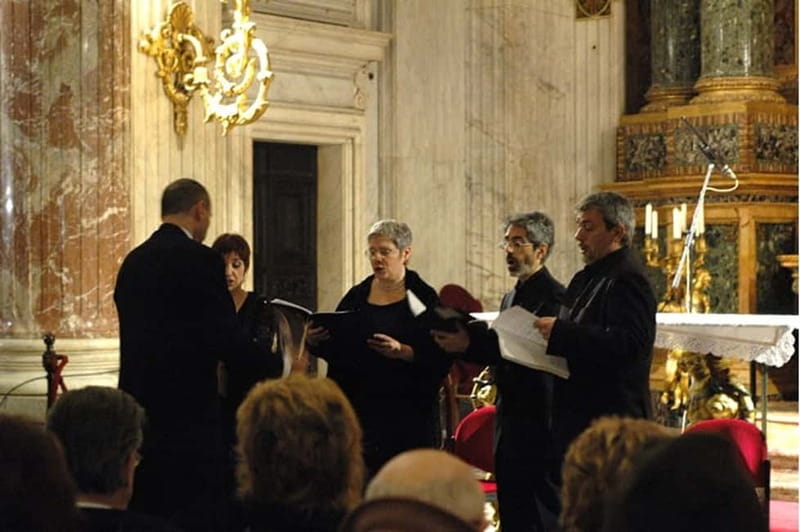
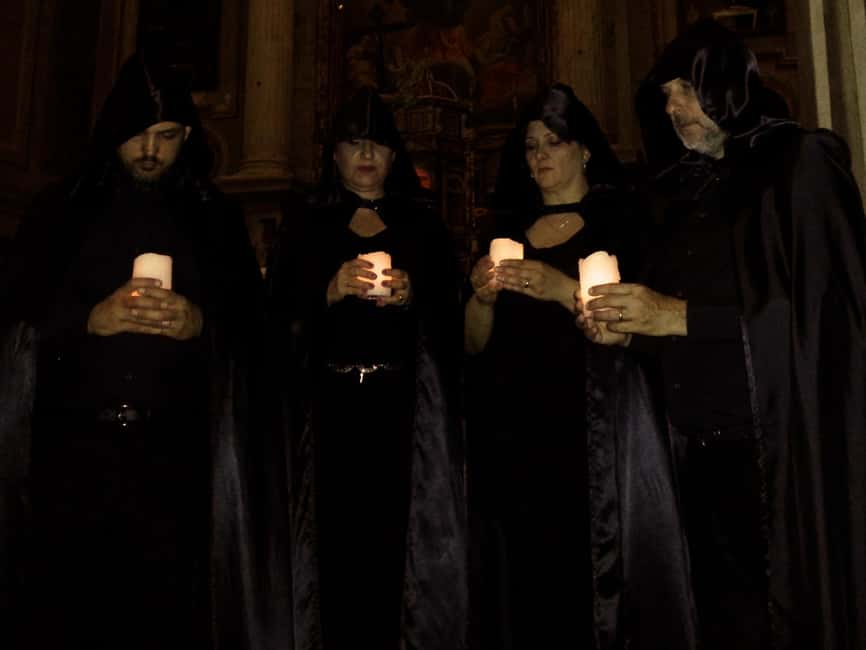
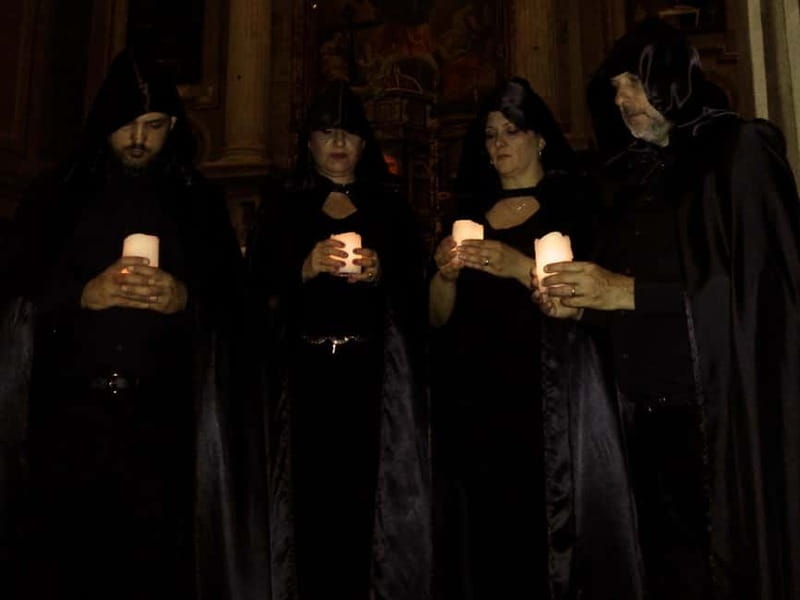
The program begins at 4:45 p.m. with an a cappella concert by the Schola Romana Ensemble. An introduction to the program is given in English, which helps you know what to listen for even if sacred music is not familiar territory.
The music alternates Gregorian chant with polyphonic works from the Roman School. The program includes compositions by Giovanni Pierluigi da Palestrina, one of the central names in Roman church music. Gregorian chant is the oldest form of Western music represented in the program, while the later polyphony adds several vocal lines that weave together in a more elaborate sound.
The concert takes place in the Hall of the Capuchin Convent, not in a large modern concert venue. That setting is part of the appeal. The room connects the music to the religious community that shaped the building, rather than presenting the performance as an isolated cultural event.
I would treat the concert as a serious part of the experience, not just a short extra added to a museum ticket. The trained singers and the quiet setting create a strong opening, and the music prepares you for the crypt’s themes of mortality, prayer, and remembrance.
Photography without flash is allowed during the concert, but no video is allowed at any time. Keep your phone away if you want the best sense of the performance. The strict entry rule is even more important here: admission runs from 4:15 to 4:40 p.m., and nobody is admitted to the concert after 4:45 p.m. Arriving about half an hour early is the safest plan.
Caravaggio, St. Francis, and the Capuchin ideal
After the concert, the museum and crypt portion begins at 5:30 p.m. You can visit with an audio guide in 13 languages, or choose the small-group option led by an art historian. The guided groups are limited to 10 people, which is useful in rooms where a large crowd would make it hard to hear or move around.
The museum explains the heritage of St. Francis and the origin of the Capuchin Order. The Capuchins are part of the Franciscan family, and their tradition places weight on humility, poverty, service, and awareness of death. That background gives the crypt more meaning than its shock value alone.
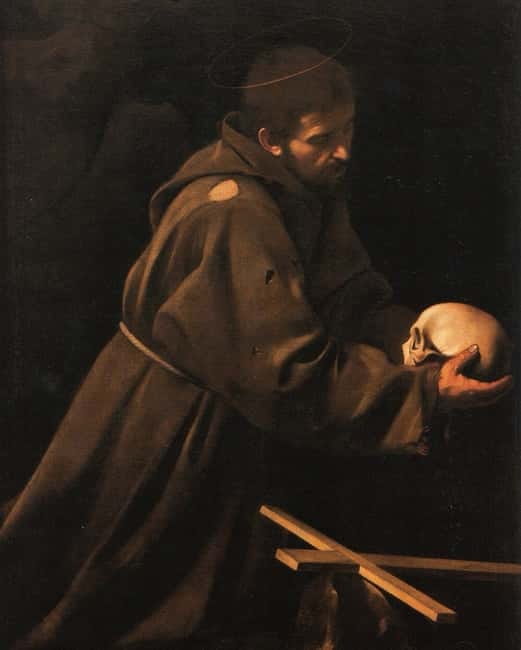
The major art highlight is Caravaggio’s St. Francis in Meditation. Caravaggio’s treatment of the saint is quiet and human rather than grand. The painting fits the Capuchin setting well, since it focuses on contemplation and mortality instead of ceremony or power.
You will also encounter works connected with Domenichino, Reni, and other artists of the Roman School. These paintings help connect the small convent museum to the larger story of Roman sacred art. If you choose the audio option, take your time with the explanations and pause when you need to. If you choose the art historian, you will have a better chance to ask questions and connect the paintings to the Capuchin way of life.
The guided option costs more, but it is the better pick for anyone who wants context rather than a quick look. The audio guide is a practical choice if you prefer moving at your own pace or want explanations in one of the available 13 languages.
The bone chapels, handled with respect
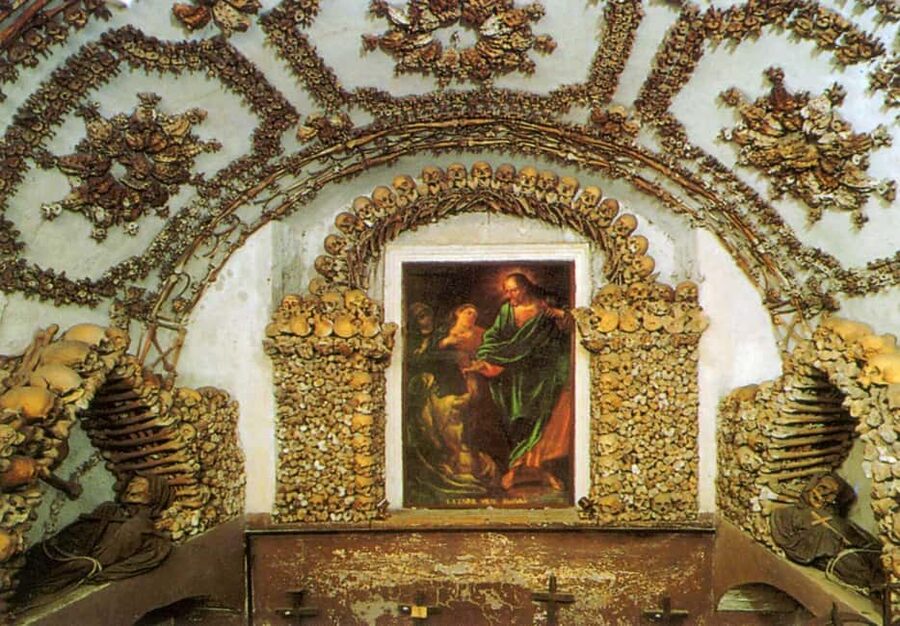
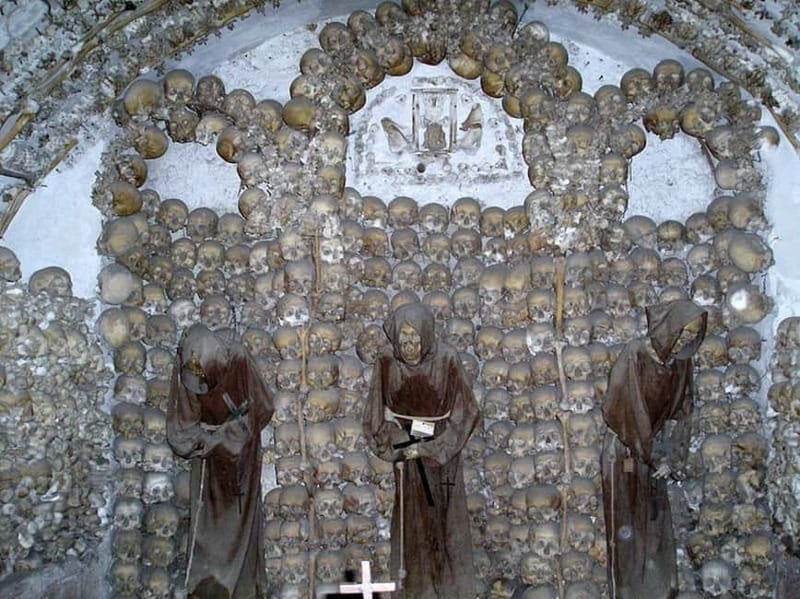
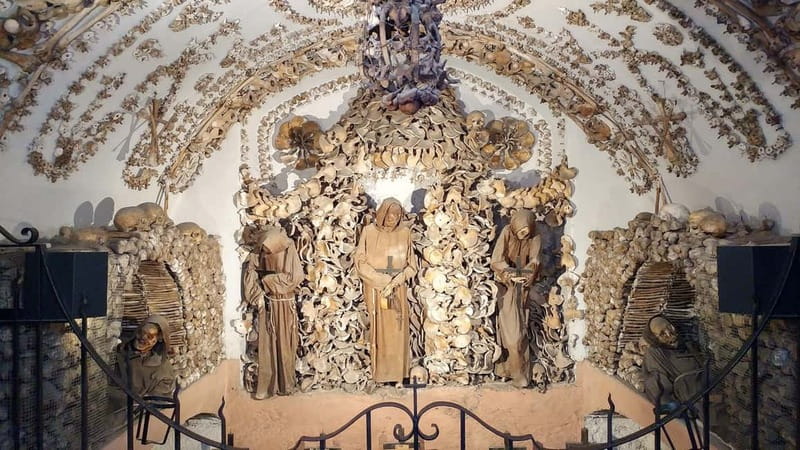
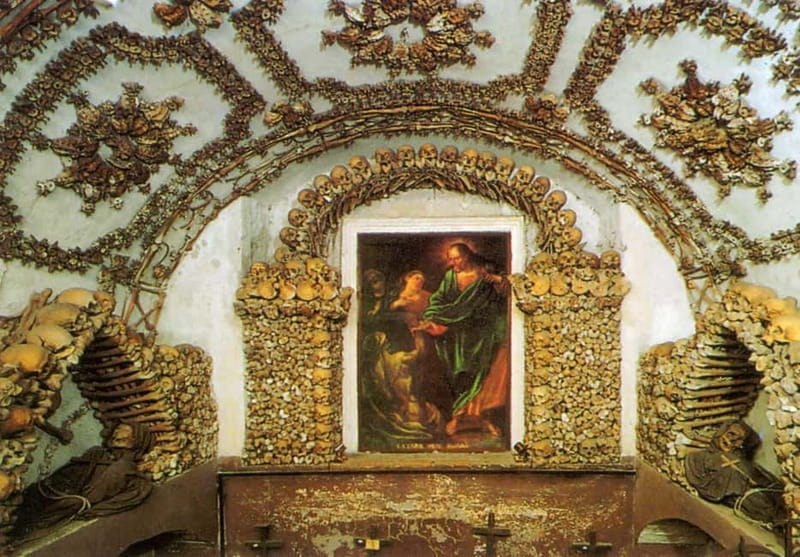
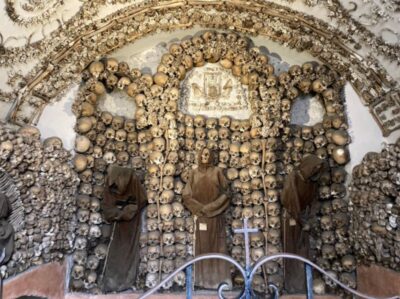
The crypt is the part most people remember. The remains of about 4,000 Capuchin monks are arranged in several underground chambers, with bones used to decorate walls and ceilings. Skulls, vertebrae, and other human remains form patterns that are unsettling but deliberate.
This is not a conventional burial room. The decorations reflect a reminder that earthly life is temporary. In a Capuchin setting, the bones are tied to humility and the belief that death should not be hidden from daily life. That idea can be difficult to face, but it is central to understanding the site.
The crypt is also physically tight. You may find the rooms cramped, especially when the group gathers around a guide or audio stop. The small-group limit helps, but the space remains narrow. Allow yourself time to look carefully, yet do not expect the relaxed pace of a large gallery.
Photography and video rules are clear. Photos without flash are allowed in the crypt and museum. Videos are not allowed at any time. Follow the signs and keep your camera use discreet. This is a functioning religious site with a serious subject, not a theatrical attraction.
The crypt is worth seeing if you want something different from Rome’s major ruins and grand churches. It is especially useful for anyone who is curious about how religious communities shaped their own spaces and memorials. If you dislike displays involving human remains, you should know exactly what you are booking.
More opera and concert tickets in Rome:
- Rome: “The Most Beautiful Opera Arias” Concert
★ 4.3 · 2,495 reviews - Rome: Opera Concert at Palazzo Poli – Fontana di Trevi
★ 4.7 · 1,026 reviews - Rome: The Three Tenors at St. Paul’s Church Concert Ticket
★ 4.7 · 699 reviews - Rome: La Traviata at St. Paul’s Within the Walls
★ 4.4 · 683 reviews
Choosing the audio tour or the art historian
The standard ticket combines the concert with a self-guided museum and crypt visit. You receive an audio guide in 13 languages, which gives you independence and avoids the need to stay close to a group leader.
The VIP ticket adds a guided tour with an art historian for a maximum of 10 people. I would choose this version if Caravaggio, religious art, or the history of the Capuchin Order is a major reason for your visit. The crypt has unusual details that can be easy to miss, and a good guide can explain why the bones are arranged as they are rather than leaving you with only the initial shock.
The audio guide may suit you better if you want to linger over one painting or move quickly through a room. One practical issue is that the audio equipment may produce static. That is a minor nuisance, but it can make the self-guided option less smooth than expected.
The experience is advertised as 75 minutes, with the concert and museum visit scheduled close together. That is enough for a focused introduction, but not enough for a leisurely study of every object. The short length works well before dinner or another evening plan. It is less suitable if you want a long art lecture or a slow museum visit.
Adding dinner near Piazza Navona
The dinner versions include the same concert and museum choices, followed by a three-course meal at Il piccolo Vicolo on Vicolo dei Chiodaroli 16. The restaurant is near Piazza Navona and Largo Argentina, so dinner can carry your evening toward another central part of Rome.
The menu is built around Roman classics. Starters may include cold cuts and cheeses with Roman supplì, or eggplant with mozzarella, fried zucchini flower, toasted bread, and pistachio. Main pasta choices include amatriciana, carbonara, gricia, or homemade pasta.
For the main course, the menu lists saltimbocca alla romana, a veal escalope with prosciutto, or sea bass in a crisp potato or zucchini coating. Water and one bottle of wine for every two people are included.
The dinner is convenient if you want the evening planned in one booking, but it changes the value calculation. At $88.36 per person, the basic experience already costs more than a simple crypt entry because you are also paying for live music and the organized format. The dinner option can make sense if you were planning a restaurant meal anyway. It is less appealing if you prefer choosing your own restaurant or want to control the timing.
Transportation to the restaurant is not included. After the concert and museum visit, you are responsible for getting there. A suggested route is to walk briefly to Piazza Barberini, then take a taxi or use bus lines 83, 63, 80, 160, or 492 toward Piazza del Plebiscito, followed by a walk of about 700 meters. Build in extra time, since the restaurant is not next door to the convent.
How the price fits the experience
At $88.36 per person, this is not the cheapest way to see the Capuchin Crypt. The value comes from combining three elements: entry to the museum and crypt, a live choral concert, and an English introduction to the music.
The concert is the strongest reason to consider this package instead of arranging a museum visit alone. You receive a cultural program that would be difficult to reproduce by simply visiting the building during the day. The crypt and Caravaggio give you visual interest, while the music gives the visit a clear shape.
The VIP upgrade has value for people who enjoy art context and questions. The standard option offers better flexibility and may be enough if your main goal is seeing the crypt. The dinner version adds convenience, but remember that the transfer afterward is not provided.
Free cancellation is available up to 24 hours in advance, and you can reserve now and pay later. Those terms are useful when your Rome schedule is still shifting, though the arrival time itself is not flexible.
Who should book this Rome experience?
I would recommend this for you if you want an unusual central Rome visit that combines art, music, and religious history in one compact evening. It suits adults interested in sacred art, church music, the Franciscan tradition, or the customs surrounding death and remembrance.
It also works well if you have limited time. The crypt is in the city center, and you do not need to spend half a day traveling to distant catacombs. The concert makes the outing feel more complete than a quick museum stop.
Families with young children should think carefully about the bone displays and the quiet concert format. Anyone uncomfortable with human remains may find the crypt too intense. You should also allow extra time if you need a slower pace, since the rooms are tight and the scheduled visit is brief.
Should you book it?
Book this experience if the idea of Gregorian chant followed by a bone-lined crypt sounds meaningful rather than merely strange. The strongest parts are the professional choral performance, Caravaggio’s St. Francis in Meditation, and the chance to see the Capuchin memorial rooms without leaving central Rome.
Choose the VIP version if you want an art historian and a small group. Choose the standard ticket if you prefer your own pace and a lower price. Add dinner only if you value a planned Roman meal and are comfortable arranging your own transport afterward. Arrive early, dress modestly, and treat the crypt as a religious memorial, not just a curious photo stop.
FAQ
Where does the experience begin?
It begins at Casa per Ferie I Cappuccini, Via Veneto 21. Staff wait at street level in front of the bus stop. This entrance is different from the entrance to the Capuchin Museum.
What time should I arrive?
Admission is from 4:15 p.m. to 4:40 p.m. You should arrive about half an hour before the 4:45 p.m. concert. Access is not allowed after 4:45 p.m.
What happens first, the concert or the crypt visit?
The a cappella concert begins at 4:45 p.m. The museum and crypt visit is scheduled for 5:30 p.m.
What languages are available for the audio guide?
The self-guided audio tour is available in 13 languages. The live tour guide and the introduction to the musical program are in English.
Are photographs allowed?
Photos without flash are allowed in the museum, crypt, and during the concert. Videos are not allowed at any time.
Is the church included?
No. The visit includes the Capuchin Museum and Crypt, but not the Church of the Immaculate Conception.
What is included with the dinner option?
The dinner option includes the concert, museum and crypt visit, and a three-course traditional Roman dinner at Il piccolo Vicolo. Water and one bottle of wine for every two people are included. Transportation from the convent to the restaurant is not included.
More museums and galleries in Rome
- Vatican Museums & Sistine Chapel Tour with Optional Basilica
★ 4.3 · 67,413 reviews - Vatican Museums, Sistine Chapel & St Peter’s Basilica Guided Tour
★ 4.5 · 39,149 reviews - Rome: Vatican Museums, Sistine Chapel & Basilica Tour
★ 4.3 · 13,872 reviews - Vatican Museums & Sistine Chapel Skip-the-Line Entry Ticket
★ 4.4 · 13,838 reviews
Newest Rome tours we have reviewed
- Private TikTok Video Making in Rome★ 5.0 · 7 reviews
- Assisi, Orvieto and Civita di Bagnoregio Full Day Tour from Rome★ 4.5 · 45 reviews
- Assisi & Saint Francis Path Tour from Rome★ 5.0 · 45 reviews
- Assisi and Cascia Private Day Tour from Rome with Lunch★ 5.0 · 10 reviews
- Art Class in the center of Rome!★ 4.0 · 4 reviews
- Art & Craft: Beer Tour with Street Art in Rome★ 4.5 · 6 reviews
- Arrival in Rome: Airport Transfer & Exclusive City Introduction★ 5.0 · 3 reviews
- From Rome: Private Day-Tour of Tuscany★ 5.0 · 16 reviews
Capuchin Crypt Tours, compared.
Catacombs and Capuchin Crypt Guided Tour with Transfer
Read our review →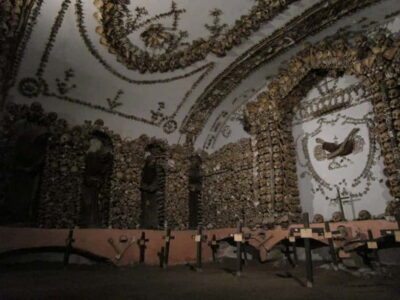
Capuchin Crypts Skip-the-Line Ticket and Tour
Read our review →
Catacombs Tour with Transfer – Optional Capuchin Crypt or Trevi
Read our review →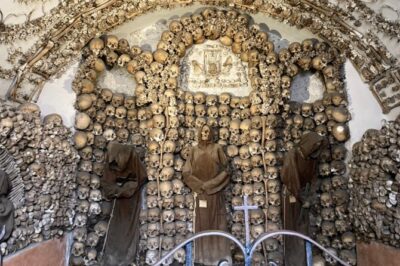
Rome Catacombs & Capuchin Crypts VIP Group Tour with Transfers
Read our review →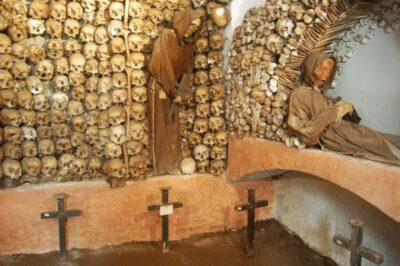
Guided Catacombs Tour & Capuchin Crypt (Audio Guide)
Read our review →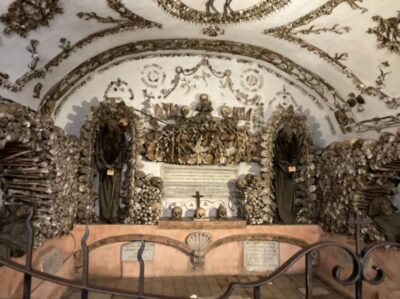
Crypts & Catacombs After Hours Tour with Bone Chapel
Read our review →
Dark Past Walking Tour with Capuchin Crypt Ticket
Read our review →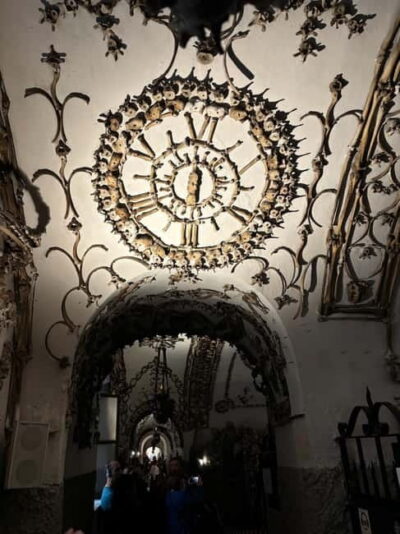
Capuchin Crypt & Rome’s Dark Secrets Small Group Tour
Read our review →Browse the lists this tour appears in