
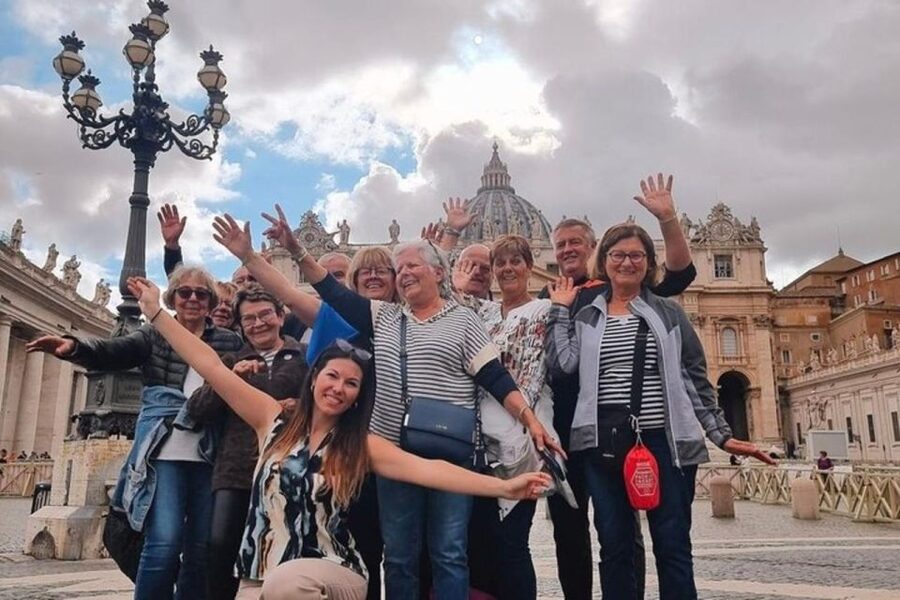
Reviewed · ROME CITY HIGHLIGHTS TOURS
Rome: City Highlights Walking Tour
Rome’s best sights are packed tightly into the old center, and this two-hour walking tour makes a useful first pass through them. You move from Trajan’s Market and ancient Rome to the Pantheon, Trevi Fountain, St. Ignatius, and the fountains of Piazza Navona.
I like the mix of famous sights and less obvious stops, especially the Church of St. Ignatius with its painted ceiling. I also like that the guide can point you toward other things to do after the walk. The main drawback is time: 20 minutes at each listed stop goes quickly, and this is a sightseeing introduction rather than a full visit to every monument.
Key points at a glance
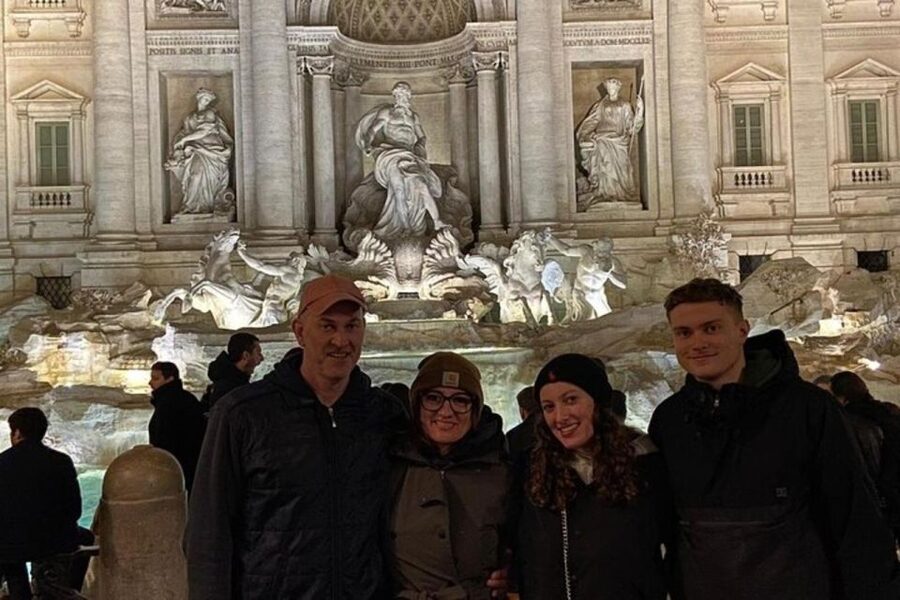
- Trajan’s Market opens the story with ancient commercial Rome, alongside the remains of Trajan’s Forum.
- The Pantheon and Trevi Fountain give you two of central Rome’s essential stops in one compact walk.
- St. Ignatius of Loyola adds a surprise interior, with elaborate painted ceilings that many visitors miss.
- Piazza Navona brings together Baroque fountains, churches, and grand public space, including the Fountain of the Four Rivers.
- You can choose a shared tour or private group, with live guiding in English, Italian, French, or Spanish.
- At $35 per person, the tour is strongest as a first-day orientation, not as a slow, museum-style visit.
Starting near Via d’Aracoeli and Trajan’s Market

The meeting point is on Via d’Aracoeli, near Sim Paganini Tessuti Roma. From here, the walk places you in central Rome, where ancient ruins, churches, palaces, and busy streets sit close together.
Trajan’s Market is one of the most interesting opening subjects. The large complex once formed part of Emperor Trajan’s monumental building program, and the remains of Trajan’s Forum are nearby. The site gives you a useful sense of how Roman public life was organized around monumental squares, shops, and government buildings.
This is not simply a quick glance at a column or a pile of old stones. The market complex helps explain how imperial Rome used architecture to display power and manage daily life. Your guide can connect what you see to the larger Roman Forum area, even though this tour does not present itself as a long archaeological visit.
The meeting point matters. Central Rome has many narrow streets and several nearby monuments, so check the exact location before setting out. The activity information places the guide near the fabric shop, which gives you a fixed landmark rather than a vague instruction to meet at a major square.
More city highlights tours in Rome:
- Rome: Big Bus Hop-on, Hop-off Open-Top Sightseeing Tour
★ 3.5 · 2,580 reviews - Rome in a Day Group Tour with Vatican Museums and Colosseum
★ 4.5 · 2,450 reviews - Rome Highlights by Golf Cart Private Tour
★ 5.0 · 2,379 reviews
The Pantheon and the engineering of the dome
The Pantheon is one of the tour’s major stops, with about 20 minutes set aside for a photo stop, sightseeing, guiding, and walking. You will hear about its ancient origins and its famous dome, which remains one of Rome’s great architectural achievements.
The exterior can look almost plain beside the more decorated Baroque churches nearby. That is part of its appeal. The massive portico and tall columns announce the building before the dome becomes the focus.
If time permits, you may go inside to see the interior. That wording is important. Interior access is not presented as guaranteed, and a two-hour route has to keep moving. If entering the Pantheon matters most to you, ask the guide early in the walk how much time is available.
Inside, the dome is the main event. The opening at its center, the oculus, brings light into the vast space and gives the room a changing quality as the day moves along. The tour does not promise an extended interior explanation, but even a short visit can help you understand why the Pantheon is more than a photo stop.
You should also expect some sightseeing from the street rather than a long seated explanation. Wear shoes suited to walking on Rome’s hard, uneven surfaces, and keep your camera ready. The walk is designed to connect several places, not pause for a detailed architectural lecture at each one.
Tossing a coin at Trevi Fountain
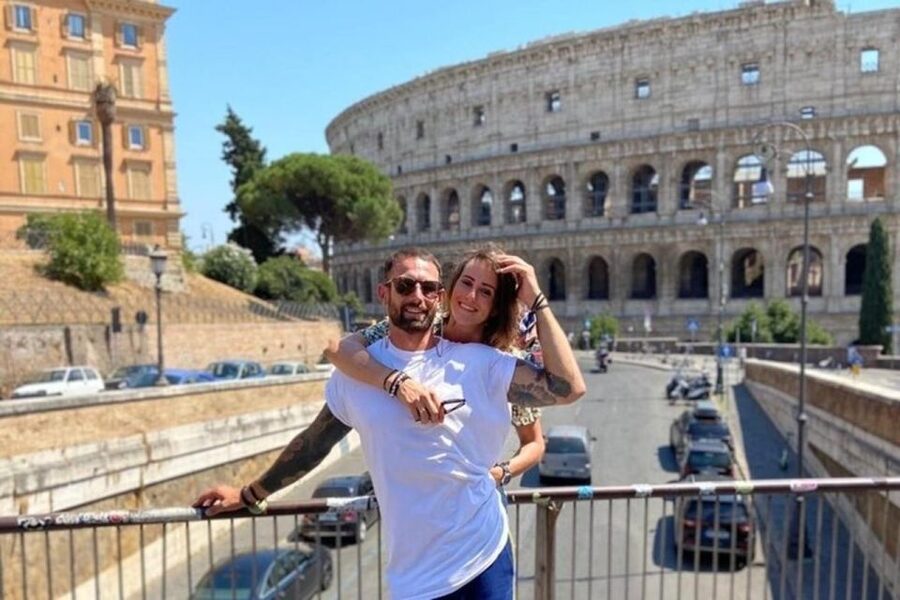
The route includes about 20 minutes at Trevi Fountain. This gives you time to see the fountain, hear the legend behind the coin toss, and take photographs.
Trevi is one of Rome’s most theatrical public spaces. Water pours through a mass of carved figures and rock forms, while the fountain fills a narrow urban setting with movement and sound. The coin tradition gives the stop a simple ritual: toss one coin over your shoulder, and the legend says you will return to Rome.
The tour is a good way to get your bearings here because Trevi can be confusing from the surrounding lanes. You might approach it suddenly, with the fountain appearing at the end of a street. A guide can explain what you are seeing before you move on to the next square.
Still, 20 minutes is not much time for photographs, a coin toss, and a talk. If you want quiet pictures or a slow look at the sculpture, you may need to return on your own. The tour gives you the introduction. It does not allow for a long, relaxed stay.
St. Ignatius and a painted illusion

The Church of St. Ignatius of Loyola is one of the tour’s most welcome surprises. It is included as a guided stop with time for sightseeing, and the painted ceilings are a key reason to visit.
Rome is full of famous churches, but many visitors rush between the Pantheon and Trevi Fountain without stepping inside this one. St. Ignatius offers a different kind of experience from the ancient monuments. Its interior uses painting and architecture to create a grand visual effect, and the ceiling is the detail to watch.
Your guide can help you notice how the artwork changes the apparent height and shape of the church. Without an explanation, it is easy to glance upward, take a picture, and move on. With context, the ceiling becomes a lesson in Baroque design and visual drama.
This stop also gives the walking route a better rhythm. You are not only moving between outdoor monuments. You get a brief change of pace inside a church, away from the streets, before continuing through the historic center.
The tour information does not promise a long interior visit, so keep expectations realistic. The church is an included sight, but the overall tour remains a fast-moving overview. If St. Ignatius interests you most, ask your guide for extra recommendations before the walk ends.
More walking tours in Rome:
- Rome: Trastevere & Campo de Fiori Street Food Walking Tour
★ 4.9 · 2,768 reviews - Rome: Paranormal Night Walking Tour & Secret Backstreets
★ 4.9 · 1,921 reviews - Rome by Night Walking Tour – Legends & Criminal Stories
★ 4.5 · 1,003 reviews - Rome: Guided City Center Evening Sightseeing Walking Tour
★ 4.4 · 953 reviews
Quirinal Palace and the streets of Campo Marzio
The route passes through central neighborhoods including Rione IV Campo Marzio and offers a glimpse of Quirinal Palace. The palace is the official residence of the President of the Italian Republic, giving the walk a link to modern Italian government as well as ancient and papal Rome.
That contrast is one of the tour’s strengths. In a short distance, you can move from imperial ruins to a working national residence, then into a church or piazza shaped by Baroque design. Rome makes these shifts constantly, and a walking tour lets you feel the changes in scale and atmosphere.
The Campo Marzio area also works well on foot. Its lanes connect major sights that can seem separate when you study a city map. You might not stop at every building, but you will see how the streets lead from one major point to the next.
The itinerary allows about 20 minutes for this part of the sightseeing. Think of it as a guided neighborhood passage rather than a separate palace visit. The information provided does not include an interior visit to Quirinal Palace, and you should not expect one.
Sant’Agnese in Agone and Piazza Navona
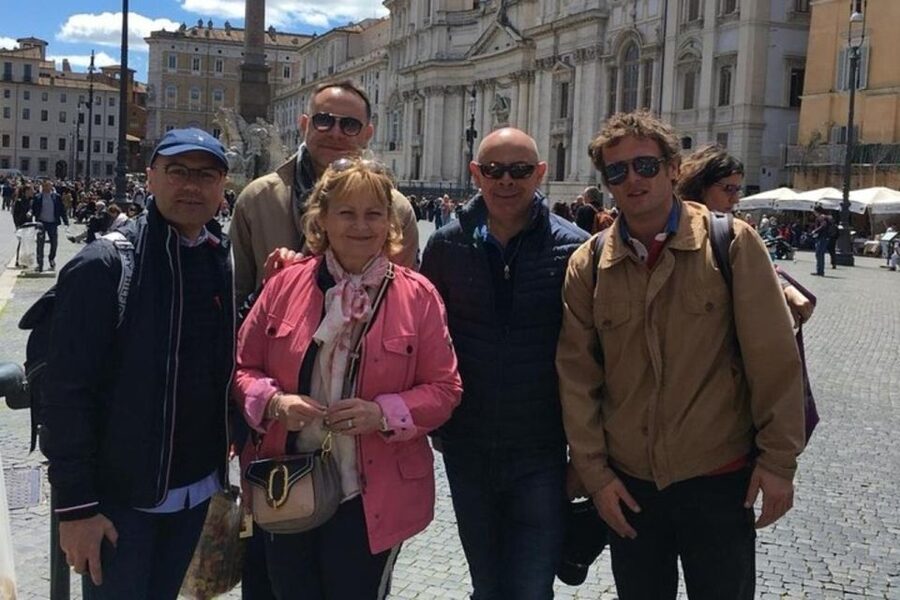
Piazza Navona is the grand closing scene of the route. The square is known for its Baroque fountains and for Sant’Agnese in Agone, the church facing the piazza.
The Fountain of the Four Rivers is the star. Its sculptural figures represent four major rivers, and the fountain anchors the long oval shape of the square. Your guide can explain the design and the stories tied to the fountain while you take in the surrounding churches and facades.
Sant’Agnese in Agone adds another layer to the square. The church and fountain were designed as part of the same grand urban setting, so this is a place where architecture, sculpture, and public space work together. You get a clearer sense of that relationship when you arrive on foot rather than simply being dropped beside the fountain.
Piazza Navona is also a practical place to finish. After the tour, you are close to more central sights, restaurants, and streets leading back toward the Pantheon and Trevi area. The guide can suggest additional things to do, which is particularly useful if this is your first day in Rome.
Like Trevi Fountain, the piazza can be crowded and visually busy. The guide’s explanation helps you focus on the details instead of seeing only a large square full of people. Do not expect long free time at each fountain, though. The two-hour schedule has to cover several major stops.
What the two-hour schedule really means
The listed itinerary gives roughly 20 minutes to each major stop, including walking, photos, and guiding. That makes the tour efficient, but it also means you will not study every site in depth.
I would treat this as a city orientation. You get a connected story of Rome rather than isolated visits to separate monuments. That is valuable on a first day, when you want to understand where the main sights sit and decide which ones deserve a longer return visit.
The route includes walking between stops, and the central streets may be uneven or crowded. The activity is listed as wheelchair accessible, but anyone needing a slower pace should consider the number of stops and the walking involved. A private group may make it easier to discuss your needs with the guide.
The two-hour length also suits a morning or afternoon gap. You do not have to spend half a day on a formal excursion, and you still get an overview of ancient, Renaissance, Baroque, and modern Rome. If your schedule is tight, this is a manageable way to add a guided experience.
Guide languages, group choices, and personal attention
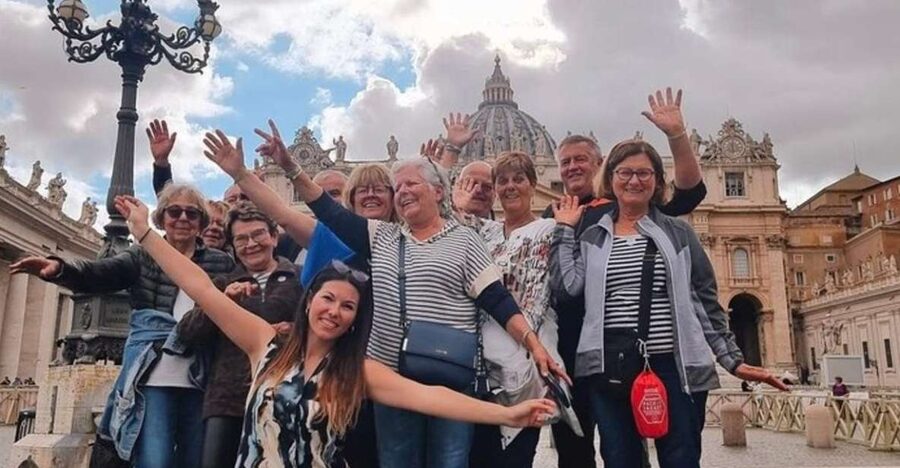
Live guiding is available in English, Italian, French, and Spanish. You can select a shared walking tour or a private group, depending on the option you book.
The private option should appeal to families, couples, and small groups that want to ask more questions or adjust the pace. The shared option keeps the cost at the listed $35 per person and can be a sensible choice if you mainly want a structured route and clear explanations.
Michela and Cristina are among the guides associated with the experience. Cristina has been praised for her passion for Rome’s past and for adapting the walk to the group’s needs, while Michela has received strong personal praise as a guide. Guide assignment can change, so you should not assume one particular person will lead your tour.
The best use of the guide is to ask questions as you walk. Ask for nearby places to visit after the tour, clarification about entering the Pantheon, or a recommendation for a monument you have not yet seen. The experience specifically includes suggestions for other things to do in Rome, so use that local planning help.
Is $35 a fair price?
At $35 per person, the tour offers a fairly priced introduction to central Rome. You are paying for two hours of live guiding across several major sights, not admission to a collection of museums or a long visit inside one monument.
The value is strongest if you are new to Rome and want a clear route. Trajan’s Market, the Pantheon, Trevi Fountain, St. Ignatius, Quirinal Palace, and Piazza Navona would take effort to connect on your own, especially if you want historical context along the way.
The price is less compelling if you prefer to explore slowly and read detailed information at each stop. You may still need to return to the Pantheon, Trevi Fountain, or St. Ignatius on your own. The tour’s purpose is to show you the city’s shape and main stories, not replace individual visits.
Free cancellation up to 24 hours before the start and the reserve-now, pay-later option make it easier to fit into a changing Rome schedule. The tour is also listed as wheelchair accessible, and private groups are available.
Who should book this Rome walking tour?
I would choose this tour for a first visit, a short stay, or a day when you want someone else to handle the route. It suits people who like a mix of famous monuments and less obvious interiors, especially St. Ignatius of Loyola.
It also works well for visitors who want practical advice. A guide who can suggest what to do next may save you time after the walk, particularly when you are trying to choose between Rome’s many churches, piazzas, and ancient sites.
You should look elsewhere if you want a long archaeological explanation, guaranteed Pantheon entry, or extended free time at Trevi Fountain. The schedule is tight, and the walk covers ground.
Should you book it?
Book this tour if you want a compact, guided introduction to central Rome for $35. The mix is unusually useful: Trajan’s Market for ancient Rome, the Pantheon and Trevi Fountain for major landmarks, St. Ignatius for a striking church interior, and Piazza Navona for Baroque Rome.
Choose the private option if you want more control over pace and questions. Choose the shared option if you mainly need orientation and historical context. Either way, plan to return to your favorite stops later, because two hours gives you the outline of Rome, not every detail.
FAQ
How long is the Rome City Highlights Walking Tour?
The tour lasts two hours.
How much does the tour cost?
The listed price is $35 per person.
Where does the tour meet?
Meet the guide on Via d’Aracoeli, 21-23, near Sim Paganini Tessuti Roma.
Which sights are included?
The route includes Trajan’s Market, the Pantheon, Trevi Fountain, Rione IV Campo Marzio, Sant’Agnese in Agone, the Fountain of the Four Rivers, the Church of St. Ignatius of Loyola, Piazza Navona, and views of Quirinal Palace.
Can I enter the Pantheon?
The tour information says that, if time permits, you may go inside the Pantheon. Interior entry is not presented as guaranteed.
What languages are available?
Live guides are available in English, Italian, French, and Spanish.
Is a private group available?
Yes. You can choose a private group or a shared walking tour, depending on the option selected.
Is the tour wheelchair accessible?
Yes, the activity is listed as wheelchair accessible.
Can I cancel for a refund?
Yes. You can cancel up to 24 hours in advance for a full refund.
Newest Rome tours we have reviewed
- Private TikTok Video Making in Rome★ 5.0 · 7 reviews
- Assisi & Saint Francis Path Tour from Rome★ 5.0 · 45 reviews
- Assisi, Orvieto and Civita di Bagnoregio Full Day Tour from Rome★ 4.5 · 45 reviews
- Assisi and Cascia Private Day Tour from Rome with Lunch★ 5.0 · 10 reviews
- Art Class in the center of Rome!★ 4.0 · 4 reviews
- Art & Craft: Beer Tour with Street Art in Rome★ 4.5 · 6 reviews
- Arrival in Rome: Airport Transfer & Exclusive City Introduction★ 5.0 · 3 reviews
- From Rome: Private Day-Tour of Tuscany★ 5.0 · 16 reviews
Rome City Highlights Tours, compared.

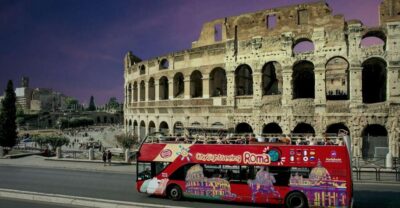
Big Bus Hop-on, Hop-off Open-Top Sightseeing Tour
Read our review →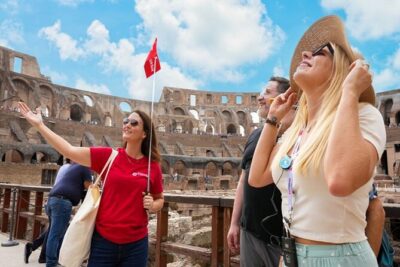
Rome in a Day Group Tour with Vatican Museums and Colosseum
Read our review →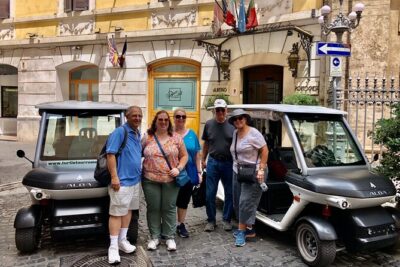
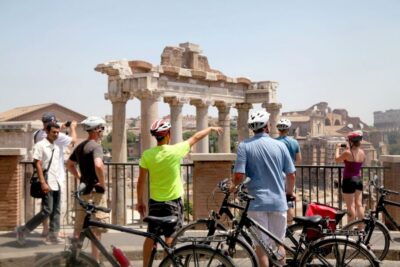
Top Highlights & Hidden Gems Tour by Cannondale E-Bike
Read our review →
Rome Food Tour: Hidden Gems of Trastevere with Dinner & Wine
Read our review →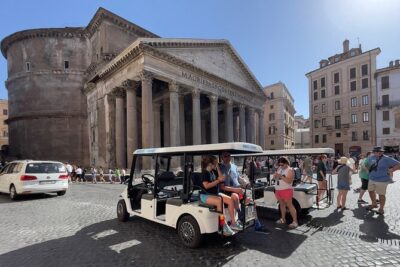
Rome Highlights City Tour by Golf Cart with Gelato
Read our review →
Rome in a Day Tour with Vatican, Colosseum and Historic Center
Read our review →Browse the lists this tour appears in