
Reviewed · ROME CHURCHES AND BASILICAS TOURS
Rome: Holy Churches, Stairs & Basilicas Private Guided Tour
Rome’s most powerful church experience may be spread across the city rather than gathered around one famous square. This private tour links three of Rome’s four major papal basilicas with the Holy Stairs and Santa Croce, giving you a focused look at the city’s religious heart.
I like the clear route from Mary Major to St. John Lateran, Santa Croce, and St. Paul Outside the Walls. I also like the private format, since guides such as Justin can adjust the pace, explain unfamiliar customs, and help you manage Rome’s public transport.
The main drawback is the pace. Four hours covers a lot of ground, with up to 65 minutes of transfers and plenty of walking between grand churches. You must also cover your knees and shoulders, and public transport, taxis, and church donations cost extra.
Key points to know before booking
- Four important religious sites in one morning or afternoon: See Mary Major, St. John Lateran, Scala Sancta, Santa Croce, and St. Paul Outside the Walls.
- A private English-speaking guide: The guide can give you more attention than a large group tour. Justin is specifically praised for his historical explanations, practical help, and flexible approach.
- The route uses public transport: Transfers take about 20, 15, and 30 minutes, with transport tickets not included.
- Sacred objects and traditions are central: Santa Croce holds revered relics, while the Scala Sancta is linked to the Passion of Jesus.
- Modest clothing is essential: Your shoulders and knees must be covered inside the basilicas.
- Best for walkers with a serious interest in church art and history: The route is rewarding but not designed for a slow, low-mobility day.
Why these churches make a useful Rome tour
Rome can leave you with an odd problem: you see the Colosseum, toss a coin at the Trevi Fountain, and visit the Vatican, yet still miss the city’s role as the center of Catholic worship. This tour corrects that gap.
The Papal Basilicas are not minor neighborhood churches. They are major religious destinations with centuries of ceremony, art, architectural change, and pilgrimage behind them. You also get a look at a different side of Rome, one where the important question is not only who built a place, but why people still come to pray there.
The route includes three of the four major papal basilicas. St. Peter’s Basilica is not part of this experience, so you should not book it expecting a Vatican visit. Instead, the tour concentrates on Mary Major, St. John Lateran, and St. Paul Outside the Walls, then adds Santa Croce and the Scala Sancta.
That makes the experience especially useful if you have already seen the Vatican or want a more clearly religious tour. It is also a good choice if you prefer a private guide who can explain the difference between a basilica, a cathedral, a papal church, and a site of pilgrimage without rushing through a large crowd.
More churches and basilicas in Rome:
- Vatican Museums, Sistine Chapel & 4 Papal Basilicas Full Day Tour
★ 4.5 · 1,068 reviews - Vatican: Pope Francis Tomb and Papal Basilicas Tour
★ 4.7 · 340 reviews - Rome: Santa Maria Maggiore Upper Areas Skip-the-Line Ticket
★ 3.8 · 223 reviews
Starting behind Mary Major at Piazza dell’Esquilino
The meeting point is behind the Basilica of Santa Maria Maggiore, near the Egyptian obelisk. Your guide waits there with a sign bearing your name. This is a practical arrangement, but give yourself enough time to identify the correct side of the basilica. Large churches often have several entrances, and Piazza dell’Esquilino can feel less straightforward than its name suggests.
The tour begins on foot inside or around Mary Major. Since the first stop is also the place where you meet, you do not need to find a taxi for the opening visit. If you plan to arrive by taxi, that fare is not included.
The private format matters right away. You can ask for a short explanation of a detail that catches your eye, request a slower look at an altar, or tell the guide if you need a moment before moving on. This is more useful here than on a simple sightseeing walk because religious symbols can be unfamiliar if you did not grow up with Catholic traditions.
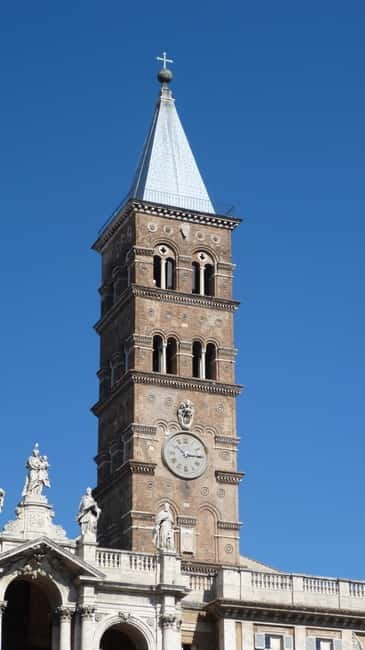
Basilica of Mary Major and the snowfall legend
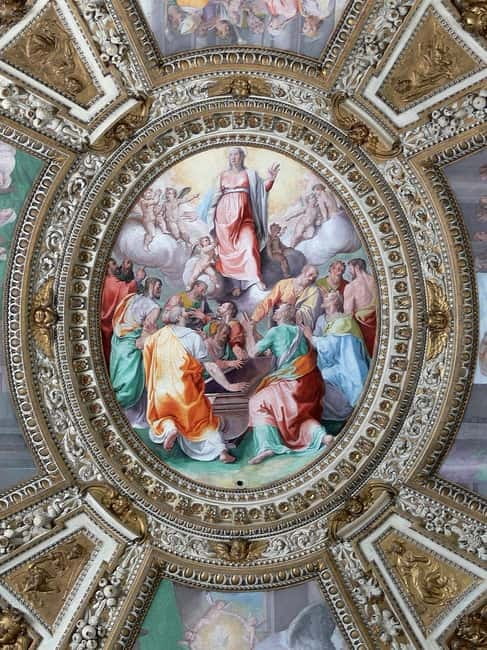
Santa Maria Maggiore is the largest Marian church in Rome. Its identity is tied to the legend of a miraculous snowfall, a story that gives the basilica a memorable starting point rather than leaving you with a long list of names and dates.
Inside, your guide helps connect the church’s design and devotional role to Rome’s wider religious story. You are not simply ticking off another basilica. You are beginning with a church dedicated to Mary, then moving through sites linked to Rome’s cathedral, the Passion of Jesus, sacred relics, and Saint Paul.
Allow yourself to look upward and outward as well as at individual objects. A guide can point out the details that are easy to miss when you enter a vast church and do not know where to focus. Photography without flash is allowed, but you should follow any local instructions given at the entrance.
Mary Major is also a good place to notice the tone of the experience. This is a religious visit, not only an architectural tour. You can appreciate the scale and decoration while remembering that people may be praying nearby. Keep your voice low and treat the space as a working church.
The move to St. John Lateran takes about 20 minutes
The next transfer takes about 20 minutes by public transport, although you can discuss walking between stops with your guide. The cost of public transport is not included, and a car with chauffeur is not part of the tour.
This is one of the points where a private guide earns his or her keep. Rome’s transport system is manageable, but moving between churches is less relaxing when you are trying to read signs, keep a group together, and arrive on time. Justin, one of the named guides associated with this experience, is praised for meeting people at their hotel and helping them use Rome’s public transport. Ask in advance if you hope to have him specifically, since guide assignments can vary.
The transfer also gives you a breather between major interiors. Four hours sounds compact, but it includes three public transport segments, guided visits, and walking. Wear shoes you would happily use for a long city day.
More private tours in Rome:
- Rome by Golf Cart Private Tour: Beyond the Landmarks
★ 5.0 · 4,361 reviews - Early Morning Vatican, Sistine, St. Peter’s Semi or Private Tour
★ 5.0 · 3,779 reviews - Rome on a Golf Cart Semi-Private Tour Max 6 with Private Option
★ 5.0 · 2,502 reviews - Rome Private Arrival Transfer: Fiumicino Airport to Hotel in Rome
★ 4.5 · 2,492 reviews
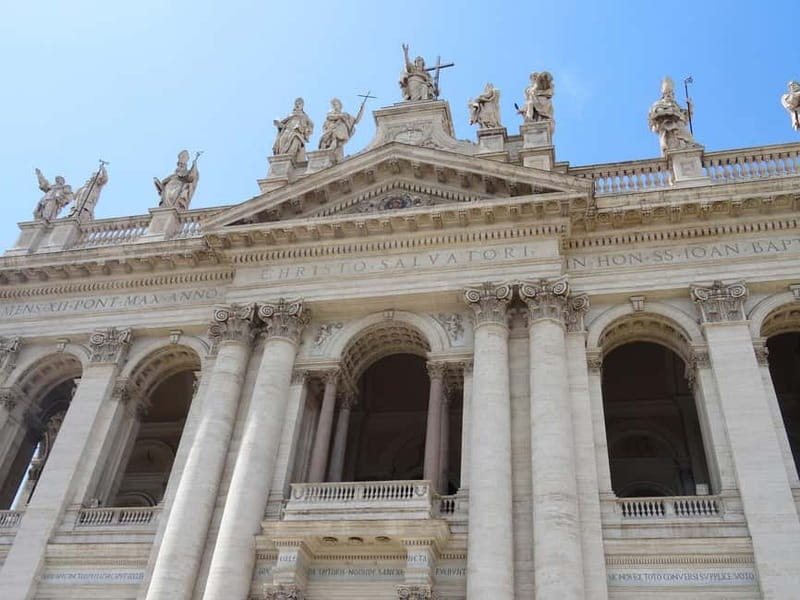
St. John Lateran, Rome’s cathedral
The Basilica of San Giovanni in Laterano is the cathedral of the bishop of Rome, the pope. That fact alone makes it one of the essential stops on the route. Many first-time visitors assume St. Peter’s is the pope’s cathedral, but St. John Lateran holds that official role.
The church’s importance is ecclesiastical as well as visual. Your guide can explain how its position differs from that of the other papal basilicas and why the building matters to the identity of Rome. The experience is stronger when you let the guide supply that context rather than treating the basilica as another large interior.
You will likely find the scale impressive, but the real value here is understanding what you are looking at. St. John Lateran is not included merely because it is ornate. It represents Rome’s cathedral tradition and the institutional side of the city’s religious life.
Take note of the change in mood from Mary Major. The route is designed to show different kinds of sacred importance, not four copies of the same church. Mary Major begins with Marian devotion, while St. John Lateran brings you into the story of the bishop of Rome.
Scala Sancta and the 28 Holy Stairs
Near St. John Lateran, the tour continues to the Scala Sancta, or Holy Stairs. These are 28 white marble steps in a building on property belonging to the Holy See. The stairs are traditionally associated with the Passion of Jesus and are approached as a place of prayer and reverence.
This stop is more intimate than the basilicas. You are visiting a devotional site built around a particular religious tradition, not just admiring a monumental structure. Your guide can explain the meaning of the steps and help you understand why pilgrims consider them important.
You should pay attention to the difference between observing the Scala Sancta as a sight and approaching it as a sacred place. The tour invites you to do the former respectfully, even if you do not share the same beliefs. Keep noise low, follow the rules on site, and do not treat the steps as an ordinary staircase.
The site may require more standing and walking than you expect. Comfortable shoes help, but modest clothing matters just as much. Shorts, short skirts, and sleeveless shirts are not allowed, and knees and shoulders must be covered.
Santa Croce in Gerusalemme and its sacred relics
After another transfer of about 15 minutes, you reach the Basilica of Santa Croce in Gerusalemme, the Church of the Holy Cross of Jerusalem. It is included because of its sacred relics, which draw pilgrims from many places.
This stop adds a different kind of interest to the day. At Mary Major and St. John Lateran, you are taking in major basilicas with broad institutional importance. At Santa Croce, the focus turns more directly to objects connected with Christian devotion and the Passion.
A guide is particularly helpful here because relics can be difficult to understand from a label alone. You may want to ask what tradition surrounds each object, how the site is used, and how the basilica fits into the larger pilgrimage route. The guide can also help you separate the historical setting from the devotional meaning without dismissing either one.
Santa Croce is a good reason to choose this tour instead of visiting only the most famous churches on your own. You see a less obvious stop, and you gain context for why it matters. The tradeoff is that the visit is part of a tight route, so you may not have unlimited time to linger.
The 30-minute ride to St. Paul Outside the Walls
The final public transport transfer takes about 30 minutes. This is the longest move of the day, and it can make the afternoon feel more like a full city outing than a short church visit.
The route ends at the Basilica of Saint Paul Outside the Walls, so plan your later arrangements with that in mind. The supplied meeting information also says the activity ends back at the meeting point, which conflicts with the stated itinerary ending at St. Paul. Confirm the final drop-off arrangement before you go, especially if you have dinner reservations or a train to catch.
This church is farther from central Rome than the first three main stops, and that distance is part of its character. The name itself recalls the basilica’s position outside the ancient city walls. You get a sense of Rome extending beyond the central monuments and tourist routes.
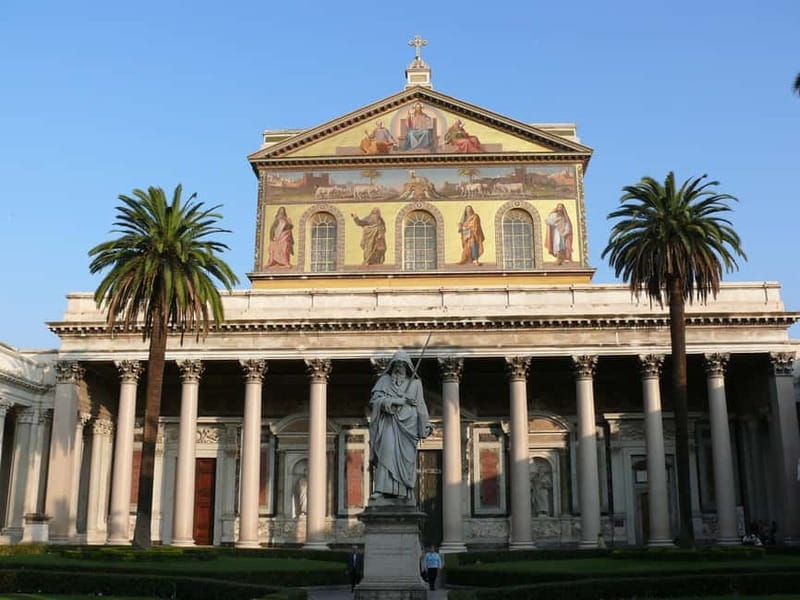
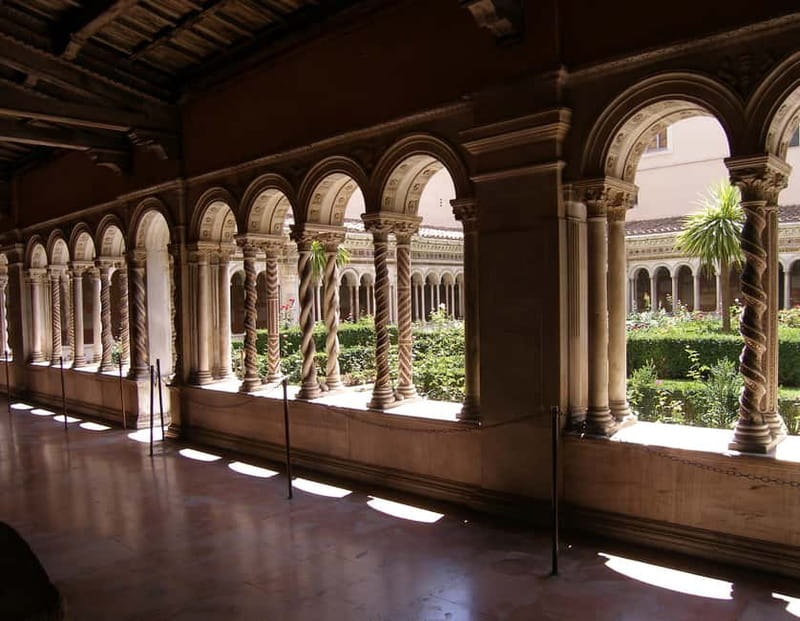
St. Paul Outside the Walls and the final visit
St. Paul Outside the Walls is known for its beauty and reverent atmosphere. The basilica gives the tour a fitting final chapter because Saint Paul is one of the central figures of early Christianity, and the church carries a strong sense of pilgrimage.
Your guide can help you read the building as more than a grand finish. The visit connects the earlier stops: Mary, the cathedral of Rome, the Holy Stairs, relics of the Passion, and now a basilica devoted to Saint Paul.
The final stop may be the one you remember most if you enjoy monumental interiors. It also rewards a guide who can point out key features without overwhelming you with a stream of facts. Justin receives particular praise for explaining important highlights, adding memorable facts, and adapting his approach to the people in his group.
You should not expect a leisurely afternoon at each church. The four-hour schedule has to account for transport and transitions. If you want long periods for independent photography or quiet prayer, a private custom tour with fewer stops may suit you better.
What the private guide adds
The strongest part of this experience is the guide’s role. The churches are impressive on their own, but their religious purpose and historical connections are not always obvious. A good explanation can turn a series of grand rooms into a coherent story.
Justin is the guide name most closely associated with the praise for this experience. He is described as professional, friendly, clear, and flexible. Specific strengths include helping with Rome’s public transport, pointing out highlights, supplying memorable facts, and adjusting explanations so the main historical and religious points are easier to retain.
That flexibility is useful if your group includes people with different levels of interest. You can ask for more history, more architectural detail, or a simpler explanation of Catholic customs. A private group also means you do not have to wait for a large crowd before moving on.
Still, the experience depends heavily on the assigned guide. If having Justin matters to you, request him when booking, but do not assume he is guaranteed. The tour is conducted in English.
Clothing, walking, and practical limits
Treat this as a walking tour with public transport, not a chauffeur-driven church circuit. You will walk inside large basilicas, move between transport stops, and spend much of the four hours on your feet. Anyone with serious mobility concerns should contact the operator before booking so the route can be discussed.
Modest dress is required. Cover your knees and shoulders, and avoid shorts, short skirts, and sleeveless shirts. This is not a minor suggestion that can be fixed at the last minute. You may be refused entry if your clothing does not meet church rules.
Bring comfortable shoes and keep your clothing practical. A light layer can help you meet the dress code without feeling overdressed in Rome’s warmer weather, though the supplied information does not promise any particular temperature or seasonal arrangement.
Flash photography is not allowed. Non-flash photography is permitted inside the basilicas, but you should still watch for local signs and avoid photographing people who are praying.
Is the tour good value?
No price is provided, so I cannot judge it against a specific euro amount. I can judge what you receive: four hours with an English-speaking guide, admission to five religious sites, a private group, and help moving between locations.
That can be good value if you would otherwise pay separate entrance fees, lose time finding each church, and miss the meaning behind the Scala Sancta or Santa Croce. The private format is most valuable for a family or small group that wants to ask questions and keep a shared pace.
The value drops if you want a slow architectural study. Five sites, three transfers, and a four-hour limit create a brisk schedule. You also pay public transport costs, any taxi to the starting point, and optional church donations separately. There is no car or chauffeur included.
Free cancellation up to 24 hours before the start and reserve-now, pay-later booking give you some flexibility. Those policies are useful when your Rome schedule is still changing, but they do not change the walking demands or the need for suitable clothing.
Who should book this Rome church tour?
I would choose this tour if you want a guided introduction to Rome’s major Catholic churches and prefer a private experience over a large group. It suits couples, families, and small groups who want historical explanation but also need a guide to handle the city transfers.
It is particularly useful after a Vatican visit, since it covers different sites and gives you a broader view of Rome’s religious identity. It also works well if the Vatican or Sistine Chapel is unavailable and you need a serious alternative rather than a simple sightseeing walk.
I would hesitate if you have limited mobility, dislike public transport, or want to spend an hour at each basilica. You may also prefer a shorter tour if sacred relics and church history are not central interests.
FAQ
How long does the Holy Churches, Stairs and Basilicas tour last?
The tour lasts four hours. Check availability for the starting times offered on your chosen date.
Where does the tour begin?
It begins at Piazza dell’Esquilino, behind the Basilica of Santa Maria Maggiore near the Egyptian obelisk. The guide waits with a sign showing your name.
Where does the tour end?
The route itinerary ends at the Basilica of Saint Paul Outside the Walls. The meeting information also says the activity ends back at the meeting point, so confirm the final arrangement with the operator before booking transport afterward.
Which basilicas are included?
The tour includes Santa Maria Maggiore, St. John Lateran, and St. Paul Outside the Walls. These are three of Rome’s four major papal basilicas.
Is St. Peter’s Basilica included?
No. St. Peter’s Basilica and the Vatican are not included in this tour.
Is public transport included?
No. Public transport costs are paid separately. Transfers are listed at about 20 minutes, 15 minutes, and 30 minutes, and you can discuss walking between churches with the guide.
Is a private car or chauffeur included?
No. The tour does not include a car or chauffeur. A taxi to the meeting point is also not included.
What should I wear?
You must cover your knees and shoulders inside the basilicas. Shorts, short skirts, and sleeveless shirts are not allowed. Comfortable shoes are recommended because the tour involves extended walking.
Is the tour suitable for people with serious mobility issues?
The tour may not be suitable for people with serious mobility issues because it involves extended walking and public transport. Contact the operator beforehand to discuss the route and possible adjustments.
Should you book it?
Book this tour if you want Rome’s churches explained as places of worship, pilgrimage, and history rather than as grand interiors to photograph quickly. The combination of Mary Major, St. John Lateran, the Scala Sancta, Santa Croce, and St. Paul gives you a meaningful route with more variety than a standard basilica visit.
Go in with realistic expectations: this is a brisk four-hour walking day, not a chauffeured tour with long breaks. If you can manage the pace, dress respectfully, and budget for transport, the private guide format offers strong value, especially if Justin is available to lead your group.
Newest Rome tours we have reviewed
- Private TikTok Video Making in Rome★ 5.0 · 7 reviews
- Assisi & Saint Francis Path Tour from Rome★ 5.0 · 45 reviews
- Assisi, Orvieto and Civita di Bagnoregio Full Day Tour from Rome★ 4.5 · 45 reviews
- Assisi and Cascia Private Day Tour from Rome with Lunch★ 5.0 · 10 reviews
- Art Class in the center of Rome!★ 4.0 · 4 reviews
- Art & Craft: Beer Tour with Street Art in Rome★ 4.5 · 6 reviews
- Arrival in Rome: Airport Transfer & Exclusive City Introduction★ 5.0 · 3 reviews
- From Rome: Private Day-Tour of Tuscany★ 5.0 · 16 reviews
Rome Churches and Basilicas Tours, compared.
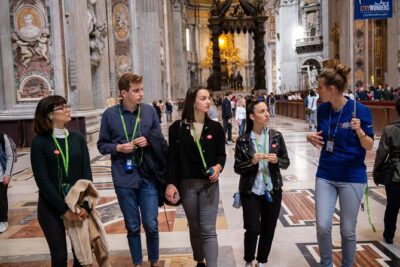
Vatican Museums, Sistine Chapel & 4 Papal Basilicas Full Day Tour
Read our review →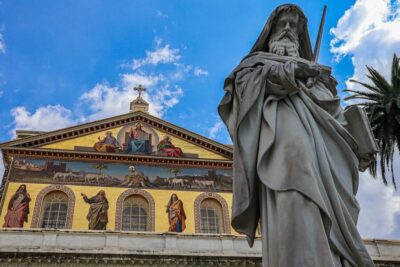
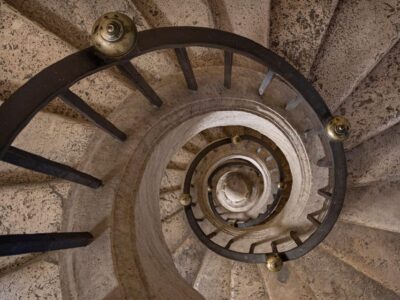
Santa Maria Maggiore Upper Areas Skip-the-Line Ticket
Read our review →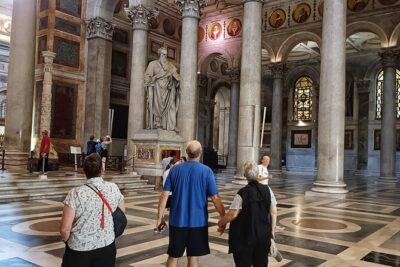
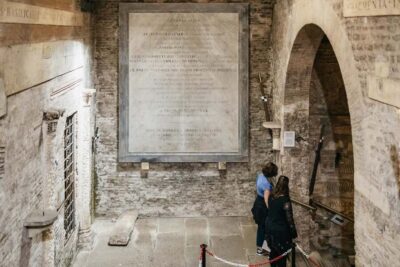
San Clemente Underground and Basilica Guided Tour
Read our review →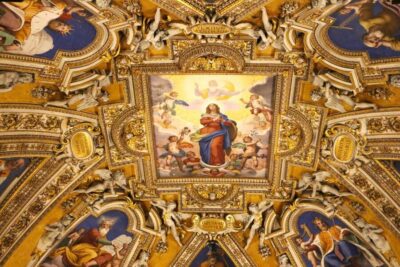
Santa Maria Maggiore and Panoramic Dome Guided Tour
Read our review →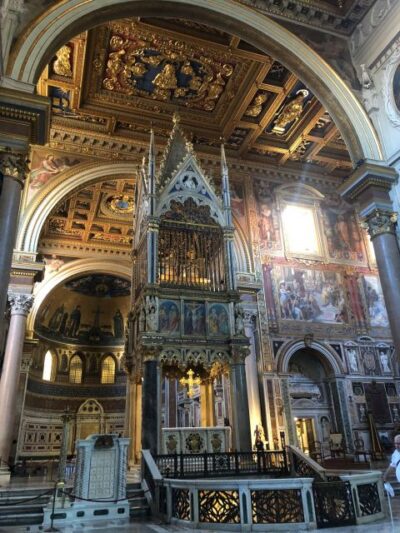
Basilica of St John Lateran & Holy Steps 1-Hour Tour
Read our review →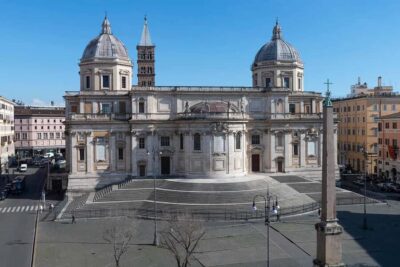
Basilica of St. Mary Major Priority Entrance Ticket
Read our review →Browse the lists this tour appears in