
Reviewed · ROME
Rome: Micromosaic Jewelry Workshop
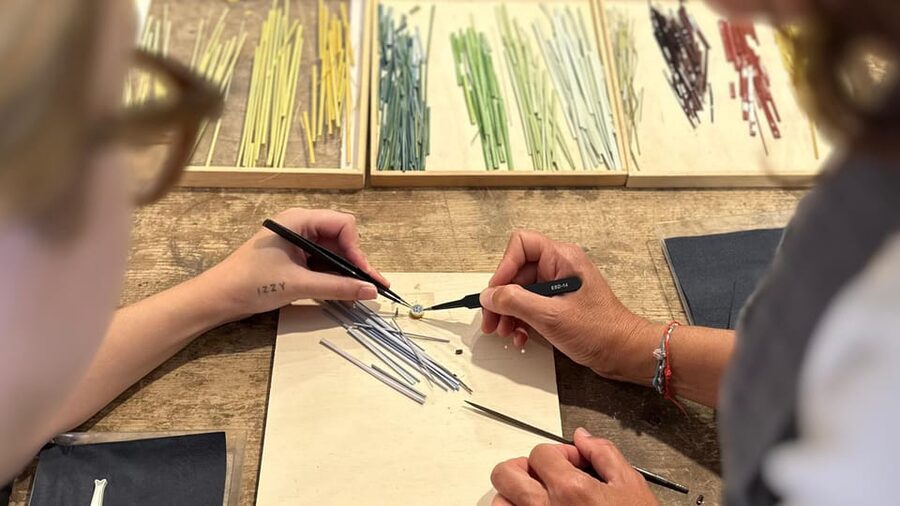
Roman micromosaic turns tiny pieces of colored glass into jewelry that looks almost painted. At Studio Cassio, you learn the old Roman method, cut the glass yourself, and set your design into a silver pendant chosen from several professional frames. I like the hands-on work and the fact that you leave with an actual piece of Rome rather than a shelf souvenir.
I also like the small group, limited to seven, and the patient instruction praised in the feedback. The main caution is that delicate glass cutting and close detail work may not suit children under 12 or anyone hoping for a quick, effortless craft project.
Key points to know before booking
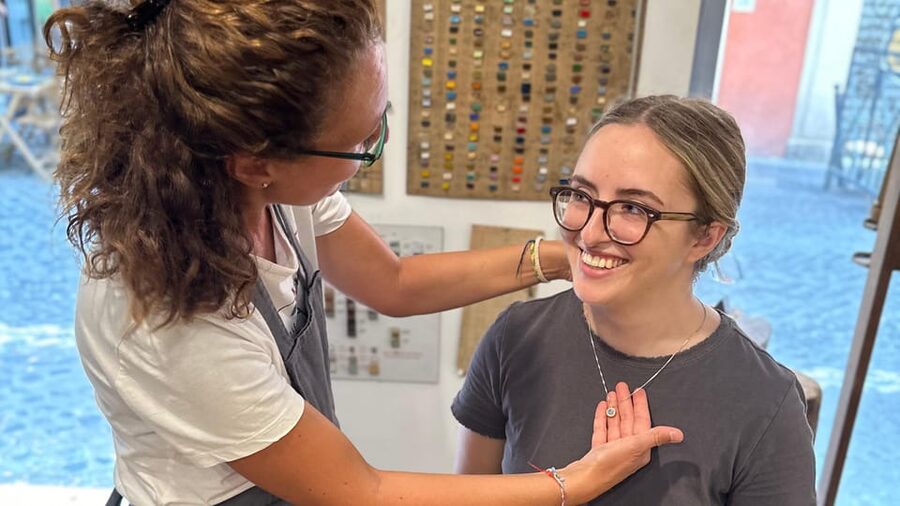
- You make the pendant yourself: Your finished piece uses traditional Roman micromosaic methods and comes in a sturdy jewelry box.
- You choose the silver frame: Select from several pendant shapes designed by professional goldsmiths, with a chain included.
- The class is genuinely small: With no more than seven participants, you can ask for help as you work.
- The studio is easy to reach: It is about two minutes from Cavour Metro Station on Line B and close to the Colosseum.
- The session lasts 2.5 hours: That gives you time for an introduction, practice, design, cutting, and assembly.
- The teaching earns strong praise: The available feedback highlights the instructor’s patience, help, and engagement.
Why Roman micromosaic makes a special souvenir
Rome is full of souvenirs, but many are mass-produced and easy to forget. A micromosaic pendant gives you a different kind of keepsake: a small object shaped by your own choices, mistakes, adjustments, and finished pattern.
Roman micromosaic is made from tiny pieces of colored glass. Instead of painting an image, you build one with carefully arranged tesserae, the small glass elements used in mosaic work. The technique is closely tied to Rome’s long tradition of decorative mosaic art, and the workshop begins with an explanation of how this craft developed and how it is made.
That short introduction matters. Without it, cutting and placing bits of glass could feel like ordinary craft work. With it, you understand why texture, spacing, color, and direction matter. The finished pendant is still your own creation, but it is informed by a historic Roman method.
I especially like the scale of the final object. A pendant is small enough to wear often and practical enough to pack safely. It also avoids the problem of taking home a large decoration that may never fit your home.
More cooking classes in Rome:
- 3 in 1 Cooking Class near Navona: Fettuccine, Ravioli & Tiramisu
★ 5.0 · 7,376 reviews - Rome: Pasta & Tiramisu Class with Fine Wine by the Vatican
★ 4.9 · 4,852 reviews - Rome: Pasta Making Class with Wine, Limoncello, and Dessert
★ 4.9 · 3,177 reviews
Starting near Cavour and the Colosseum
The meeting point is close to the Colosseum, about two minutes from Cavour Metro Station on Line B. That location works well if you are already sightseeing in the Monti area or planning a Colosseum visit on the same day.
You will need to arrange your own transportation to the studio. The activity begins and ends at the same meeting point, so there is no separate drop-off to find afterward. Check the exact starting time when booking, since several session times may be available.
The location is convenient, but do not treat the workshop as a quick stop between major sights. The class takes 2.5 hours, and the careful work deserves your full attention. If you are visiting the Colosseum before the class, allow enough time to finish your sightseeing, get to Cavour, and settle in without rushing.
The nearby metro is useful because Line B connects with important parts of central Rome. Still, the practical value of the location depends on your day’s plan. It is a smart pairing with the Colosseum or Monti, but less convenient if you are staying far outside central Rome and have a tight schedule.
The opening lesson: from Roman technique to your own design
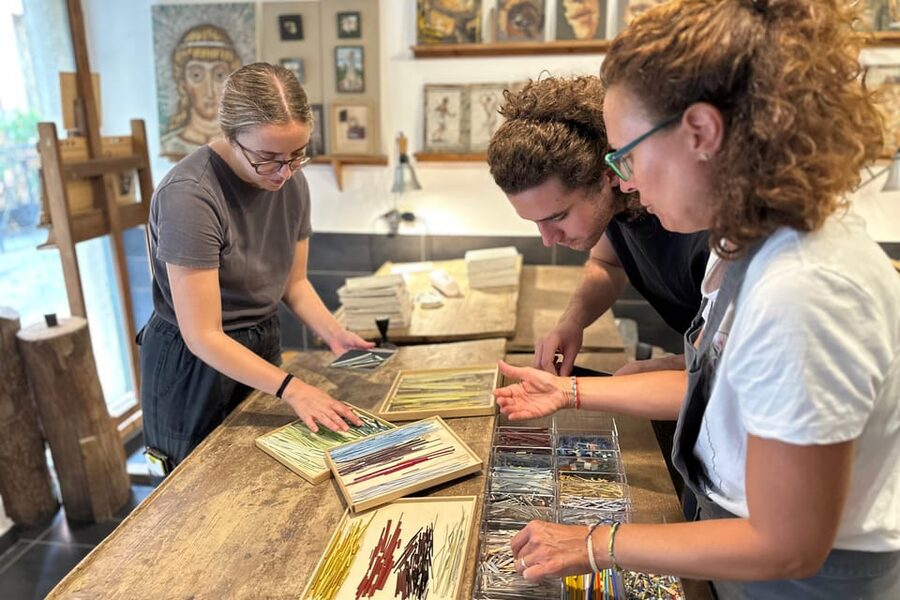
The class starts with an introduction to Roman micromosaic history and technique. You learn how the small glass pieces are cut and arranged, along with the basic ideas behind texture and composition.
This is not just background talk. You need the principles before you begin. A small pendant gives you limited space, so the placement of each glass tile matters. Color, pattern, surface texture, and direction all affect how the finished piece looks.
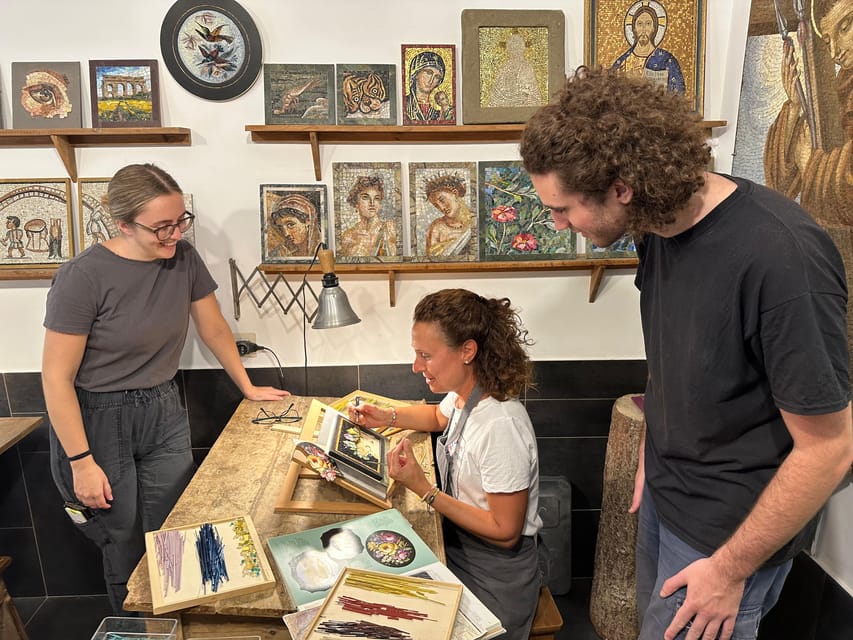
The instructor also explains how to handle the tools and materials. Since the workshop is taught in English or Italian, you can choose the language that works best for you. The available feedback repeatedly points to the instructor’s patience and helpful approach, which is important here. Fine handwork can take a moment to understand, especially when you are working with unfamiliar tools.
You should expect guidance rather than a lecture followed by complete independence. The master mosaicist shares tips and assists as you work toward a finished result. That balance is useful: you make the choices, but you are not left to guess how to fix every problem.
Choosing a silver pendant frame
After the introduction, you select a high-quality silver pendant frame from a range of shapes. These frames were designed by professional goldsmiths for the workshop, and each comes with a chain.
This choice gives the activity a personal starting point. You are not all making exactly the same object. The shape of the frame affects how you think about the pattern, how much space you have, and how the finished pendant will sit on a chain.
The silver setting also adds practical value. Your work is not simply mounted on a temporary craft surface. It becomes a wearable piece of jewelry, presented in a sturdy box for storage.
The information provided does not specify the exact pendant shapes or the range of glass colors available, so you should not book expecting a particular design. The appeal is the chance to choose from the options offered at the studio and then create within that frame.
Same city, a completely different half-day:
- Vatican Museums & Sistine Chapel Tour with Optional Basilica
★ 4.3 · 67,413 reviews - Vatican Museums, Sistine Chapel & St Peter’s Basilica Guided Tour
★ 4.5 · 39,149 reviews - Rome: Colosseum, Palatine Hill and Roman Forum Guided Tour
★ 4.8 · 32,814 reviews - Rome: Guided Tour of Colosseum, Roman Forum & Palatine Hill
★ 4.7 · 27,897 reviews
Cutting glass and building the mosaic
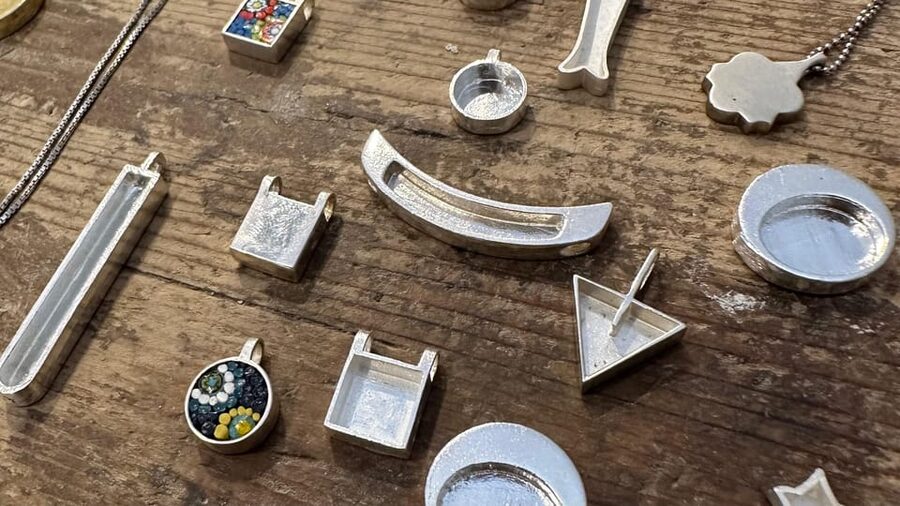
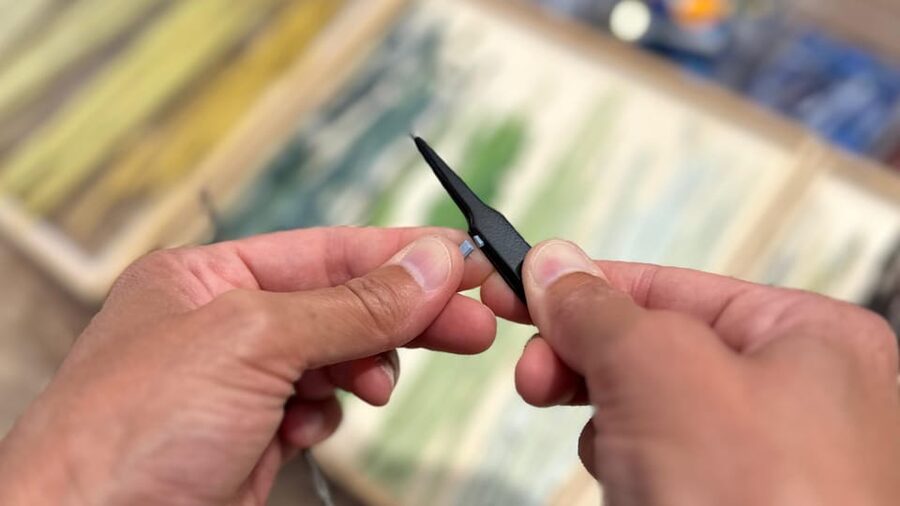
The most hands-on part of the session is learning to cut the small glass tiles and use them in your design. This is where the workshop becomes more than a souvenir-making stop.
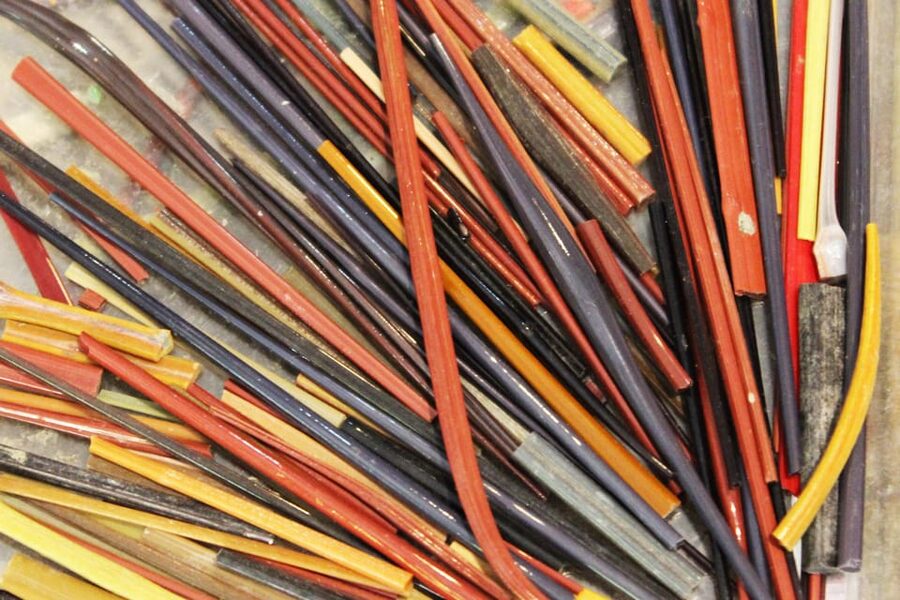
You practice the basics of cutting, texture, and composition. Those skills sound simple on paper, but they require control. Tiny pieces need to work together as a pattern, and the space inside a pendant leaves little room for random placement.
The master mosaicist provides tips and help as you go. That support is one of the strongest reasons to book this rather than attempt a similar project alone. You get access to premium materials and proper tools, plus direct assistance when a cut or arrangement does not work as planned.
I would approach the design with a simple idea rather than an ambitious picture. A compact pattern can look more successful than a complicated scene squeezed into a very small frame. The workshop lets you practice the craft, but the best result may come from keeping your composition clear.
This work also rewards patience. The available feedback praises the instructor’s engagement and patience, and those qualities matter because you may need time to understand the technique. Do not expect every glass tile to land perfectly on the first try. The point is to learn how the pieces behave and improve your arrangement as you work.
What the finished pendant includes
At the end, you take home your finished micromosaic pendant, set in the silver frame you selected. A chain is included, so the result is ready to wear rather than requiring another jewelry purchase.
You also receive a sturdy jewelry box. That is a small but useful touch, especially because micromosaic jewelry deserves protection from being tossed loose into a suitcase or drawer.
The finished piece will reflect your level of experience. It may not look like a museum object, and the workshop does not promise professional jewelry-making results. Its value comes from the combination of traditional technique, your own design decisions, and the memory attached to making it in Rome.
Bottled water, coffee, and tea are included. These are modest extras, but a drink can make a long period of close handwork more comfortable.
Is $134.81 a fair price?
At $134.81 per person, this is not a cheap craft class. You are paying for 2.5 hours of instruction, a small group, a silver pendant frame, a chain, glass materials, tools, the finished jewelry, and its box.
The price makes more sense if you value the jewelry itself and want direct instruction from a practicing mosaicist. Buying a ready-made pendant may cost less, and a general art class may offer more time for the money. But neither gives you the same personal link to the finished piece.
The small group improves the value. With a maximum of seven participants, the instructor has a better chance of helping you with cutting, layout, and design. That is especially important for beginners, since the quality of the teaching affects how much you get from the session.
I would consider the price worthwhile for someone who wants an activity, not just an object. You spend part of the time learning how Roman micromosaic works, then use that method to make something you can keep. If your main goal is simply to buy an inexpensive souvenir, this will feel costly.
The reserve-now-and-pay-later option can help if your Rome schedule is still changing. Free cancellation is available up to 24 hours before the activity for a full refund, giving you some flexibility when planning a busy sightseeing day.
Who will enjoy this workshop most?
This experience suits adults and children aged 12 and older who like making things with their hands. You do not need to arrive as an artist, but you should be willing to work slowly and follow detailed instructions.
It is a good choice for:
- Someone who wants a personal Rome souvenir
- Couples or friends looking for a shared creative activity
- Jewelry lovers interested in how a piece is constructed
- Art and craft fans who enjoy traditional techniques
- Visitors who want a break from museums and major monuments
- Anyone who values a small class and direct help
The session may be less suitable if you dislike fine detail, have very little time in central Rome, or want a fully finished product without doing the work. Children under 12 are not permitted, so families with younger children will need another activity.
It also works well for repeat visitors. If you have already seen the Colosseum, Roman Forum, and major churches, a craft session can show you another side of the city. You are not only looking at Roman art. You are learning one method used to create it.
How the reviews shape my expectations
The available feedback is short but consistently positive. The clearest themes are patience, helpful instruction, engagement, and the sense that the experience is unusual rather than routine.
That matches the structure of the class. Micromosaic work can be intimidating at first because the pieces are so small and the composition is so compact. An instructor who stays patient and involved can make the difference between feeling stuck and finishing with something you are happy to wear.
The feedback also describes the activity as one of a kind. I would interpret that carefully. It does not mean every person produces a museum-quality pendant. It means the combination of Roman technique, hands-on glass work, a professional silver frame, and a personal finished piece is not an everyday sightseeing experience.
Since the group is limited to seven, the teaching style is likely to feel more personal than a large demonstration. Still, instruction is offered in English and Italian only, so make sure one of those languages is comfortable for you.
Practical planning for your Rome day
Book enough space around the workshop. The class lasts 2.5 hours, and the activity ends back at the starting point. You should not plan a tightly timed transfer immediately afterward, especially if you want to browse, ask questions, or finish your pendant without pressure.
The workshop is near Cavour Metro Station on Line B, which makes public transportation the main practical option mentioned for reaching it. Transportation is not included, so you cover your own metro or other travel costs.
Wear something that lets you work comfortably at a table. The supplied information does not give a dress code or describe the studio setup, so I would simply choose practical clothing and avoid bringing a packed schedule of errands into the session.
The class includes bottled water, coffee, and tea. These are welcome during a focused activity, but you should not treat them as a meal. Plan food before or after if the workshop falls near lunchtime.
Most important, leave room for concentration. A pendant may be small, but the work is not rushed in spirit. The more care you put into selecting colors, cutting glass, and arranging the pieces, the more personal the result will feel.
Should you book the micromosaic workshop?
Book it if you want to learn a traditional Roman craft and take home jewelry that you helped make. The small group, patient guidance, professional silver setting, and central location give the experience a strong mix of personal attention and practical value.
Skip it if you want a low-cost souvenir, a fast activity, or a class suited to children under 12. At $134.81, the price requires you to care about the process as much as the pendant.
For the right person, this is a thoughtful change of pace from Rome’s headline sights. You spend 2.5 hours making a small object with real connection to Roman artistic tradition, then carry that memory home in a form you can actually wear.
FAQ
Where does the micromosaic workshop take place?
The workshop takes place at Studio Cassio in Rome, close to the Colosseum and about two minutes from Cavour Metro Station on Line B.
How long does the activity last?
The workshop lasts 2.5 hours. Starting times vary, so check availability when booking.
What languages are spoken during the workshop?
Instruction is available in English and Italian.
How many people can join the workshop?
The group is limited to seven participants.
What will I make?
You will make your own micromosaic pendant using traditional Roman techniques and set it in a silver pendant frame.
Is a chain included?
Yes. Your choice of silver pendant frame comes with a chain.
What else is included?
The workshop includes an introduction to Roman micromosaic history and technique, premium materials and tools, your finished pendant, a sturdy jewelry box, and bottled water, coffee, and tea.
Is transportation included?
No. You are responsible for getting to and from the workshop. The activity ends at the meeting point.
Can children join the workshop?
Children under 12 are not permitted to participate.
Can I cancel the booking?
Yes. You can cancel up to 24 hours in advance for a full refund. A reserve-now-and-pay-later option is also available.
Newest Rome tours we have reviewed
- Private TikTok Video Making in Rome★ 5.0 · 7 reviews
- Assisi, Orvieto and Civita di Bagnoregio Full Day Tour from Rome★ 4.5 · 45 reviews
- Assisi & Saint Francis Path Tour from Rome★ 5.0 · 45 reviews
- Assisi and Cascia Private Day Tour from Rome with Lunch★ 5.0 · 10 reviews
- Art Class in the center of Rome!★ 4.0 · 4 reviews
- Art & Craft: Beer Tour with Street Art in Rome★ 4.5 · 6 reviews
- Arrival in Rome: Airport Transfer & Exclusive City Introduction★ 5.0 · 3 reviews
- From Rome: Private Day-Tour of Tuscany★ 5.0 · 16 reviews