
Reviewed · STREET ART
Rome: Ostiense Graffiti and Modern Street Art Walking Tour
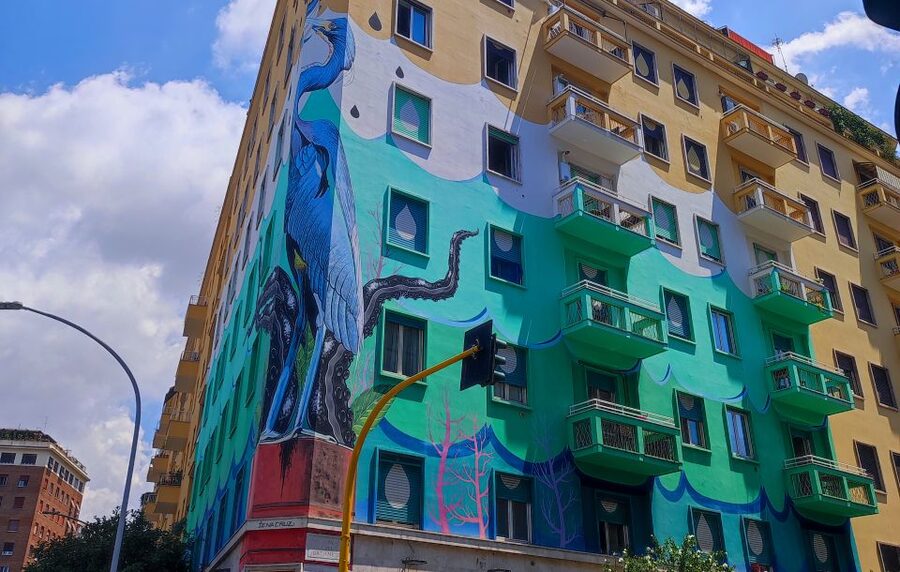
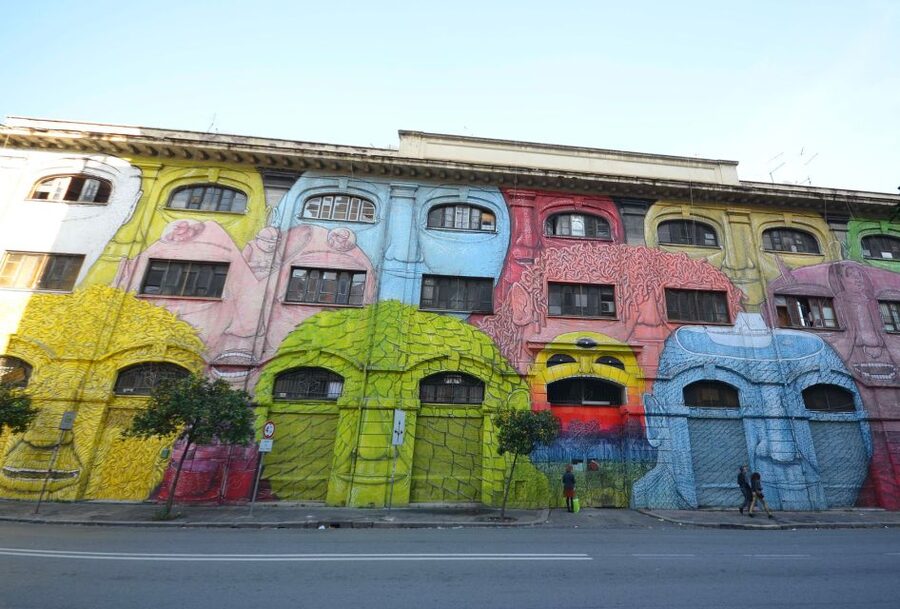
Ostiense is where ancient Rome meets modern street art. You begin beside the 2,000-year-old Pyramid of Cestius, then follow Via Ostiense into a former industrial quarter now filled with murals, graffiti, posters, bars, and restaurants. The huge 1930s gasometer gives the walk a strong visual landmark and helps explain the area’s working-class past.
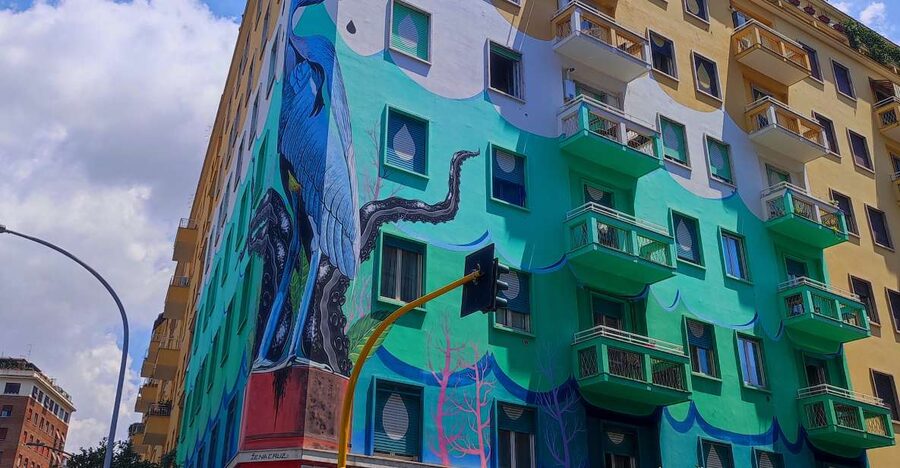
I like the clear contrast between the white marble pyramid and the rough, colorful walls nearby. I also like the small group of no more than 10 people, which should make it easier to ask questions and pause for photographs. The main caution is value: at $94 per person, this is expensive for a two-hour walk, especially since one recent participant received only about 90 minutes and found the pace too fast.
Key points to know before you book
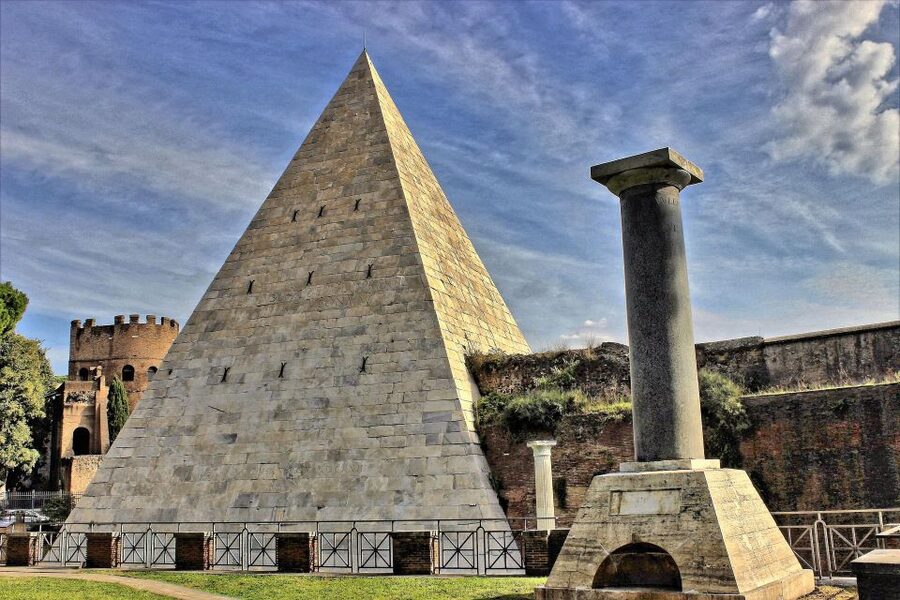
- The Pyramid of Cestius begins the story: This striking 36-meter funerary monument gives the tour an unusual start.
- Ostiense is Rome away from the postcard center: Expect old factories, working-class traces, posters, stickers, and large-scale street art.
- The 1930s gasometer is the area’s signature sight: Its industrial form adds context to the neighborhood’s changing identity.
- The group is limited to 10 people: That is a useful size for a walking tour focused on visual details.
- Guide quality can shape the experience: Juan earned particular praise for his passion, while one recent participant found the guide too fast and brief.
- Wear proper walking shoes and pack light: Large bags and luggage are not allowed, and the route is not suitable for wheelchair users or people with mobility impairments.
From an ancient pyramid into modern Ostiense
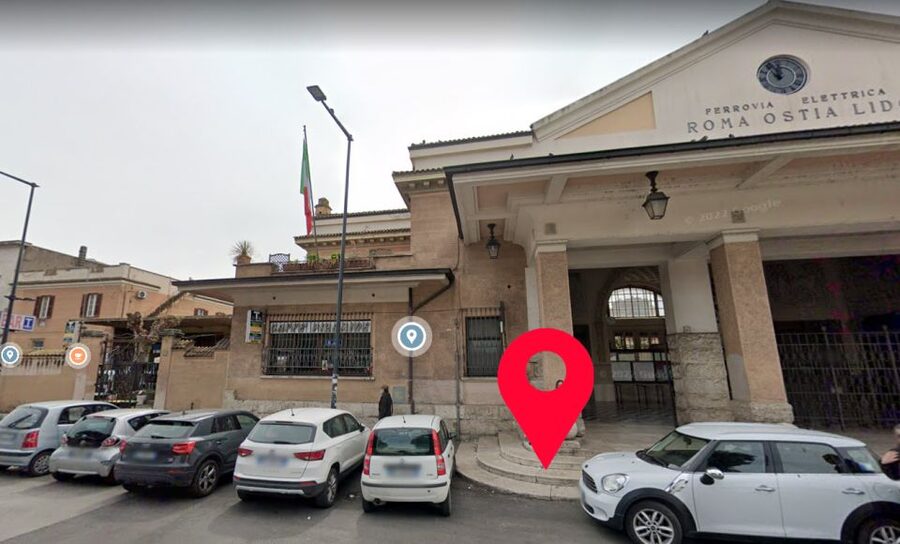
The meeting point is in front of Roma Ostia Lido Station, outside the Piramide metro stop. This is a practical place to begin because the station puts you beside one of Rome’s strangest ancient monuments.
The Pyramid of Cestius was built as the tomb of Gaius Cestius, a Roman official, and later covered in white marble. At 36 meters high, it has the sharp profile of an Egyptian pyramid, not the familiar shape of a Roman temple or arch. You get this historic sight before the walk turns toward street art, which gives the outing its main visual tension.
I like that the tour does not treat Ostiense as just a collection of murals. The pyramid provides a starting point for understanding how old and new Rome overlap. You are not only looking at painted walls. You are watching a neighborhood change around ancient roads, railway infrastructure, former factories, and newer creative uses.
The meeting location can be easy to misunderstand, so check the photo and look for the station area rather than assuming you are meeting at a hotel or a landmark deeper inside the district. Hotel pickup is not offered, so you need to make your own way to Piramide.
More street art walks in Rome:
- Rome street art tour: off the beaten path with a local guide
★ 5.0 · 30 reviews - Art & Craft: Beer Tour with Street Art in Rome
★ 4.5 · 6 reviews - Art & Craft: Beer Tour with Street Art in Rome
★ 4.0 · 4 reviews
Walking Via Ostiense, Rome’s old road toward the port
From Piramide, the group follows Via Ostiense. This road once led from Rome toward Ostia, the ancient port on the coast. That route gives the walk more meaning than a simple hunt for painted walls: Ostiense developed around movement, trade, industry, and transport.
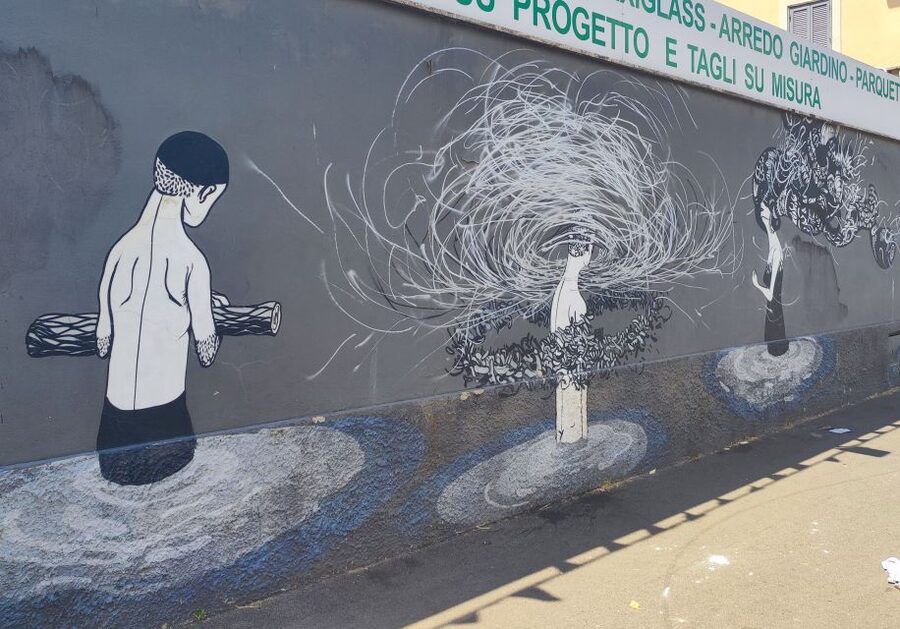
Today, the street presents a mix of ordinary city life and visual interruptions. You might find graffiti, stickers, and wheatpaste posters appearing on walls and around older buildings. Some pieces may be large and carefully planned, while others are quick additions that can change or disappear over time.
That temporary quality is part of the appeal. Street art is not a museum collection with labels and fixed viewing times. It changes with weather, construction, repainting, and new artists. If you enjoy seeing how public art interacts with a working neighborhood, this walk gives you a useful look at that process.
The limitation is that the experience depends heavily on the guide’s pace and commentary. One recent participant said the guide walked quickly and did not leave enough time to study the art or take photographs. If you need time to frame pictures, read walls closely, or ask questions, say so early in the walk. A small group helps, but it does not automatically guarantee a slow pace.
The gasometer and Ostiense’s industrial identity
The great cylindrical gasometer is the visual anchor of Ostiense. Dating from the 1930s, it can be seen from much of Rome and has become a symbol of the district’s industrial roots.
For me, this is one of the most useful parts of the tour because it explains why the art is here. Ostiense was once a center of industrial activity, not a polished sightseeing quarter. Factories and other buildings from the turn of the 20th century have since become apartments, bars, and restaurants, while the old industrial forms remain part of the view.
The gasometer also helps you read the neighborhood at a larger scale. Graffiti on a wall can be interesting on its own, but the setting changes how you see it. A colorful work beside old industrial structures feels different from a mural on a purpose-built art wall. The mix gives Ostiense its particular character.
Do not expect a guided visit inside the gasometer. The supplied details describe it as a major sight in the area and an emblem of the district, not as an attraction you enter. The value comes from seeing it in context while walking through the streets.
How much street art will you actually see?
The tour promises modern street art and graffiti, along with stickers and wheatpaste posters. That range matters. You are not limited to large murals that are easy to photograph. You may also notice smaller pieces and layers of public expression that reward careful attention.
The exact works on view can change. That is normal for an open-air street-art walk, but it also means you should avoid booking this as a guaranteed checklist of famous murals. The focus is the area’s colors, textures, and artistic activity, not a fixed gallery of permanent works.
The outing is conducted in English by a live guide. One guide named Juan received especially warm praise for his passion for street art and for making that enthusiasm clear. That kind of guide can add real value by explaining why an artist chose a wall, how a neighborhood affects the work, or how public art differs from a formal gallery visit.
Still, the quality may vary by guide and by day. The overall rating provided for the experience is 3.1 out of 5 from seven reviews, which is a mixed result rather than a strong endorsement. I would book this for the setting and subject first, not solely on the expectation of a polished lecture.
More walking tours in Rome:
- Rome: Trastevere & Campo de Fiori Street Food Walking Tour
★ 4.9 · 2,768 reviews - Rome: Paranormal Night Walking Tour & Secret Backstreets
★ 4.9 · 1,921 reviews - Rome by Night Walking Tour – Legends & Criminal Stories
★ 4.5 · 1,003 reviews - Rome: Guided City Center Evening Sightseeing Walking Tour
★ 4.4 · 953 reviews
Two hours, a small group, and the question of value
The advertised duration is two hours, and the group is limited to 10 participants. That is a good format for a street-art walk. You avoid the feel of a large city tour, and the guide can potentially point out details that would be easy to miss from the back of a crowd.
Headsets are supplied if the group is larger than 10, though the stated maximum is 10 participants. Fees, taxes, and the walking tour are included. Food, drinks, and transportation to and from your hotel are not.
The price is $94 per person. That is a premium rate for a short walking tour, so the value depends on what you want from it. If you care about the guide’s interpretation, want a focused introduction to Ostiense, and prefer a small group, the cost may feel reasonable. If you mainly want to see public murals and take photos, you could find the price hard to justify.
Timing is the biggest concern. One participant in May 2025 reported that the walk lasted about 1.5 hours rather than the advertised 2.5 hours, with limited information and too little time for photographs. The official duration provided here is two hours, but that report still suggests you should confirm the starting details and keep your expectations realistic.
A two-hour walk can be enough for a solid introduction, but it is not a full exploration of Ostiense. Think of it as a guided orientation. You will get a sense of the district and its art, then decide if you want to return independently for a slower look.
Who will get the most from this walk?
I would recommend this experience to you if you have already seen Rome’s major ancient sights and want something less conventional. It suits visitors who enjoy urban change, public art, industrial structures, and neighborhoods that do not feel designed only for sightseeing.
It is also a good match for photographers who can work at a quick pace and do not need every stop to be long. The contrast between the pyramid, old industry, and painted walls offers plenty of visual variety.
You may want to skip it if you need a slow, highly detailed art lecture or if $94 feels too high for two hours. It is also not suitable for wheelchair users or people with mobility impairments. Comfortable shoes are essential, and large bags or luggage are not allowed.
The walk is conducted in English, so you should be comfortable following spoken explanations while walking through city streets. Since food and drinks are not included, plan those separately before or after the tour.
Practical tips for a better Ostiense experience
Arrive ready to walk from the station area. Do not bring a suitcase or large bag, since luggage and large bags are not allowed. Keep your camera or phone easy to reach, but remember that the pace may not allow long pauses at every piece.
I would also ask at the start how much time the guide plans to give for photographs. This is especially useful if you are interested in documenting murals rather than simply seeing them. A short, polite request may help the guide understand that you need a moment to look closely.
Keep an eye on the guide as the group moves along Via Ostiense. One recent participant found the pace too quick, and city streets can make it easy to fall behind while looking at a wall. The small group should help, but staying near the guide is still wise.
If you have flexibility, book with the free cancellation option in mind. You can cancel up to 24 hours in advance for a full refund, and the reserve-now, pay-later option lets you keep your plans open without paying at the time of booking.
Should you book the Ostiense street-art tour?
Book it if you want a compact introduction to a less touristy side of Rome, especially the link between the Pyramid of Cestius, old industry, and modern street art. Guide Juan’s enthusiasm suggests that the right guide can make the walk much more engaging.
I would not book it blindly at $94. The price is high, the rating is mixed, and one recent account raises concerns about a short route and a fast pace. Choose this tour for its subject and neighborhood setting, not because it promises a long list of famous works.
If you are happy with a brisk orientation and value a group capped at 10, it can be a worthwhile addition to a Rome visit. If you want time to photograph every mural or expect a full two-hour art seminar, save your money and explore Ostiense at your own pace.
FAQ
Where does the Ostiense street-art tour meet?
The meeting point is in front of the Roma Ostia Lido Station, outside the Piramide metro stop.
How long is the tour?
The stated duration is two hours.
What language is the tour conducted in?
The live tour guide speaks English.
How large is the group?
The tour is limited to 10 participants.
What sights are included in the walk?
The route includes the Pyramid of Cestius, Via Ostiense, modern graffiti, street art, stickers, wheatpaste posters, and views of the industrial gasometer.
Are headsets provided?
Headsets are included if the group is bigger than 10 people.
Is hotel pickup included?
No. Hotel pickup and drop-off are not included.
What should I bring?
Bring comfortable shoes. Luggage and large bags are not allowed.
Is the tour suitable for wheelchair users?
No. The experience is not suitable for wheelchair users or people with mobility impairments.
Newest Rome tours we have reviewed
- Private TikTok Video Making in Rome★ 5.0 · 7 reviews
- Assisi & Saint Francis Path Tour from Rome★ 5.0 · 45 reviews
- Assisi, Orvieto and Civita di Bagnoregio Full Day Tour from Rome★ 4.5 · 45 reviews
- Assisi and Cascia Private Day Tour from Rome with Lunch★ 5.0 · 10 reviews
- Art Class in the center of Rome!★ 4.0 · 4 reviews
- Art & Craft: Beer Tour with Street Art in Rome★ 4.5 · 6 reviews
- Arrival in Rome: Airport Transfer & Exclusive City Introduction★ 5.0 · 3 reviews
- From Rome: Private Day-Tour of Tuscany★ 5.0 · 16 reviews
Street Art, compared.
Rome street art tour: off the beaten path with a local guide
Read our review →
Browse the lists this tour appears in