Reviewed · STREET ART
Rome street art tour: off the beaten path with a local guide
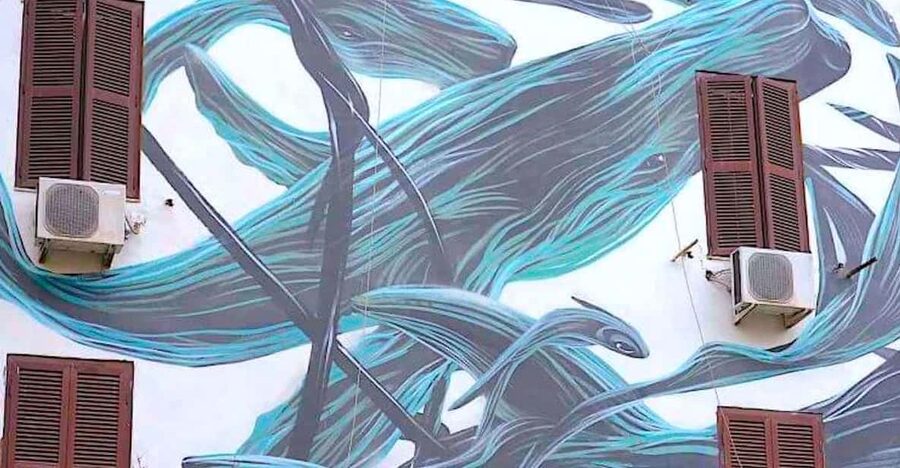
Rome’s street art scene gives you a fine reason to leave the Colosseum crowds behind. On this 4-kilometer walk, local guide Lisa leads you through Garbatella and Tor Marancia, two neighborhoods most first-time visitors skip, with about 30 murals along the way.
I like the tour for two clear reasons: it pairs public art with local history, and it uses the easy-to-reach Garbatella Metro station as both start and finish. I also like the chance to stop for gelato at a well-regarded local shop. The main consideration is the walking: comfortable shoes are required, and summer heat can make the route feel longer than its 2.5-hour schedule.
Key points at a glance
- Garbatella’s unusual architecture: Walk through a neighborhood shaped by early 20th-century architects, with a character unlike other parts of Rome.
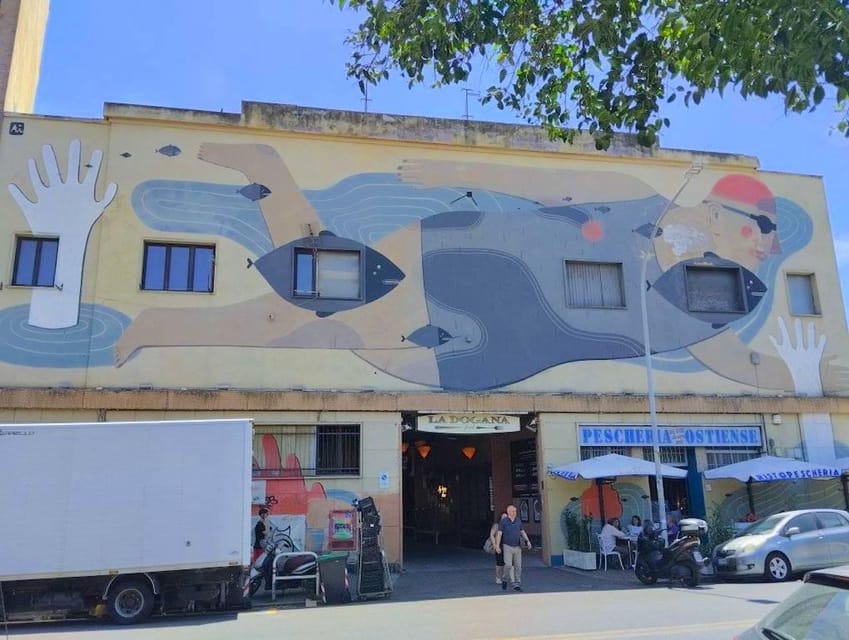
- About 30 murals: The art is not a quick backdrop. Lisa explains the works, their creators, and their connection to each area.
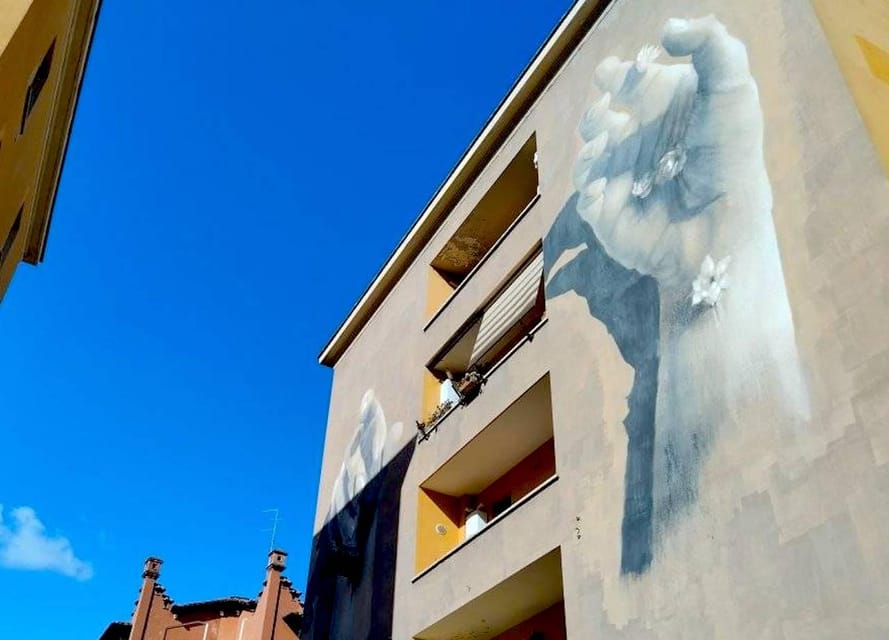
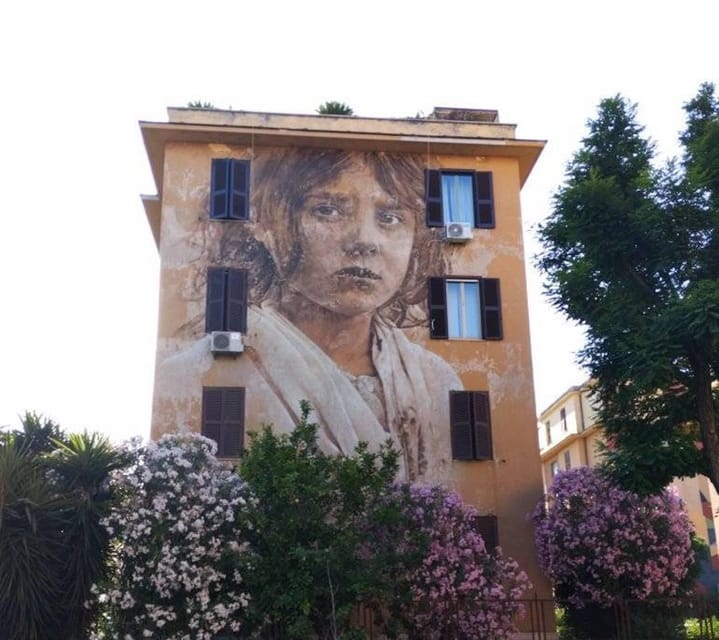
- Tor Marancia’s open-air art museum: This neighborhood provides the tour’s biggest concentration of contemporary public art.
- A 4-kilometer urban walk: You move between two districts on foot, then return to Garbatella Metro station.
- A guide who knows Rome personally: Lisa was born and raised in Rome and leads the tour in English.
- Good practical setup: The tour starts and ends at Metro Garbatella, with free water refills available during the walk.
Why Rome’s street art deserves two and a half hours
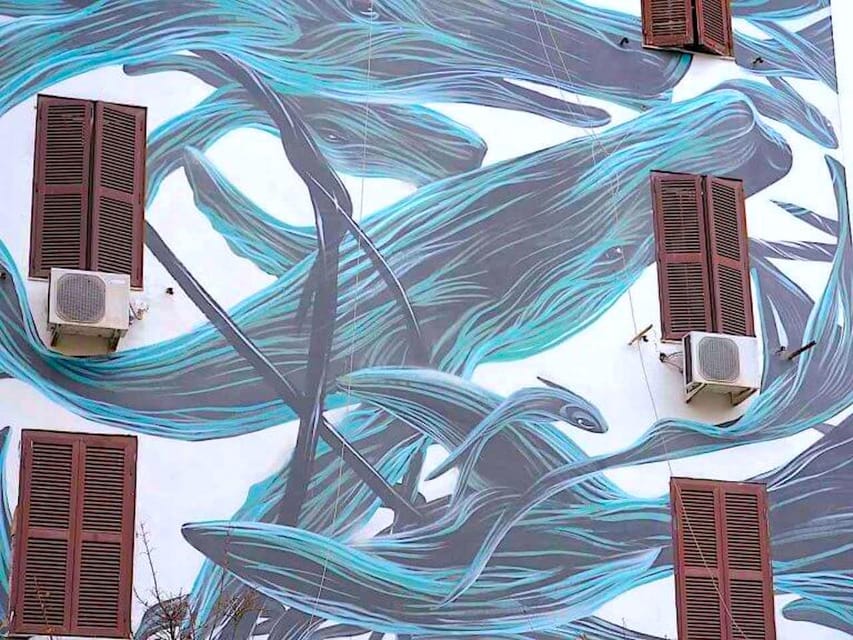
Rome is packed with ancient stone, grand churches, and famous fountains. That is exactly why a street art walk can be useful. It shows you a newer side of the city, one shaped by neighborhood life, contemporary artists, and public projects rather than emperors and popes.
This is not simply a mural-photo stop. Lisa explains the stories behind the artwork while also introducing the districts that contain it. You get a better sense of how Rome keeps changing, and you see parts of the city that do not appear on the usual first-day sightseeing route.
The tour covers Garbatella and Tor Marancia in a loop of roughly 4 kilometers. The schedule is listed as 2.5 hours, while the itinerary also describes a guided tour of about three hours. I would plan for a relaxed two and a half to three hours, especially if the group pauses often for photographs and questions.
The walk begins and ends at Garbatella Metro station, which keeps the day simple. You do not need to arrange a complicated transfer to an outer district or worry about being dropped somewhere unfamiliar at the end.
More street art walks in Rome:
- Rome: Ostiense Graffiti and Modern Street Art Walking Tour
★ 3.1 · 7 reviews - Art & Craft: Beer Tour with Street Art in Rome
★ 4.5 · 6 reviews - Art & Craft: Beer Tour with Street Art in Rome
★ 4.0 · 4 reviews
Meeting Lisa at Garbatella Metro
The meeting point is at the exit of Garbatella Metro station, beside a small colored amphitheater. That detail matters because large Roman stations can have several exits and nearby streets can look alike. Look for the little amphitheater as you come out.
Garbatella is on Metro B, the blue line. You can also reach the station by local bus. Once everyone has gathered, Lisa introduces the route, the neighborhoods, and the other people in the group before setting off.
Lisa’s background helps shape the experience. She was born and raised in Rome and has a particular interest in street art and less visited parts of the city. Her English is described as fluent, and her role is not limited to pointing at walls. She connects the murals to the local setting and gives you the background needed to understand why they are there.
That personal connection is one of the strongest reasons to choose this walk instead of following a street art map on your own. A mural can be striking in a photograph, but its meaning is easier to grasp when someone explains its author, local setting, and place in the neighborhood.
Garbatella: architecture, murals, and a different rhythm
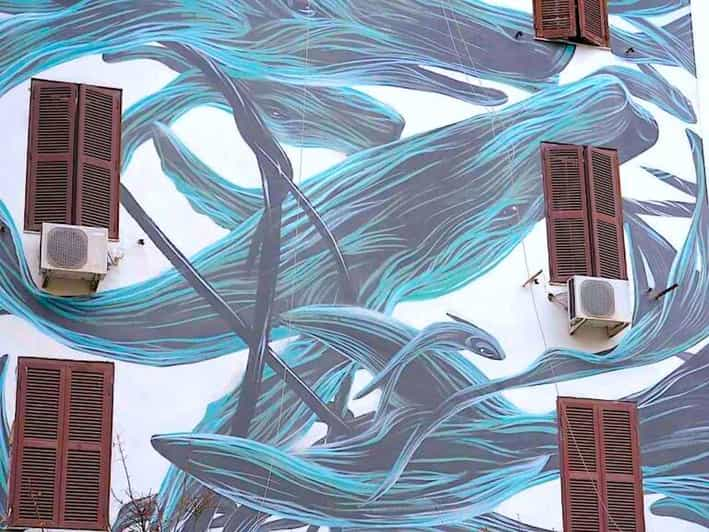
The first section takes you through Garbatella. The neighborhood is known for an architectural style dating from the early 20th century, and the route uses its streets, monuments, and public spaces to show you a part of Rome that feels far removed from the historic center.
You will see murals along the way, but the neighborhood itself is an important part of the stop. The tour gives you time to look beyond the painted walls and notice the character of the district. Garbatella is presented as a place with its own identity, rather than simply a convenient starting point.
This is where the guide’s local knowledge has real value. You are not only collecting photographs. You are learning why this area matters and how its built surroundings shape the art around it.
The walk is described as an authentic neighborhood experience, but you should keep your expectations sensible. This is still a guided overview rather than a detailed architectural tour. The emphasis remains on the relationship between the murals and local history.
A gelato stop is available if you want one. The cost is not included, so bring a little extra money if that sounds appealing. It can also provide a useful pause during a warm day, though the tour does not promise a fixed tasting or food portion.
Tor Marancia and its open-air art museum
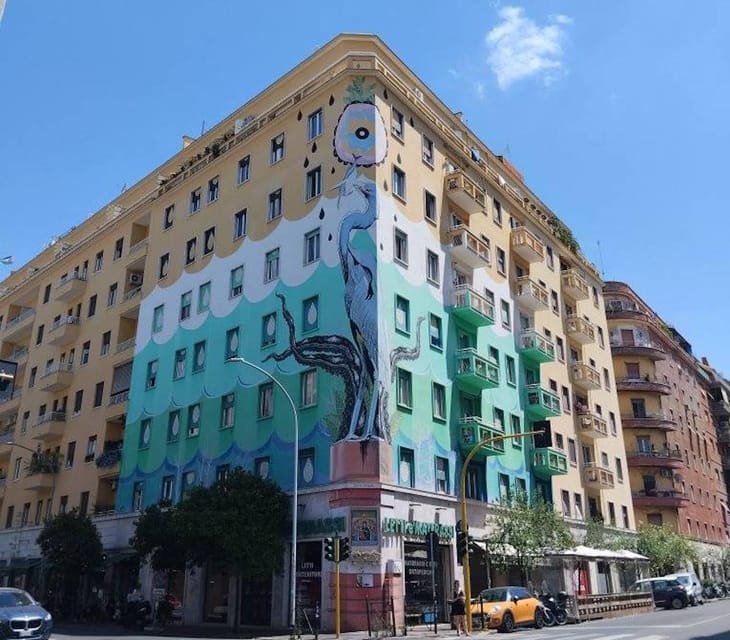
From Garbatella, the walk continues to Tor Marancia. This is the second major neighborhood on the route and the place where contemporary public art takes center stage.
Tor Marancia is described as an open-air museum of contemporary art. That does not mean you enter a formal museum with galleries, tickets, and indoor displays. Instead, the neighborhood itself provides the setting, with large-scale murals integrated into the streets and buildings.
The effect is different from seeing one isolated painting. You can compare several works and consider how the artwork changes the feel of the area. Lisa explains the murals and their authors, giving you a way to look at the pieces beyond color and size.
For me, this is the strongest part of the experience for anyone already interested in public art. The tour puts the work in its real setting, where ordinary neighborhood life continues around it. You are not being rushed through a gallery, and you are not asked to treat the art as a separate attraction.
The tradeoff is that street art is exposed to weather, changing light, and the normal activity of an urban district. Conditions may not be perfect for every photograph. The reward is seeing the murals as part of a living neighborhood rather than as isolated exhibits.
More guided tours in Rome:
- Vatican Museums, Sistine Chapel & St Peter’s Basilica Guided Tour
★ 4.5 · 39,149 reviews - Rome: Colosseum, Palatine Hill and Roman Forum Guided Tour
★ 4.8 · 32,814 reviews - Rome: Guided Tour of Colosseum, Roman Forum & Palatine Hill
★ 4.7 · 27,897 reviews - Rome: Colosseum & Forum with Audio Guide App -Optional Arena
★ 4.2 · 24,770 reviews
The walk back through more Roman art
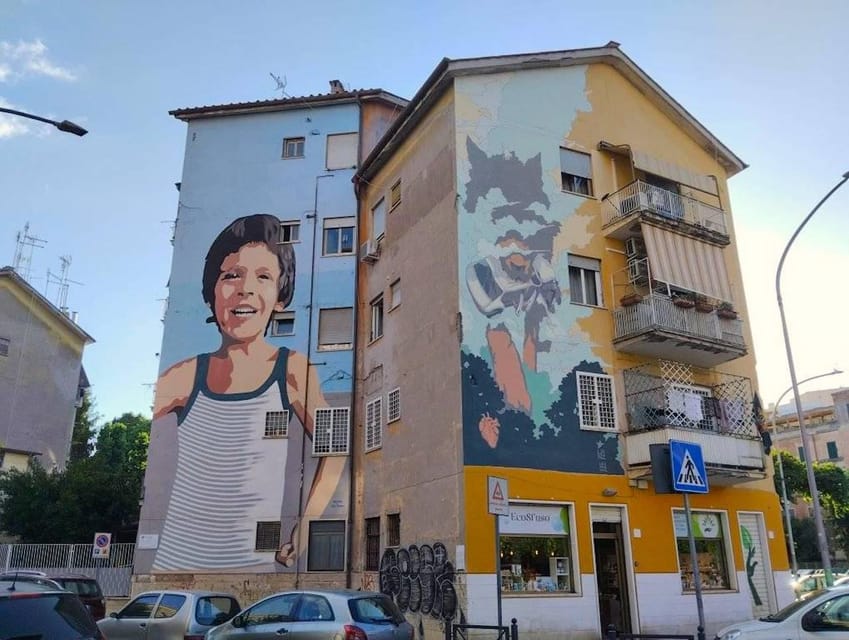
After Tor Marancia, the route returns toward Garbatella. The walk back includes more street art, so the final stretch is not just a transfer to the station.
This return leg also gives Lisa room to keep discussing local culture and the history of the areas you have crossed. The tour ends where it began, at Garbatella Metro station, making it easy to continue your day elsewhere in Rome.
That loop is practical. You can visit in the morning and then continue into central Rome, or schedule it later and return to the Metro without having to find a new pickup point. Since the tour does not include transport between stops, you should be comfortable walking the full route.
The route is an urban hike, not a gentle stroll with long seated breaks. The total distance is around 4 kilometers, and you may stop frequently to examine murals, listen to explanations, and take photos. Still, sturdy and comfortable shoes are essential. Sandals that offer little support would be a poor choice.
What the $41 price gets you
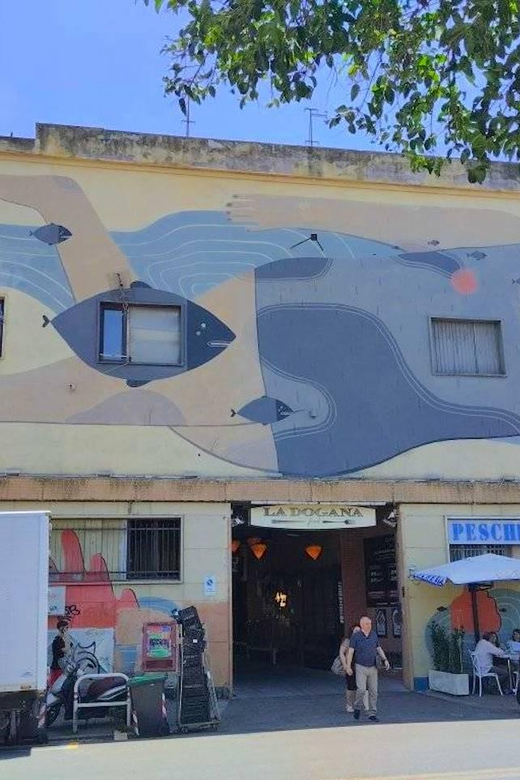
At $41 per person, the tour sits in a reasonable range for a guided walking experience in Rome. You are paying for Lisa’s time, the route planning, the explanations about roughly 30 murals, and the local context that would be difficult to gather from a quick internet search.
The value depends on what you want from Rome. If your priority is the Colosseum, Vatican Museums, and Trevi Fountain, this tour will not replace those sights. It is an extra experience for seeing a less familiar side of the city.
For someone interested in contemporary art, urban culture, photography, or local neighborhoods, the price makes sense. You cover two districts and receive a guided interpretation rather than merely wandering past painted walls. The optional gelato costs extra, but there is no required food purchase listed.
The tour includes only the walking tour with Lisa. Transport to Garbatella, gelato, and other personal expenses are not included. The good news is that the Metro connection keeps the transport cost and planning modest.
Free cancellation is available up to 24 hours before the tour for a full refund, and you can reserve now and pay later. Those policies help if your Rome schedule is still shifting, though you should always check the available start times before booking.
Who will enjoy this walk most
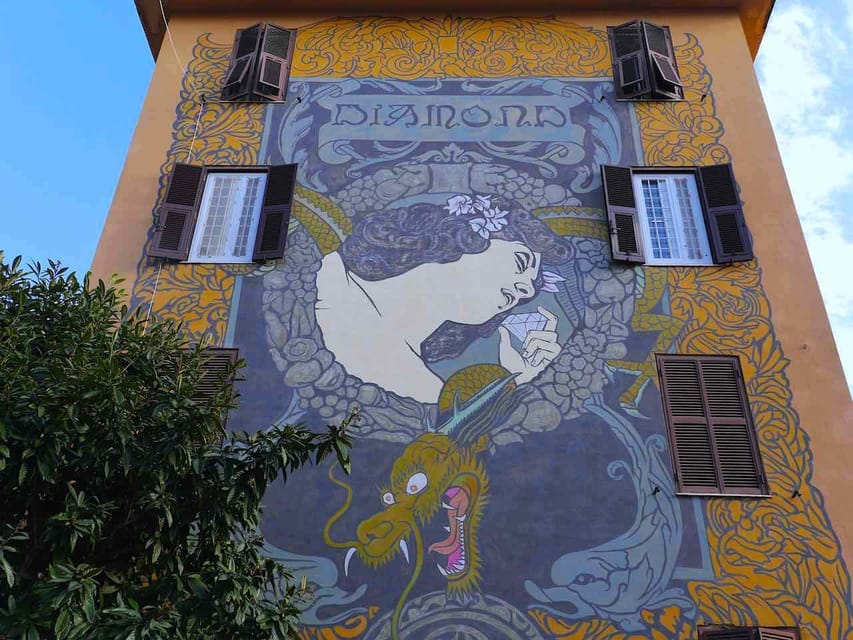
I would recommend this experience to you if you have already seen Rome’s headline sights or want to balance them with something more local. It is also a good match for visitors who prefer walking tours to bus sightseeing and who like understanding the setting around an artwork.
It suits photographers, urban art fans, and anyone curious about how a city expresses itself outside museums. The murals provide plenty to photograph, while Lisa’s explanations give the images a sense of place.
Families with older children may also find it appealing, particularly if ancient ruins are beginning to feel repetitive. The route does require sustained walking, so it is less suitable for anyone who needs frequent seated breaks or finds 4 kilometers uncomfortable.
You should also consider the weather. A hat is recommended in summer, and a water bottle is important. There is a chance to refill your bottle for free during the walk, which is useful on a hot Roman day.
A few practical ways to prepare
Wear shoes with good support. The route moves through city streets for several hours, and the tour information makes comfortable footwear a requirement rather than a casual suggestion.
Bring water even though refills are available. You will be outdoors, and summer sun can make a neighborhood walk tiring faster than expected.
Allow extra time around the stated duration. The official schedule says 2.5 hours, while the route description also refers to a three-hour guided tour. The difference may depend on the pace, questions, and stops, so avoid booking a tight connection immediately afterward.
Keep your camera ready, but do not let photographs replace the explanations. The point of the tour is not only to see murals. It is to understand their authors, their neighborhoods, and the role of public art in contemporary Rome.
Finally, wear a hat in summer and consider taking the tour earlier in the day if several starting times are available. The information provided does not specify a fixed daily departure, so check the booking calendar before setting your plans.
Should you book the Garbatella and Tor Marancia tour?
I would book this tour if you want a quieter, more modern side of Rome and enjoy learning from a local guide. Lisa’s Roman background, strong English, and focus on both art and neighborhood history are the main reasons this experience offers more than a self-guided mural hunt.
Book it especially if you have already covered the classic sights, or if you want to add a different kind of afternoon to your itinerary. The easy Metro meeting point, loop route, and $41 price make it a practical choice.
Skip it if you dislike walking, want an indoor museum experience, or have only a few hours in Rome and have not yet seen the city’s essential ancient and Renaissance sights. For everyone else, this is a well-focused way to see about 30 murals while learning why Garbatella and Tor Marancia matter.
FAQ
Where does the street art tour meet?
The meeting point is at the exit of Garbatella Metro station, beside a small colored amphitheater.
How do I reach the meeting point?
You can use local buses or Metro B, also called the blue line, and get off at Garbatella.
Where does the tour finish?
The walk ends back at Garbatella Metro station, the same place where it begins.
How long does the tour last?
The activity is listed as 2.5 hours. The itinerary also describes a guided tour of about three hours, so allow some flexibility.
How far do you walk?
The route is a ring walk of about 4 kilometers through Garbatella and Tor Marancia.
Which neighborhoods are included?
The tour visits Garbatella and Tor Marancia, with additional street art on the walk back to the Metro station.
How many murals will I see?
You can expect to see about 30 murals and learn about their history and authors.
Who leads the tour?
Lisa leads the walk. She was born and raised in Rome and conducts the tour in English.
Is gelato included?
No. Gelato is optional and is not included in the tour price.
What should I bring?
Wear comfortable shoes, bring a water bottle, and consider wearing a hat during summer. Free water refills are available during the walk.
Newest Rome tours we have reviewed
- Private TikTok Video Making in Rome★ 5.0 · 7 reviews
- Assisi, Orvieto and Civita di Bagnoregio Full Day Tour from Rome★ 4.5 · 45 reviews
- Assisi & Saint Francis Path Tour from Rome★ 5.0 · 45 reviews
- Assisi and Cascia Private Day Tour from Rome with Lunch★ 5.0 · 10 reviews
- Art Class in the center of Rome!★ 4.0 · 4 reviews
- Art & Craft: Beer Tour with Street Art in Rome★ 4.5 · 6 reviews
- Arrival in Rome: Airport Transfer & Exclusive City Introduction★ 5.0 · 3 reviews
- From Rome: Private Day-Tour of Tuscany★ 5.0 · 16 reviews
Street Art, compared.
Ostiense Graffiti and Modern Street Art Walking Tour
Read our review →