
Reviewed · ROME PASTA AND PIZZA MAKING CLASSES
Rome: Pasta and Tiramisu Class at a Local’s Home
Fresh pasta tastes better when you have made it by hand. In this three-hour class, you roll sfoglia, prepare two pasta dishes, and make tiramisu in a local Italian home before sitting down to eat it all. Hosts such as Giovanni, Martina, and Claudia bring family recipes and plenty of patience.
I like the home setting, which gives the class a warmer feel than a standard cooking studio. I also like the generous meal: two pasta recipes, tiramisu, prosecco, nibbles, wine, water, and coffee are included. The main drawback is that you do not receive the address until after booking, so you must plan your Rome transport around a private meeting point.
Key points at a glance
- Three classic recipes: Learn two pasta types from scratch, plus the essential Italian dessert, tiramisu.
- Hand-rolled sfoglia: Practice the traditional method of turning dough into fresh pasta without relying only on machines.
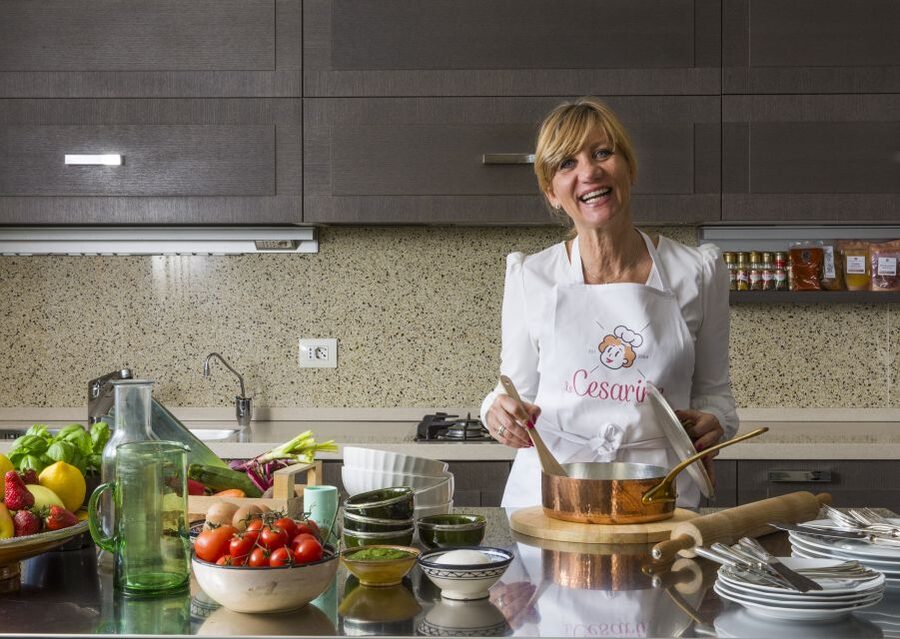
- A real home visit: Your Cesarina host welcomes you into a private home rather than a public restaurant or school.
- Hosts who teach patiently: Giovanni and Martina worked especially well with families, while Claudia hosted a memorable class outside the rush of central Rome.
- A full Italian table: Prosecco and snacks begin the gathering, followed by pasta, tiramisu, wine, water, and coffee.
- Flexible planning: Classes usually begin at 10:00 AM or 5:00 PM, with other times possible by advance request.
What This Rome Cooking Class Really Offers
This is not just a lesson in how to boil pasta. It is a chance to see how an Italian meal comes together from basic ingredients, family instructions, and time at the table.
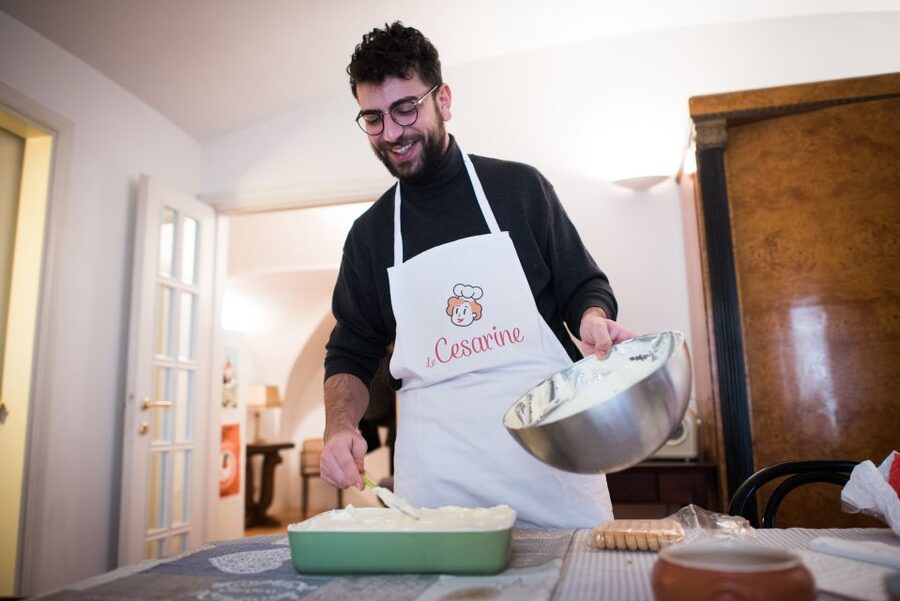
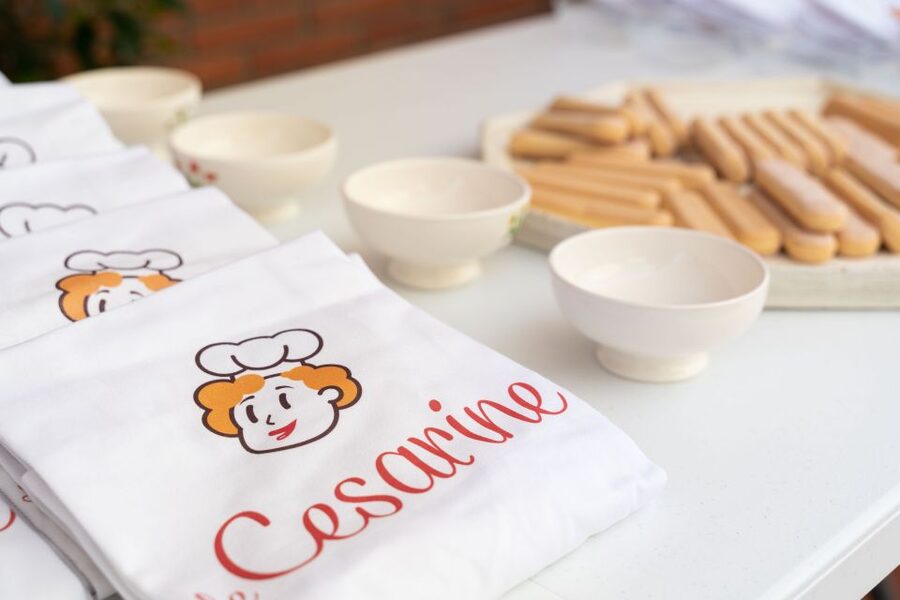
The class is hosted through Cesarine, an Italian network of home cooks operating in more than 500 cities. Each host opens their own home and cooks from family recipe books. That matters because the meal is intended to reflect regional home cooking, not a restaurant menu designed for tourists.
You should expect a small group, hands-on work, and conversation with the host and other participants. The language of instruction is Italian and English. Since every class takes place in a different home, the mood and exact recipes can vary, but the central plan stays the same: two pasta preparations, tiramisu, and a shared meal.
I see this as a good choice for anyone who wants food to be the main way of meeting local people. It is also a sensible break from Rome’s crowded monuments. One family described the time with Claudia as a welcome escape from the noise of downtown Rome, which captures the appeal well.
More gelato and tiramisu classes in Rome:
- 3 in 1 Cooking Class near Navona: Fettuccine, Ravioli & Tiramisu
★ 5.0 · 7,376 reviews - Rome: Pasta & Tiramisu Class with Fine Wine by the Vatican
★ 4.9 · 4,852 reviews - Rome: 3-in-1 Fettuccine, Ravioli, and Tiramisu Cooking Class
★ 4.9 · 2,704 reviews
Arriving at a Private Italian Home
Your host’s address is sent after you reserve. The meeting point is not a shopfront or a fixed cooking school, so you need to read the arrival details carefully and allow enough time to reach the correct neighborhood.
When you arrive, you ring the doorbell. Your Cesarina host welcomes you inside and begins the social part of the meal with an Italian aperitivo, usually prosecco and small snacks. This opening is more than a free drink. It gives you time to meet the host, settle in, and get to know the other people in the group before flour starts flying.
The private-home format is the experience’s biggest point of difference. You are not simply watching a chef perform in a demonstration kitchen. You are entering someone’s everyday setting and sharing a table in the same place where the food is prepared.
That also means you should come with a little flexibility. The address, layout, and host will differ from one booking to the next. If you want a class with a fixed central location or a tightly scripted schedule, this may feel less predictable than a standard cooking school.
Rolling Sfoglia by Hand
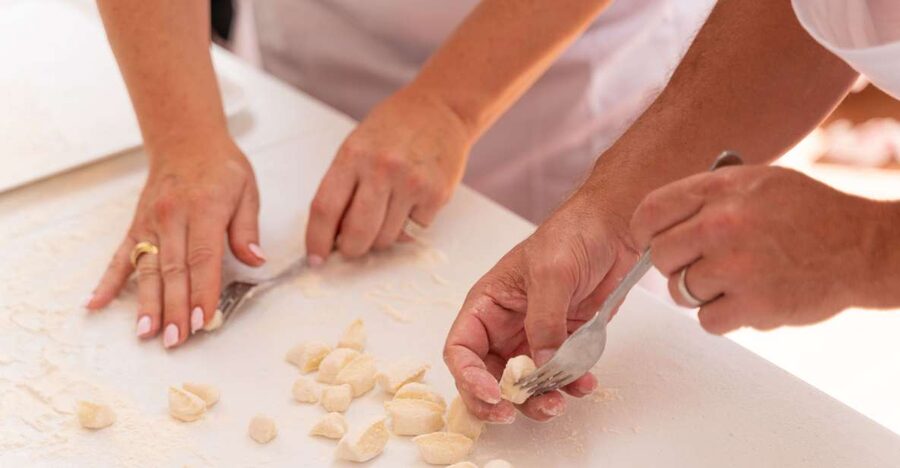
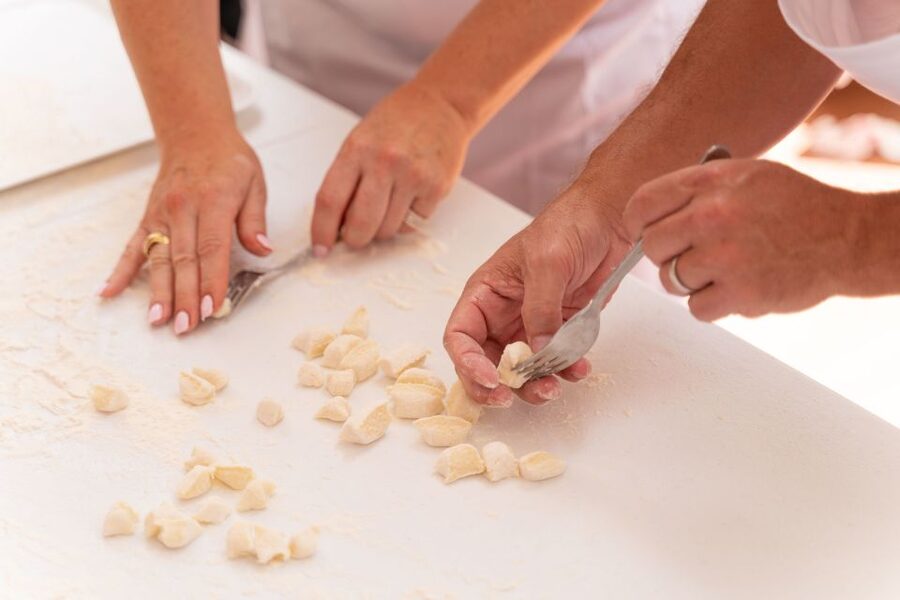
The heart of the class is learning to roll sfoglia, the thin sheet of fresh pasta dough. You work with the dough by hand and learn how it changes as it becomes smoother, thinner, and ready to cut or fill.
The technique is simple in theory and surprisingly physical in practice. You need to roll evenly, judge the thickness, and handle the sheet without tearing it. That hands-on work is valuable because you leave with a better sense of what fresh pasta should feel like, not just a recipe written on a card.
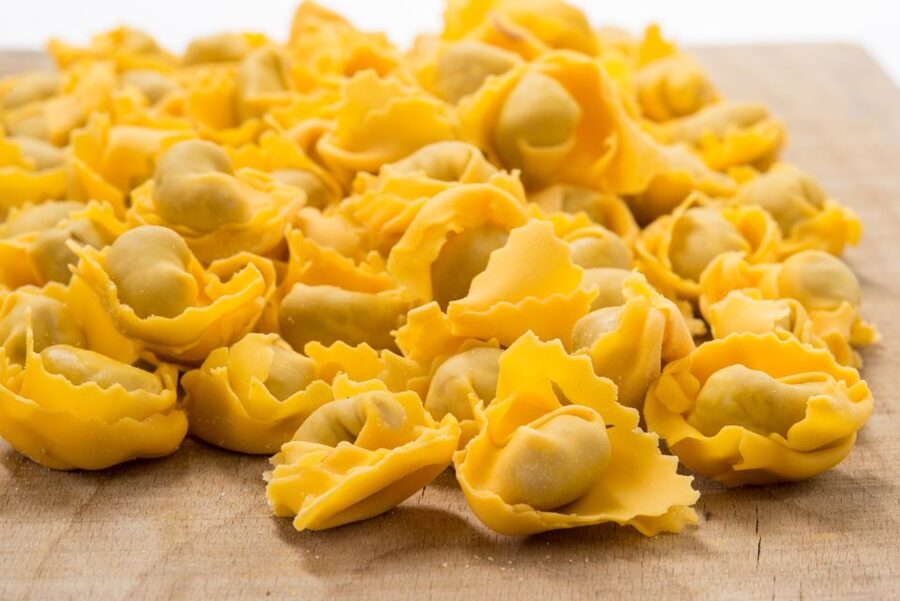
The class includes two different pasta types. The exact pair can vary with the host, but family-style examples include ravioli and fettuccine. Giovanni and Martina taught both of these in one class, along with tiramisu, giving the group a useful contrast between filled pasta and long-cut pasta.
You may find that the lesson moves at a relaxed pace, especially when the host is helping children or first-time cooks. That is a strength for families. Jo Ann’s three daughters received patient explanations from Giovanni and Martina, which suggests that the class is not aimed only at confident adult cooks.
Still, do not expect a professional culinary certificate or a long technical course. Three hours gives you enough time to make and eat the food, but not enough to cover every pasta shape, sauce, or regional variation in Italy.
Two Pasta Dishes, Not Just One Demonstration
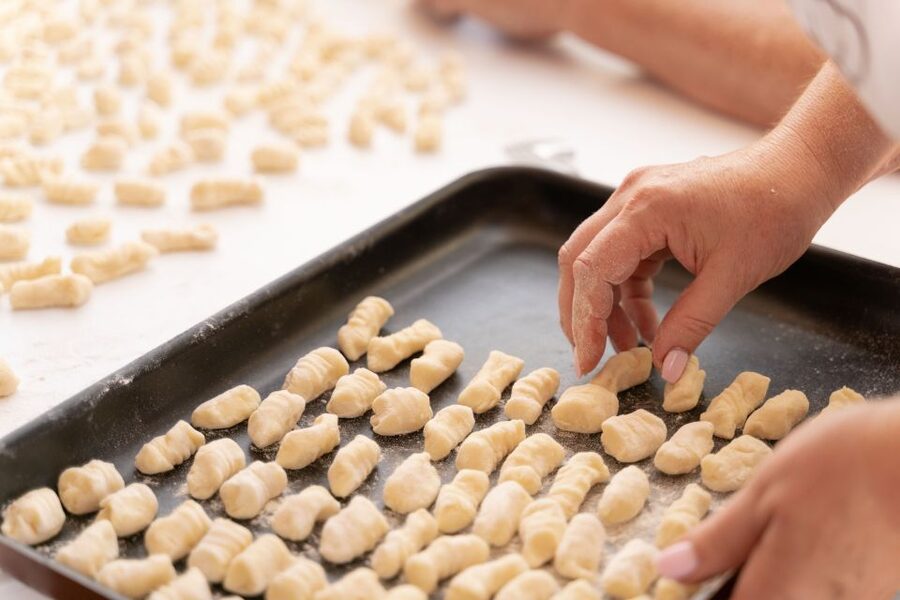
The promise of two pasta recipes gives this class good value. You do not spend the entire session practicing one shape and then watch someone else finish dinner. You take part in preparing multiple dishes, then taste what you have made around the table.
The difference between the two recipes is part of the fun. A long pasta such as fettuccine teaches you about cutting and handling sheets of dough. Ravioli adds another skill: placing filling, sealing the dough, and forming neat pieces without trapping too much air.
The supplied details do not fix the recipes for every host, so your menu may not match another group’s exactly. That is worth knowing before you book. The benefit is that the food comes from the host’s family cookbook, rather than from a single standardized menu used in every city.
I like this approach because it puts regional home cooking ahead of showy technique. You are learning dishes that a local family considers worth passing on. The recipes are described as simple, which makes them more useful to take home and repeat in your own kitchen.
More pasta and pizza making classes in Rome:
- Rome: Pasta Making Class with Wine, Limoncello, and Dessert
★ 4.9 · 3,177 reviews - Rome: Fettuccine Pasta Cooking Class in Rome’s City Center
★ 4.8 · 2,414 reviews - Become a Masterchef in Rome: Pasta, Ravioli and Tiramisù Class
★ 5.0 · 2,156 reviews - Rome: Fettuccine and Tiramisu Cooking Class with Wine
★ 4.8 · 2,013 reviews
Making Tiramisu Before Sitting Down to Eat
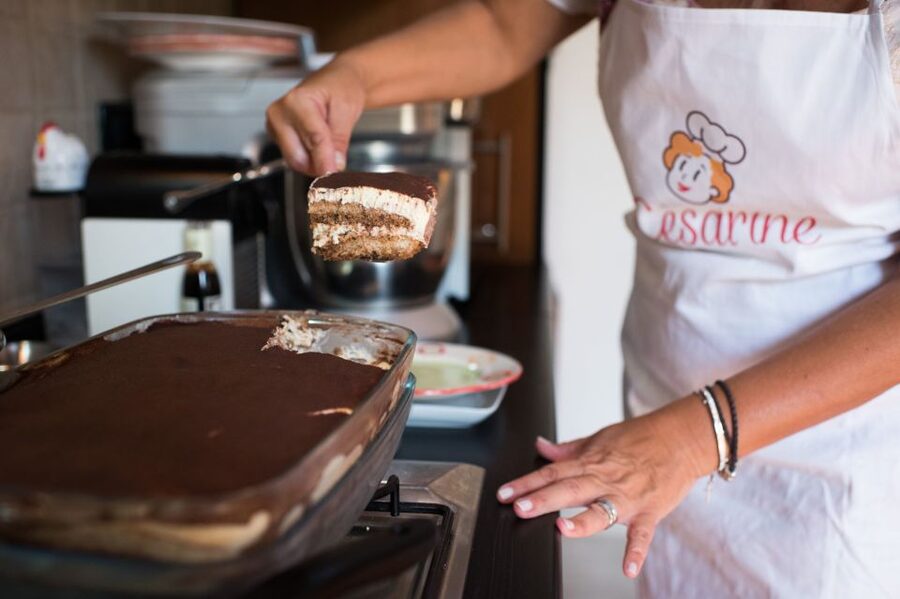
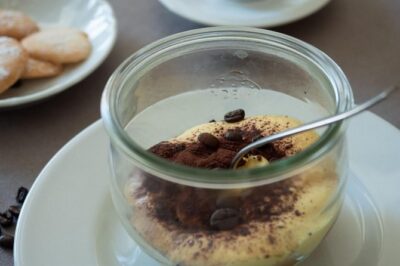
Tiramisu provides a pleasant change of pace after the pasta work. The dessert is iconic, familiar, and forgiving enough for a group class. You learn how the layers are prepared, then set the dish aside as the savory food comes together.
This part also keeps the class from becoming pasta-only. You leave with a broader picture of an Italian meal, from aperitivo to first course to dessert and coffee.
The class includes the tiramisu you prepare, along with coffee at the meal. That is a small but important detail. Coffee gives the final course a natural finish, while wine and water accompany the pasta.
Because this takes place in a home, the dessert portion may feel less like a formal pastry lesson and more like learning a family staple. If you want advanced pastry work, this is not the right class. If you want to understand how tiramisu fits into an Italian gathering, it delivers the basics in a friendly setting.
The Meal Around the Family Table
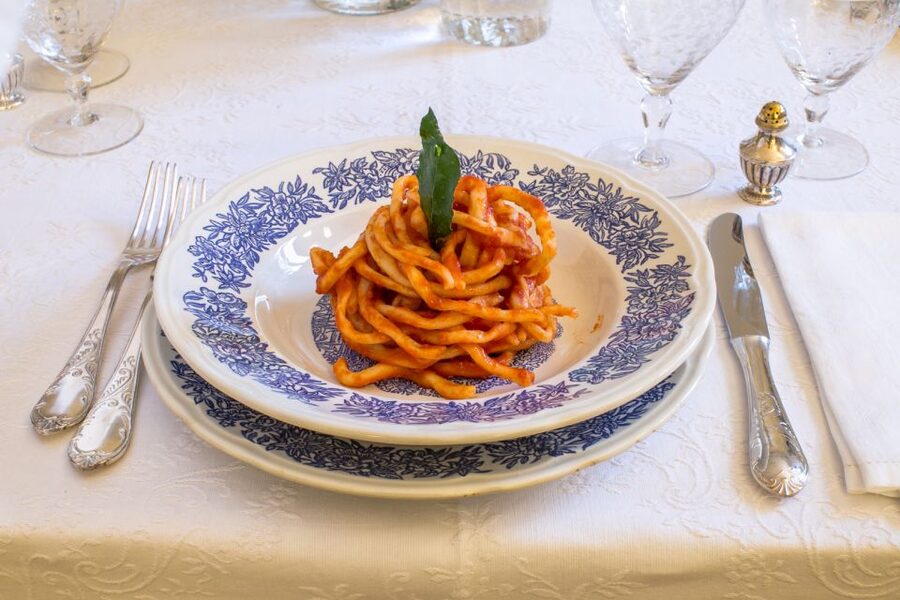
After the cooking, you sit down and eat the dishes you have prepared. The table is part of the experience, not an afterthought. One group was welcomed to a carefully set table, which helped turn the class into a shared meal rather than a quick tasting at the counter.
The included drinks are unusually complete for a three-hour cooking activity. You receive water, wine, and coffee, along with prosecco and snacks during the aperitivo. That makes the $105 price easier to judge. You are paying for instruction, ingredients, a private-home setting, a full meal, and drinks, not just an hour of pasta making.
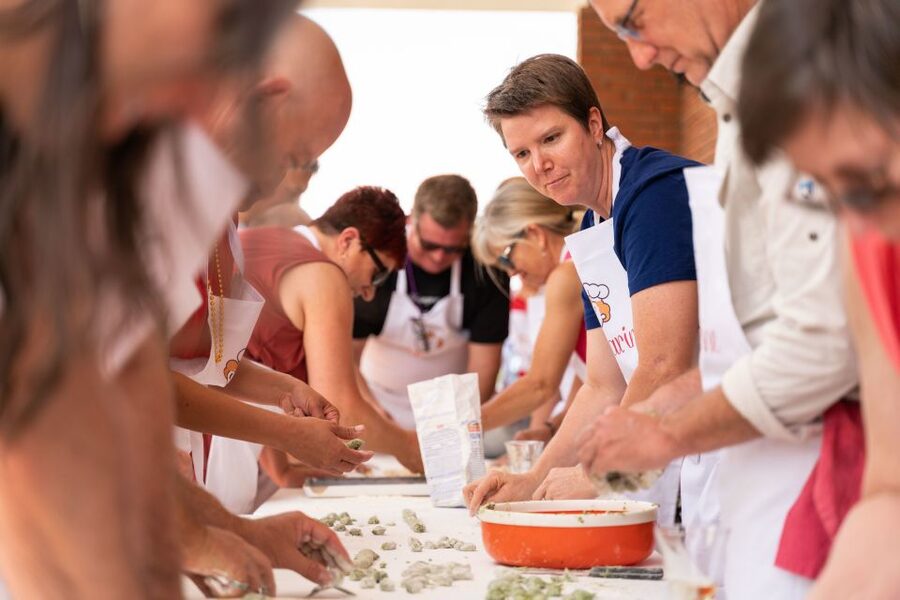
The social side can be just as important as the food. You share the meal with the host and other participants, so the class works well for couples, families, and solo visitors who enjoy meeting people over dinner. Conversation is part of the value, especially when the host talks about family recipes and local habits.
There is one practical point to keep in mind: alcohol is included. If you do not drink, you still have water and coffee, but the aperitivo and wine are part of the planned meal. Dietary needs can be accommodated, but you need to confirm them directly with the organizer after booking.
What the $105 Price Buys You
At $105 per person, this is not the cheapest way to eat pasta in Rome. You can find a less expensive meal in many parts of the city. The better comparison is with other hands-on cooking classes, where the fee often covers teaching, ingredients, and the finished meal but not always the same personal setting.
Here, your payment covers three hours of instruction, two pasta preparations, tiramisu, the meal, wine, water, coffee, prosecco, and snacks. You also get a host who opens a private home and gives you direct attention in a small group.
For me, the value is strongest if you want cultural contact and active participation. It is weaker if you only want a good dinner, since cooking takes time and effort. You should also remember that the exact host and home can differ, so part of what you are buying is the chance to meet a particular local cook.
The high rating of 4.8 from seven posted ratings points to strong satisfaction, but the sample is small. I would treat that as encouraging rather than conclusive. The most consistent strengths are clear: warm hosting, patient instruction, a generous meal, and the pleasure of leaving the busy center for time with a local family.
Timing, Transport, and Dietary Planning
Classes typically begin at 10:00 AM or 5:00 PM. The morning option can work well as a late breakfast or early lunch, while the evening option fits more naturally into a dinner plan. Other start times may be possible if you request one in advance.
Since the address is shared after booking, you cannot fully plan the journey before reserving. Once you receive it, check the route and leave time for finding the building and ringing the bell. The experience may be in Rome or elsewhere in the Lazio area, and one family described getting out of central Rome for a quieter visit.
Ask about dietary requirements after booking, rather than waiting until the day of the class. The organizers state that different needs can be catered to, but they must be confirmed directly. This is especially important for pasta ingredients, fillings, dairy, eggs, and tiramisu.
The class is offered in Italian and English. If you need another language, the supplied information does not promise it, so you should not assume it will be available.
Who Will Enjoy This Most
Families are a strong match. The patient teaching from Giovanni and Martina worked well for three daughters, and the activity gives children something active to do instead of another museum visit. Adults should be ready to share the work and let the pace remain relaxed.
Couples and solo visitors can also get a lot from it. The shared table creates an easy setting for conversation, and the meal gives you something to talk about beyond sightseeing. If you like learning through food, this is more personal than a restaurant reservation.
It is less suitable if you need a fixed public venue, a polished professional kitchen, or a very advanced cooking curriculum. You may also prefer another activity if your schedule leaves no room for a three-hour commitment.
The class is a good fit for a Rome itinerary with many major sights. After days of ancient ruins, churches, and crowded squares, making pasta in a home offers a change of pace without giving up the chance to learn something about Italy.
Booking Details Worth Knowing
You can cancel up to 24 hours before the activity for a full refund. A reserve-now, pay-later option is also available, which helps if you are still arranging a Rome schedule.
The exact address and host’s mobile number arrive by email after booking. Save those details where you can find them, and make sure the phone number is available on the day in case you need help locating the home.
The experience lasts three hours. That includes the welcome aperitivo, preparation, cooking, and the meal, so do not schedule a major attraction immediately afterward unless you have allowed extra time for transport.
Should You Book This Pasta and Tiramisu Class?
Book it if you want more than a plate of pasta. The strongest reasons are the private-home setting, the chance to roll sfoglia by hand, two pasta recipes instead of one, and a complete meal with tiramisu and drinks.
I would especially recommend it to families, food-focused couples, and solo visitors who enjoy conversation. Giovanni, Martina, and Claudia each show how much the host shapes the mood, so you should welcome the personal nature of the experience.
Skip it if you want a tightly fixed location, advanced chef training, or a quick activity between major sights. For everyone else, $105 is a fair price for three hours of cooking, eating, and time with a local Italian family.
FAQ
How long does the pasta and tiramisu class last?
The class lasts three hours, including the cooking activities and the meal.
What will I learn to make?
You will learn to roll sfoglia by hand, prepare two different pasta types from scratch, and make tiramisu.
Is the meal included?
Yes. You taste the two pasta recipes and tiramisu you prepare during the class. Water, wine, coffee, prosecco, and aperitivo snacks are also included.
Where does the class take place?
The class takes place in your Cesarina host’s private home. The exact address and the host’s mobile number are sent after booking.
What time does the class begin?
Classes typically begin at 10:00 AM or 5:00 PM. Other times may be available if requested in advance.
What languages are available?
The experience is offered in Italian and English.
Can dietary requirements be accommodated?
Different dietary requirements can be considered, but you need to confirm them directly with the organizer after booking.
More cooking classes in Rome
- Rome: Traditional Pasta with Cocktails Cooking Class
★ 5.0 · 2,374 reviews - Pasta Cooking Class Near the Colosseum with 3 Spritz Cocktails
★ 5.0 · 1,686 reviews - Rome: Pasta & Tiramisu Cooking Class near the Spanish Steps
★ 4.8 · 1,395 reviews - Rome Tipsy Cooking Class: Make Pasta and Mix 3 Spritz Cocktails
★ 5.0 · 1,357 reviews
Newest Rome tours we have reviewed
- Private TikTok Video Making in Rome★ 5.0 · 7 reviews
- Assisi, Orvieto and Civita di Bagnoregio Full Day Tour from Rome★ 4.5 · 45 reviews
- Assisi & Saint Francis Path Tour from Rome★ 5.0 · 45 reviews
- Assisi and Cascia Private Day Tour from Rome with Lunch★ 5.0 · 10 reviews
- Art Class in the center of Rome!★ 4.0 · 4 reviews
- Art & Craft: Beer Tour with Street Art in Rome★ 4.5 · 6 reviews
- Arrival in Rome: Airport Transfer & Exclusive City Introduction★ 5.0 · 3 reviews
- From Rome: Private Day-Tour of Tuscany★ 5.0 · 16 reviews
Rome Pasta and Pizza Making Classes, compared.
3 in 1 Cooking Class near Navona: Fettuccine, Ravioli & Tiramisu
Read our review →
Pasta Making Class with Wine, Limoncello, and Dessert
Read our review →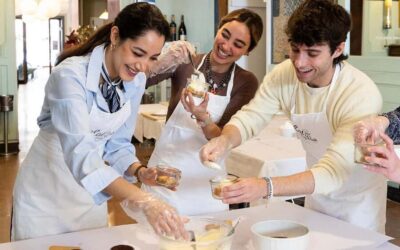
3-in-1 Fettuccine, Ravioli, and Tiramisu Cooking Class
Read our review →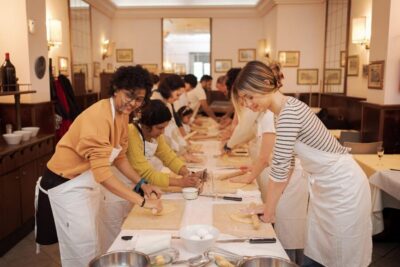
Fettuccine Pasta Cooking Class in Rome’s City Center
Read our review →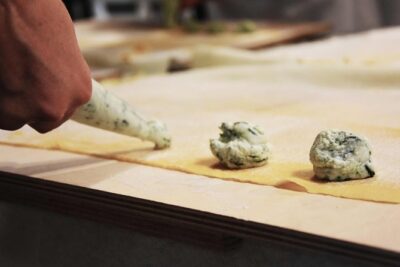
Become a Masterchef in Rome: Pasta, Ravioli and Tiramisù Class
Read our review →
Fettuccine and Tiramisu Cooking Class with Wine
Read our review →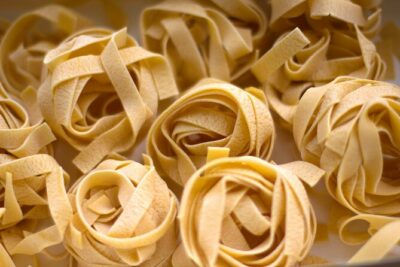
Enjoy Spritz and Pasta Making in Piazza Navona
Read our review →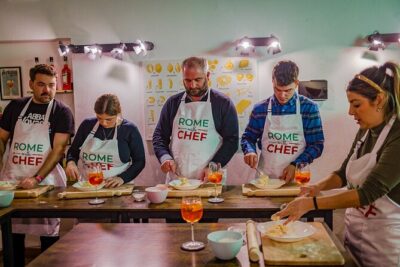
Rome Tipsy Cooking Class: Make Pasta and Mix 3 Spritz Cocktails
Read our review →Browse the lists this tour appears in