

Reviewed · CASTEL SANT’ANGELO TOURS
Rome: Small Group Guided Tour of Castel Sant’Angelo
Castel Sant’Angelo is one of Rome’s most unusual monuments because it has been a Roman emperor’s tomb, a fortress, a prison, and a papal residence. This two-hour small-group tour connects those chapters as you walk through the spiral passageways, ash chamber, prison cells, painted rooms, and upper terrace.
I like the small-group format, which makes it easier to ask questions and hear the guide in the castle’s large spaces. I also like the rooftop finish, where the city opens up around you and the tour’s long story finally comes together. The main consideration is physical: the route uses a spiral ramp and several levels, so it is not suitable for people with mobility impairments.
Key points
- Five levels of Roman and papal history: Follow the building from Hadrian’s tomb through its later military and religious uses.
- A guide-led route through the castle: Guides such as Alec, Barbara, Silvia, Lorenzo, and Oleg are praised for clear explanations, humor, and a well-paced approach.
- Renaissance rooms and frescoes: See former papal apartments with carefully preserved wall paintings.
- Prisons and the chamber of ashes: The lower sections reveal the building’s darker past and its original funerary purpose.
- A rooftop view of Rome: The terrace is the tour’s natural finale and a fine place for skyline photographs.
- Tickets included: The $75 price includes admission, a two-hour guided tour, and headsets if needed.
Why Castel Sant’Angelo deserves two hours
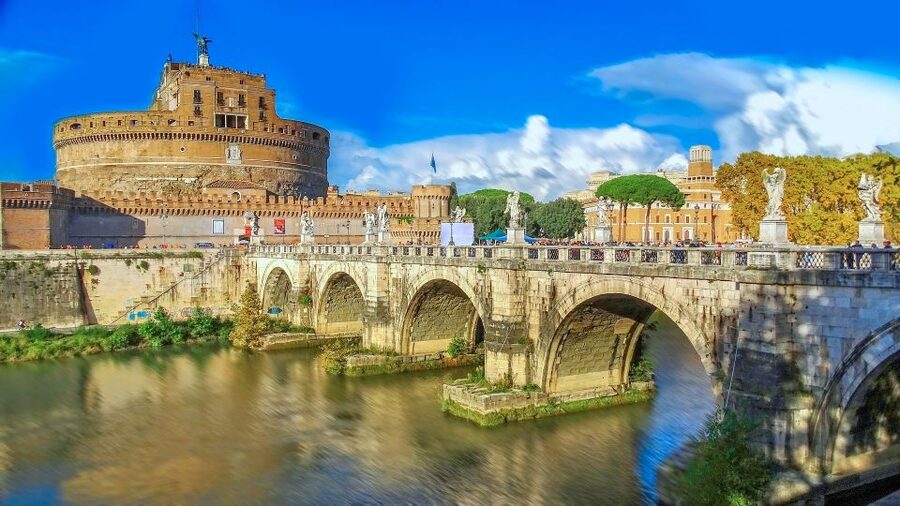
Many first-time visitors hurry between Rome’s major sights and leave Castel Sant’Angelo for later. That is a mistake if you enjoy places that changed purpose over many centuries. This is not just a museum filled with objects. The building itself is the exhibit.
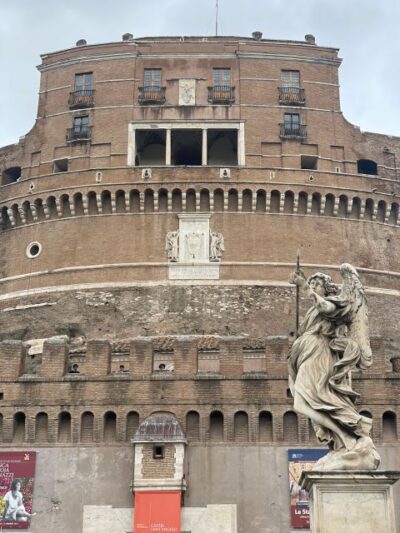
Emperor Hadrian originally commissioned the structure as a monumental tomb. Later, it became a fortified refuge, a prison, and a papal residence. Those uses are still visible in the plan of the building. You move from a massive ancient core into defensive passages, then up toward rooms made for church leaders and finally to the open terrace.
The result can feel strange in the best way. One moment you are walking through an austere corridor connected with burial and defense. A few minutes later, you are looking at painted rooms built for powerful Renaissance popes. The guide’s job is to connect those spaces so they do not feel like unrelated stops.
This tour is particularly useful if you want context rather than a quick photo outside. A self-guided visit can show you the stonework and views, but it may not explain why an imperial tomb grew into one of Rome’s strongest defensive sites.
More Castel Sant’Angelo tours:
- Rome: Castel Sant’Angelo Skip-the-Line Ticket & Audio Guide
★ 4.4 · 3,500 reviews - Rome: Castel Sant’Angelo Skip-the-Line Ticket
★ 4.4 · 3,040 reviews - Rome: Castel Sant’Angelo Skip-the-Line Entry Ticket
★ 4.8 · 2,231 reviews
Meeting the guide at the entrance
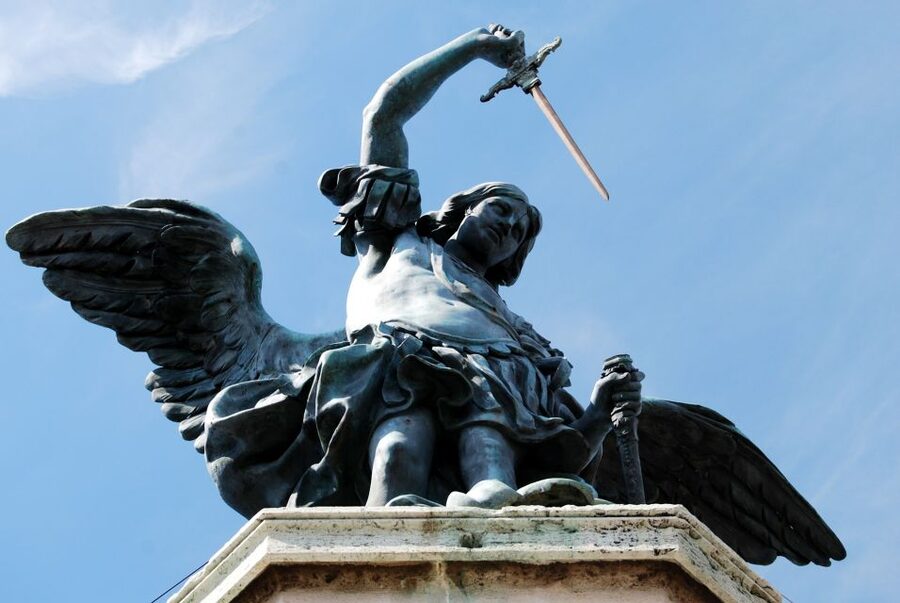
You meet the guide in front of Castel Sant’Angelo, where the guide will hold a City Walkers sign. This is a straightforward meeting point, but give yourself enough time to find the entrance area. Rome’s streets can become difficult during races, closures, or large public events.
The guide leads you inside with swift access. That does not mean you skip the museum’s entry checks. Tickets are nominal, and staff may check the names against your identification. At booking, provide the correct names and birthdates for everyone in your party, then bring a valid passport or ID card.
The $75 price includes the entrance ticket, listed as €16 for adults and free for children under 18, along with the guided walk and headsets if needed. The ticket is part of the package rather than an extra payment at the door. That makes the price easier to judge, especially for visitors who prefer to have the admission and explanation handled together.
The tour runs for two hours. English, French, Italian, and Spanish are available, and a private group option can be selected. The regular small-group setting is the better value for most people, while a private group makes more sense if your party wants a slower question-and-answer session.
Following Hadrian’s tomb and the spiral ramp
The visit begins with the building’s earliest identity: the tomb of Emperor Hadrian. You enter a huge structure that was meant to project imperial power even after the emperor’s death. The guide explains how the original funerary purpose fits into the later shape of the castle.
From here, the route follows fortified corridors and a spiral ramp. The ramp is more than a way to move between floors. It gives you a feel for the building’s defensive design and its unusual internal scale. You are not simply crossing rooms in a straight line. You are winding upward through a monument that was repeatedly adapted.
The climb is manageable for many people, but it is still a climb. The tour is not suitable for people with mobility impairments, and you should think carefully about the ramp and multiple levels if stairs, slopes, or extended walking are difficult for you.
The small-group setup matters in these passages. A large crowd can make an enclosed route feel rushed or hard to follow. With fewer people, you can stay near the guide and ask about the changes you are seeing. The guides are praised for keeping a comfortable pace rather than racing from one room to the next.
The chamber of ashes and the castle’s prison cells
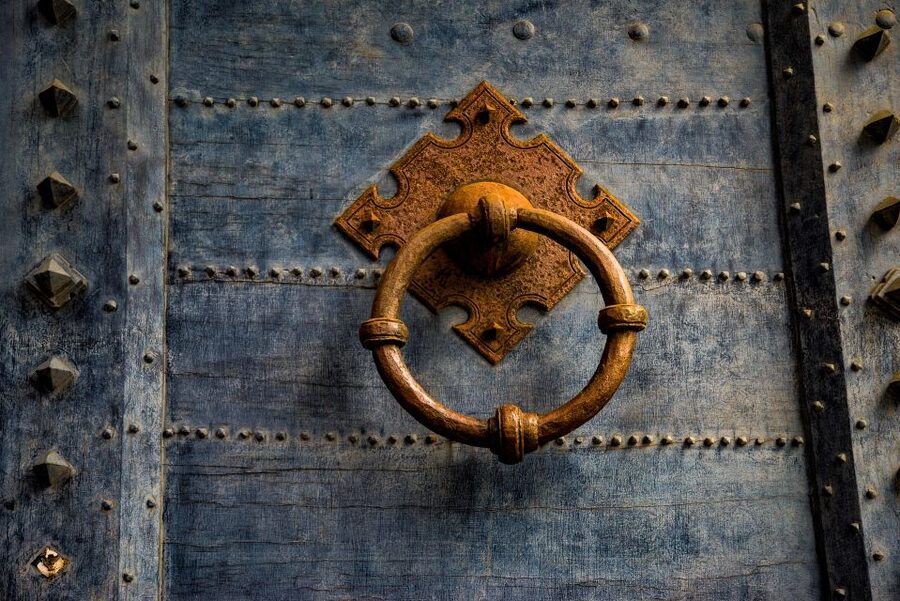
The lower and middle sections reveal the building’s more troubling chapters. You visit the chamber of ashes, a direct link to the tomb’s original function, and cells connected with the castle’s use as a prison.
This is where the tour’s storytelling becomes especially useful. The fortress was not only a grand papal residence or a place for panoramic photos. It also held prisoners, and the cells bring a harsher reality to the monument. The guide places those spaces within Rome’s political and religious story without treating them as mere atmospheric props.
You may find the prison areas less ornate than the rooms above, but they are essential to understanding the castle. They show how the building’s purpose shifted from honoring an emperor to controlling access, protecting powerful figures, and holding people who had become threats or problems.
A guide also helps with scale and sequence. It is easy to see a dark chamber and move on. It is more meaningful to understand how the lower sections relate to the tomb, the fortifications, and the upper papal rooms. Oleg, one guide praised for preparing helpful background material, was noted for presenting events in chronological order. That approach suits this castle because the building’s story is complicated.
More guided tours in Rome:
- Vatican Museums, Sistine Chapel & St Peter’s Basilica Guided Tour
★ 4.5 · 39,149 reviews - Rome: Colosseum, Palatine Hill and Roman Forum Guided Tour
★ 4.8 · 32,814 reviews - Rome: Guided Tour of Colosseum, Roman Forum & Palatine Hill
★ 4.7 · 27,897 reviews - Rome: Colosseum & Forum with Audio Guide App -Optional Arena
★ 4.2 · 24,770 reviews
Renaissance frescoes and former papal rooms
As you reach the upper parts, the mood changes. The austere passages give way to rooms that served as papal residences. Here, the Renaissance frescoes become one of the visit’s main rewards.
The paintings are not an isolated art lesson. They show how the castle was adapted for people who needed comfort, ceremony, and authority within a fortified building. The contrast is striking: below, you encounter burial chambers and prison cells; above, you see decorated rooms connected with the papal court.
The frescoes are described as exceptionally well preserved, and a guide can point out why they matter within the building rather than leaving you to view them as pretty decoration. This is also a good section for questions. Guides including Barbara, Alec, and Silvia Rossetti have been praised for taking time to explain details and respond clearly.
The weaponry collection adds another layer. It reinforces the castle’s military role and helps explain why this former tomb remained useful long after its original purpose ended. You get a more complete picture when the paintings and weapons are seen as parts of the same building, not separate museum displays.
A two-hour tour cannot cover every object in equal depth. That is a fair trade. The guide gives you the broad story, the important rooms, and the key details, rather than turning the visit into an exhausting inventory of every item on display.
The terrace view over Rome
The rooftop terrace is the payoff. After moving through enclosed ramps and rooms, you step into open air and see Rome from above. The view is one of the most memorable parts of the visit, particularly because you have just learned how the building guarded, housed, and controlled parts of the city.
Bring your camera, but do not rush the stop. The terrace gives you time to reset after the dense indoor history and to see how Castel Sant’Angelo fits into Rome’s urban pattern. The skyline photographs are a natural part of the experience, not an afterthought.
The rooftop also helps make the castle’s location understandable. From above, its strategic value becomes easier to imagine. The monument is not an isolated curiosity. It was built and altered because its position mattered.
Some guided visits spend too long on background and leave little time for the final view. This one is designed to reach the upper terrace as part of the route, and the guides are repeatedly praised for keeping the tour well paced. You should still expect the exact timing to vary with the group, questions, and museum conditions.
How the guides shape the experience
The strongest feature of this tour is the quality of its guides. Alec receives especially consistent praise for making difficult history easy to follow, adding humor, and answering questions without losing the thread. Several people describe his tours as thorough but not overwhelming.
Barbara is noted for her patience and warmth, including helping a late-arriving group affected by street closures. Silvia Rossetti is praised for her enthusiasm and command of the subject, while Lorenzo is described as finding a good balance between detail and an enjoyable pace. Oleg is noted for a clear chronological approach and useful preparation before the visit.
Guide quality can vary from one departure to another, so you should not book on the assumption that one named guide is guaranteed unless the provider confirms it. Still, the pattern is encouraging: the experience depends on people who can explain both the famous parts and the less obvious connections.
The humor matters, too. Castel Sant’Angelo contains a lot of dates, rulers, religious politics, military changes, and grim stories. A guide who can lighten the mood without making the subject silly helps you stay focused. The best comments suggest that the guides involve the group rather than delivering a flat speech.
Price, pace, and practical limits
At $75 per person, this is not the cheapest way to enter Castel Sant’Angelo. The adult admission included in the price is €16, and children under 18 enter free according to the tour information. The rest of the cost pays for the guide, group organization, and the convenience of a focused route through a large and complicated monument.
I think the price is fair if you value explanation and have only a short time in Rome. It is less compelling if you prefer to move at your own pace, read every display, or return to favorite rooms. The guided format gives you structure, but it also means following the guide’s route and schedule.
Two hours is a useful middle ground. It is long enough to cover all five floors, the cells, the chamber of ashes, the papal rooms, the frescoes, the weaponry, and the terrace. It is short enough to fit beside another major Rome visit, though you should not try to stack it with too many timed attractions.
The tour operates rain or shine. Much of the route is indoors, but the terrace is outside, so bring suitable clothing for the forecast. Food and drinks are not included, and there is no hotel pickup or drop-off. Weapons, sharp objects, alcohol, drugs, luggage, and large bags are not allowed.
Who should book this Castel Sant’Angelo tour
You should consider this tour if you enjoy layered history, want help sorting out Roman and papal chapters, or prefer a small group to a crowded audio guide. It is also a strong choice for first-time visitors who want a clear route through a monument that can otherwise feel confusing.
Families with older children may appreciate the cells, weapons, defensive passages, and rooftop view. The guide’s humor and stories can make the material easier to follow than a wall of museum text. Children under 18 do not pay the listed admission fee, but the guided tour still has a per-person price, so check the final booking terms for your group.
History fans will get the most from the visit, but you do not need to arrive as an expert. The guides build the story as you move through the building. You only need curiosity and the ability to manage the spiral route and multiple floors.
You may want a different option if you have mobility limitations, dislike guided schedules, or want a quiet art visit with no commentary. The castle’s structure includes slopes and extended walking, and the tour takes place regardless of rain.
Cancellation is free up to 24 hours before the start time, and reserve-now-pay-later booking is available. Those terms help if your Rome plans are still shifting, but you still need accurate participant names, birthdates, and identification for entry.
Should you book it?
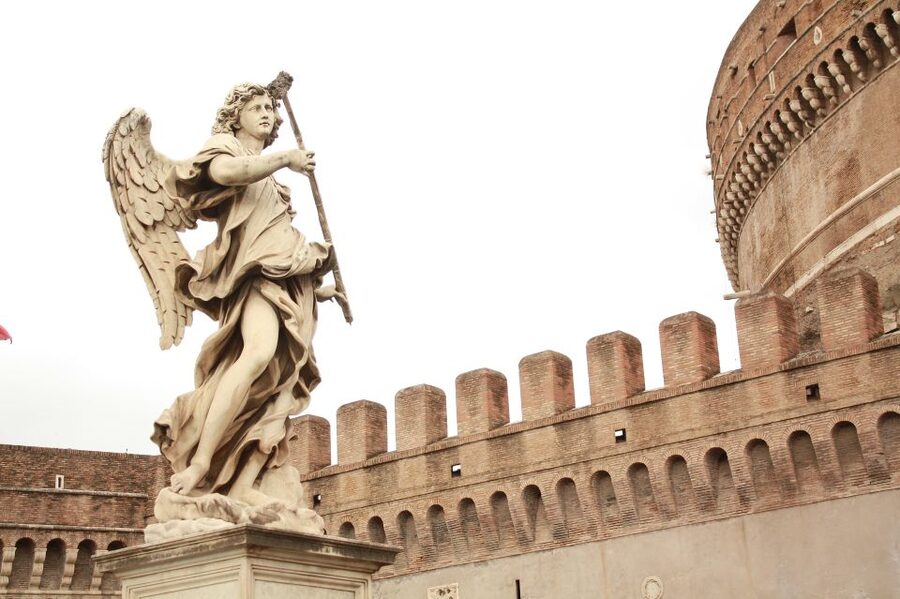
I would book this tour if Castel Sant’Angelo is on your list and you want the building to make sense, not just provide a rooftop photo. The combination of Hadrian’s tomb, prison cells, papal rooms, Renaissance frescoes, weaponry, and terrace gives you a fuller visit than a quick walk-through.
The best reason to choose it is the guide-led storytelling. Alec, Barbara, Silvia, Lorenzo, and Oleg are all associated with the qualities you want here: clear explanations, humor, patience, strong subject knowledge, and a steady pace. The one real caution is the physical route. If the spiral ramp and several levels are manageable for you, the $75 cost buys a focused two-hour look at one of Rome’s most layered monuments.
FAQ
How long is the Castel Sant’Angelo guided tour?
The tour lasts two hours.
What is included in the price?
The price includes admission to Castel Sant’Angelo, a two-hour guided walking tour, and headsets if needed.
How much does the tour cost?
The stated price is $75 per person.
Is the adult entrance ticket included?
Yes. The tour price includes the adult admission cost, listed as €16. Admission is free for children under 18.
What languages are available?
The live tour guide is available in English, French, Italian, and Spanish.
Where do I meet the guide?
Meet the guide in front of the Castel Sant’Angelo entrance. The guide will hold a City Walkers sign.
Do I need to bring identification?
Yes. Bring a valid passport or ID card. Tickets are issued in the names of the participants, and museum staff may check the names at the entrance.
Do I need to provide participant birthdates?
Yes. You must provide the correct names and birthdates for all participants when booking.
Is the tour suitable for people with mobility impairments?
No. The tour is not suitable for people with mobility impairments because the route includes a spiral ramp and several levels.
Can I cancel the booking?
You can cancel up to 24 hours in advance for a full refund. Reserve-now-pay-later booking is also available.
Newest Rome tours we have reviewed
- Private TikTok Video Making in Rome★ 5.0 · 7 reviews
- Assisi, Orvieto and Civita di Bagnoregio Full Day Tour from Rome★ 4.5 · 45 reviews
- Assisi & Saint Francis Path Tour from Rome★ 5.0 · 45 reviews
- Assisi and Cascia Private Day Tour from Rome with Lunch★ 5.0 · 10 reviews
- Art Class in the center of Rome!★ 4.0 · 4 reviews
- Art & Craft: Beer Tour with Street Art in Rome★ 4.5 · 6 reviews
- Arrival in Rome: Airport Transfer & Exclusive City Introduction★ 5.0 · 3 reviews
- From Rome: Private Day-Tour of Tuscany★ 5.0 · 16 reviews
Castel Sant’Angelo Tours, compared.
Castel Sant’Angelo Skip-the-Line Ticket & Audio Guide
Read our review →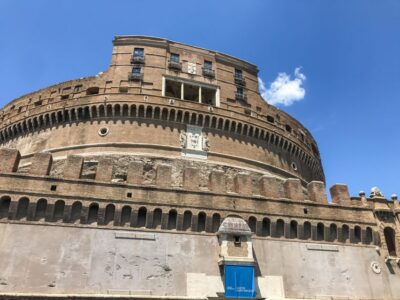

Castel Sant’Angelo Skip-the-Line Entry Ticket
Read our review →




Browse the lists this tour appears in