
Reviewed · ROME OPERA AND CONCERT TICKETS
Rome: St. Paul’s Within the Walls Church Opera Arias Ticket
Rome’s opera night comes in a compact, approachable package at St. Paul’s Within the Walls Church. For about $29, you hear famous arias by Verdi, Puccini, Mozart, Rossini, and Bizet in a Gothic Revival setting with strong natural acoustics. It is a concert of opera highlights, not a complete staged opera, and that distinction matters.
I like two things here: the program gives first-time listeners plenty of familiar music, and the church makes the evening feel special without requiring a formal opera wardrobe or a large time commitment. The main drawback is seating. Category B can put you far from the performance area, and the wooden seats may feel hard during the 90-minute concert.
Key points to know before booking
- Famous arias in one 90-minute concert: Hear music from La Traviata, Tosca, La Bohème, Carmen, The Barber of Seville, Don Giovanni, and more.
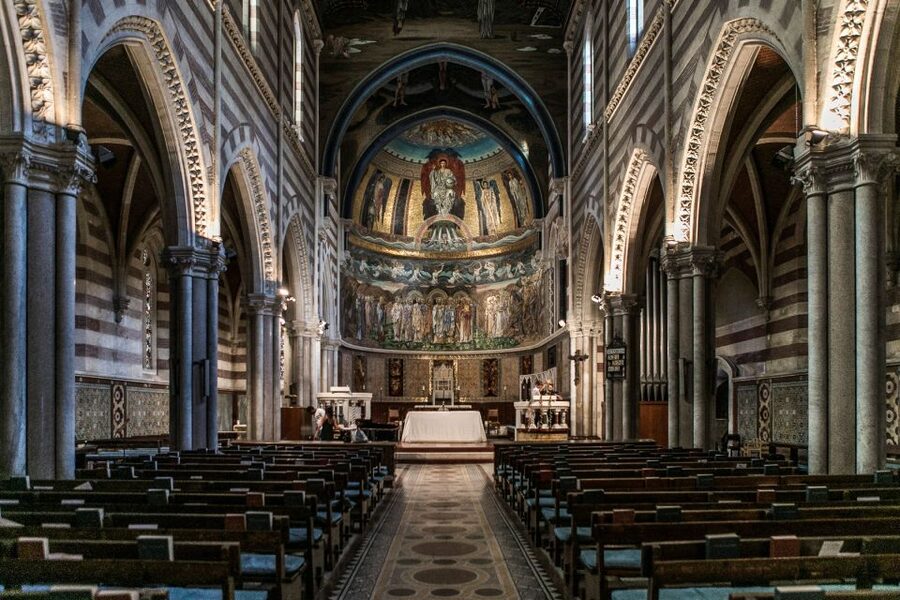
- A church with a dramatic setting: St. Paul’s Within the Walls offers Gothic Revival architecture and acoustics that suit powerful voices.
- This is not a full opera: You get selected arias, overtures, duets, and instrumental pieces rather than costumes, scenery, and a complete plot.
- Choose your seating carefully: Category A is the safer choice for a closer view. VIP adds skip-the-line access.
- Arrive early for the best choice: You select a seating section, but seats are not individually assigned.
- Easy evening timing: The concert lasts about 1.5 hours and includes no transportation, so you make your own way to the church.
What this Rome opera concert actually is
The title may suggest a full opera production, but this event is better understood as a greatest-hits concert. I think that makes it a smart first step if you are curious about opera but do not want to spend an entire evening following a story in Italian.
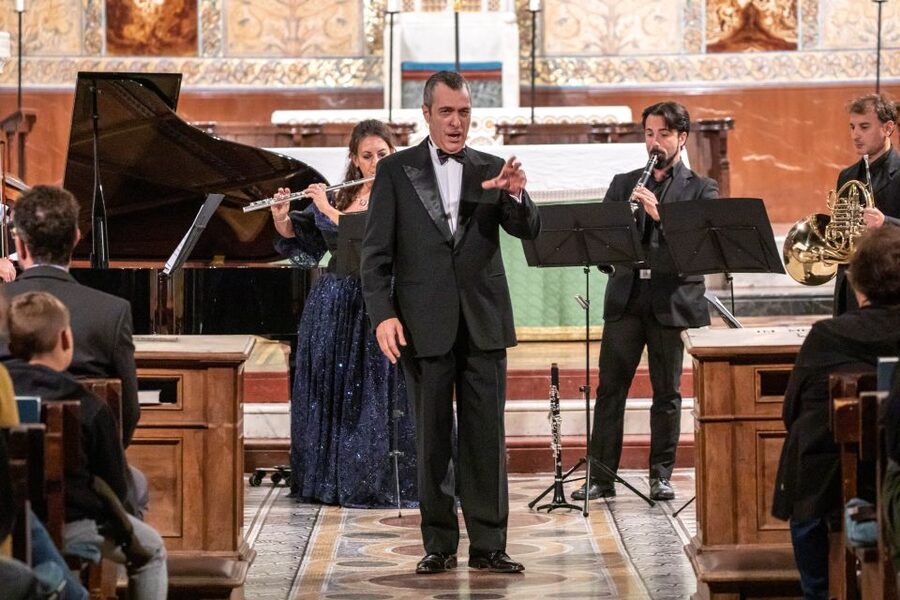
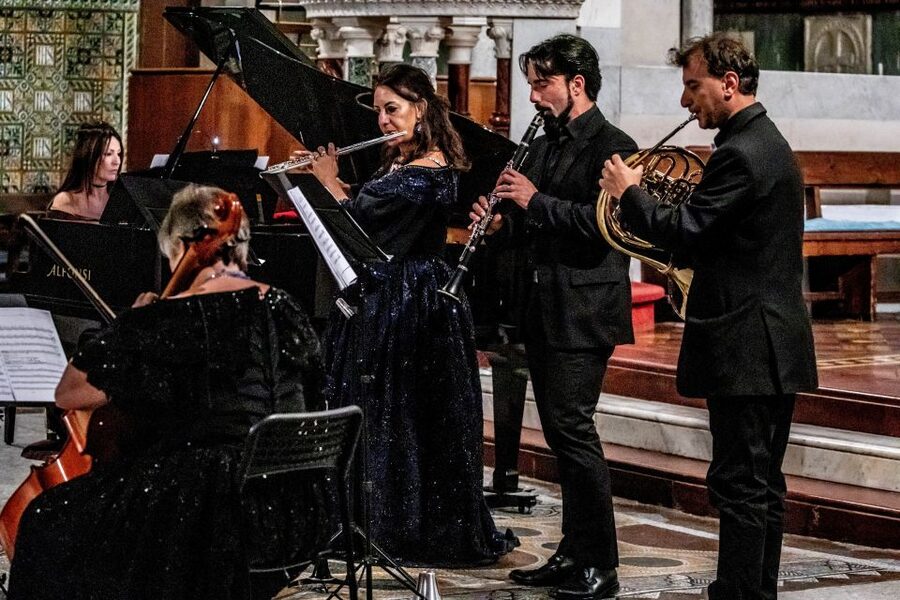
The musicians perform a program of well-known overtures, arias, duets, and ensembles. Soprano, tenor, and baritone voices are accompanied by a small group of instruments: violin, cello, piano, flute, clarinet, and horn. The orchestra is formed by professors from leading Italian conservatories and specializes in the Italian lyrical tradition.
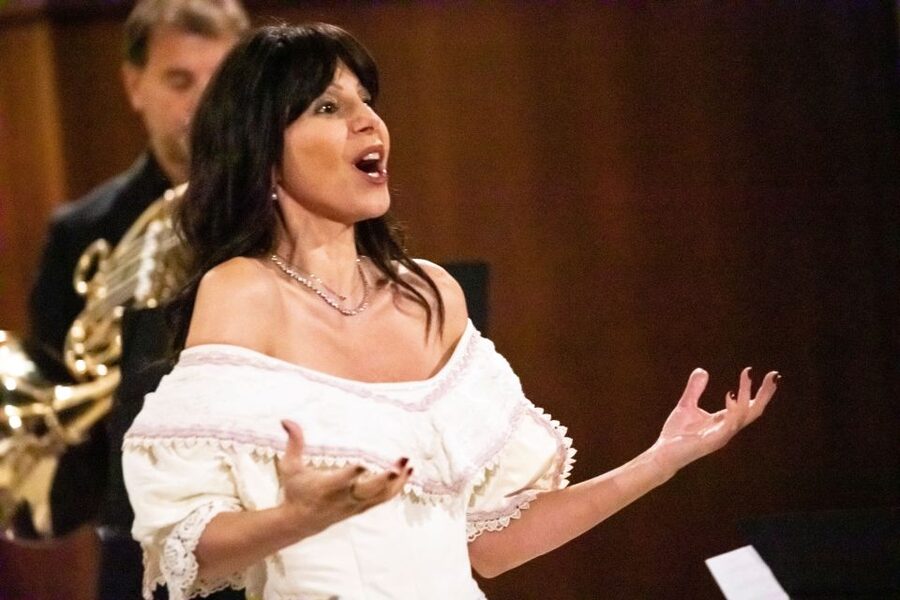
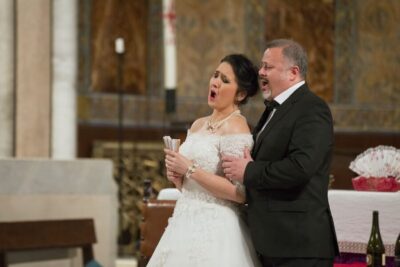
You will not see elaborate scenery or a full cast acting through every scene. Instead, singers perform selected moments, often with expressive gestures and costumes. That performance style helps you understand the drama even if you do not speak Italian. One especially useful feature for newcomers is the range of musical moods: comedy, romance, jealousy, tragedy, and swagger all appear in the same evening.
The ensemble’s compact size also changes the feel of the music. This is not a huge opera-house orchestra filling a pit. In a church, the voices and instruments can feel close and direct, while the stone interior adds a long acoustic response.
More opera and concert tickets in Rome:
- Rome: “The Most Beautiful Opera Arias” Concert
★ 4.3 · 2,495 reviews - Rome: Opera Concert at Palazzo Poli – Fontana di Trevi
★ 4.7 · 1,026 reviews - Rome: The Three Tenors at St. Paul’s Church Concert Ticket
★ 4.7 · 699 reviews
Why St. Paul’s Within the Walls matters
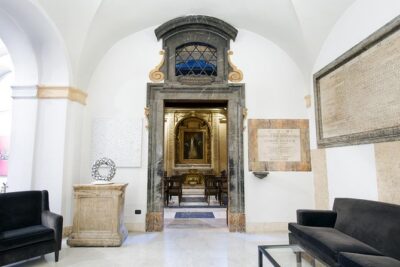
The setting is more than a place to put chairs. St. Paul’s Within the Walls is a Gothic Revival church in central Rome, and its tall interior gives the performance a sense of ceremony without making the evening feel overly formal.
The architecture is one of the strongest reasons to choose this concert over a standard hall. You hear opera beneath church arches and inside a space built for the human voice. The acoustics are a major part of the experience, especially during sustained soprano and tenor passages.
The church is also practical for a short evening plan. You can pair the concert with dinner or a walk through central Rome, then enjoy the performance without committing to a four-hour production. The lack of transportation means you need to plan your route yourself, but the meeting point is clear: exchange your voucher at the St. Paul’s Within the Walls ticket counter before the concert begins.
A small warning: churches are not always designed for comfort during a long seated performance. Conditions can feel warm, and the seats may be firm. You are there for the sound and setting first, not plush theater seating.
The opening program: Verdi, Rossini, and Mozart
The first act begins with Verdi’s La Traviata Prelude, a quiet, reflective opening that sets the mood before the voices arrive. It is followed by Va, pensiero from Nabucco, one of Verdi’s best-known choral melodies. In this concert format, it gives the program an immediate Italian identity.
Rossini then changes the tone with Largo al factotum from The Barber of Seville. This is the comic, fast-moving side of opera, built around the swaggering Figaro character. A strong baritone can turn it into one of the evening’s most entertaining moments.
The program continues with Leoncavallo’s Mattinata, a brief romantic song, and Rossini’s Una voce poco fa, a famous showcase for the female voice from The Barber of Seville. These selections make clear why this concert suits mixed groups. You get broad melodies, comic numbers, romantic pieces, and vocal fireworks rather than one long musical mood.
Mozart’s La ci darem la mano from Don Giovanni brings a duet between two contrasting voices. It is a useful introduction to how opera characters interact through music, even without a full scene around them.
Then comes Puccini’s E lucevan le stelle from Tosca, a tenor aria with a more serious, yearning mood. Puccini’s melodies are often the easiest for first-time listeners to connect with, and this is one of the evening’s emotional high points.
Offenbach’s Barcarolle from The Tales of Hoffmann adds a gentle, flowing interlude. Verdi’s Libiamo ne’ lieti calici, the famous drinking song from La Traviata, closes the first act with bright energy and an ensemble feel.
This sequence is well chosen for an introductory concert. You move from solemn orchestral music to comedy, from solo arias to duets, then back to a familiar celebratory number. The drawback is that the program moves quickly. You get a taste of many operas, but not enough time with any one story or character to follow a complete dramatic arc.
The second act: Carmen, Puccini, and comic finales
The second act opens with the Entr’acte from Bizet’s Carmen, an instrumental passage that gives the singers a break and lets the church acoustics work on their own. Bizet’s music has a crisp, immediately recognizable character, making it a pleasant reset after the vocal demands of the first act.
Puccini returns with Quando me’n vo from La Bohème, often called Musetta’s Waltz. It is flirtatious, theatrical, and lighter than the tragic music many people associate with La Bohème. You get the sparkle of the character without sitting through the opera’s full emotional journey.
The Toreador Song from Carmen follows. This is one of the most accessible numbers on the program, with a bold melody and a clear theatrical personality. If you are new to opera, it is the kind of piece you may recognize even if you do not know its title.
Verdi’s La donna è mobile from Rigoletto is another crowd-friendly tenor aria. It is short, catchy, and built for immediate effect. Then Mascagni’s Intermezzo from Cavalleria Rusticana brings the mood back to something more spacious and orchestral.
The most serious section arrives with Puccini’s Vissi d’arte from Tosca. This soprano aria is slow, dramatic, and emotionally exposed. In a church setting, the sustained vocal lines can feel especially powerful, though the same acoustics may blur some words for listeners seated farther back.
Mozart closes the main dramatic stretch with Non più andrai from The Marriage of Figaro, a playful number with a military flavor. Rossini’s Zitti, zitti, piano, piano from The Barber of Seville brings the listed program to a lively finish.
The exact program can change, so do not treat the printed sequence as guaranteed. The main promise is the style and selection of famous lyrical arias, not a fixed cast list or unchanging running order.
More tickets and entry passes in Rome:
- Rome:Hop-On Hop-Off Panoramic Open Bus Ticket 3 Circuits x 1
★ 4.0 · 15,405 reviews - Vatican Museums & Sistine Chapel Skip-the-Line Entry Ticket
★ 4.4 · 13,838 reviews - Vatican Museums & Sistine Chapel Skip-the-Ticket-Line Tour
★ 4.3 · 10,486 reviews - Rome: St. Peter’s Basilica & Dome Entry Ticket & Audio Tour
★ 4.2 · 7,537 reviews
Seating: why category A may be worth it
You choose category A, category B, or VIP seating. The most useful practical detail is that you choose a section, but not a specific seat. Arriving early gives you a better chance of selecting a favorable place within your category.
I would choose category A if you care about seeing facial expressions, costume details, and the singers’ interaction. Category B can still work well for listening, but it may place you much farther from the staging area. That distance matters in a concert with expressive acting because some of the visual detail is part of the appeal.
VIP seating includes skip-the-line access, which can be useful if you want less waiting before the concert. The supplied details do not specify every VIP benefit beyond that access, so I would not assume it includes extras such as drinks or a private area.
For the best seat choice, arrive early and exchange your voucher at the church ticket counter before the performance. This is particularly sensible if you are traveling with someone and want to sit together. You are not buying a numbered seat, so timing affects your options.
The sound, singers, and performance style
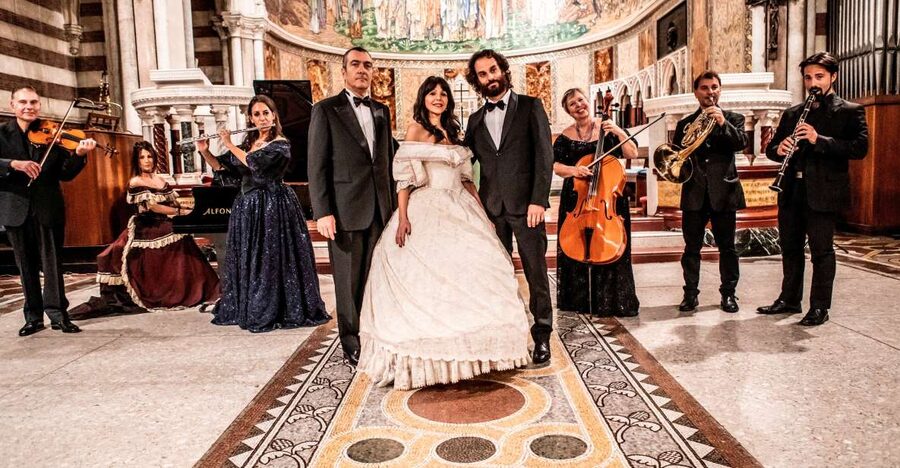
The orchestra includes violin, cello, piano, flute, clarinet, and horn, along with soprano, tenor, and baritone soloists. That lineup gives you a smaller-scale version of opera accompaniment rather than a full symphonic orchestra.
The singers are the main event. The program depends on strong projection, clear character work, and the ability to shift from comedy to tragedy within minutes. The performance style includes costumes and dramatization, which helps English-speaking listeners follow the emotional action even without understanding every Italian word.
The acoustics receive much of the credit for the concert’s impact. A church can carry a high note across the room with very little effort. It can also make fast passages less distinct, particularly from the rear or side sections. That is another reason to consider category A if you want both sound and sight.
This is a good choice for an opera newcomer because the music is familiar and the format is simple. You can enjoy the melodies without knowing the plots of Tosca or Rigoletto. If you already attend major opera productions, you may find the lack of scenery and complete storytelling limiting. The value here is variety and atmosphere, not a fully staged dramatic production.
Is $29 a good value in Rome?
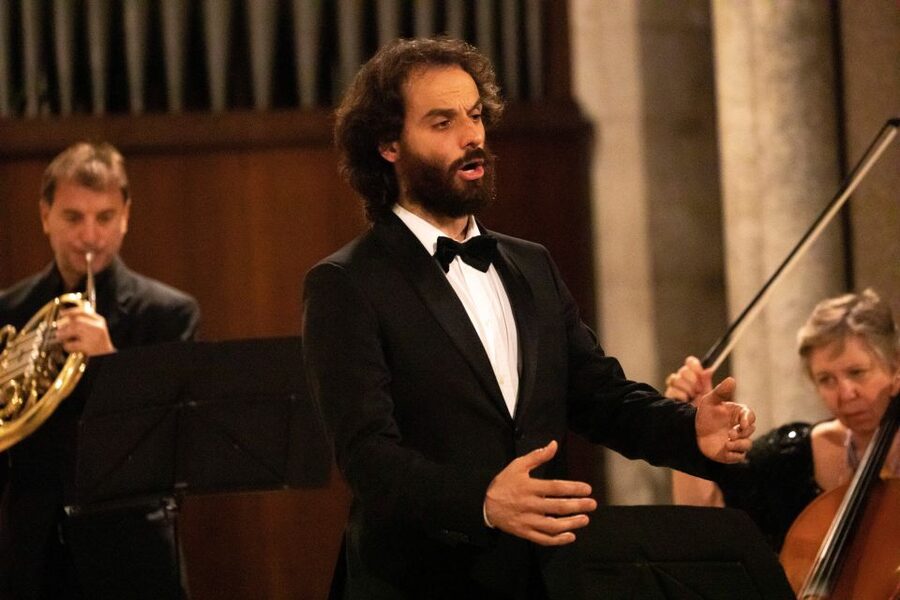
At $29 per person, this is a reasonable cultural evening, especially when compared with the cost and time of a full opera production. You get 90 minutes of live music in a historic church, with professional singers and instrumentalists performing a long list of famous works.
The value is strongest if you want an easy introduction to Italian opera. You do not need to study a plot in advance, and the program gives you recognizable highlights from several composers. It also fits neatly into a busy Rome schedule.
The price is less compelling if you expect a grand opera house, a full orchestra, lavish scenery, or a complete production. Those are not what you are buying. Think of it as a concert sampler in a memorable venue.
At this price, category A may be the best balance. Category B keeps the cost down, but a distant view can reduce the theatrical side of the evening. VIP makes the most sense if avoiding the line is important to you.
Who should book this experience?
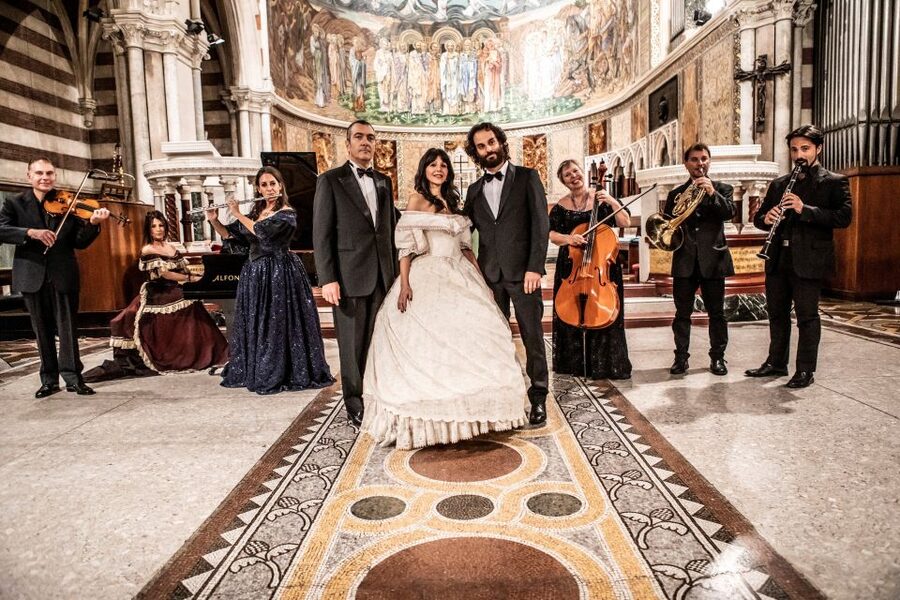
I would recommend it to first-time opera listeners, couples looking for a quieter evening, and anyone who wants Italian culture without a long formal production. It also works well for families with older children who can sit through 90 minutes and appreciate live performance.
It suits music lovers who already know a few famous arias and want to hear them in Rome. The church setting gives the evening a sense of place that a generic concert room would not provide.
I would be more cautious if you need fully accessible seating details beyond the stated wheelchair accessibility, if you dislike firm seating, or if you want a complete opera with a developed plot. You should also know that pets are not allowed and that the performance language and host language are Italian.
The cancellation policy is forgiving: you can cancel up to 24 hours before the start for a full refund. A reserve-now, pay-later option is also available, which helps if your Rome schedule is still shifting.
Should you book the St. Paul’s opera concert?
Book it if you want famous Italian opera music, a distinctive church setting, and a manageable 1.5-hour evening for $29. Choose category A if seeing the singers matters to you, and arrive early because sections are selected without individually assigned seats.
Skip it if your goal is a full opera with scenery, a complete plot, and a large orchestra. For everyone else, this is a practical and enjoyable way to hear Verdi, Puccini, Mozart, Rossini, and Bizet in Rome without turning the evening into a major production.
FAQ
How long does the concert last?
The concert lasts approximately 1.5 hours.
Is this a complete opera production?
No. The program presents famous arias, overtures, duets, and instrumental pieces from several operas. It is a concert of highlights rather than one complete staged opera.
Which composers are included?
The program includes works by Verdi, Puccini, Mozart, Rossini, Bizet, Leoncavallo, Offenbach, and Mascagni. The exact program may change.
Where does the concert take place?
It takes place at St. Paul’s Within the Walls Church in Rome, in the Lazio region of Italy.
What seating choices are available?
You can choose category A or category B seating, with VIP seating also available. You select a section rather than an individually assigned seat.
Does VIP seating include skip-the-line access?
Yes. VIP seating includes skip-the-line access.
Is the concert wheelchair accessible?
Yes, the activity is listed as wheelchair accessible.
How do I use my ticket at the venue?
You must exchange your voucher at the St. Paul’s Within the Walls ticket counter before the concert begins.
Newest Rome tours we have reviewed
- Private TikTok Video Making in Rome★ 5.0 · 7 reviews
- Assisi, Orvieto and Civita di Bagnoregio Full Day Tour from Rome★ 4.5 · 45 reviews
- Assisi & Saint Francis Path Tour from Rome★ 5.0 · 45 reviews
- Art & Craft: Beer Tour with Street Art in Rome★ 4.5 · 6 reviews
- Assisi and Cascia Private Day Tour from Rome with Lunch★ 5.0 · 10 reviews
- Art Class in the center of Rome!★ 4.0 · 4 reviews
- Arrival in Rome: Airport Transfer & Exclusive City Introduction★ 5.0 · 3 reviews
- From Rome: Private Day-Tour of Tuscany★ 5.0 · 16 reviews
Rome Opera and Concert Tickets, compared.
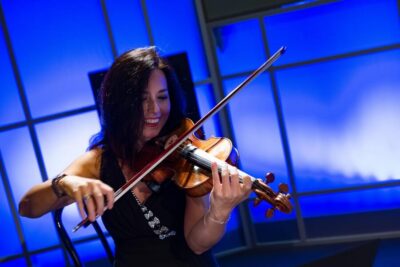
Opera Concert at Palazzo Poli – Fontana di Trevi
Read our review →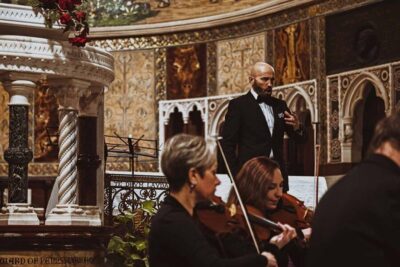
The Three Tenors at St. Paul’s Church Concert Ticket
Read our review →
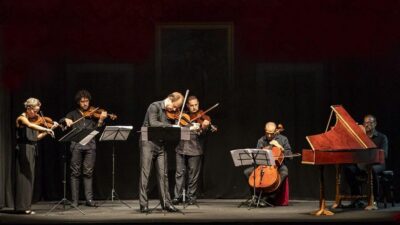
The Great Opera Arias Concert at Palazzo Poli – Trevi Fountain
Read our review →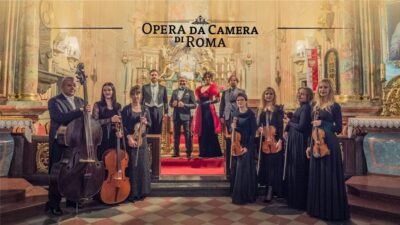
Giuseppe Verdi’s “La Traviata” Live Performance
Read our review →Browse the lists this tour appears in