
Reviewed · ROME FOOD MARKET TOURS
Rome: The Vatican Market Experience Tasting and Class
Mercato Trionfale gives you a look at Rome through its food stalls, not its monuments. Near the Vatican, you’ll follow a local Roman Foodie through a market of nearly 300 vendors, taste Roman pizza, supplì, porchetta, cheeses, olive oil, and wine, then make carbonara with ingredients bought that day.
I like the mix of market tasting and hands-on cooking, since you are not simply eating your way through Rome. I also like the personal touch reported from guide Elisabetta, including her warm chats with vendors and a home-style cooking setting. The main consideration is the $155.20 price, which is high for a food tour, though it covers a private guide, more than 10 tastes, three glasses of wine, a full class, carbonara, and gelato.
Key points to know before booking
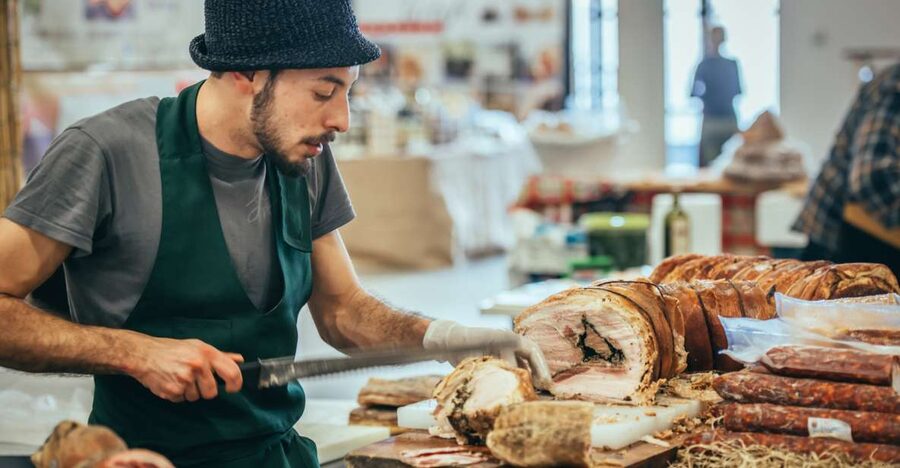
- Mercato Trionfale is the heart of the tour: You visit six market stops among nearly 300 food stalls.
- The tasting list is broad: Expect more than 10 foods, from bruschetta and Roman pizza to supplì, porchetta, cheeses, truffle products, and gelato.
- Carbonara is the practical centerpiece: You cook one of Rome’s most famous dishes using fresh market ingredients.
- Elisabetta adds local warmth: She knows the vendors, explains Roman food traditions, and brings history into the walk.
- Wine is part of the meal: Three glasses of Roman wine are included, along with one non-alcoholic drink.
- Private groups make the pace flexible: Vegetarian, vegan, and celiac options can be arranged.
Why Mercato Trionfale makes a better food lesson than a restaurant
A restaurant can show you polished Roman cooking. Mercato Trionfale shows you where the ingredients begin.
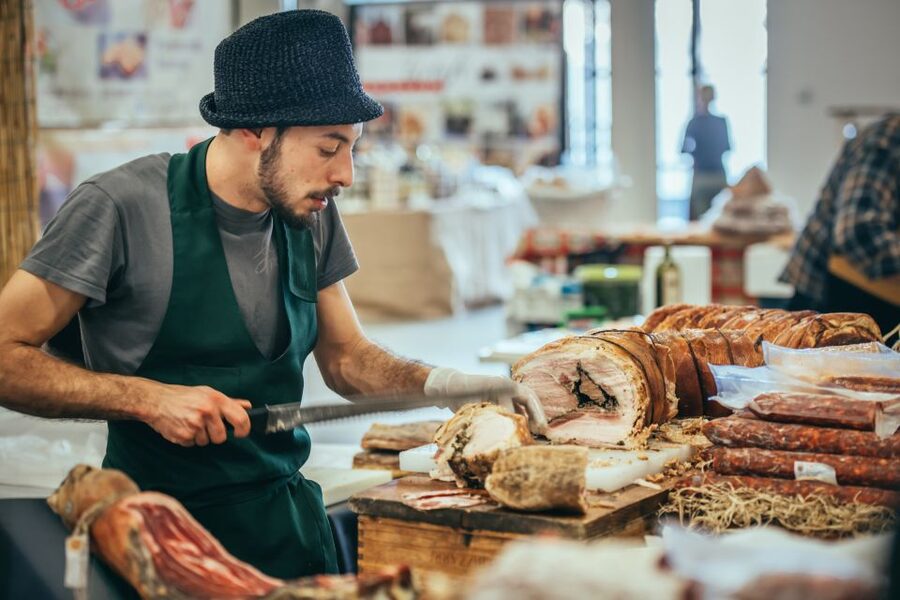
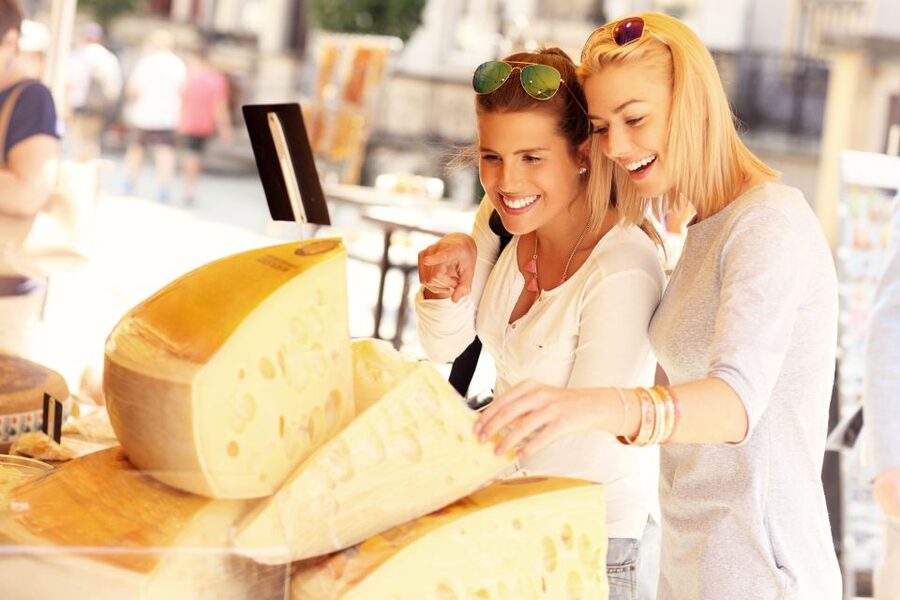
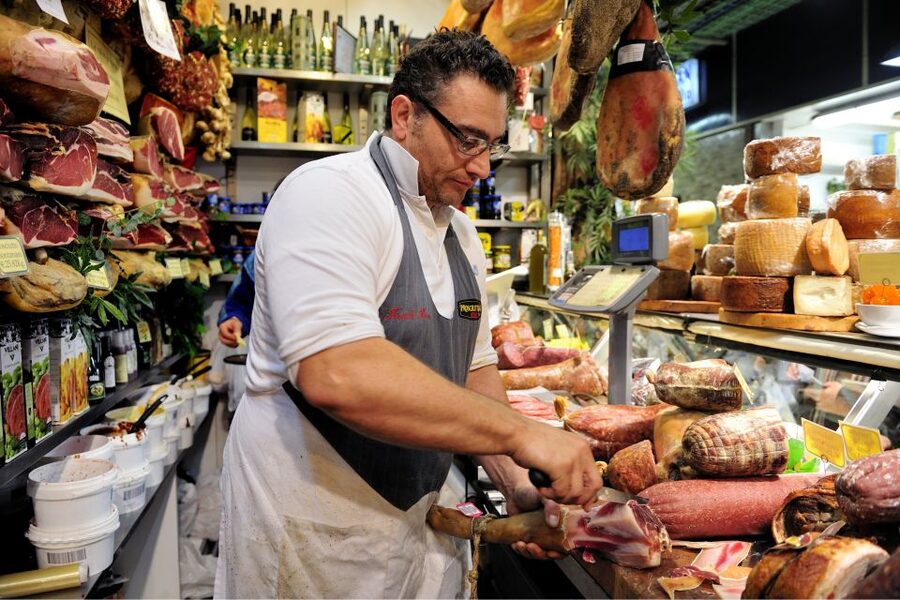
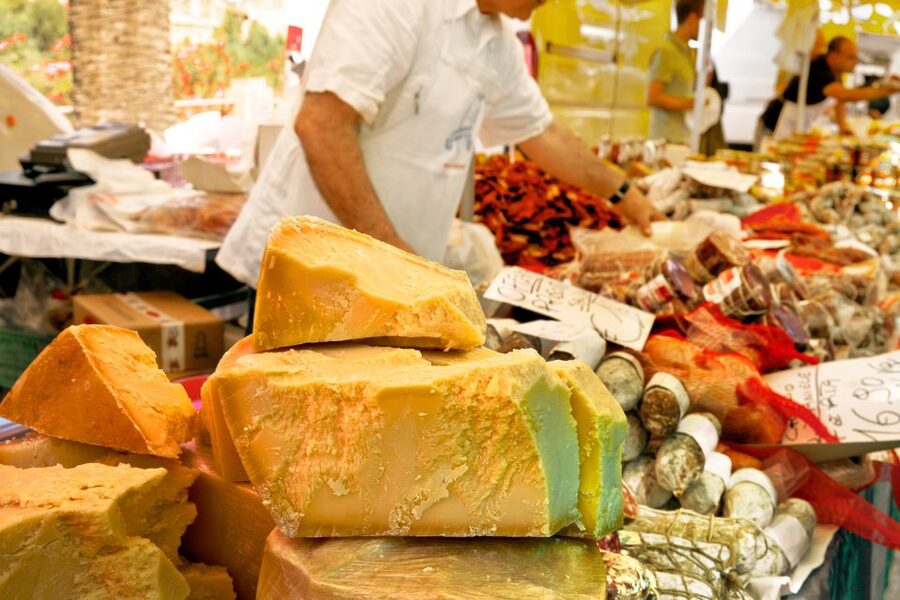
The market is in the Vatican quarter and has nearly 300 stalls selling vegetables, fruit, spices, meat, seafood, cheese, bread, wine, and other kitchen staples. That scale matters. You are not stopping at one carefully selected shop. You are moving through the place Romans use to fill their own kitchens.
I like this approach because it gives the food a setting. A wedge of cheese means more when you have just seen the vendor’s counter. Olive oil becomes easier to understand when it is part of a larger discussion about choosing good ingredients. You get a working food market rather than a staged tasting room.
The market can also feel like a lot to take in. Rows of stalls, unfamiliar products, and new Italian food terms can blur together if you are on your own. A local guide helps by pointing out the important stops and explaining what deserves your attention.
More food market tours in Rome:
- Rome: Trastevere & Campo de Fiori Street Food Walking Tour
★ 4.9 · 2,768 reviews - Rome: Colosseum, Roman Forum & Trajan’s Market Exterior Tour
★ 4.3 · 2,038 reviews - Roman Food Tour with Visit to the Trionfale Food Market
★ 5.0 · 471 reviews
Six market stops and more than 10 Roman tastes
The tasting route includes six stops, with more than 10 different foods paired with three glasses of Roman wine and one non-alcoholic drink. The exact order can vary, but the food list gives you a good sense of the meal ahead.
Bruschetta and Roman pizza
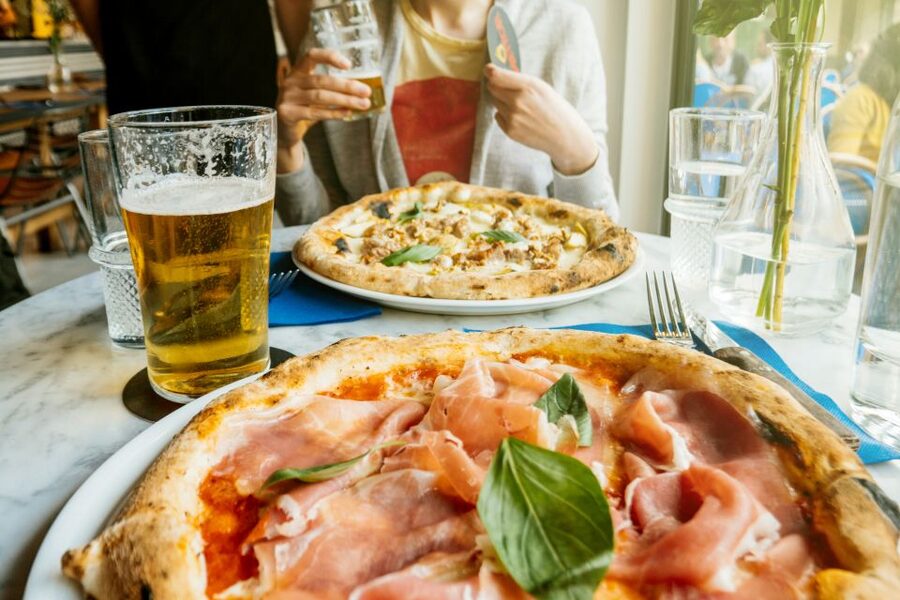
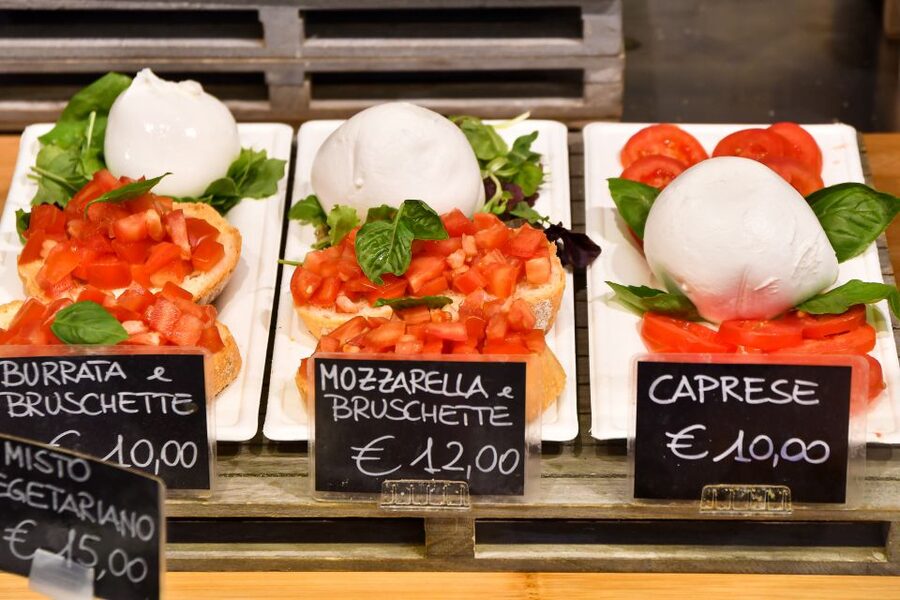
You begin with familiar Italian territory, though Roman versions have their own character. Bruschetta lets you focus on bread, olive oil, and toppings. The pizza tasting includes a selection of traditional Roman slices, giving you several flavors instead of one large serving.
This is useful early in the tour because it sets a baseline. You can pay attention to the bread, the seasoning, and the way simple ingredients carry the dish. It is also one of the easier parts of the tasting for children or less adventurous eaters.
The practical point is to arrive hungry but not starving. This is a long series of samples, not a quick snack, and the meal keeps building.
Supplì, Rome’s street-food favorite
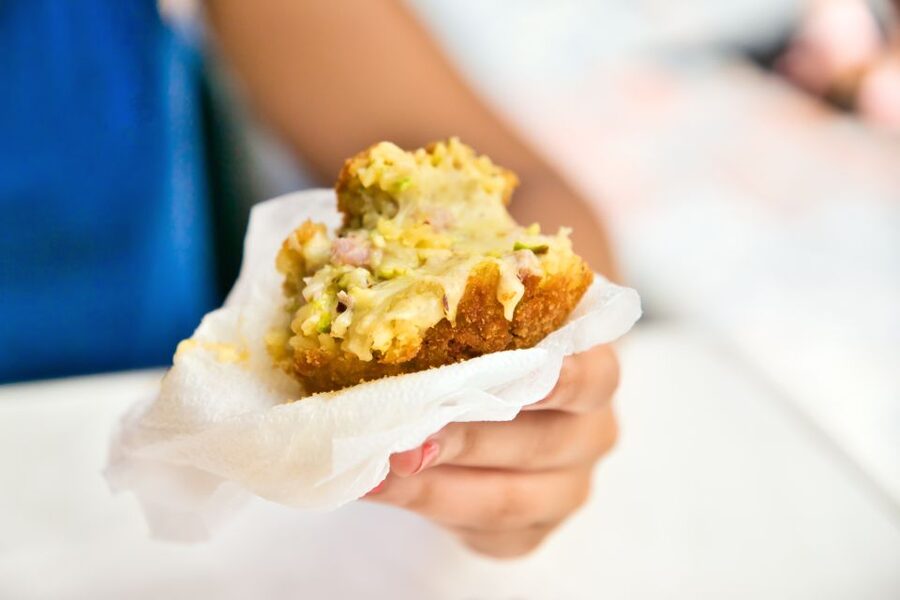
Supplì is a Roman rice croquette filled with peas and minced meat. Its crisp outside and soft center make it one of the most distinctive bites on the route.
This is the kind of food that can be easy to miss if you only visit famous restaurants. Supplì belongs to Rome’s everyday street-food culture, so tasting it in the market gives you a more grounded sense of how Romans eat between meals.
If you have dietary restrictions, mention them when booking. The tour is adaptable for vegetarian, vegan, and celiac needs, but the standard supplì described here contains meat.
More food tours in Rome:
- Rome: Tuscany & Montepulciano Day Trip with Lunch & Wine Tasting
★ 4.5 · 5,232 reviews - Winner 2025 Rome Twilight Trastevere Food Tour by Eating Europe
★ 5.0 · 5,157 reviews - Rome: Trastevere or Jewish Quarter Street Food Tour
★ 4.8 · 3,839 reviews - Rome Food Tour: Unlimited Tastings with Fine Wine & Barolo
★ 5.0 · 3,365 reviews
Porchetta and buffalo mozzarella
Porchetta brings a very different flavor: seasoned roast pork served in slices. Buffalo mozzarella adds a soft, milky contrast. Together, these products show how much Italian cooking depends on good ingredients served with very little fuss.
I like this part of the route because you can compare texture as well as flavor. Porchetta is hearty and savory, while mozzarella is delicate and fresh. The pairing also keeps the tasting from becoming a parade of similar bites.
Goat cheeses, bread, and olive oil
The cheese tasting moves beyond the best-known Italian varieties. Different goat cheeses give you a chance to compare strength, texture, and finish. Homemade bread and olive oil round out the stop.
This is where the guide’s explanations matter. Without context, a cheese tasting can become a series of small pieces that you quickly forget. With a local guide, you can connect each bite to the broader Italian habit of shopping for a few good ingredients and letting them do the work.
The bread and olive oil are not filler. They help you understand how Italians build a meal from basic pantry items. You may also taste the difference between food intended for cooking and food intended to eat as it is.
Truffle products and wine
Truffle delicacies add a more luxurious note to the market route. They are paired with Roman wine, as are other parts of the tasting.
Three glasses of wine are included. That amount is enough to make the pairings part of the experience without turning the outing into a full wine tour. You also receive one non-alcoholic drink, useful if you do not drink or want a break between tastings.
Keep in mind that this is a food-led tour, not a technical wine class. The focus is on how Roman food and local wine work together.
Gelato near the Vatican
The final food stop is gelato from one of Rome’s most respected gelaterias, according to the experience description. It comes after the cooking class and serves as a sweet finish while the guide explains the Vatican, the Popes, and the district’s religious buildings.
The gelato is more than dessert. It gives the tour a final change of pace after the market and kitchen. You can finish with something cool and sweet while shifting your attention back to the city around you.
Cooking carbonara with ingredients from the market
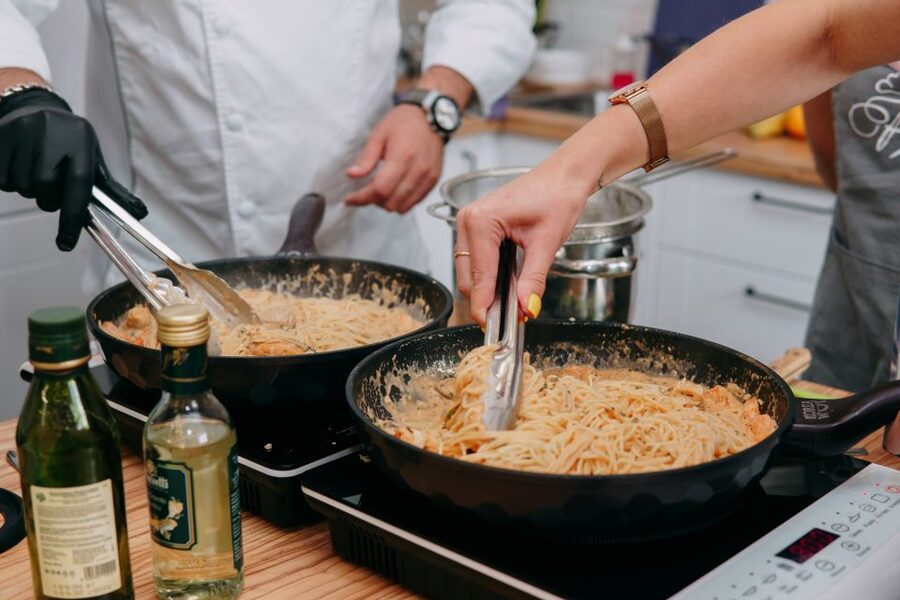
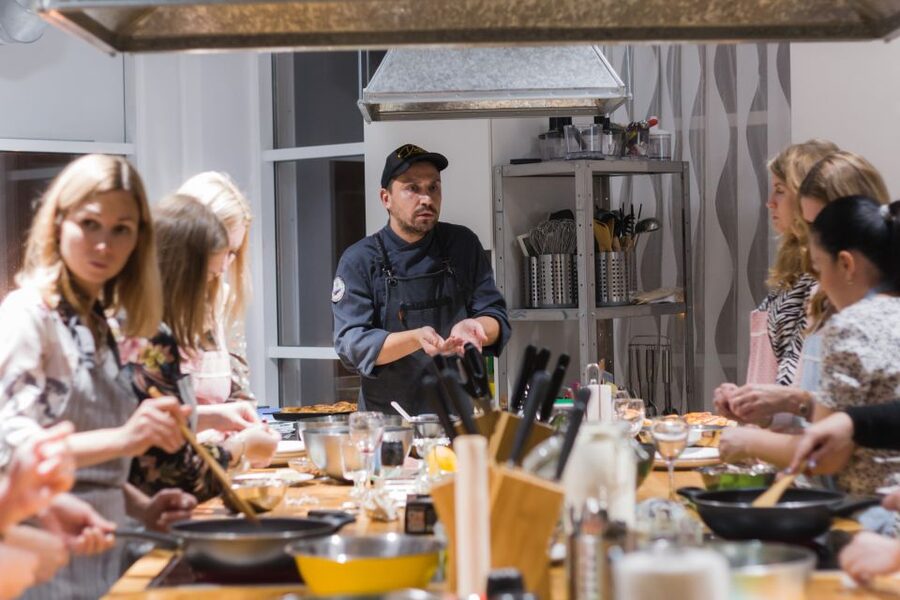
The private cooking class is the strongest reason to choose this tour instead of a standard tasting walk. You do not just hear about Roman food. You prepare a dish yourself.
The class focuses on pasta carbonara, one of Rome’s signature dishes. The ingredients are fresh products bought at the market, so the cooking lesson connects directly to the first part of the tour.
A good carbonara depends on a few basic choices: pasta, eggs, cheese, and the proper savory ingredient. The experience does not list every technique or ingredient in advance, so you should not expect a formal culinary-school curriculum. Instead, expect a practical lesson built around preparing one classic Roman dish with a local chef.
You then eat one serving of the carbonara you helped make. That matters. The dish is not only a demonstration, and you are not left with a recipe talk and no meal. The class becomes part of lunch.
The cooking takes place in a cozy private kitchen near the market. One account of the experience describes cooking at Elisabetta’s home and meeting her mother, who helped demonstrate how to cut apricots and tomatoes. That detail gives the class a family setting rather than a commercial studio feel, though the exact home arrangements may depend on the day and host.
This setting will suit you if you enjoy conversation and personal contact. It may be less appealing if you want a polished, highly structured cooking school with professional workstations and several dishes.
Elisabetta’s role makes the tour personal
The guide is a major part of the value here. Elisabetta is described as both a local Roman Foodie and the owner of a small restaurant. She brings two useful perspectives: she knows how Romans shop, and she understands how ingredients become finished dishes.
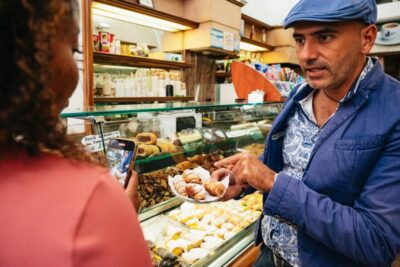
Her connection with the market vendors is especially valuable. One account describes friendly conversations with the sellers, making the market feel easier to enter even for visitors who know only a few Italian phrases. That kind of introduction can change the mood of a market walk. You are not simply pointing at foods behind a counter. You have someone who can help you engage with the people selling them.
Elisabetta also brings Rome’s past into the route. The tour includes an explanation of the Vatican, the Popes, and the religious buildings nearby. This is not a dedicated Vatican Museums tour, and it does not include a museum visit. Think of the history as context woven around the food walk and gelato stop.
That combination is one of the tour’s best features. You get local food, neighborhood orientation, and a short introduction to the area’s religious importance without spending the entire day inside a museum.
What the four-hour schedule feels like
The full experience lasts four hours, with starting times depending on availability. The market and cooking sections form the main part of the outing, followed by carbonara and gelato.
The schedule is long enough to feel like a complete meal rather than a quick sampling session. You have time to visit six market stops, taste the food, cook, eat, and listen to the guide’s explanations.
The listing also describes a three-hour private tour with a local Roman chef and cooking class, while the overall activity duration is four hours. For planning, allow the full four hours rather than trying to fit another timed attraction immediately afterward.
This is particularly important if you are visiting the Vatican Museums on the same day. The tour takes place in the Vatican quarter, but it is not a substitute for a timed museum admission, and the two activities should be planned as separate bookings.
The private format is a real advantage. You are not being moved through the market as one large group, and the guide can adapt the food route to your needs. Vegetarian, vegan, and celiac options are available by arrangement.
Is $155.20 a fair price?
At $155.20 per person, this is not a budget food walk. The price makes more sense when you count what is included:
- A four-hour private tour
- A local guide in English or Italian
- Six market stops
- More than 10 tastes
- Three glasses of wine
- One non-alcoholic drink
- A private cooking class
- One serving of carbonara
- One gelato
You are paying for privacy and access to a local host as much as for the food itself. If you only want a few Roman snacks, cheaper options exist. If you want a market visit, a meal, wine, a cooking lesson, and local conversation in one outing, the price is easier to justify.
I would book it for a special day, a couple, or a small family group that values personal attention. It may be poor value for someone who dislikes tasting several small portions, does not drink wine, or wants a focused history tour.
The strongest value comes from the combination. A market tour alone would be shorter. A cooking class alone would miss the shopping and neighborhood context. Here, the three parts support one another.
Who will enjoy this Roman food experience most?
This tour fits you well if you want to:
- See where Romans shop for everyday ingredients
- Try many foods without ordering full portions
- Learn one classic Roman recipe
- Meet a local guide with ties to the market
- Add wine and gelato to a food-focused morning or afternoon
- Keep the group private
- Arrange vegetarian, vegan, or celiac-friendly choices
Families may like the variety and the hands-on cooking, though the four-hour length and wine pairings are better suited to groups that can handle a long food outing.
Couples and small groups will get the most from the private format. You can ask questions, set the pace, and focus on the foods that interest you.
This is less suitable if your main goal is the Vatican Museums, the Sistine Chapel, or a formal lesson covering several recipes. You will learn carbonara, not a full menu, and the Vatican connection comes through neighborhood context rather than an inside visit.
Practical details that affect your decision
The activity is wheelchair accessible, and the guide speaks English or Italian. The group is private, which makes the experience more flexible than a standard shared tour.
You can cancel up to 24 hours before the activity for a full refund. Reserve-now, pay-later booking is also available, which can help if your Rome schedule is still shifting.
The tour is near the Vatican, but the information provided does not specify a meeting point, exact starting times, or the name of the kitchen. Check those details before booking, especially if you need to coordinate with a museum reservation or hotel transfer.
Because the tasting includes wine, tell the host about any dietary needs or drink preferences in advance. The tour can adapt for vegetarian, vegan, and celiac diets, but the more clearly you explain your needs, the easier it will be to shape the market route and cooking class.
Should you book the Mercato Trionfale tasting and class?
I would book this if you want Rome through its food shops, family cooking, and local conversation rather than through another list of monuments. The market gives you variety, the carbonara lesson gives you something practical to take home, and Elisabetta’s personal connection adds warmth to the route.
The price is the main hurdle. At $155.20, this is a premium private outing, not a casual snack tour. Still, the food, wine, cooking class, guide, and gelato cover a full four hours, so the value is reasonable if you would otherwise book separate food and cooking activities.
Choose it for a personal, food-centered introduction to the Vatican quarter. Skip it if you want a low-cost meal, a formal Vatican tour, or a broad Italian cooking course.
FAQ
How long does the Vatican Market Experience Tasting and Class last?
The activity lasts four hours. Starting times vary, so check availability when booking.
Where does the food tour take place?
It takes place in the Vatican district of Rome, including Mercato Trionfale and a private kitchen near the market.
How many market stops are included?
The tour includes six stops inside Mercato Trionfale.
How many foods and drinks are included?
You receive more than 10 different tastes, three glasses of wine, and one non-alcoholic drink.
What dish do you cook during the class?
The cooking class teaches you how to prepare pasta carbonara using fresh products bought at the market.
Is gelato included?
Yes. One gelato is included at the end of the tour.
What languages does the guide speak?
The live guide speaks English and Italian.
Can the tour accommodate dietary needs?
Yes. Vegetarian, vegan, and celiac options can be arranged.
Is the activity private and wheelchair accessible?
Yes. It is offered as a private group and is wheelchair accessible.
More cooking classes in Rome
- 3 in 1 Cooking Class near Navona: Fettuccine, Ravioli & Tiramisu
★ 5.0 · 7,376 reviews - Rome: Pasta & Tiramisu Class with Fine Wine by the Vatican
★ 4.9 · 4,852 reviews - Rome: Pasta Making Class with Wine, Limoncello, and Dessert
★ 4.9 · 3,177 reviews - Rome: 3-in-1 Fettuccine, Ravioli, and Tiramisu Cooking Class
★ 4.9 · 2,704 reviews
Newest Rome tours we have reviewed
- Private TikTok Video Making in Rome★ 5.0 · 7 reviews
- Assisi, Orvieto and Civita di Bagnoregio Full Day Tour from Rome★ 4.5 · 45 reviews
- Assisi & Saint Francis Path Tour from Rome★ 5.0 · 45 reviews
- Assisi and Cascia Private Day Tour from Rome with Lunch★ 5.0 · 10 reviews
- Art Class in the center of Rome!★ 4.0 · 4 reviews
- Art & Craft: Beer Tour with Street Art in Rome★ 4.5 · 6 reviews
- Arrival in Rome: Airport Transfer & Exclusive City Introduction★ 5.0 · 3 reviews
- From Rome: Private Day-Tour of Tuscany★ 5.0 · 16 reviews
Rome Food Market Tours, compared.
Trastevere & Campo de Fiori Street Food Walking Tour
Read our review →
Colosseum, Roman Forum & Trajan’s Market Exterior Tour
Read our review →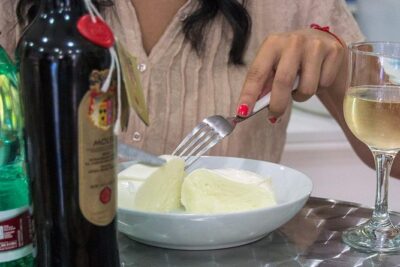
Roman Food Tour with Visit to the Trionfale Food Market
Read our review →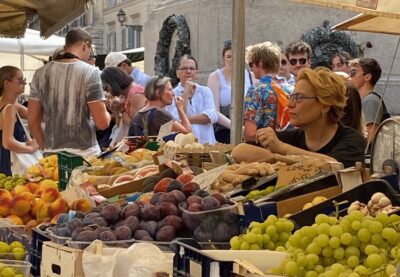
Food & Wine Tour of Campo de Fiori, Ghetto, Trastevere
Read our review →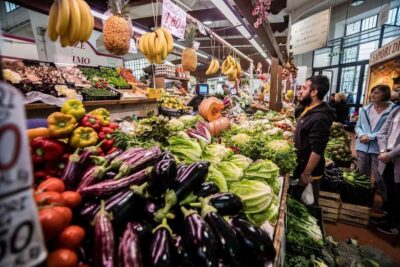
Pasta Cooking Class with Market Visit and Wine
Read our review →
Jewish Ghetto & Campo de Fiori by Night Food Wine Tour
Read our review →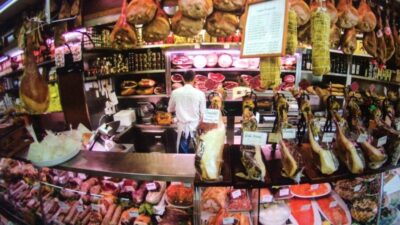
Browse the lists this tour appears in