
Reviewed · CARAVAGGIO AND BAROQUE ART TOURS
Rome’s Baroque Art Walking Tour: Who Killed Caravaggio?
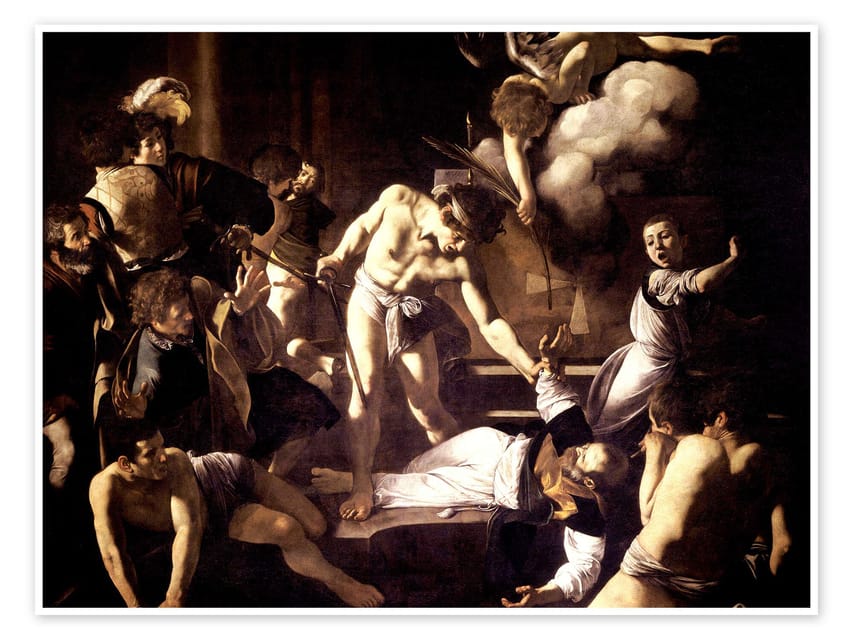
Caravaggio’s paintings are full of sharp light, rough faces, and sudden violence. This tour adds the same tension to his life, leading you through Rome as an art mystery involving street fights, powerful patrons, rival painters, and a death that still lacks a clear answer. I like the way it turns familiar churches into evidence.
I especially like two things here: the paintings are often free to see in working churches, and guides such as Ivan and Jacobo bring serious art knowledge without giving you a dry lecture. The route also uses cool churches and shaded piazzas, so you have places to sit or escape a sudden shower. The main consideration is the tip-based price: the advertised starting cost is low, but you should plan to pay a meaningful tip if the two-hour experience delivers.
Key points to know before you go
- Caravaggio’s last days become the central mystery, with historical evidence, eyewitness accounts, and modern theories.
- Churches provide free access to major art, including works linked to Caravaggio, Rafael, and Plautilla Bricci.
- Ivan and Jacobo are named guides associated with the experience, and the tour is conducted in English.
- The route begins beside the elephant obelisk in Piazza della Minerva and ends at Palazzo Borghese.
- Dark humor and politically incorrect jokes are part of the style, so this is not a formal, solemn art lecture.
- The tour works in changing weather, with open squares, sheltered churches, shade, and occasional seating.
Why Caravaggio makes such a good Rome mystery
Rome can make art feel distant. You walk into a church, glance at a painting, and move on to the next monument. This tour takes a different route. It treats Caravaggio’s pictures as clues to a life shaped by ambition, anger, money, and fear.
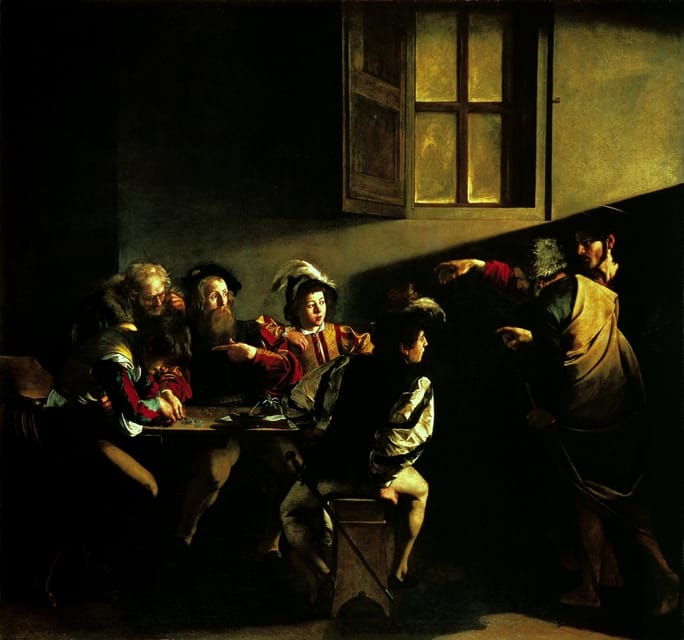
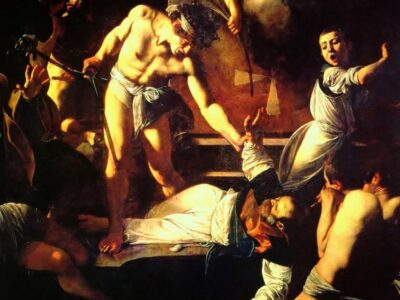
Michelangelo Merisi, known as Caravaggio, changed European painting with dramatic light and ordinary-looking people. His saints do not float above daily life. They look like people you might pass on a Roman street. That choice helped make his work revolutionary, but his personal life was just as forceful. Fights, criminal enemies, patrons, and rival artists all enter the story.
The question in the title, Who Killed Caravaggio?, gives the walk a clear purpose. You are not simply moving from one famous painting to another. You are weighing competing explanations for his final days and death. The guide uses documents, eyewitness accounts, and later theories to show where the evidence is solid and where the story becomes uncertain.
I like this format for visitors who want more than dates and names. You still see important art, but you also learn how art, politics, personal reputation, and money worked together in Baroque Rome.
The humor matters, too. Ivan is described as a passionate storyteller, and his approach includes dark humor and politically incorrect jokes. That tone will not suit every art lover. If you prefer quiet, academic commentary, you may find the delivery too playful. If you enjoy a strong narrative and a little provocation, it should keep your attention.
More Caravaggio and baroque art tours:
- Rome: Terrazza Borromini Open-Air Opera with Aperitif
★ 4.7 · 212 reviews - Borghese Gallery Max 6 People Tour: Baroque & Renaissance in Rome
★ 5.0 · 185 reviews - Guided Walking Tour of Rome: Top Sights & Baroque Treasures
★ 5.0 · 155 reviews
Starting under the elephant obelisk at Piazza della Minerva
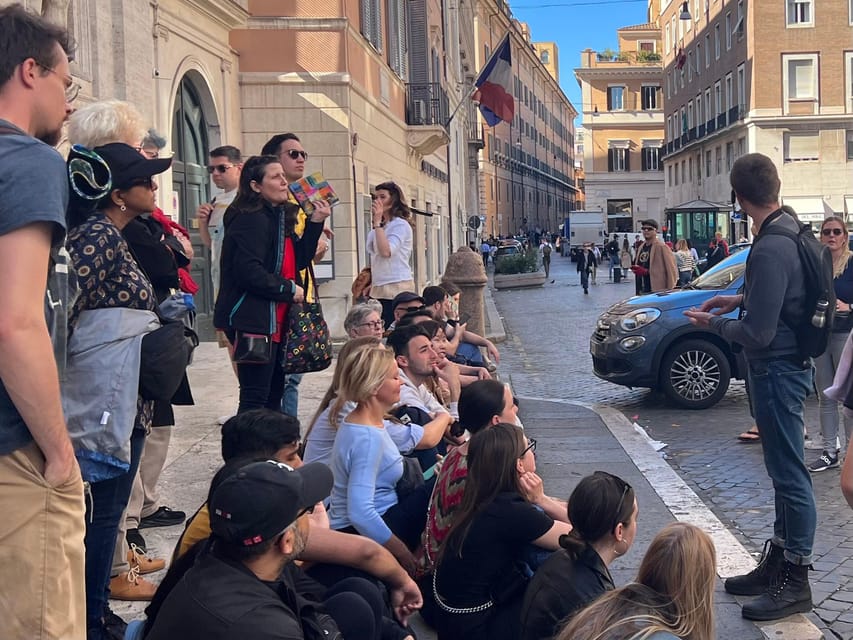
The meeting point is Piazza della Minerva, beside the small elephant statue carrying an obelisk. This is a useful starting place because it is easy to identify, but give yourself enough time to find the correct side of the square. The guide carries a sign with the tour name.
The square is close to the Pantheon, yet it feels calmer than the broad piazza next door. That change in mood suits the tour. You begin in a compact space where ancient Egyptian imagery, Christian architecture, and Baroque Rome sit close together.
The opening stop lasts about 15 minutes. Expect the guide to establish the main characters and explain why Caravaggio’s Roman life was so unstable. This is also where the tour sets up its central idea: famous art can carry clues about the people and power structures around it.
You should arrive ready to walk and to enter churches. Dress appropriately for church entry, including clothing that covers shoulders and knees when required. The tour is only two hours, but the route includes several stops, so comfortable shoes will help.
Piazza della Minerva and the short walk to the Pantheon
From Piazza della Minerva, the group walks for about five minutes to the Pantheon area. The Pantheon itself is listed as a walking stop rather than a full guided visit on this experience, so do not book this tour expecting a long architectural explanation inside the monument.
That brief connection is still useful. Rome’s center is compact, and the walk shows how quickly you move between ancient remains and later churches. The route does not need a bus or taxi. It stays in the historic center and makes the city part of the story.
The short distance also keeps the focus on the art. You are not spending half the tour crossing town. Instead, you get a succession of places tied to Roman religious, artistic, and political life.
Caravaggio’s paintings in Saint Louis of the French
The next major stop is the Church of St. Louis of the French, reached on foot from the Pantheon. The visit and guided explanation take about 15 minutes.
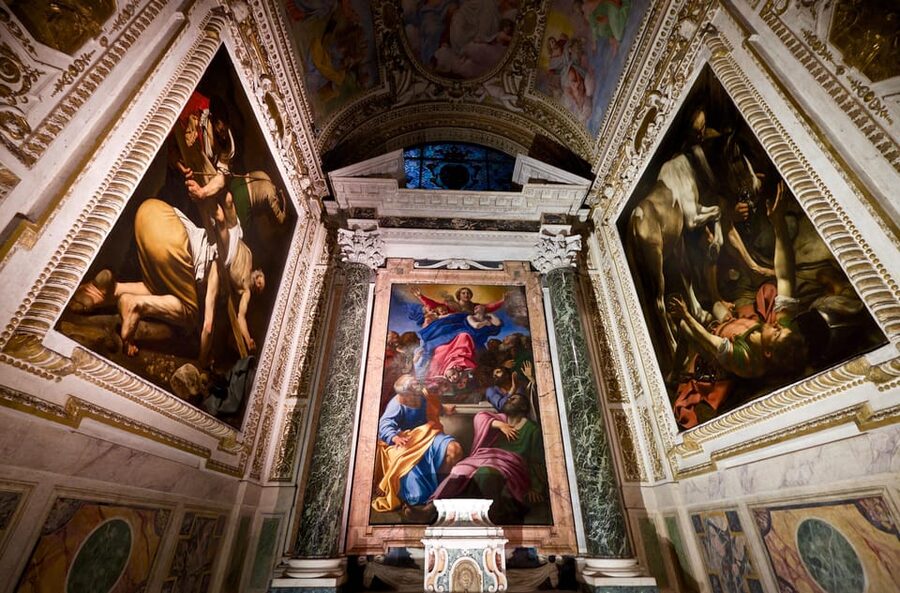
This is one of the strongest parts of the route for anyone who wants to see Caravaggio in an actual church setting. The paintings are not removed from their original surroundings and displayed behind museum glass. They remain part of a functioning place of worship. That changes how you read them. The light, scale, altar, and surrounding decoration all affect the picture.
The guide can help you notice the details that a quick visit might miss. Caravaggio’s people are physical and immediate, and his use of darkness forces your eye toward selected faces, hands, and gestures. You are likely to leave with a better sense of why his work shocked and attracted Roman audiences.
This stop also shows the value of seeing art outside a museum. There is no separate admission charge listed for the church visits, and major paintings can be viewed as part of the normal church setting. Keep in mind that churches may require respectful behavior, and conditions can change if religious services are taking place.
More walking tours in Rome:
- Rome: Trastevere & Campo de Fiori Street Food Walking Tour
★ 4.9 · 2,768 reviews - Rome: Paranormal Night Walking Tour & Secret Backstreets
★ 4.9 · 1,921 reviews - Rome by Night Walking Tour – Legends & Criminal Stories
★ 4.5 · 1,003 reviews - Rome: Guided City Center Evening Sightseeing Walking Tour
★ 4.4 · 953 reviews
Saint Augustine and the wider cast of Roman artists
The tour continues to the Basilica of St. Augustine, with about 15 minutes set aside for a visit and guided talk. This stop broadens the subject beyond Caravaggio alone.
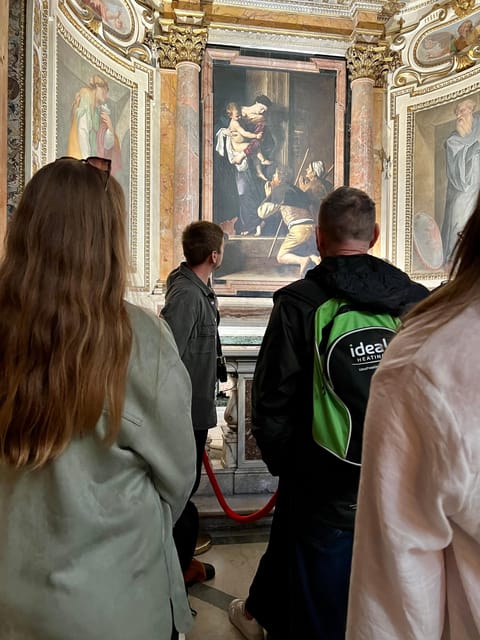
The experience includes paintings connected with Caravaggio, Rafael, and Plautilla Bricci. That matters because Baroque Rome was not created by one painter working in isolation. You see different artistic voices and gain a clearer picture of the competition, patronage, and changing tastes that shaped the city.
Plautilla Bricci is an especially useful inclusion. Her name is less familiar to many visitors than Caravaggio or Rafael, so her presence gives the route a wider view of Roman art. It also keeps the experience from becoming a single-person biography repeated at every stop.
The basilica offers another chance to see how paintings work in a religious interior. Pay attention to scale, placement, and the way the guide connects the image to its setting. The discussion is not only about identifying a painter. It is about what the artwork was meant to do for the people who saw it at the time.
Two brief stops that keep the mystery moving
The route includes two additional visits, one lasting about 10 minutes and another about five minutes. The supplied information does not name these locations, so you should not assume they are particular churches, monuments, or galleries.
Their short length suggests that they function as connecting evidence rather than full art lessons. The guide may use them to explain a person, event, rival, or theory before moving on. This is one place where the route depends heavily on the guide’s storytelling. Ivan’s archival research and Jacobo’s art-historian background, both praised in the supplied information, are especially relevant to this kind of stop.
The lack of named details is a practical drawback if you want to plan your own visit around every location. Ask the guide at the start what these two stops will be on the day. The advantage is that the story can retain some surprise, and short stops help the tour cover several parts of central Rome without rushing through every major monument.
Palazzo Borghese and the final chapter
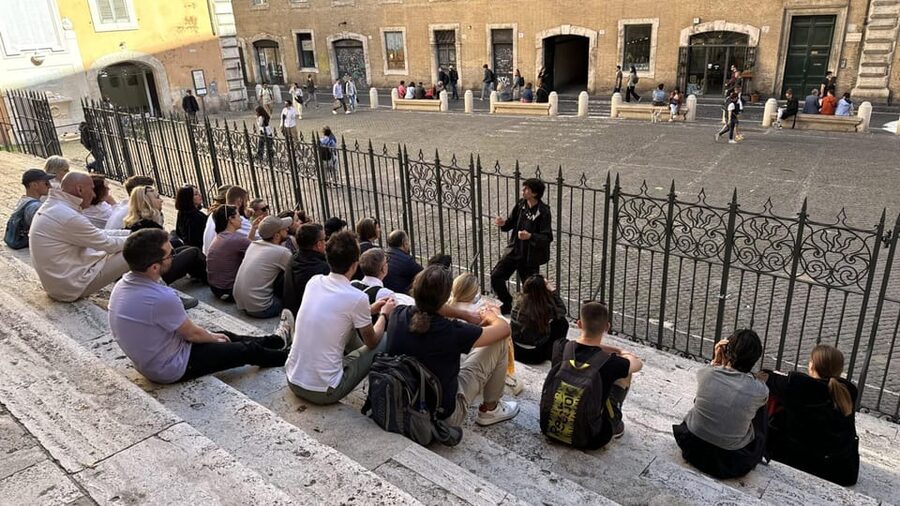
The route reaches Palazzo Borghese, where it finishes after a visit and guided explanation of about 15 minutes. The palace adds an important social layer to the story. Caravaggio’s career depended not only on talent but also on people with money, influence, and the ability to protect or promote an artist.
This final location gives the guide a natural place to connect artistic success with personal danger. Patrons could open doors, but Roman rivalries and criminal ties could create new risks. The story of Caravaggio’s death becomes more complicated when you consider who benefited from his work, who opposed him, and who had power over his movements.
The tour does not promise a tidy solution. That is a strength. A mystery based on uncertain evidence should not be forced into a neat answer. You get the known facts, the competing theories, and the reasons some questions remain open.
Ending at Palazzo Borghese is also practical. You finish in central Rome rather than returning to the starting point. If you want to continue sightseeing, you can ask the guide for suggestions, but no further route is specified as part of the activity.
What the two-hour format really gives you
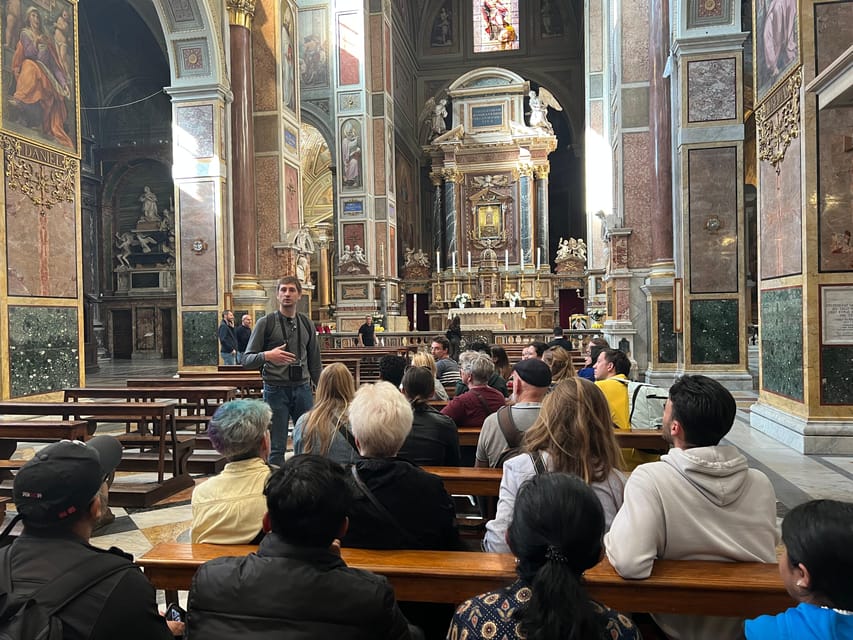
Two hours is enough to create a strong narrative, but not enough for long visits at every site. The schedule moves at a steady pace, with most named stops lasting about 15 minutes and short walks between them.
I see that as a fair trade. You get several churches, paintings, piazzas, and a palace in one compact outing. In exchange, you will not receive a full architectural history of each building or a museum-style analysis of every artwork.
The guide’s storytelling is therefore central. Ivan is praised for telling the story with passion and for researching small details in archives and books. Jacobo is described as an art historian who connects the paintings to Rome’s wider art world. If your guide has that same approach, the short visits should feel purposeful rather than rushed.
The tour is designed for any weather. Open squares provide the outdoor setting, while churches offer shade and shelter. Some locations also provide places to sit. Rome’s summer heat can make a walking tour tiring, so this mix of indoor and outdoor stops is useful. Sudden rain is less of a problem than on a route that stays entirely outside.
The tip-based price and the real value
The advertised price is $3.77 per person, but that figure is not the full cost in the usual sense. This is a pay-what-you-want tour. The guides work for tips, and the suggested range is usually between €10 and $50.
That model can offer good value if you want to decide what the experience was worth after taking it. It also means you should budget honestly before booking. A two-hour English-language walk with several major artworks should not be treated as a nearly free activity simply because the booking price is low.
I would think of the $3.77 as a reservation amount, not as your final tour budget. Bring enough to tip the guide in line with the time, research, and quality of the presentation. The wide suggested range reflects different budgets and levels of satisfaction, but you should know the tip is an expected part of the experience.
There is also no need to pay for a separate museum ticket based on the information provided. The value comes from seeing important works in churches and from having a guide explain what you are looking at. That can be a smart choice for a first visit to Rome, especially if you would otherwise pass through these buildings without understanding their art.
Free cancellation up to 24 hours before the start gives you some flexibility. You can also reserve now and pay later, which helps if you are building a Rome schedule around changing plans.
Who will enjoy this art mystery most
I would choose this tour if you like art with a strong human story. It suits you if the idea of connecting paintings to crime, rivalry, money, and uncertain evidence sounds more appealing than a standard chronological lecture.
It is also a good fit if you want to see important art without adding several paid museum visits. The churches provide the setting, and the guide supplies the background that a guidebook paragraph cannot always provide.
The tour should work well for:
- First-time Rome visitors who want a focused introduction to Baroque art.
- Caravaggio fans who want to connect his paintings with his troubled life.
- Visitors who enjoy true-crime storytelling and unresolved historical questions.
- People who prefer short walks and frequent stops over one long museum visit.
- Travelers looking for an English-language activity with a flexible tip system.
I would hesitate if you want a quiet, formal, strictly academic tour. The dark jokes and politically incorrect humor are part of the presentation. You should also be comfortable with church visits and respectful clothing.
Seven practical questions before booking
Where does the tour begin?
It begins in Piazza della Minerva, by the elephant statue with the obelisk. The guide carries a sign with the tour name.
Where does the tour end?
The experience finishes at Palazzo Borghese.
How long does the tour last?
The walking tour lasts two hours.
What language is the tour in?
The live tour guide speaks English.
Is the advertised price the full amount?
No. The experience uses a pay-what-you-want model. The guide works for tips, and the usual tip is stated as between €10 and $50.
Can I cancel for a full refund?
Yes. You can cancel up to 24 hours in advance for a full refund.
What should I wear?
Dress appropriately for entry into churches. Respectful clothing is important because the route includes visits to religious buildings.
Should you book Who Killed Caravaggio?
Book it if you want Rome’s art to feel personal, risky, and connected to real human conflict. The strongest parts are the Caravaggio-centered mystery, the church paintings, the inclusion of Rafael and Plautilla Bricci, and the guides’ lively storytelling style.
Skip it if you want long, quiet stops or a fully named list of every location before you go. The two-hour route moves quickly, and the final cost depends on your tip. For most visitors who enjoy art, history, and a little dark humor, though, this is a smart way to see several important works while learning why Caravaggio’s life still refuses to settle into a simple story.
FAQ
Where is the meeting point?
Meet in Piazza della Minerva, beside the elephant statue with the obelisk. The guide will have a sign with the tour name.
Is the tour conducted in English?
Yes. The live tour guide speaks English.
How long is the experience?
The walking tour lasts two hours.
Is this a private tour?
The provided information identifies it as a walking tour with a live local guide, but it does not state whether the group is private or shared.
Which artists are included?
The experience features paintings by Caravaggio, Rafael, and Plautilla Bricci.
Is the tour suitable in bad weather?
Yes. The route includes outdoor piazzas and indoor churches, with shade, shelter, and places to sit along the way.
How does the payment work?
It is a tip-based, pay-what-you-want tour. You reserve a place, then give the guide a tip at the end. The usual tip is listed as between €10 and $50.
Newest Rome tours we have reviewed
- Private TikTok Video Making in Rome★ 5.0 · 7 reviews
- Assisi, Orvieto and Civita di Bagnoregio Full Day Tour from Rome★ 4.5 · 45 reviews
- Assisi & Saint Francis Path Tour from Rome★ 5.0 · 45 reviews
- Assisi and Cascia Private Day Tour from Rome with Lunch★ 5.0 · 10 reviews
- Art Class in the center of Rome!★ 4.0 · 4 reviews
- Art & Craft: Beer Tour with Street Art in Rome★ 4.5 · 6 reviews
- Arrival in Rome: Airport Transfer & Exclusive City Introduction★ 5.0 · 3 reviews
- From Rome: Private Day-Tour of Tuscany★ 5.0 · 16 reviews
Caravaggio and Baroque Art Tours, compared.
Terrazza Borromini Open-Air Opera with Aperitif
Read our review →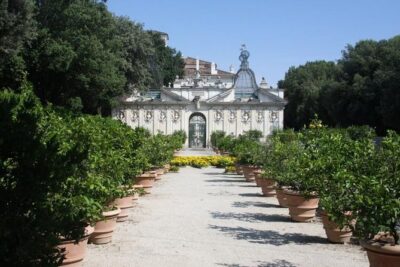
Borghese Gallery Max 6 People Tour: Baroque & Renaissance in Rome
Read our review →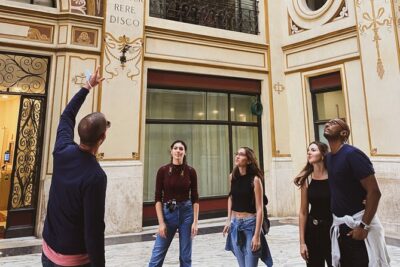
Guided Walking Tour of Rome: Top Sights & Baroque Treasures
Read our review →
Renaissance Scarlet Ladies Tour: Caravaggio’s and Borgia’s Women
Read our review →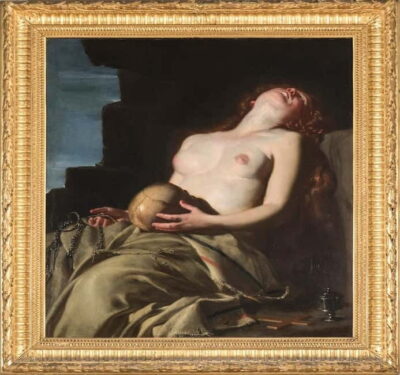
Palazzo Barberini (Caravaggio Exhibition Is Not Included)
Read our review →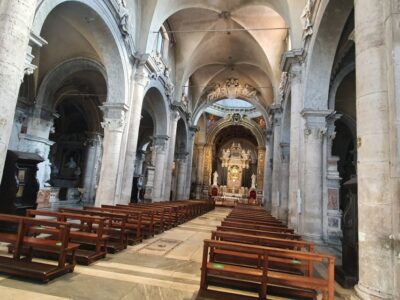
Browse the lists this tour appears in