
Reviewed · OSTIA ANTICA TOURS
Rome: Ancient Ostia, Archeology and History, Half Day Tour
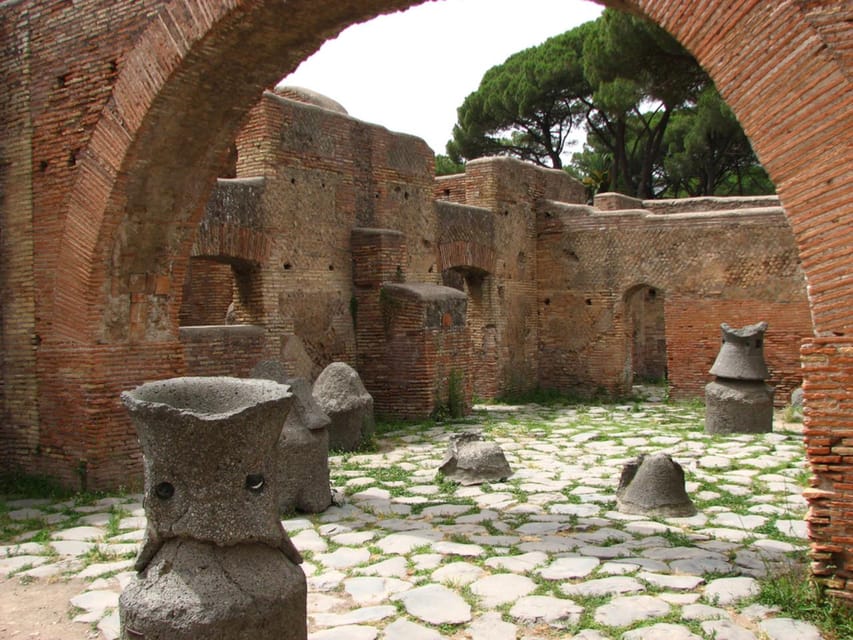
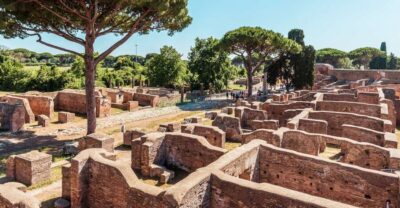
Ostia Antica gives you something the Roman Forum often cannot: a readable ancient town. Along the Decumanus Maximus, you can see where people lived, shopped, bathed, worshipped, and watched performances. The remarkably preserved apartments, taverns, and bathhouses make Roman daily life easier to picture than among many of Rome’s grander but more fragmentary ruins.
I like the three-hour guided walk, which gives the site enough time to make sense, and the convenience of hotel pickup inside Rome’s Aurelian Walls. The air-conditioned minivan also saves you the trouble of arranging transport. The main drawback is that this is a walking-heavy visit over an archaeological site, so it is not suitable for wheelchair users or people with mobility impairments.
Key points to know
- Ostia Antica feels like a real town: See apartments, groceries, taverns, theaters, baths, and streets rather than only isolated monuments.
- The Baths of Neptune are a major highlight: Look for the striking mosaic of Neptune riding a chariot drawn by sea horses.
- You get three hours at the ruins: That is enough time for a proper guided visit instead of a rushed photo stop.
- Hotel pickup is included: The service covers accommodations inside Rome’s Aurelian Walls.
- The tour stays small or private: Small groups make it easier to hear the guide and ask questions.
- The Pompeii comparison is useful: If you enjoyed Pompeii, Ostia Antica offers another well-preserved Roman town, with a different setting and focus.
Why Ostia Antica is one of Rome’s best half-day trips
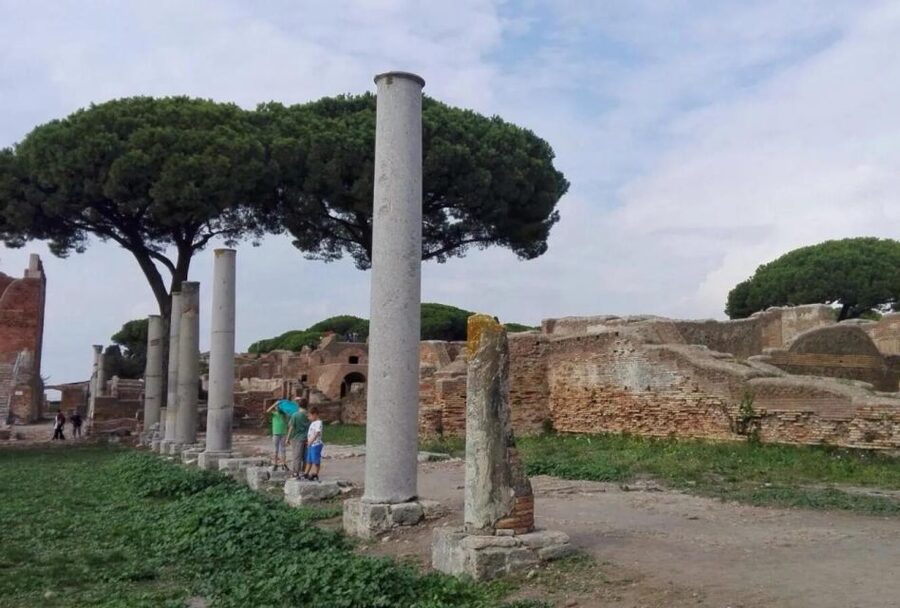
Rome is full of famous monuments, but many show ancient life through grand temples, triumphal arches, and broken foundations. Ostia Antica gives you the less glamorous details. You walk past apartment blocks, shop fronts, public baths, taverns, bakeries or groceries, theaters, and ordinary streets.
That change in scale matters. You are not only looking at what emperors built. You are seeing the sort of town where working people lived and spent their days. The ruins are preserved well enough that the layout remains easy to follow, especially with a guide explaining what each building was used for.
Ostia was founded in the fourth century BC and grew into a lively harbor town. Its position near the coast made it important to Rome, although the ancient shoreline is no longer right beside the ruins. The experience is about the town itself and the traces of everyday Roman life, not a modern waterfront visit.
The site is often compared with Pompeii because its buildings remain unusually legible. That comparison is fair as a quick reference, but Ostia has its own character. Pompeii is a city frozen by disaster. Ostia is especially valuable because it lets you read the structure of a Roman port community, block by block.
More Ostia Antica tours:
- Ancient Ostia Antica Semi-Private Day Trip from Rome by Train with Guide
★ 4.5 · 579 reviews - From Rome: Ostia Antica Guided Half-Day Trip by Train
★ 4.8 · 486 reviews - Horse Sanctuary & Trail Ride in Ostia Antica
★ 4.5 · 276 reviews
Leaving Rome in an air-conditioned minivan
The tour lasts four hours from pickup to return, with about three hours devoted to Ostia Antica. Pickup and drop-off are provided at hotels or accommodations inside Rome’s Aurelian Walls. You should wait in the lobby or outside your accommodation ten minutes before the scheduled pickup.
That arrangement is useful in Rome, where reaching a meeting point can take longer than expected. Instead of adding a taxi ride or navigating public transportation, you begin at your accommodation and return there after the ruins. The air-conditioned minivan is a practical touch, especially during Rome’s warmer months.
The transport is also better suited to a half-day schedule than a long independent trip with several connections. You will not spend the visit worrying about directions or the return journey. The trade-off is that the tour follows a set timetable, so you do not control exactly how long to spend at each building.
Small-group and private options are available. A small group normally offers a useful balance: you get guidance without the scale of a large coach party. A private format may suit you if you want the guide to adjust the pace more closely to your interests, but the supplied price of $258.29 per person makes it important to check the group arrangement and exact availability before booking.
Walking the Decumanus Maximus
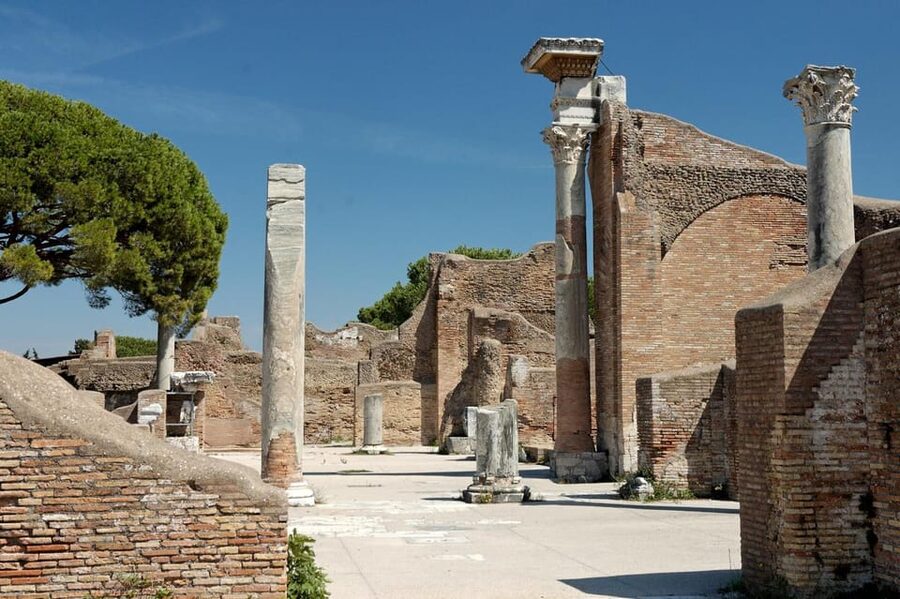
The main street of Ostia Antica is the Decumanus Maximus. This broad ancient route forms the spine of the visit, and walking along it helps you understand how the town was organized.
Your guide uses the street to connect the ruins into a story. Rather than seeing one unrelated structure after another, you can follow the way people moved through the town. Roman statues line parts of the walkways, and the preserved street plan gives the place a strong sense of order.
This is one of the tour’s best features. A self-guided visit can show you stones and walls, but it may not explain how those pieces fit together. A live guide in English, French, or Spanish can point out architectural details and tell you what daily activities took place along the route.
Keep your eyes low as well as high. The appeal of Ostia is not only in its larger monuments. Doorways, paving, wall lines, shop spaces, and floor decoration help you see how the town functioned. You might find that the ordinary remains are more revealing than the formal ones.
Apartments, shops, taverns, and theaters
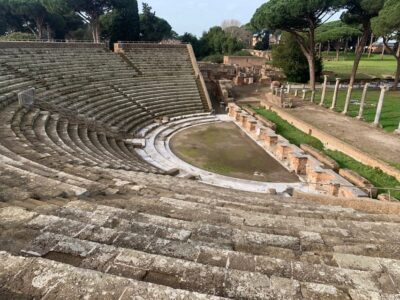
Ostia Antica works best when you let it be a town rather than treating it as a collection of ruins. The tour includes ancient apartments, groceries, taverns, baths, and theaters. Each type of building gives you a different clue about Roman society.
Apartments show that Ostia was not simply a place of temples and public monuments. Many residents lived in multi-unit buildings, sharing a dense urban setting much closer to a working city than a rural settlement. Shops and groceries bring the street to life in another way, showing where people obtained everyday goods.
The taverns are particularly appealing because they connect the ruins to ordinary habits. You can imagine people stopping for food or drink, meeting friends, and conducting business. The guide’s explanations are valuable here, since a low wall or narrow room may not be obvious without context.
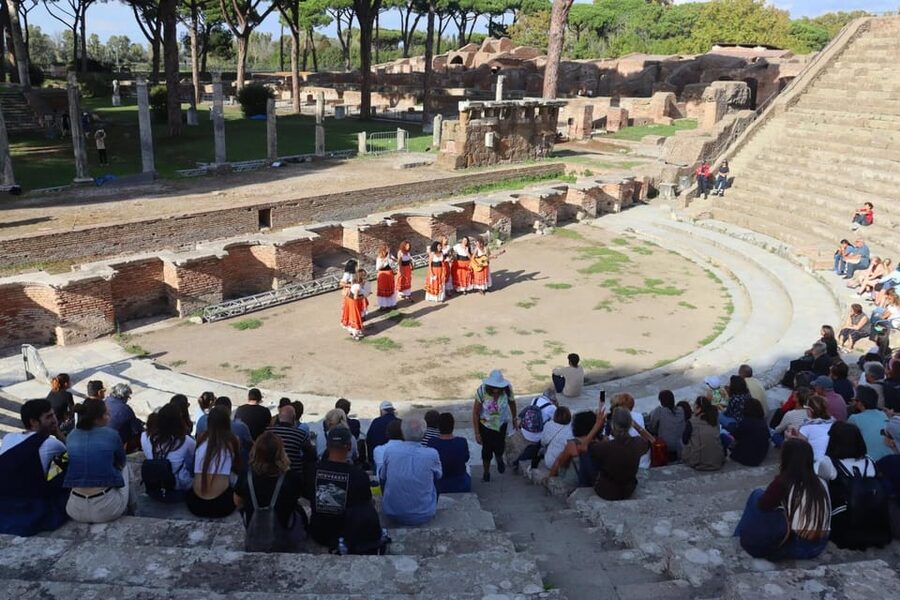
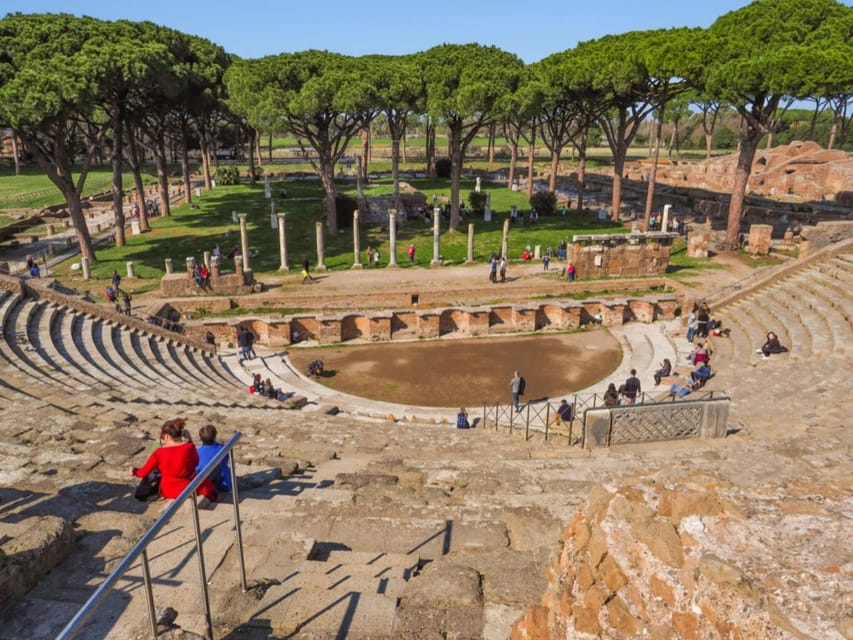
The theater adds another side of public life. It reminds you that entertainment and shared spectacles were part of the Roman town experience. The ruins do not recreate a performance, of course, but the structure helps you understand how public spaces fitted into the community.
You should expect a steady walk rather than a series of quick stops. Three hours at the site is generous for a half-day outing, but it also means you need comfortable shoes. Bring sunglasses and a camera, and plan for the practical demands of an exposed archaeological area.
More history tours in Rome:
- Rome in a Day Tour with Vatican, Colosseum and Historic Center
★ 4.5 · 1,042 reviews - Rome Food Tour in the Historic Centre with 8+ Food Tastings
★ 5.0 · 1,000 reviews - Rome: Forbidden History Walking Tour & Pub Crawl with Drinks
★ 4.9 · 688 reviews - Rome: Colosseum, Vatican Museums & Historic Center in a Day
★ 4.7 · 228 reviews
The Baths of Neptune and its sea-god mosaic
The Baths of Neptune are one of the most memorable parts of the visit. Their great attraction is an impressively preserved mosaic showing Neptune, the sea god, in a chariot pulled by sea horses.
The image is a fine reminder that Roman bathing complexes were not only functional spaces. They could also be decorated public buildings where design, mythology, and civic pride came together. The mosaic gives you something specific to look at, rather than asking you to imagine the original appearance from a few surviving foundations.
The Baths of Neptune also fit the wider identity of Ostia as a harbor town. Sea imagery makes particular sense here, and the mosaic connects the town’s public architecture with the world of the sea. Your guide can help explain what you are seeing and why the decoration matters.
You should not plan to swim, of course. The wording about taking a dip is playful, but the attraction is the preserved architecture and artwork. The baths are a place for looking closely, taking photographs, and understanding how public facilities were part of Roman urban life.
How the guided format improves the visit
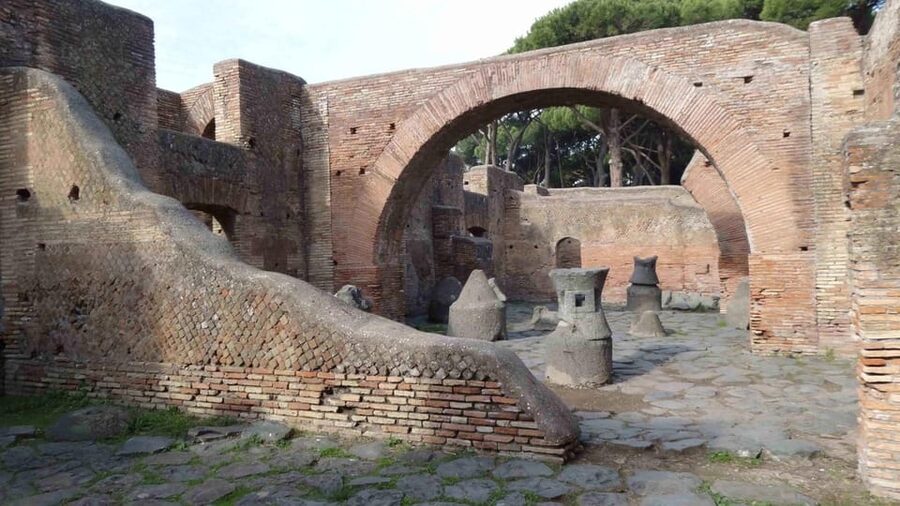
Ostia Antica is large enough that a guide earns the fee. Without context, some areas may look like low walls, partial rooms, or scattered fragments. With an explanation of the street plan and building use, the site becomes much easier to read.
The guide leads for roughly three hours, while the full outing lasts four hours with transport. That ratio is helpful because you are not paying for a long transfer followed by a brief look at the ruins. You get a substantial amount of time on foot.
A live guide also gives you a chance to ask questions. You can clarify the purpose of a room, the difference between a public building and a private one, or the role of the town within the Roman world. This is especially useful if you want more than photographs.
The experience is available in English, French, and Spanish. Since no individual guide names are provided, check the language and guide arrangements when you reserve. The guide is described as a professional local guide, but you should not expect the same person to lead every departure.
The small-group format is another practical advantage. You are more likely to hear explanations clearly than in a large group, and the pace may feel less crowded. Private departures are available if personal attention is your priority.
Is $258.29 per person a fair price?
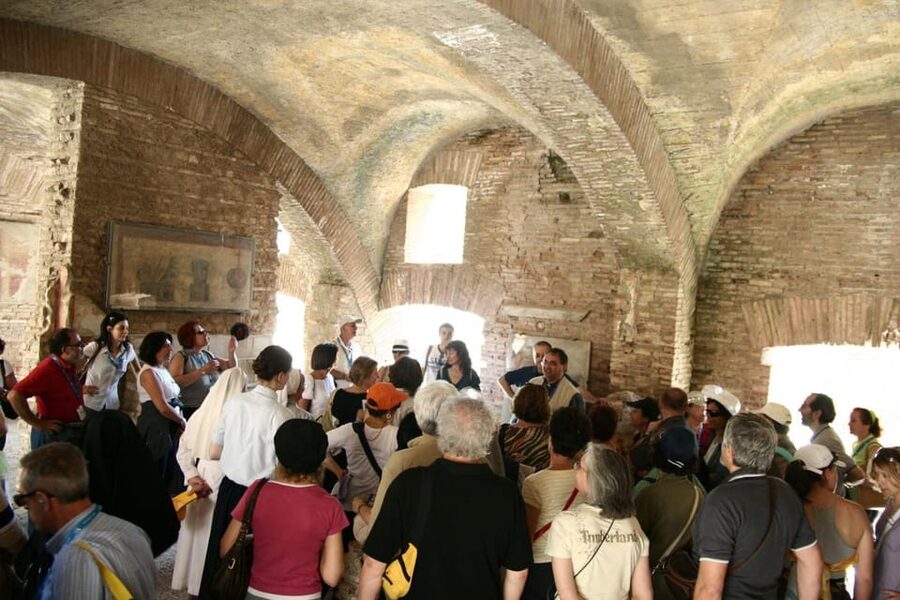
At $258.29 per person, this is not a budget outing. The price includes hotel pickup and drop-off inside the Aurelian Walls, air-conditioned minivan transport, the Ostia Antica entrance fee, and three hours with a professional guide.
You are paying for convenience as much as admission. If you arrange everything yourself, you may spend less, but you would need to handle transportation, entry, route planning, and interpretation on your own. The tour makes more financial sense if you value a direct transfer and a structured explanation of a large archaeological site.
The value also depends on the group format. A private tour can justify a higher price for some people, while a small group may offer a better balance for couples or friends who want guidance without paying entirely for private service. Confirm whether the departure you choose is private or shared.
This price is easiest to defend if Ostia Antica is a major priority for you. If you only want a quick glimpse of Roman ruins, an independent visit may be enough. If you want to understand the town and avoid transport planning, the included services add real value.
Who will enjoy this tour most?
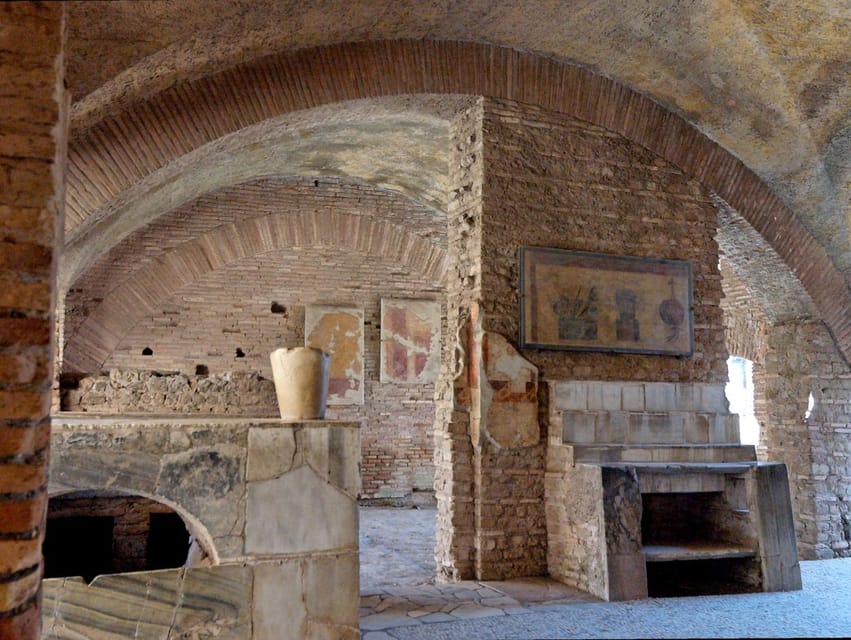
I would recommend this experience to you if you have already seen Rome’s central monuments and want a quieter archaeological outing. It also suits anyone who enjoyed Pompeii and wants another well-preserved Roman town.
History fans will appreciate the range of buildings. You are not limited to one temple or forum. Families with older children may also find the shops, apartments, baths, and theater easier to picture than abstract ruins, although the walking time may be tiring for younger children.
The tour is a good choice for first-time visitors who want a guided introduction to Roman architecture outside the city center. You do not need to organize the route, and the guide can point out details that are easy to miss.
It is less suitable if you have limited mobility. The activity is not suitable for wheelchair users or people with mobility impairments, and the three-hour archaeological walk requires comfortable footwear. If you need a very relaxed outing with little walking, choose something else.
Practical advice before you go
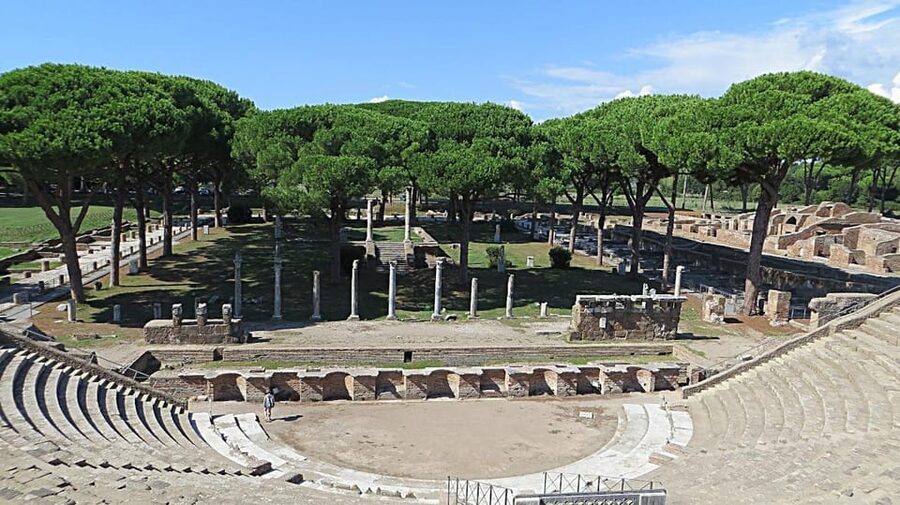
Wear shoes that can handle an extended walk over historic surfaces. Comfortable shoes are specifically recommended, and they are more important here than stylish footwear.
Bring sunglasses and a camera. The site includes open walking routes, and the best parts are visual: the street plan, statues, mosaics, building remains, and the Baths of Neptune.
Wait ten minutes early for pickup in your hotel lobby or outside your accommodation. Pickup is limited to accommodations inside the Aurelian Walls, so check this point before booking if you are staying farther out.
The tour offers free cancellation up to 24 hours before departure, and you can reserve now and pay later. Those terms help if your Rome schedule is still changing, but starting times vary, so check availability before building the rest of your day around the outing.
Should you book the Ostia Antica half-day tour?
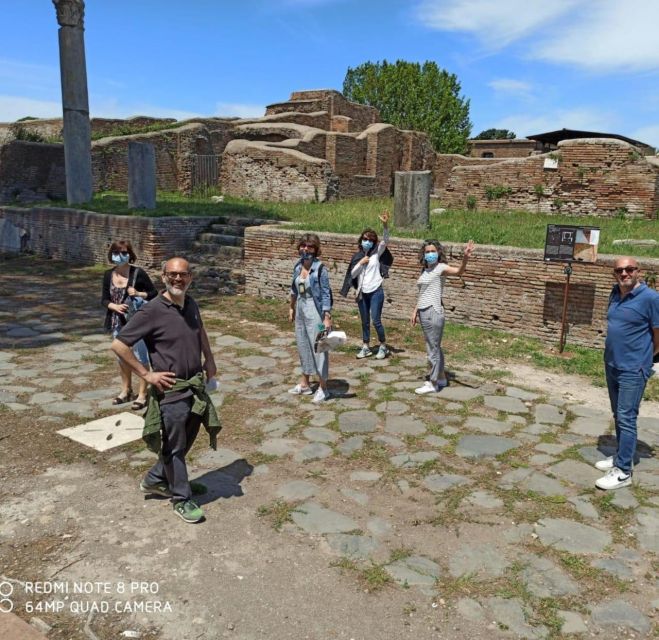
Book it if you want to see Roman life at street level, prefer a guide to explain the ruins, and value hotel pickup over arranging transport yourself. The Decumanus Maximus, the preserved public buildings, and the Baths of Neptune mosaic give the four-hour outing plenty of substance.
I would be especially inclined to book if Pompeii was a highlight of your trip or if the Roman Forum left you wanting more complete buildings. Ostia Antica offers a different kind of Roman experience, one focused on a functioning town rather than imperial spectacle.
Skip it if you dislike long walks, need wheelchair access, or want the lowest possible cost. For everyone else, this is a strong half-day choice for seeing a more ordinary, more readable side of ancient Rome.
FAQ
How long does the Ostia Antica tour last?
The full experience lasts four hours. About three hours are spent at Ostia Antica with a professional guide, with the remaining time used for transportation between Rome and the archaeological site.
Is hotel pickup included?
Yes. Pickup and drop-off are included for hotels or accommodations inside Rome’s Aurelian Walls. You should wait in the lobby or outside your accommodation ten minutes before the scheduled pickup.
Which languages are available?
The live guide is available in English, French, and Spanish.
Does the price include entry to Ostia Antica?
Yes. The Ostia Antica entrance fee is included, along with transportation in an air-conditioned minivan and three hours with a professional guide.
Is the tour suitable for wheelchair users?
No. The activity is not suitable for wheelchair users or people with mobility impairments.
Can I cancel the tour for a full refund?
Yes. You can cancel up to 24 hours in advance for a full refund. The tour also offers a reserve-now, pay-later option.
Newest Rome tours we have reviewed
- Private TikTok Video Making in Rome★ 5.0 · 7 reviews
- Assisi, Orvieto and Civita di Bagnoregio Full Day Tour from Rome★ 4.5 · 45 reviews
- Assisi & Saint Francis Path Tour from Rome★ 5.0 · 45 reviews
- Assisi and Cascia Private Day Tour from Rome with Lunch★ 5.0 · 10 reviews
- Art Class in the center of Rome!★ 4.0 · 4 reviews
- Art & Craft: Beer Tour with Street Art in Rome★ 4.5 · 6 reviews
- Arrival in Rome: Airport Transfer & Exclusive City Introduction★ 5.0 · 3 reviews
- From Rome: Private Day-Tour of Tuscany★ 5.0 · 16 reviews
Ostia Antica Tours, compared.
Ancient Ostia Antica Semi-Private Day Trip from Rome by Train with Guide
Read our review →


Ostia Antica Archaeological Park Ticket & Audio App
Read our review →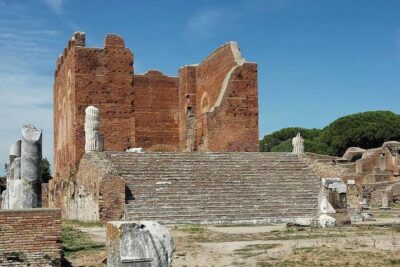
Browse the lists this tour appears in