
Reviewed · CASTEL SANT’ANGELO TOURS
Rome: Castel Sant’Angelo Priority Line Ticket & Audio Guide
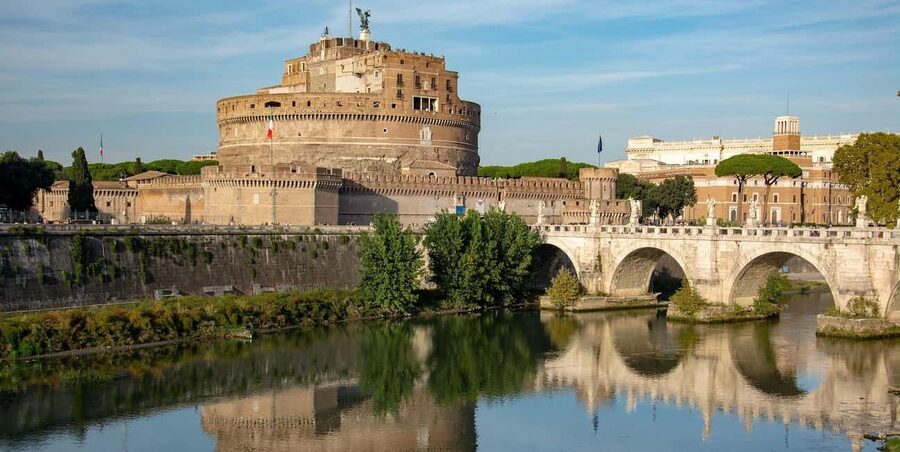
Castel Sant’Angelo began as Hadrian’s mausoleum, then became a fortress, papal refuge, prison, and museum. This ticket lets you enter through a separate priority entrance and explore the building at your own speed, with 18 audio stops to explain what you’re seeing. I especially like the top-floor panorama and the chance to connect the castle with Puccini’s Tosca.
The $17 price is sensible if you want context without joining a fixed group. I also like the extra digital audio tour covering the Vatican area, the Bridge of Sant’Angelo, and St. Peter’s Basilica. The main drawback is practical: you must bring your own phone and headphones, download the audio guide before arrival, and keep the Vox City ticket ready. One booking problem has already been reported, so do not rely on finding the voucher at the last minute.
Key points to know before you go
- The building has four major identities: mausoleum, castle, papal residence, prison, and museum.
- Priority entry uses a separate entrance, but you still need the correct Vox City QR ticket.
- Eighteen audio stops explain the site in English, Italian, French, German, Portuguese, Polish, Spanish, or Chinese.
- The roof terrace is the payoff, with broad views and elegant angel statues along the approach.
- A second audio tour covers the Vatican area, including the bridge and St. Peter’s Basilica.
- Bring headphones and a charged phone, since neither a device nor a headset is supplied.
Why Castel Sant’Angelo deserves your time
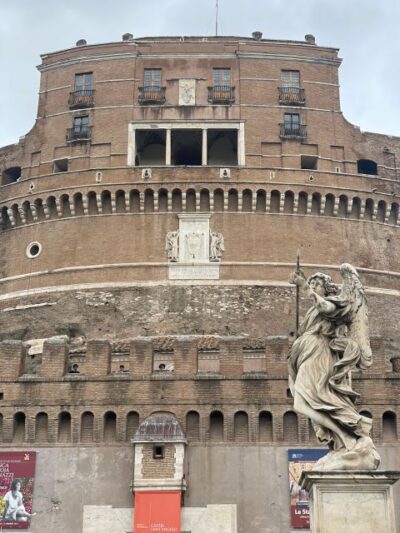
Castel Sant’Angelo is one of Rome’s best places for seeing how a single building can change with the city around it. The core structure was built almost 2,000 years ago as the tomb of Emperor Hadrian. It later took on military defenses, papal rooms, prison cells, and museum galleries.
That change is what makes the visit interesting. You are not walking through a monument with one neat purpose. You are moving through layers of Roman power, Christian legend, papal politics, punishment, and public display.
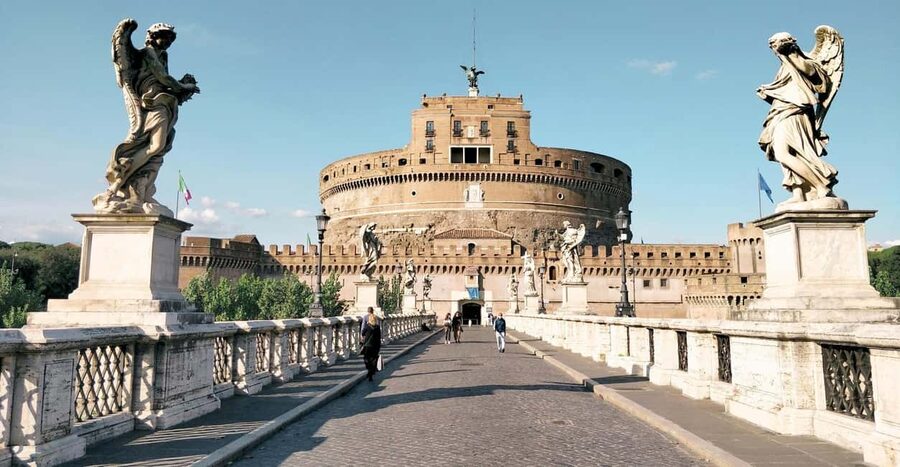
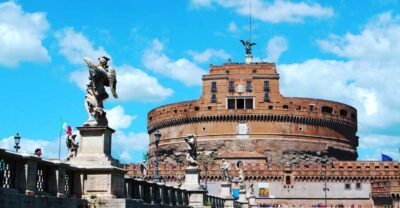
The castle also has a strong connection to Rome’s skyline. Its cylindrical mass sits beside the Tiber, linked to the city by the Bridge of Sant’Angelo. The bridge’s angel statues give the approach a formal, theatrical feel, while the fortress itself looks heavier and more defensive.
I would set aside about two hours for the castle and audio stops. The booking window can extend from two hours to one day, so check the available start time when you book. This is not a guided tour with a person leading you from room to room. You choose your pace, pause the commentary, and decide how long to spend at each point.
More Castel Sant’Angelo tours:
- Rome: Castel Sant’Angelo Skip-the-Line Ticket & Audio Guide
★ 4.4 · 3,500 reviews - Rome: Castel Sant’Angelo Skip-the-Line Ticket
★ 4.4 · 3,040 reviews - Rome: Castel Sant’Angelo Skip-the-Line Entry Ticket
★ 4.8 · 2,231 reviews
Getting inside with the priority ticket
You go directly to Castel Sant’Angelo at Lungotevere Castello, 50. There is no traditional meeting with a guide. Your ticket is sent by email from [email protected] at booking, and the information also says an e-ticket will be available for download and sent through WhatsApp within 24 hours of your travel date.
Because the instructions mention both email and WhatsApp, I would check both places. Download the voucher before you leave for the attraction, then keep the QR code easy to open on your phone. Only Vox City tickets are accepted, so a different confirmation or a simple booking reference may not be enough at the entrance.
The priority benefit is a separate entrance that helps you avoid the standard ticket line. It does not mean you can skip the security or ticket check. You still need to show the right QR code, and entry staff must be able to scan it.
This setup is useful for a short Rome visit. You do not have to spend part of your morning waiting for admission, and you are free to arrive at the chosen starting time without joining a large walking group. Still, the convenience depends on good preparation. Bring a charged phone, download the audio content before arrival, and pack headphones.
The Mausoleum of Hadrian and Rome’s imperial past

The oldest part of the building is the Mausoleum of Hadrian, begun for the emperor and his family. The audio guide starts with this Roman imperial chapter, giving you a reason to look beyond the later fortress walls.
The change from tomb to castle is central to the visit. A monumental burial structure was turned into a military stronghold because its thick construction and position beside the river made it useful for defense. As you walk through the castle, listen for how the building’s function changed rather than treating the Roman beginning as a separate museum fact.
The audio guide gives you 18 points of interest. That number is helpful because it gives your visit some shape without forcing you into a strict route. You can stop at a point, listen in your chosen language, and continue when ready.
The language list is unusually broad for a self-guided ticket: English, Italian, French, German, Portuguese, Polish, Spanish, and Chinese. If you are visiting with family or friends who prefer different languages, each person can listen on a personal phone, provided everyone has the needed audio access and headphones.
Do not expect a live guide to answer questions or adjust the story to your interests. The audio commentary is the tradeoff for the low price and flexible timing. It works best if you want basic historical framing while looking around, not a detailed specialist lecture.
From fortress to papal refuge

Castel Sant’Angelo later became a papal fortress and a place where popes and noble families could stay during periods of danger. Its link with the Vatican area is one reason the extra audio tour is useful.
The castle is connected to the Vatican by the Passetto di Borgo, a fortified passage. The supplied information does not promise access to that passage, so do not book this ticket expecting to walk through it. Instead, use the castle visit and the Vatican-area audio tour to understand how the two sites relate to one another.
The audio material points you toward the castle’s changing role and the importance of its position. You can listen as you move between the older Roman structure and later defensive spaces. That progression gives you a clearer sense of why a mausoleum became valuable to popes.
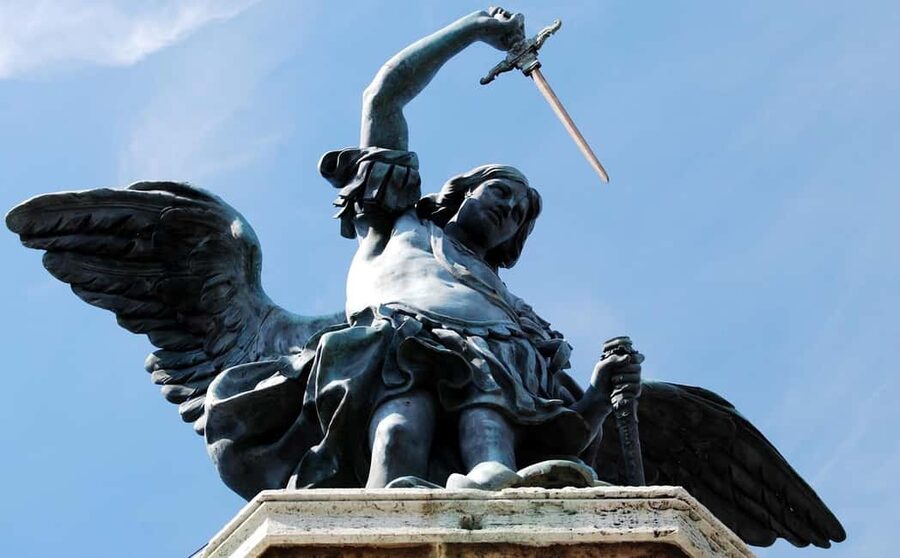
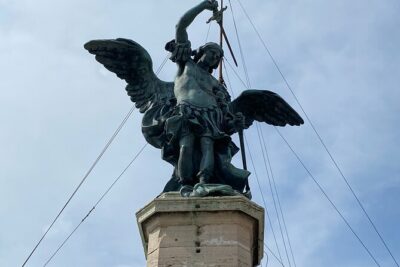
The story also includes the legend of 590, when Rome was suffering from plague. According to the legend, the Archangel Michael appeared on top of the mausoleum, signaling that the plague had ended. A statue of the angel now gives the monument its familiar name and helps explain the building’s Christian identity.
I like this part because it shows how the castle’s meaning changed in the public imagination. It was no longer only an imperial tomb. It became a place tied to divine protection, papal power, and Rome’s survival.
More self-guided and audio tours in Rome:
- Rome: Colosseum & Forum with Audio Guide App -Optional Arena
★ 4.2 · 24,770 reviews - Rome: City Sightseeing Hop-on Hop-off Bus with Audioguide
★ 4.0 · 16,045 reviews - Rome: St. Peter’s Basilica & Dome Entry Ticket & Audio Tour
★ 4.2 · 7,537 reviews - Vatican & Sistine Chapel Ticket with Optional Audio Guide
★ 4.1 · 5,405 reviews
Prisons, executions, and the world of Tosca
The castle’s later use as a prison adds a darker note. The courtyard was used for executions, and the setting is linked with characters from Puccini’s opera Tosca, who are imprisoned there.
You should not expect the ticket to include a performance or a theatrical presentation of the opera. The connection is historical and atmospheric. The audio guide helps place the courtyard and prison story in context, while the rooms and stonework give you a physical sense of the fortress’s harsher role.
This section may matter most to visitors who know Tosca, but you do not need to be an opera fan to understand the point. Castel Sant’Angelo was not simply a grand papal residence. It was also a place of confinement and punishment.
The audio format lets you spend more time in areas that interest you. If military architecture is your focus, you can linger over the fortress. If the prison and opera connection catch your attention, pause there instead. That freedom is a real advantage over a tightly timed group tour.
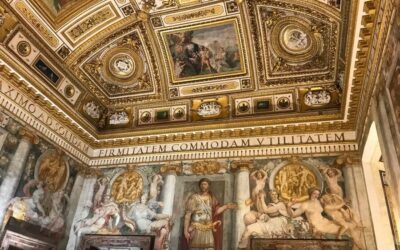
The limitation is that the description does not list every room or prison area that will be open on your date. Access within a historic museum can change, so think of the audio guide as a way to interpret the areas available, not as a guarantee of a specific behind-the-scenes route.
Angel statues and the view from the top
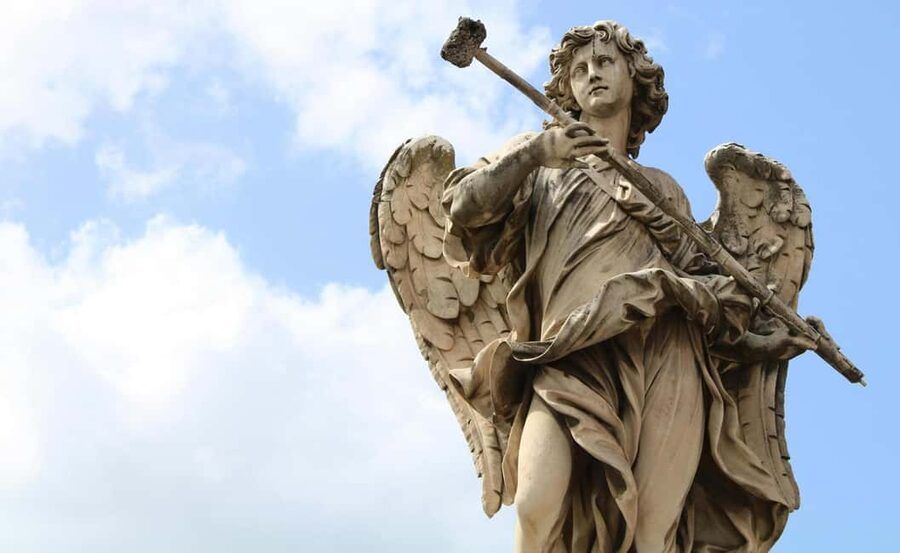
The approach across the Bridge of Sant’Angelo is part of the pleasure of the visit, even though the ticket is for the castle. The elegant angel statues create a strong visual link between the river, the fortress, and the Vatican side of Rome.
Inside, work your way toward the upper levels and panoramic viewpoint. The view is one of the main reasons I would choose this attraction. From above, you can take photographs of Rome’s rooftops, the Tiber, the bridge, and the surrounding Vatican area.
The exact view depends on the weather and which terraces are open, but the ticket specifically includes the chance to take photographs from the top. The angel statue above the castle is also a key part of the silhouette.
Go slowly on the way up. The building’s appeal is not only the final panorama. The changing corridors, defensive character, and mixture of Roman and papal uses make the climb worthwhile.
The castle is not suitable for wheelchair users. That is important here because this is a historic fortress with vertical movement and uneven access. If you need step-free access, this ticket is not an appropriate choice.
The Vatican-area audio tour
After the castle, you can use the separate digital audio tour focused on the Vatican area. It includes the Bridge of Sant’Angelo, St. Peter’s Basilica, and other major sights nearby.
This is not a guided walk with a guide meeting you at each landmark. It is a self-guided audio resource, so you decide when to use it and how long to listen. I see it as a useful bonus for building a walking route around Castel Sant’Angelo, especially if you are already planning to visit the Vatican area.
Keep your expectations clear. The ticket does not include entry to St. Peter’s Basilica, a guided Vatican tour, or a headset. It provides commentary about the sights. You still need separate admission if another attraction requires a ticket.
The value of this extra audio content depends on your plans. If you are staying near the Vatican or walking from the castle toward St. Peter’s, it adds context at no extra charge. If your schedule is packed with a formal Vatican tour, you may use only a small part of it.
Is $17 a fair price?
At $17 per person, this is a fair choice for independent visitors who want priority admission and some historical explanation. A live tour usually costs more because you are paying for a person, a fixed route, and group management. Here, you pay less and get freedom, but you handle the technology yourself.
The ticket is strongest in three areas:
- Priority entry through a separate entrance
- Audio commentary at 18 castle points
- A second audio tour for the Vatican area
The value drops if you do not want to listen on your own device. You must supply your phone and headphones, and the guide should be downloaded before arrival. A visitor who prefers a personal guide, questions, and storytelling tailored to the group may find the experience too hands-off.
The voucher instructions deserve special attention. Since one customer reported being unable to find the ticket and needing to buy another, save the email, download the QR code, and check WhatsApp before you set out. This is a small task, but it protects the main benefit of the booking.
Free cancellation is available up to 24 hours in advance for a full refund. That gives you some flexibility if your Rome plans change, but it does not solve a missing-voucher problem on the day. Prepare the ticket early.
Who should book this Castel Sant’Angelo visit?
I would recommend it to you if you want to explore alone, prefer short audio explanations, and care about getting to the top for the view. It also suits visitors with limited time who do not want to commit to a longer guided tour.
It is a good match for:
- First-time Rome visitors who want an introduction to the castle
- History fans interested in Roman, papal, military, and prison uses
- Opera lovers curious about the setting connected with Tosca
- Couples or small groups who want to move at different speeds
- Visitors planning a walk around the Vatican area
I would be more cautious if you need wheelchair access, dislike using a phone during sightseeing, or want a live expert to answer questions. The small-group option may be available, but the stated inclusions center on the ticket and digital audio guide, so confirm the format before booking if group interaction matters to you.
Should you book it?
Book this experience if Castel Sant’Angelo is on your Rome list and you want an affordable, flexible visit with priority entry. The building’s shift from Hadrian’s mausoleum to fortress, papal refuge, prison, and museum gives the audio guide plenty to explain, and the top view adds a clear reward at the end.
Skip it if you want a fully guided tour or cannot manage the digital ticket and audio setup. For everyone else, $17 buys a practical way to see one of Rome’s most distinctive monuments, provided you download the Vox City ticket and audio guide before you arrive.
FAQ
Where do I enter Castel Sant’Angelo?
Go directly to Castel Sant’Angelo at Lungotevere Castello, 50. Have the downloaded Vox City ticket ready to show at the separate priority entrance.
Is this a guided tour?
No. This is a self-guided visit with a digital audio guide and 18 points of interest. A live guide is not included.
Which languages are available for the audio guide?
Audio commentary is available in English, Italian, French, German, Portuguese, Polish, Spanish, and Chinese.
Do I need to bring headphones?
Yes. Headphones and a mobile device are not included, so bring your own headphones and use your phone for the audio guide.
Does the ticket include entry to St. Peter’s Basilica?
No. The package includes a self-guided audio tour of the Vatican area, including St. Peter’s Basilica and the Bridge of Sant’Angelo, but it does not state that admission to St. Peter’s Basilica is included.
Can wheelchair users take this experience?
No. The experience is listed as unsuitable for wheelchair users.
Newest Rome tours we have reviewed
- Private TikTok Video Making in Rome★ 5.0 · 7 reviews
- Assisi, Orvieto and Civita di Bagnoregio Full Day Tour from Rome★ 4.5 · 45 reviews
- Assisi & Saint Francis Path Tour from Rome★ 5.0 · 45 reviews
- Assisi and Cascia Private Day Tour from Rome with Lunch★ 5.0 · 10 reviews
- Art Class in the center of Rome!★ 4.0 · 4 reviews
- Art & Craft: Beer Tour with Street Art in Rome★ 4.5 · 6 reviews
- Arrival in Rome: Airport Transfer & Exclusive City Introduction★ 5.0 · 3 reviews
- From Rome: Private Day-Tour of Tuscany★ 5.0 · 16 reviews
Castel Sant’Angelo Tours, compared.
Castel Sant’Angelo Skip-the-Line Ticket & Audio Guide
Read our review →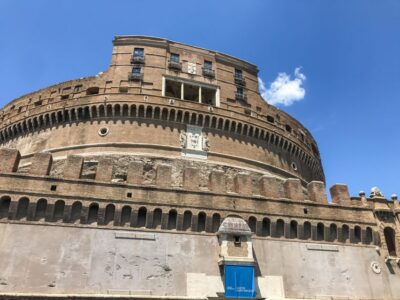
Castel Sant’Angelo Skip-the-Line Entry Ticket
Read our review →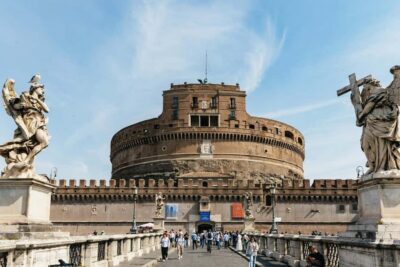

Browse the lists this tour appears in