
Reviewed · ROME CHURCHES AND BASILICAS TOURS
Rome: Holy Jubilee Papal Basilicas Walking Tour
Walking through Rome’s four Papal Basilicas during a Jubilee Year is a rare chance to connect the city’s religious traditions with its art and architecture. The special focus here is the Holy Doors, opened only during Holy Years, including the 2025 Jubilee.
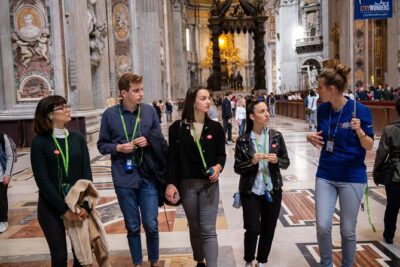
I like the small group size, limited to 10 people, and the clear route linking St. Paul Outside the Walls, St. John Lateran, St. Mary Major, and St. Peter’s Basilica. I also like that the tour gives you context instead of leaving you to admire enormous churches without knowing why they matter. Guide Fabrizio receives a particularly warm mention for his approach.
The main drawback is the pace. Four major basilicas in four hours means plenty of walking, security checks, and limited time at each stop. The meeting details also need checking, since the activity describes a start at St. Paul and an ending at St. Peter’s, yet also says the tour ends back at the original meeting point.
Key points to know before booking
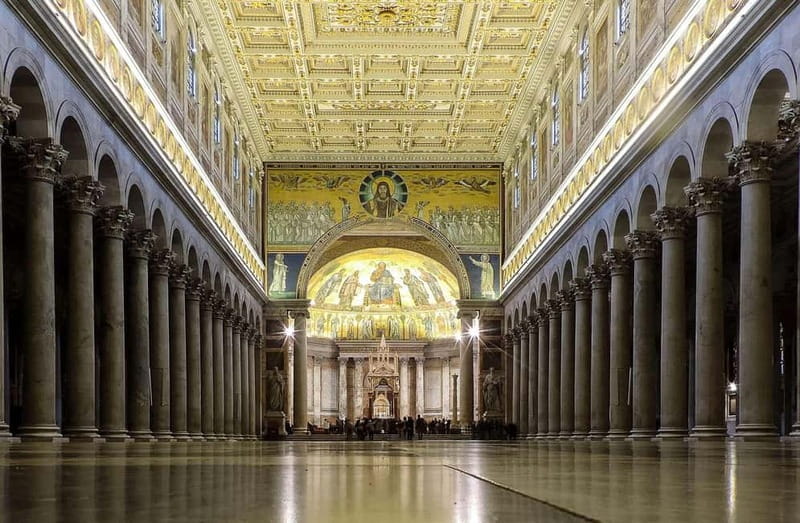
- Four Papal Basilicas: Visit St. Paul Outside the Walls, St. John Lateran, St. Mary Major, and St. Peter’s Basilica in one half-day.
- Holy Doors: Learn why these doors matter and pass through them while they are open during the 2025 Jubilee.
- Small group: The group is limited to 10 people, giving you a better chance to hear the guide.
- English guidance: The tour is conducted in English by a local expert tour leader.
- Religious dress code: Your shoulders and knees must be covered, and shorts, short skirts, and backpacks are not allowed.
- Serious walking: Bring comfortable shoes and water. The tour is not suitable for wheelchair users or people with mobility impairments.
Why the Holy Doors make this Rome walk unusual
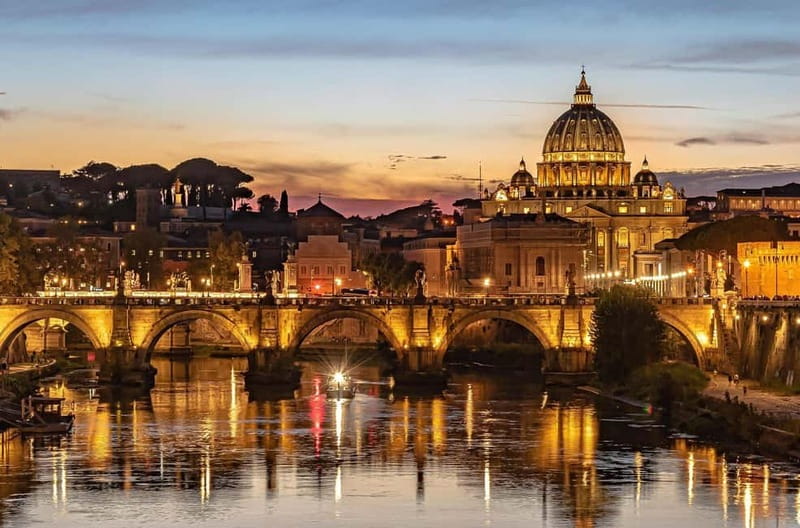
Rome has no shortage of churches, but the four Papal Basilicas occupy a special place in Catholic life. The Jubilee gives this tour its limited window. Holy Doors are opened only during Holy Years, so you cannot treat this as a standard church tour available every season.
The custom gives the route a clear purpose. You are not simply moving from one impressive interior to another. You are following a traditional pilgrimage path and learning how each basilica fits into the wider story of Rome and the Catholic Church.
I like that the focus stays on both meaning and place. A guide can explain the symbolism of the doors, point out why each basilica matters, and help you understand the order of the route. That is useful even if you are not Catholic. The churches are also major works of art, architecture, and civic history.
The 2025 Jubilee is the key reason to book now rather than later. Once the Holy Doors close, this particular feature disappears until another Jubilee Year. The information describes Jubilee Years as taking place once every 50 years, making this a genuinely uncommon opportunity.
More churches and basilicas in Rome:
- Vatican Museums, Sistine Chapel & 4 Papal Basilicas Full Day Tour
★ 4.5 · 1,068 reviews - Vatican: Pope Francis Tomb and Papal Basilicas Tour
★ 4.7 · 340 reviews - Rome: Santa Maria Maggiore Upper Areas Skip-the-Line Ticket
★ 3.8 · 223 reviews
Starting at St. Paul Outside the Walls
The stated meeting point is Via Ostiense 273, 00145 Rome, directly outside McDonald’s. Your guide is expected to hold a sign reading Jubilee Experience, which should make the meeting easier to spot in a busy city.
St. Paul Outside the Walls is the traditional starting point for the Holy Jubilee Trail. Its location outside the historic center also gives the route a sense of purpose: the pilgrimage begins at one of Rome’s great basilicas before continuing toward the city’s other major churches.
You will learn about the Holy Door here and begin the tour’s main theme, the religious meaning of crossing these entrances. The basilica is also one of the four most important churches in Rome, so this is not a token first stop.
The practical issue is timing. Security checks and entrance lines can take time, particularly during the high season. The tour lasts four hours, so you should expect a guided overview rather than a slow, room-by-room visit to every basilica.
The available information describes the activity as a walking tour, but the four churches are spread across Rome. It does not specify how the group moves between them. Before booking, confirm the transport arrangements and the exact end point with the provider. That question matters because the listed route begins at St. Paul and ends at St. Peter’s, while the meeting information says the activity ends at the original meeting point.
St. John Lateran, Rome’s cathedral
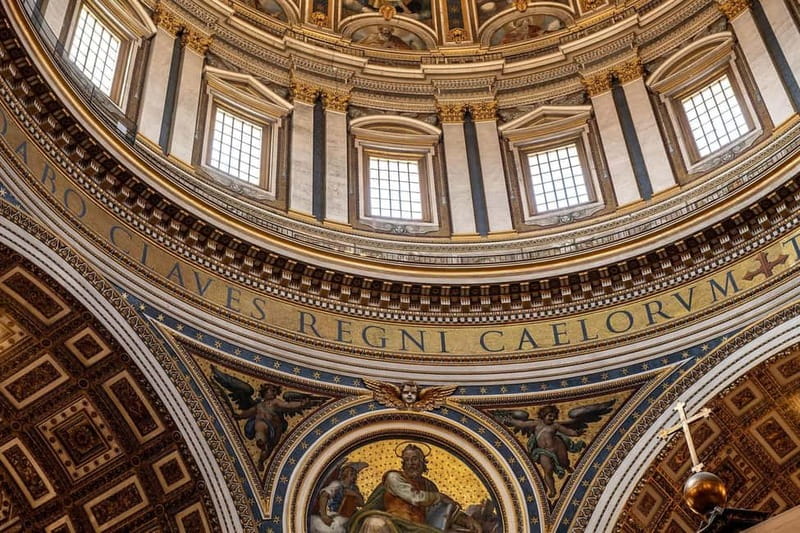
The next major stop is St. John Lateran, the oldest basilica in Rome and the official cathedral of the city. Many first-time visitors assume St. Peter’s is Rome’s cathedral. It is not. St. John Lateran holds that title, which makes this visit especially useful for understanding how the city’s religious structure works.
The basilica gives the tour a different emphasis from St. Paul Outside the Walls. Here, you are looking at Rome’s cathedral and one of the city’s central religious institutions. Your guide will explain the Holy Door and the church’s place along the Jubilee route.
This stop is valuable because it corrects a common misunderstanding while adding another layer to the day. St. Peter’s may be the best-known church in the Catholic world, but St. John Lateran has the official cathedral role in Rome.
Expect the same practical limitations as at the other basilicas. Entry requires appropriate clothing, and lines or security checks may slow the group. Keep your passport or identity card, or a copy, with you as required for the activity.
St. Mary Major and its sacred relics
St. Mary Major brings another change in subject and atmosphere. The basilica is known for sacred relics and striking mosaics, giving you a chance to see how devotion, decoration, and visual storytelling work together inside Rome’s churches.
The mosaics are one of the reasons this stop deserves more than a quick photograph. A guide can help you notice the religious scenes and explain why the basilica is important, rather than leaving you to wander through a grand interior without context.
St. Mary Major is also a practical concern during this Jubilee period. The entry information warns that lines may be longer because of the Pope’s passing and burial at St. Mary Major. That can affect the schedule, so you should arrive prepared for delays and accept that the pace may change.
This is one reason I would not plan a tightly timed activity immediately after the tour. A four-hour schedule is already compact, and a major basilica with special public attention may require additional waiting.
More Jubilee Year tours in Rome:
- Highlights of Rome Bike Tour (Including Jubilee Sights)
★ 5.0 · 239 reviews - Private Sacred Relics Jubilee Bike Tour
★ 5.0 · 58 reviews - Rome: Jubilee Year Papal Basilicas Tour by Private Car
★ 4.8 · 57 reviews - Private Jubilee Tour: 3 Papal Basilicas with Santa Maria Maggiore
★ 5.0 · 53 reviews
Ending at St. Peter’s Basilica
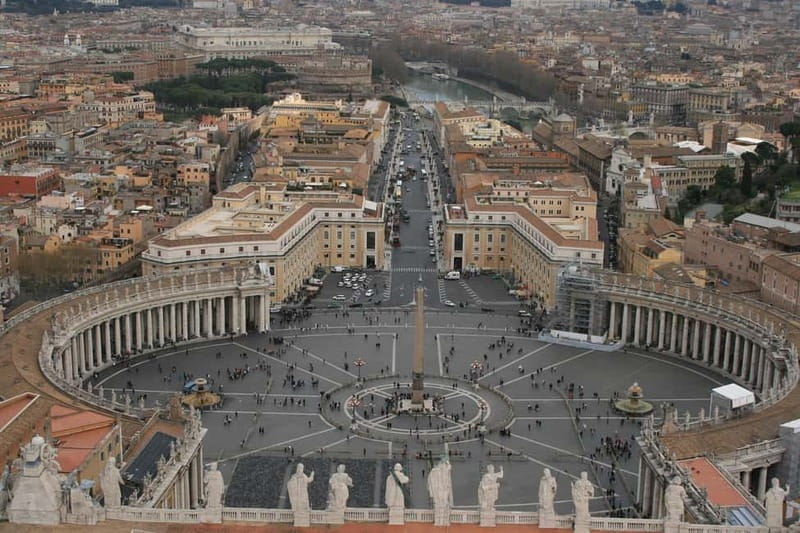
The final major church is St. Peter’s Basilica in Vatican City, described as the spiritual heart of Catholicism. It is the stop most people will recognize, but placing it at the end gives the route a clear finish.
St. Peter’s is also where the scale of the day becomes most apparent. After visiting three other Papal Basilicas, you will have a better basis for comparing their roles and styles. The guide can tie together the Holy Doors, the Jubilee tradition, and the importance of the four churches.
Do not assume that reaching St. Peter’s means you will have unlimited time inside. The tour includes entry to the significant basilicas, but security checks and lines may take a large part of the schedule. At the busiest times, the group may need to keep moving.
There is also a logistical contradiction worth sorting out before you reserve. The route description says the tour ends at St. Peter’s Basilica, while the meeting-point information says the activity ends back at Via Ostiense. Ask which statement is correct. If you need to meet a train, make a dinner reservation, or join another tour, allow extra time until you have a definite answer.
What the four-hour schedule means
Four hours is enough for a guided introduction to the four basilicas, but it is not enough for an unhurried study of each one. I would think of this as a focused pilgrimage route with commentary, not a full art-history tour.
The pace will depend on group movement, security, and the number of people entering each church. The small group limit of 10 helps. It should be easier to stay together and hear the guide than it would be with a large coach group, but it cannot remove public lines or church security procedures.
You will do a moderate amount of walking. Comfortable shoes are essential, and water is recommended. The route is not suitable for wheelchair users or people with mobility impairments, so anyone with concerns about walking or standing should choose a different way to see the basilicas.
I would also avoid bringing unnecessary items. Backpacks are not allowed, and the churches require modest clothing. Wear trousers or a longer skirt, and choose a top that covers your shoulders. The dress code is not a minor suggestion. It affects whether you can enter.
Is $108 a fair price?
The price is $108 per person. That is not a bargain for a four-hour walk, but the value depends on what you want from the day.
You are paying for an English-speaking local expert, a small group capped at 10, entry to significant basilicas, and access through the Holy Doors during a rare Jubilee period. If you would otherwise struggle to understand the doors, the order of the basilicas, and the religious meaning of the route, the guided structure adds real value.
The price makes less sense if you want a slow, independent visit or already know Rome’s churches well. You may prefer to enter the basilicas on your own and spend as long as you like inside each one. This activity is designed for people who want the route organized and explained.
Food, drinks, hotel pickup, and hotel drop-off are not included. Plan to eat before or after the tour, and do not expect the guide to collect you from your accommodation. The meeting point is at Via Ostiense, outside McDonald’s.
The reserve-now-and-pay-later option also gives you some flexibility. You can reserve without paying immediately, and cancellation is free up to 24 hours in advance for a full refund.
The guide can shape the whole experience
The quality of a tour like this depends heavily on the guide. The group is small, but the basilicas are enormous and the subject can become overly formal if the explanations are not clear.
Fabrizio is specifically identified as a guide who made a strong impression. That is useful information when you are comparing the activity with a self-guided visit. A good guide can point out the details you would otherwise miss, explain the Holy Doors without turning the tour into a lecture, and keep the four stops connected.
The advertised language is English, and the host or greeter is also listed as English-speaking. If you need another language, this is not the right choice based on the available information.
Who should book this Jubilee tour?
I would recommend it to three kinds of people.
First, it suits pilgrims who want to follow the Holy Trail and pass through the Holy Doors as part of the 2025 Jubilee. The route gives the day a religious purpose rather than treating the basilicas as isolated sightseeing stops.
Second, it works well for history and architecture lovers who want an expert to explain why these four churches matter. You will see some of Rome’s most important religious buildings in one organized outing.
Third, it is a good fit for curious first-time visitors who want structure. The small group and English guidance can make the day easier, especially if you do not know how the Papal Basilicas relate to one another.
I would skip it if you dislike walking, cannot meet the dress code, need wheelchair access, or want to spend a long time inside each church. I would also skip it if the uncertain ending creates a problem for your schedule.
Should you book the Holy Jubilee Papal Basilicas Walking Tour?
Book this tour if the 2025 Jubilee and the Holy Doors are central to your Rome plans. The chance to follow the traditional route through four Papal Basilicas is unusual, and the small group format gives you a better chance to hear the guide. Fabrizio’s particularly warm feedback is another reason to expect a personal touch when he leads the group.
Before paying, confirm two things: how the group travels between the widely separated basilicas, and whether the tour ends at St. Peter’s or returns to Via Ostiense. Once those points are clear, bring water, wear comfortable shoes, cover your shoulders and knees, and keep your schedule open for security lines.
FAQ
When are the Holy Doors open?
The Holy Doors are opened only during Holy Years, also called Jubilee Years. This tour is connected to the 2025 Jubilee.
Which basilicas does the tour visit?
The route includes St. Paul Outside the Walls, St. John Lateran, St. Mary Major, and St. Peter’s Basilica.
How long does the tour last?
The tour lasts four hours. Starting times vary, so you need to check availability when booking.
What language is the tour conducted in?
The tour is conducted in English, and the host or greeter is English-speaking.
How large is the group?
The tour is limited to 10 participants.
Where does the tour begin?
The stated meeting point is Via Ostiense 273, 00145 Rome, directly outside McDonald’s. Your guide should be holding a sign that reads Jubilee Experience.
Where does the tour end?
The route description says it ends at St. Peter’s Basilica, while the meeting information says the activity ends back at the original meeting point. Confirm the exact end point before booking.
What should I wear?
Your shoulders and knees must be covered to enter the basilicas. Shorts and short skirts are not allowed.
Can I bring a backpack?
No. Backpacks are not allowed. You should also bring comfortable shoes, water, and a passport or identity card. A copy is accepted.
Is the tour suitable for wheelchair users?
No. The activity is not suitable for wheelchair users or people with mobility impairments.
More walking tours in Rome
- Rome: Trastevere & Campo de Fiori Street Food Walking Tour
★ 4.9 · 2,768 reviews - Rome: Paranormal Night Walking Tour & Secret Backstreets
★ 4.9 · 1,921 reviews - Rome by Night Walking Tour – Legends & Criminal Stories
★ 4.5 · 1,003 reviews - Rome: Guided City Center Evening Sightseeing Walking Tour
★ 4.4 · 953 reviews
Newest Rome tours we have reviewed
- Private TikTok Video Making in Rome★ 5.0 · 7 reviews
- Assisi, Orvieto and Civita di Bagnoregio Full Day Tour from Rome★ 4.5 · 45 reviews
- Assisi & Saint Francis Path Tour from Rome★ 5.0 · 45 reviews
- Assisi and Cascia Private Day Tour from Rome with Lunch★ 5.0 · 10 reviews
- Art Class in the center of Rome!★ 4.0 · 4 reviews
- Art & Craft: Beer Tour with Street Art in Rome★ 4.5 · 6 reviews
- Arrival in Rome: Airport Transfer & Exclusive City Introduction★ 5.0 · 3 reviews
- From Rome: Private Day-Tour of Tuscany★ 5.0 · 16 reviews
Rome Churches and Basilicas Tours, compared.
Vatican Museums, Sistine Chapel & 4 Papal Basilicas Full Day Tour
Read our review →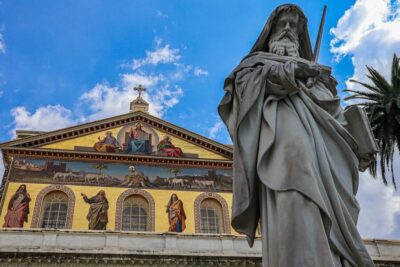
Santa Maria Maggiore Upper Areas Skip-the-Line Ticket
Read our review →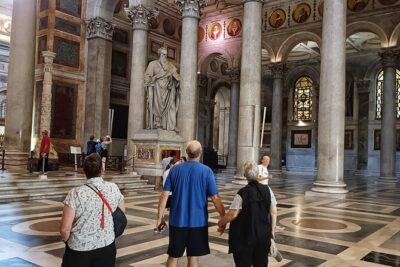
San Clemente Underground and Basilica Guided Tour
Read our review →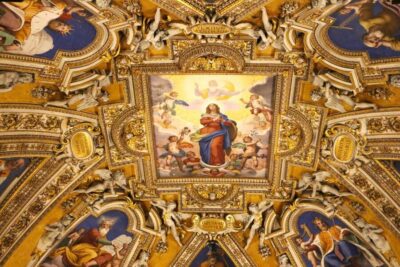
Santa Maria Maggiore and Panoramic Dome Guided Tour
Read our review →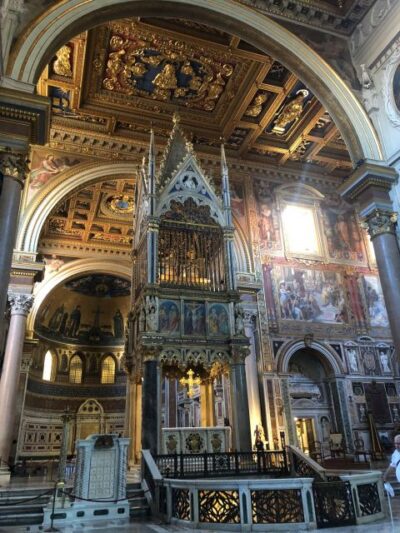
Basilica of St John Lateran & Holy Steps 1-Hour Tour
Read our review →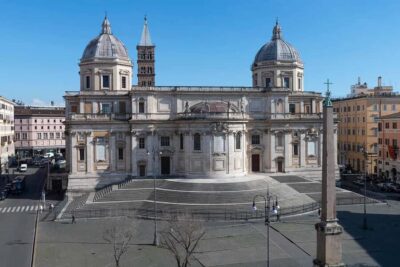
Basilica of St. Mary Major Priority Entrance Ticket
Read our review →Browse the lists this tour appears in