
Reviewed · CAPITOLINE MUSEUMS TOURS
Rome: Private Capitoline Museums Tour
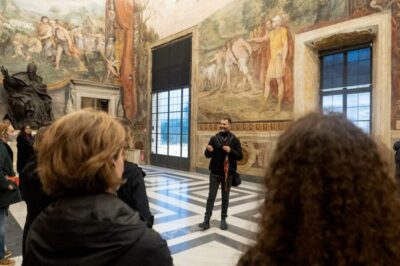
Rome’s Capitoline Museums put Roman art, politics, and mythology under one roof, then give you a fine view of the Roman Forum for context. The tour begins in Michelangelo’s Capitoline Square and moves through the oldest European public collection of antiquities.
I like the private format, since your guide can focus on the questions and interests of your own group. I also like the clear route through major highlights, especially the She Wolf and the bronze Marcus Aurelius. The drawback is access: this tour is not suitable for wheelchair users or people with limited mobility, and the single elevator does not reach every level.
Key points
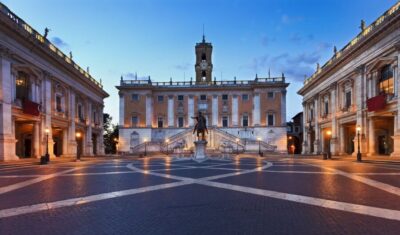
- Michelangelo’s square: Begin in the elegant Capitoline Square before entering the museum.
- Rome’s She Wolf: See the famous image of the wolf nursing Romulus and Remus.
- Marcus Aurelius Exedra: Visit the glass-roofed setting for the ancient bronze emperor.
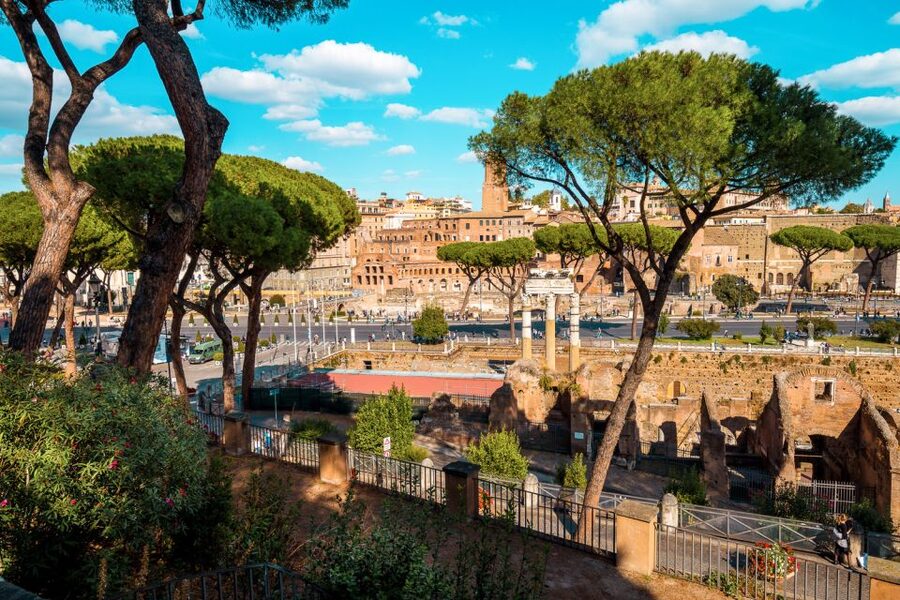
- Ancient temple remains: Look down toward archaeological ruins tied to the Capitoline Temple of Jupiter.
- Roman Forum views: Finish with an excellent high view over the heart of ancient Rome.
- Private guidance: English and Italian guides lead a 2.5-hour visit for your group alone.
Why the Capitoline Museums deserve a place on your Rome plan
The Capitoline Museums are not simply a room full of statues. They help connect the objects with the city around you. From the hilltop setting, you can look toward the Roman Forum, then return indoors to see the art and political symbols that shaped Rome’s public life.
The collection began at the end of the 15th century, when Pope Sixtus IV gave ancient bronzes to the people of Rome. That detail matters. This was created as a public collection, not only as a private storehouse for rulers or collectors. You are entering a museum with a long civic purpose.
I find this especially useful early in a Rome visit. The museum gives you names, faces, gods, emperors, and symbols that appear again and again across the city. A good guide can make those connections quickly, instead of leaving you to read isolated labels while trying to remember who is who.
The private tour costs $135.94 per person. That is a serious price for 2.5 hours, but it includes admission and a private local guide. The value depends on your group size and interest in ancient Rome. For a couple or family that wants focused explanations, the cost may be fair. If you prefer to wander silently or already know Roman art well, a self-guided visit will cost less.
More Capitoline Museums tours:
- Rome: Capitoline Museums Experience with Multimedia Video
★ 4.3 · 1,093 reviews - Capitoline Museum Experience with Multimedia Video
★ 4.0 · 98 reviews - Private Tour – Capitoline Museums
★ 5.0 · 90 reviews
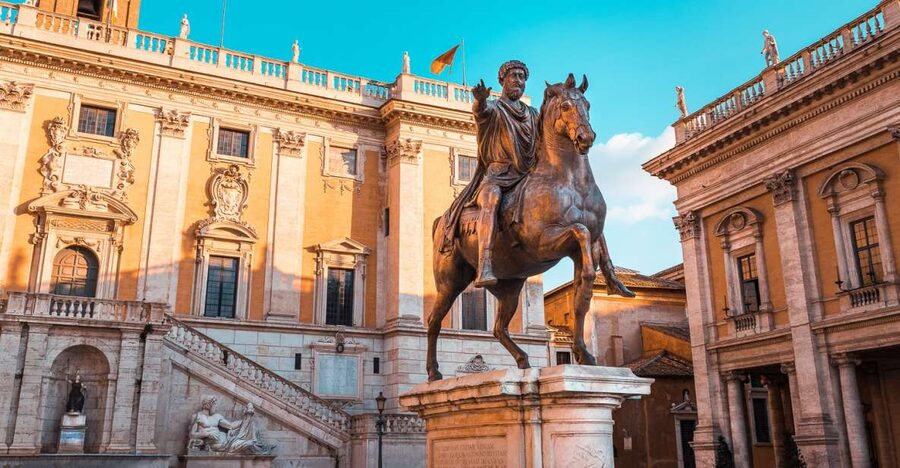
Starting beneath Marcus Aurelius in Capitoline Square
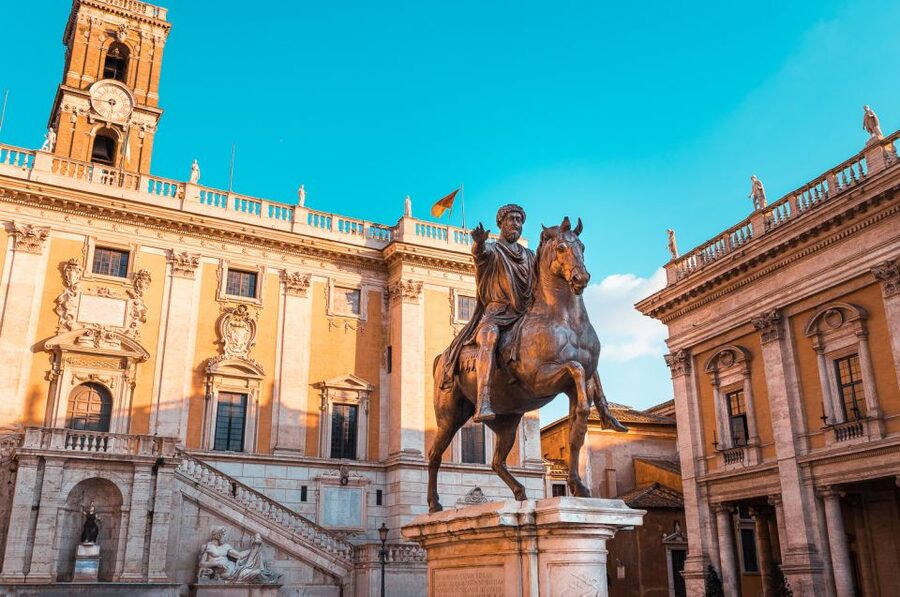
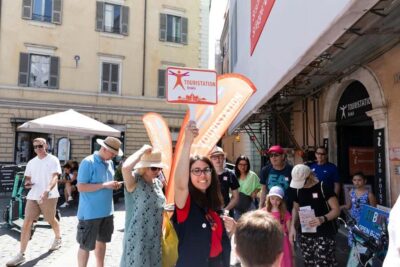
Meet your guide in the middle of Capitoline Square, in front of the statue of Marcus Aurelius. Your guide will hold a sign with your name and provide your tickets, so you do not need to find a separate ticket office first.
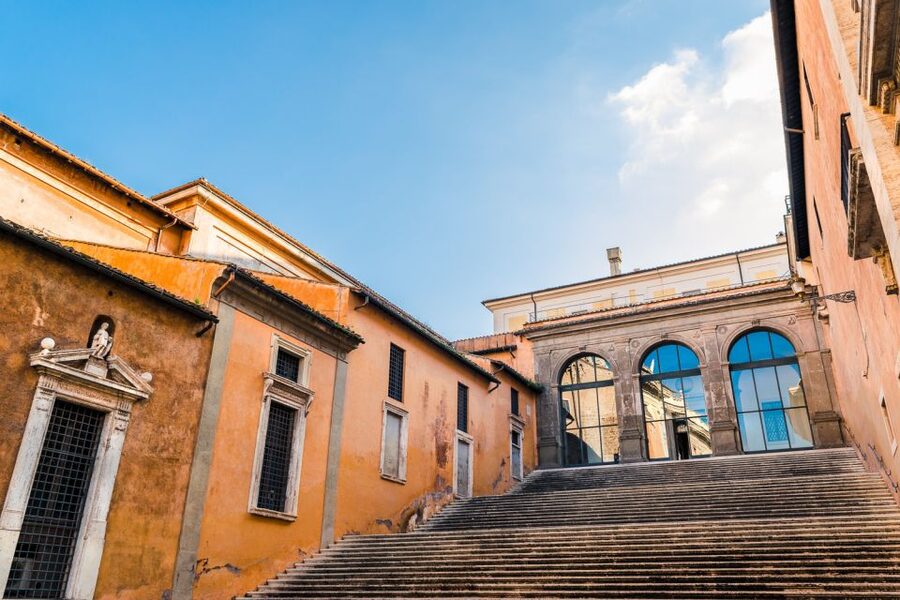
Take a moment before entering. The square was designed by Michelangelo, and its shape is part of the experience. The approach, buildings, and central statue create a carefully planned setting rather than a random open plaza. Your guide will explain the square before leading you into the museum.
This opening also gives you a useful visual introduction to the bronze statue you will examine more closely inside. The original ancient statue is displayed in the museum, while the square has a copy. That makes the meeting point easy to recognize and gives the tour a clear starting object.
The guide languages are English and Italian. Specific guides praised for lively explanations include Vincenzo, also called Vincent, and Martina. The strongest feature to look for here is not speed, but the ability to ask questions and shape the visit around your group.
Entering Europe’s oldest public antiquities collection
The museum was created by Pope Sixtus IV at the end of the 15th century. Its age gives the visit a different feel from a newer museum built around a single archaeological excavation. Here, sculpture and objects help explain how Rome saw itself across centuries.
You can expect a selection of marble and bronze works, with the guide pointing out the main pieces rather than attempting to explain every object in equal detail. That is a sensible approach in a museum where it would be easy to lose half a day among statues, inscriptions, and fragments.
This is where a private guide earns the admission price. The tour is designed to show you the highlights and explain their place in Roman history. Guides have been praised for high energy, clear stories, and an interactive style. You should feel free to ask about an object, a myth, or a confusing name as you go.
The experience does not promise a full survey of every gallery. It is a focused introduction. If you want a long, slow study of the collection, 2.5 hours will feel short. If you want the main works and a reliable framework, the timing is sensible.
Meeting the She Wolf, Rome’s most famous symbol
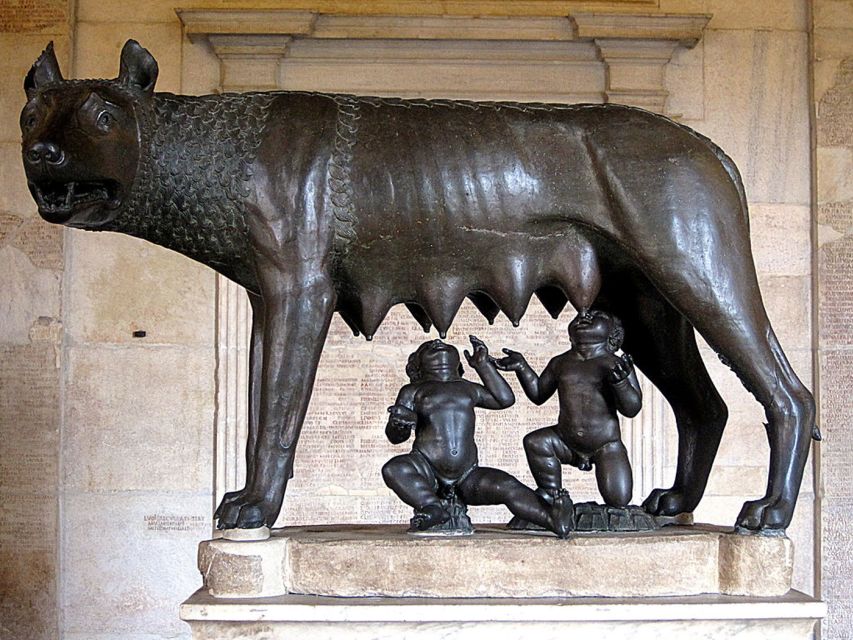
The She Wolf is the stop many people picture before they arrive. The bronze wolf nursing Romulus and Remus has become a shorthand for Rome itself, so seeing it in person gives the city’s founding story a physical focus.
Your guide can help separate the symbol from the legend. The statue represents the story of Rome’s twin founders and the city’s claim to an ancient beginning. It is also a useful reminder that Roman identity often mixes myth, politics, and public art.
This stop works well for first-time visitors because you do not need a background in archaeology to appreciate it. You can simply recognize the image, then hear why it mattered to Rome. Families may enjoy this part, though the tour as a whole is aimed at anyone interested in Roman art and history.
Do not expect the She Wolf alone to fill the visit. It is one of several major works, and the guide uses it as part of a larger story. The benefit is the connection between the object, the city’s foundation myth, and the museum’s public role.
More museums and galleries in Rome:
- Vatican Museums & Sistine Chapel Tour with Optional Basilica
★ 4.3 · 67,413 reviews - Vatican Museums, Sistine Chapel & St Peter’s Basilica Guided Tour
★ 4.5 · 39,149 reviews - Rome: Vatican Museums, Sistine Chapel & Basilica Tour
★ 4.3 · 13,872 reviews - Vatican Museums & Sistine Chapel Skip-the-Line Entry Ticket
★ 4.4 · 13,838 reviews
Seeing the Marcus Aurelius Exedra and ancient bronze
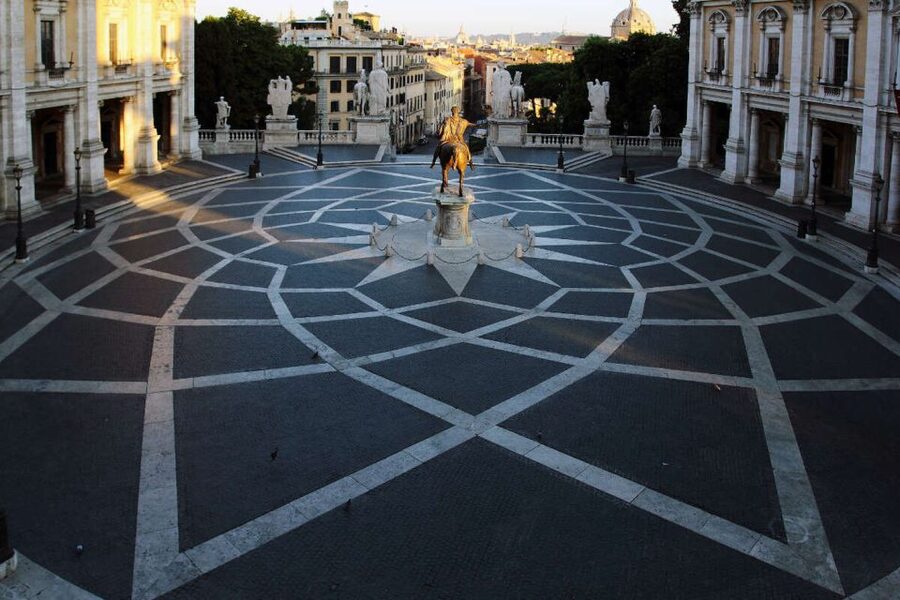
The route continues to the Marcus Aurelius Exedra, a major setting for the ancient bronze statue of Emperor Marcus Aurelius. The statue dates to the second century AD, giving you a direct look at Roman imperial art from the period of the emperor himself.
The bronze is important not only because it depicts an emperor. Its size, pose, and public role show how rulers presented authority. Your guide can point out details that are easy to miss when you are standing close to a large work without context.
The Exedra provides a strong change of pace after the earlier galleries. Instead of seeing a statue as one object in a crowded room, you encounter it in a setting designed to give it weight. That makes this section one of the tour’s most memorable stops.
The outdoor statue in the square and the ancient bronze inside create a useful comparison. The meeting point is not just a practical place to gather. It prepares you for one of the museum’s central works and lets you see how Rome continues to present its imperial past in public spaces.
Looking down toward Jupiter’s ancient temple
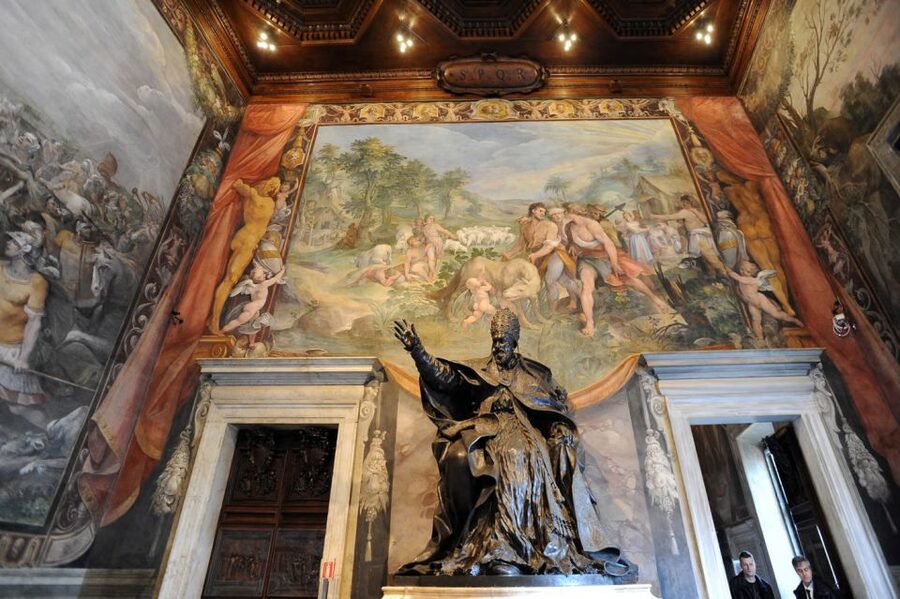
The museum also offers views of archaeological remains connected with the ancient Capitoline Temple of Jupiter. This is one of the moments when the museum becomes a lookout over the city’s past rather than only an indoor collection.
The temple was tied to the Capitoline Hill and to Roman religious and political power. From the museum, you can begin to understand the hill’s importance as a place of worship, government, and public identity.
The remains may not look as complete as a standing monument, so your guide’s explanation matters here. Ruins often make more sense when someone helps you imagine the structure and its role. This is another reason the private format works well: you can stop and ask for clarification instead of moving on with unanswered questions.
Finishing with views over the Roman Forum
The Roman Forum view is the tour’s natural finale. From the museum, you can look across the area where ancient Rome’s public life unfolded. After seeing statues of rulers and symbols of the city indoors, the view gives you the physical setting that ties the visit together.
You will not be walking through the Forum on this tour. You are viewing it from the museum, so plan a separate Forum visit if you want to explore the ruins at ground level. Still, the overlook is valuable because it helps you orient yourself before or after seeing the archaeological area.
I especially like this ending for visitors who are still learning Rome’s layout. You can see how the Forum relates to the Capitoline Hill, then carry that mental map with you for the rest of your sightseeing.
Weather does not cancel the tour, since it takes place rain or shine. The museum portion gives you shelter for much of the visit, but the opening square and final views still make sensible footwear and weather-ready clothing worthwhile.
What the 2.5-hour private format is really like
A 2.5-hour visit is long enough for the key works without demanding an entire morning. The guide leads a private group, so you are not sharing the experience with a large crowd attached to a fixed script.
That private setup is the tour’s main advantage. Vincenzo is described as energetic and full of interesting facts, while Martina is noted for friendly guidance and useful tips about staying in Rome. You may receive a different guide, but the important point is that the experience is led by a live person rather than an audio track.
The format suits a first museum visit particularly well. Several guides have been praised for keeping the explanations entertaining, focusing on the important artifacts, and helping people feel they saw the essential parts. You still will not see every room in detail, but you should leave with a clear list of what matters.
The tour ends back at the meeting point in Capitoline Square. There is no hotel pickup, drop-off, or private transportation, so you need to arrange your own way to the hill.
Practical details before you book
The meeting point is specific and easy to identify: the statue of Marcus Aurelius in the center of the square. Your guide will have a sign with your name and issue the tickets. Allow enough time to reach the square, since late arrivals can be stressful even when the meeting instructions are clear.
Large bags and luggage are not allowed. Arrive with only what you need for the museum visit. Video recording is also not allowed, so plan to enjoy the guide’s explanations without filming them.
The tour is not recommended for people with limited mobility and is not suitable for wheelchair users. There is one elevator, but it does not serve every museum level. If stairs or uneven access are a concern, this limitation is important enough to check before paying.
English and Italian are available. Food, drinks, private transport, and hotel transfers are not included. The booking terms allow cancellation up to 24 hours before the tour for a full refund, and you can reserve now and pay later, which gives you some flexibility while planning a Rome itinerary.
Who will get the most from this museum visit
I would choose this tour for a first visit to Rome, especially if you want ancient history explained in plain language. It is also a good match for families, couples, and small private groups that prefer questions and conversation over a large scheduled group.
It suits you if you want the She Wolf, Marcus Aurelius, Michelangelo’s square, Jupiter’s temple remains, and the Roman Forum view handled in one organized visit. The guide’s storytelling can also help if Roman names and myths usually blur together.
I would think twice if your main goal is to explore every gallery at your own pace. I would also avoid it if you need full wheelchair access or cannot manage a museum with levels that are not all served by the elevator.
Should you book the Capitoline Museums tour?
Book it if you want a focused introduction to Rome’s public art and ancient symbols, and if you value having a private guide connect the objects to the city outside. The combination of Michelangelo’s square, the She Wolf, Marcus Aurelius, temple remains, and Forum views makes good use of 2.5 hours.
The $135.94 per-person price is easiest to justify for a couple or family that will ask questions and make use of the private format. If you prefer a low-cost museum stop, skip the guide and explore independently. For everyone else, this is a practical way to make the Capitoline Museums more than a quick photo stop.
FAQ
How long does the Capitoline Museums tour last?
The tour lasts 2.5 hours. Starting times vary, so you need to check availability when booking.
What is the price per person?
The listed price is $135.94 per person.
Is the tour private?
Yes. The activity is offered as a private group tour.
Which languages are available?
The live tour guide is available in English or Italian.
Where do I meet the guide?
Meet in front of the statue of Marcus Aurelius, located in the middle of Capitoline Square. The guide will hold a sign with your name and provide your tickets.
What does the tour include?
The price includes museum tickets, a professional local guide, and the private tour.
Is transportation included?
No. Hotel pickup, hotel drop-off, and private transportation are not included.
Can I bring luggage or a large bag?
No. Luggage and large bags are not allowed.
Is the tour suitable for wheelchair users?
No. The tour is not suitable for wheelchair users or people with mobility impairments. There is one elevator, but it does not serve all museum levels.
Newest Rome tours we have reviewed
- Private TikTok Video Making in Rome★ 5.0 · 7 reviews
- Assisi, Orvieto and Civita di Bagnoregio Full Day Tour from Rome★ 4.5 · 45 reviews
- Assisi & Saint Francis Path Tour from Rome★ 5.0 · 45 reviews
- Assisi and Cascia Private Day Tour from Rome with Lunch★ 5.0 · 10 reviews
- Art Class in the center of Rome!★ 4.0 · 4 reviews
- Art & Craft: Beer Tour with Street Art in Rome★ 4.5 · 6 reviews
- Arrival in Rome: Airport Transfer & Exclusive City Introduction★ 5.0 · 3 reviews
- From Rome: Private Day-Tour of Tuscany★ 5.0 · 16 reviews
Capitoline Museums Tours, compared.
Capitoline Museums Experience with Multimedia Video
Read our review →
Capitoline Museum Experience with Multimedia Video
Read our review →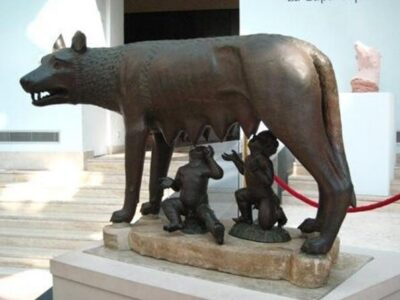
Capitoline Museum English Guided Tour & skip the line ticket
Read our review →
Browse the lists this tour appears in