
Reviewed · CAPITOLINE MUSEUMS TOURS
Rome: Private Tour of the Capitoline Museums
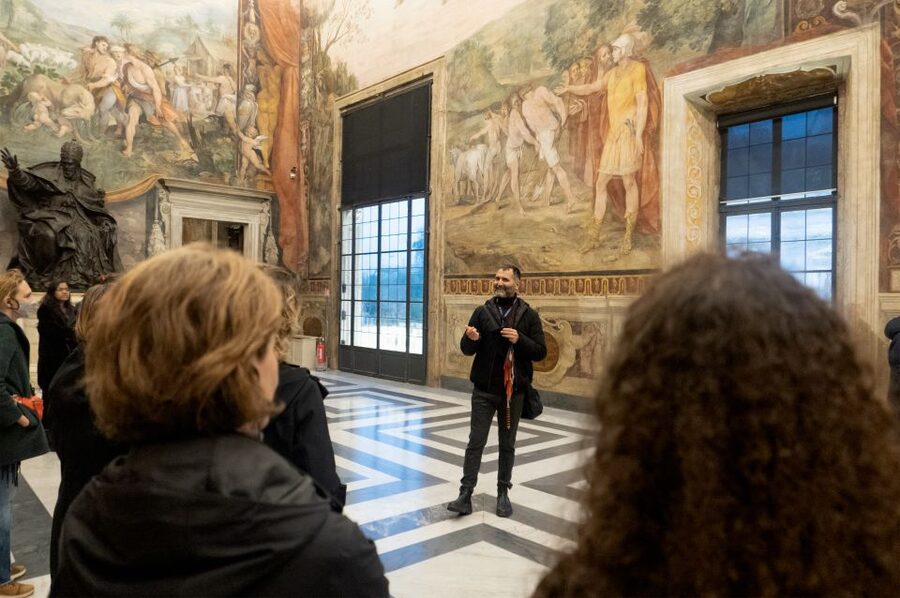
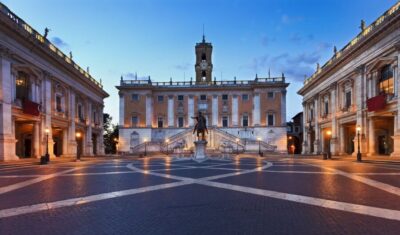
The best part of this private tour is the freedom to shape your time around what you actually care about. You can focus on ancient sculpture, Roman mythology, Renaissance art, or the buildings themselves instead of being pulled through a fixed script. The visit begins in Michelangelo’s Piazza del Campidoglio, where the square’s design is as interesting as anything inside the museum.
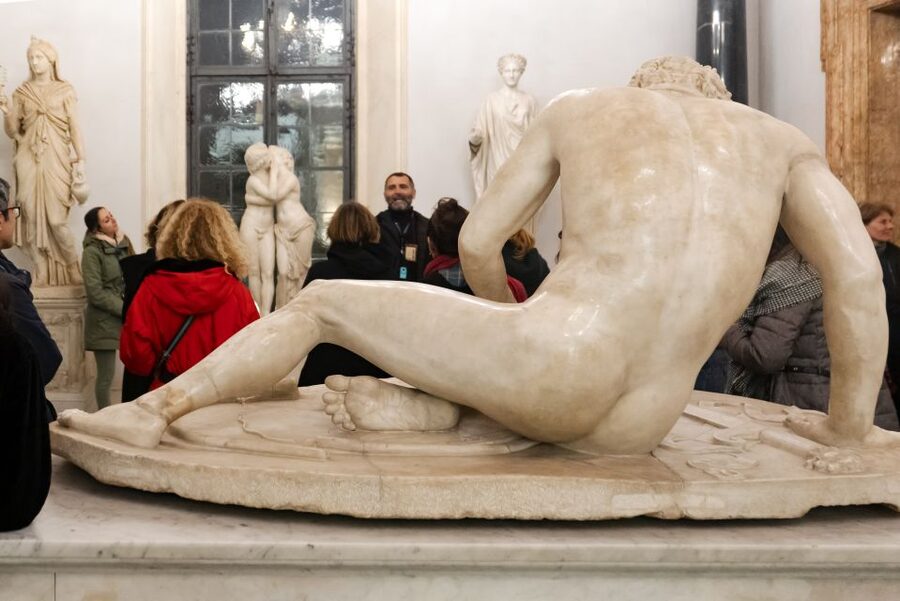
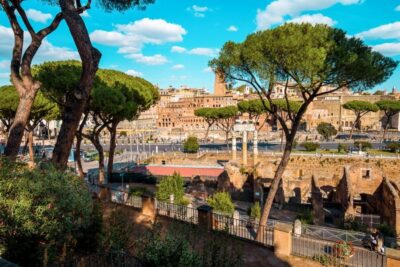
I like the chance to see the Capitoline She-Wolf, the Dying Gaul, and the Equestrian Statue of Marcus Aurelius with a guide who can connect them to Roman politics, legend, and art. I also like the balcony view over the Roman Forum, a fine reward after the museum galleries. The main drawback is the price: at $361.38 per person, this makes the most sense for visitors who value a private guide and may not want to explore a major museum alone.
Key points to know before booking
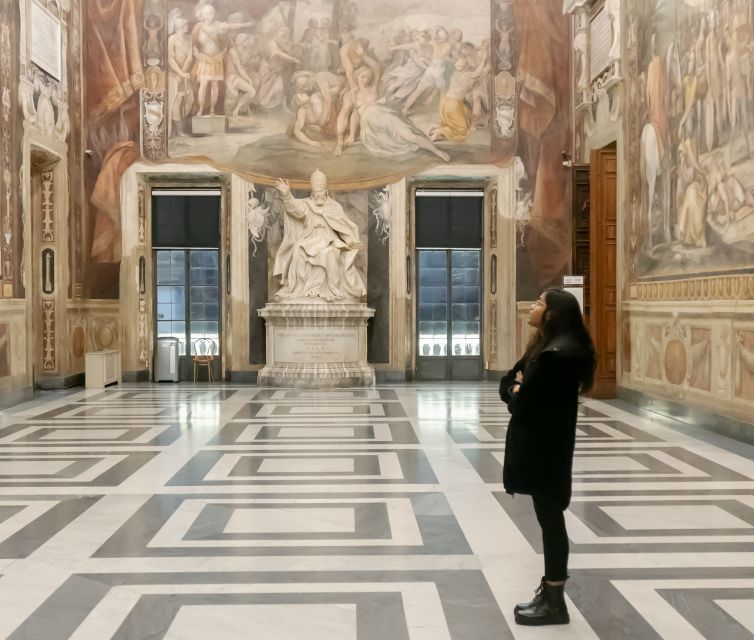
- Michelangelo’s square comes first: The tour begins in Piazza del Campidoglio, with its grand approach and clever optical design.
- The route is flexible: You and your guide choose the emphasis, including ancient sculpture, Roman stories, or paintings by Caravaggio and Rubens.
- Major works are packed into two hours: Expect the She-Wolf, Dying Gaul, Marcus Aurelius, and other important pieces.
- The Roman Forum view is part of the reward: An underground passage leads toward the museum’s second building and a balcony overlooking the Forum.
- The Victor Emmanuel II Monument is optional: Add 40 minutes for the glass elevator, 360-degree views, and a coffee or cappuccino on the terrace.
- Bring matching identification: Every person must show a passport or ID with the same full name used at booking.
Why the Capitoline Museums deserve your time
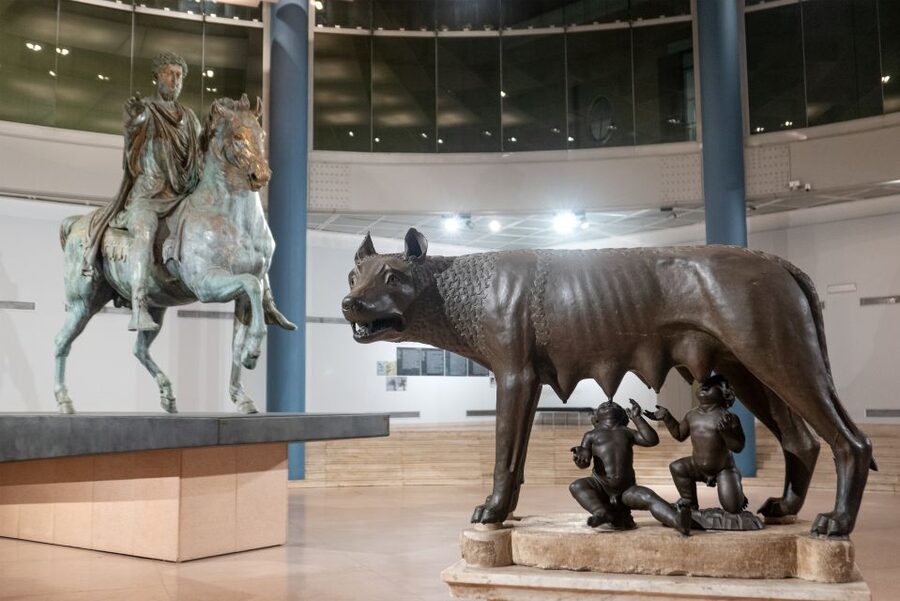
Rome has many famous museums, but the Capitoline Museums offer a particularly strong mix of art, archaeology, architecture, and city views. They occupy buildings around the Campidoglio, the hilltop square designed by Michelangelo. You are not simply entering a collection in a standard gallery building. The setting is part of the visit.
The museums are known as the world’s first public museum. That fact matters because the collection was assembled to present Rome’s past to the public, not just to keep prized objects inside a private palace. Here, ancient statues share space with later paintings and Roman civic history.
A private tour helps you make sense of that mix. Without a guide, you can admire a beautiful statue without knowing why it mattered to Roman society, how its story changed over time, or why later artists kept returning to the same myths. With a good guide, the objects become part of a larger conversation about power, religion, war, and public life.
You should still expect a fairly brisk visit. Two hours is enough to see major highlights and hear useful explanations, but not enough for every gallery. The private format makes that limitation easier to manage because you can tell your guide what deserves more time.
More Capitoline Museums tours:
- Rome: Capitoline Museums Experience with Multimedia Video
★ 4.3 · 1,093 reviews - Capitoline Museum Experience with Multimedia Video
★ 4.0 · 98 reviews - Private Tour – Capitoline Museums
★ 5.0 · 90 reviews
Starting in Michelangelo’s Piazza del Campidoglio
Your meeting point is in or around Piazza del Campidoglio, depending on the option you book. Take a moment before entering the museum. The square’s broad pattern, statues, stairway, and surrounding buildings create one of Rome’s most carefully planned urban spaces.
Michelangelo designed the piazza in the sixteenth century, giving it a strong sense of order. The layout includes an optical trick that changes how the space feels as you approach it. Your guide can point out the angles and patterns that are easy to miss when you are busy finding the entrance.
This opening is useful for two reasons. First, it gives you a sense of place before the artworks begin. Second, it provides a quick lesson in how Rome repeatedly built its present over its past. Ancient symbols, Renaissance planning, and modern city life all meet here.
The square is reached by a stairway, and the tour involves a moderate amount of walking. If you have limited stamina, mention that when you meet your guide so the pace can suit you. The activity is wheelchair accessible, but the amount of movement still makes comfortable footwear a smart choice.
The Capitoline She-Wolf and Rome’s founding story
Inside, the Capitoline She-Wolf is one of the first works many people want to see. The sculpture shows the wolf associated with the legend of Romulus and Remus, the twin brothers said to have founded Rome. The image is more than a decorative object. It became a powerful emblem of the city itself.
This is exactly the kind of piece that benefits from explanation. Your guide can help separate the famous legend from the object’s artistic and historical questions, while showing how myths helped Romans explain their own origins. The She-Wolf also gives your guide a natural way to introduce the connection between political identity and art.
Do not rush past it simply because it is famous. Ask how the sculpture was used as a symbol, what parts of the story are legendary, and how Roman images of the past helped shape the city’s public image. A private tour gives you room to ask that sort of question.
The Dying Gaul and the power of ancient sculpture
The Dying Gaul offers a very different mood. The figure is shown at the moment of defeat, but the sculpture gives him dignity and physical presence. It is one of the museum’s most memorable examples of how ancient art could present an enemy with sympathy rather than simple contempt.
Your guide can help you look at the pose, expression, and details of the figure as more than technical achievements. The work also raises questions about how Rome represented foreign peoples and celebrated military victories. That makes it useful for visitors interested in politics as well as art.
I would ask to spend real time here rather than treating it as one more stop on a list. The sculpture rewards close looking, and a private guide can adjust the pace when a particular work catches your attention.
More museums and galleries in Rome:
- Vatican Museums & Sistine Chapel Tour with Optional Basilica
★ 4.3 · 67,413 reviews - Vatican Museums, Sistine Chapel & St Peter’s Basilica Guided Tour
★ 4.5 · 39,149 reviews - Rome: Vatican Museums, Sistine Chapel & Basilica Tour
★ 4.3 · 13,872 reviews - Vatican Museums & Sistine Chapel Skip-the-Line Entry Ticket
★ 4.4 · 13,838 reviews
Marcus Aurelius, myth, and later Roman art
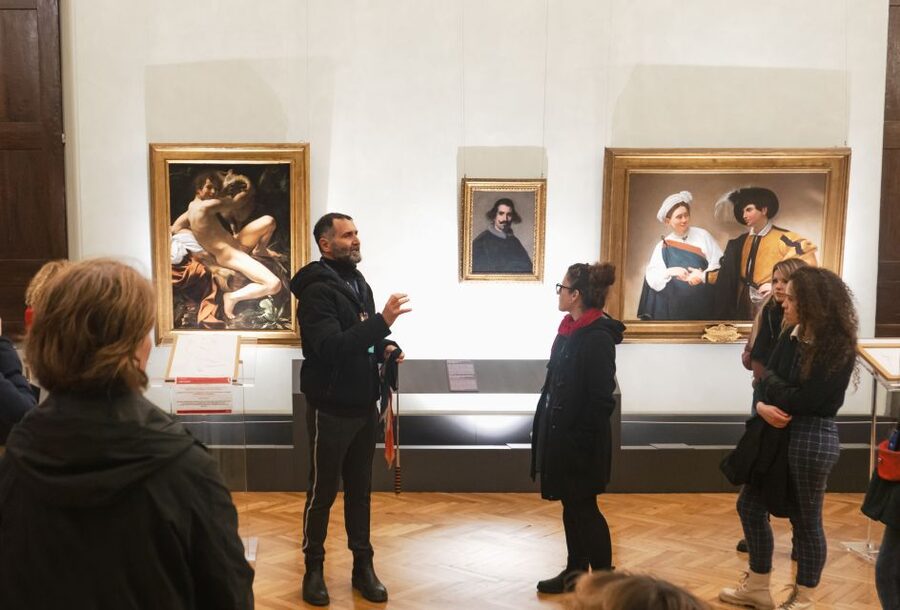
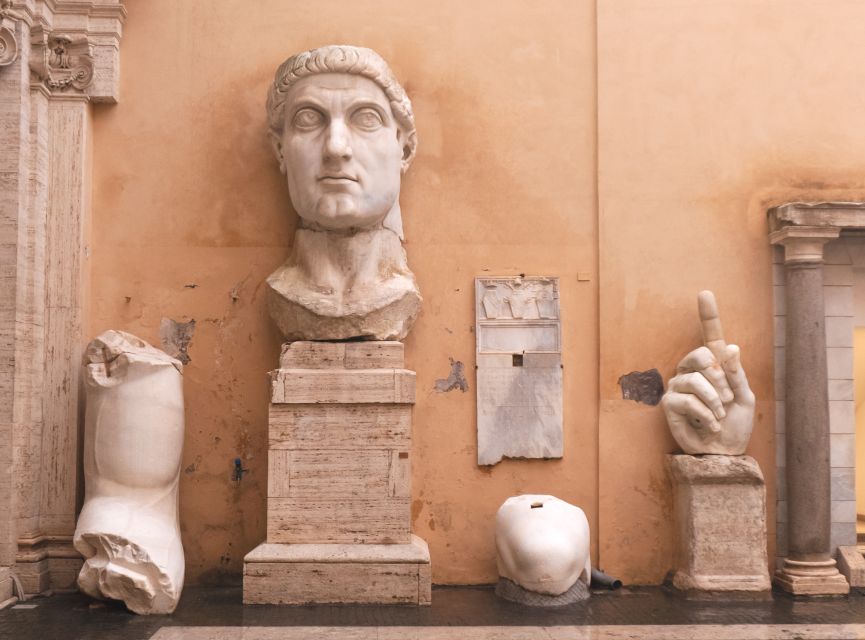
The Equestrian Statue of Marcus Aurelius brings imperial Rome into the room. An emperor on horseback is an image of authority, but Marcus Aurelius is also remembered as a philosopher and writer. That combination gives the work a more layered story than a simple portrait of military power.
The museum’s collection also lets your guide connect Roman mythology with later artists. Stories and figures from the ancient world continued to shape Renaissance and Baroque art, including work associated with Bernini. If you enjoy seeing how one period borrows from another, this part of the tour can be especially rewarding.
You may also see paintings by Rubens and Caravaggio. These works shift the focus from marble and bronze to drama, light, and human emotion. Caravaggio in particular gives the museum a sharp change of pace after the ancient statues. Rubens offers another view of the classical tradition, filtered through a later European style.
Because the route is customizable, tell your guide at the start if paintings matter as much to you as sculpture. Otherwise, a short tour could easily lean toward the most famous ancient pieces.
The underground passage and Roman Forum balcony
One of the more unusual parts of the visit is the route through an underground gallery toward the museum’s second building. This passage adds a physical sense of connection between the collections and leads to one of the tour’s best viewpoints.
From the museum balcony, you can look across the Roman Forum. The view helps place the objects you have just seen in the city where Roman public life once unfolded. You are no longer looking only at statues in glass cases. You can connect them with the ruins, roads, temples, and civic spaces spread below.
The balcony is also a useful pause in a museum visit. After two hours of sculpture, paintings, and stories, stepping outside gives you a chance to reset. Bring your camera, but do not spend the whole stop looking through it. The Forum view is one of those moments that makes more sense when you simply look for a while.
Adding the Victor Emmanuel II Monument
For an extra 40 minutes, you can add a guided visit to the Monument to Victor Emmanuel II. This option changes the shape of the experience. Depending on the schedule, you may begin at the monument and then visit the museum, or start with the museum and go to the monument afterward.
The monument offers a different kind of history. The Capitoline Museums focus heavily on ancient Rome and later art, while the Victor Emmanuel II Monument introduces the story of modern Italy and national unification. The two sites together give you a broader view of Rome’s past, from imperial power to the creation of the modern Italian state.
The glass elevator takes you to the Panoramic Terrace, where you can see Rome in all directions. The 360-degree view is the main reason to add this option. You also receive a coffee or cappuccino at the terrace bar, which gives the extension a pleasant closing moment.
There is a practical point here: the monument visit is not included in the standard museum tour. The guided visit, elevator entrance, and terrace coffee are included only when you select the extended option at purchase. Do not assume you can add those parts automatically after arriving.
Is the private price worth it?
The listed price is $361.38 per person, which is a serious cost for a two-hour museum visit. The value depends almost entirely on how much you want personal attention and a flexible route.
For one or two people who want a focused introduction to the collection, the private format can make sense. You are paying for an expert live guide, museum admission, headsets, and the ability to set the pace and emphasis. If you have limited time in Rome, that focus can prevent you from wandering through rooms without understanding what you are seeing.
The value is also stronger if you choose the Victor Emmanuel II extension. That adds 40 minutes, the monument guide, elevator admission, a terrace view, and a coffee or cappuccino. You should still compare the total cost with a standard museum entry and an independent visit, especially if your budget is tight.
I would not recommend this at the price simply for someone who wants to walk through the museums alone and read labels. The tour is best for a visitor who wants interpretation, conversation, and a route shaped around personal interests.
Guides, languages, and the right pace
The guide is the heart of the experience. The tour is offered in English, Italian, French, Spanish, German, and Portuguese. One guide named Mario has been singled out for his strong command of the collection, passion, and clear explanations. Another especially praised guide was described as an archaeologist, which suggests that some guides may bring a strong academic background to the stories they tell.
You should not book this expecting a silent walk from one famous object to the next. The point is to ask questions and make choices. At the start, say if you prefer ancient sculpture, Roman political history, mythology, Renaissance art, Baroque painting, or city views.
Headsets are provided so you can hear the guide clearly. That is useful in a museum where rooms can be crowded or where you may want to stand a little farther from a major artwork. The group is private, so you do not have to match the pace of strangers.
The tour requires a moderate amount of walking. Large bags, luggage, food, drinks, selfie sticks, tripods, drones, and sharp objects are not allowed. Pets are also prohibited. Bring only what you need, and carry a passport or ID that matches the name supplied at booking.
Who should book this Capitoline tour?
This experience is a strong fit for first-time Rome visitors who want the main works explained without spending half a day in a huge museum. It also suits repeat visitors who have seen the Forum and want a better understanding of the art and objects connected to Roman power.
Families may appreciate the private format because the guide can adjust the pace and focus. Art lovers should request extra time for Caravaggio, Rubens, and the ancient sculpture. History fans may prefer the She-Wolf, Marcus Aurelius, the Dying Gaul, and the optional modern Italy section at the Victor Emmanuel II Monument.
You should think twice if your budget is limited, if you dislike guided visits, or if you want to inspect every room at leisure. Two hours passes quickly, and the private price is built around personal guidance rather than long, unhurried museum time.
Should you book it?
Book this tour if you want the Capitoline Museums to make sense quickly and if a private guide will help you choose between ancient sculpture, mythology, paintings, and Roman history. The museum’s famous works are impressive on their own, but the stories behind them are what make the visit stick.
Choose the monument extension if you want a wider view of Rome, both historically and from above. Skip it if you already have several rooftop viewpoints planned or if the added cost pushes the experience beyond your budget.
For the best value, arrive ready with two or three interests to share with your guide. That simple preparation lets the private format do what it is meant to do: give you a focused look at one of Rome’s most important collections without wasting your limited sightseeing time.
FAQ
How long does the Capitoline Museums tour last?
The main guided visit lasts about two hours. The activity information also lists a total duration of up to 160 minutes, and the optional Victor Emmanuel II Monument visit adds 40 minutes.
Is the Victor Emmanuel II Monument included?
It is included only if you select the extended option when booking. That option includes the guided visit, elevator admission to the Panoramic Terrace, and a coffee or cappuccino at the terrace bar.
What languages are available?
The live guide is available in English, Italian, French, Spanish, German, and Portuguese.
Is the tour private?
Yes. This is a private group activity, and you can discuss your interests and preferred pace with your guide.
What identification do I need?
Each person must bring a valid passport or ID document with a name matching the full name provided at booking.
Is the tour wheelchair accessible?
Yes, the activity is listed as wheelchair accessible. It also involves a moderate amount of walking, so consider your comfort and discuss pacing with the guide.
Newest Rome tours we have reviewed
- Private TikTok Video Making in Rome★ 5.0 · 7 reviews
- Assisi, Orvieto and Civita di Bagnoregio Full Day Tour from Rome★ 4.5 · 45 reviews
- Assisi & Saint Francis Path Tour from Rome★ 5.0 · 45 reviews
- Assisi and Cascia Private Day Tour from Rome with Lunch★ 5.0 · 10 reviews
- Art Class in the center of Rome!★ 4.0 · 4 reviews
- Art & Craft: Beer Tour with Street Art in Rome★ 4.5 · 6 reviews
- Arrival in Rome: Airport Transfer & Exclusive City Introduction★ 5.0 · 3 reviews
- From Rome: Private Day-Tour of Tuscany★ 5.0 · 16 reviews
Capitoline Museums Tours, compared.
Capitoline Museums Experience with Multimedia Video
Read our review →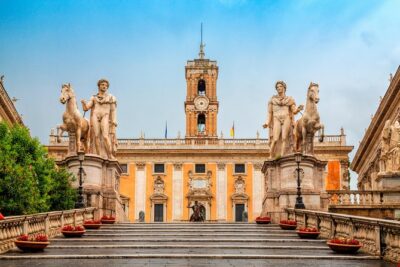
Capitoline Museum Experience with Multimedia Video
Read our review →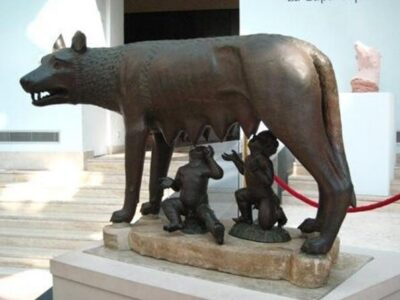
Capitoline Museum English Guided Tour & skip the line ticket
Read our review →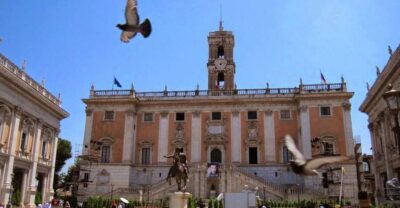
Browse the lists this tour appears in