
Reviewed · CARAVAGGIO AND BAROQUE ART TOURS
Rome: Private Caravaggio Tour
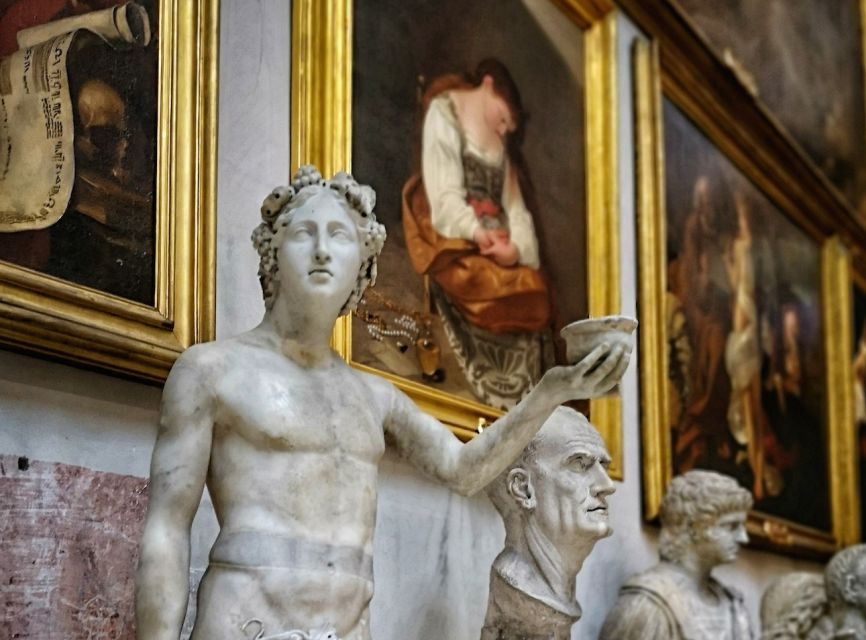
Caravaggio’s Rome is a city of sharp contrasts: grand churches beside narrow streets, sacred paintings shaped by a painter who lived a famously unruly life. This private walk connects the drama of his work with the places that frame it, from the Doria Pamphilj Gallery to Santa Maria del Popolo.
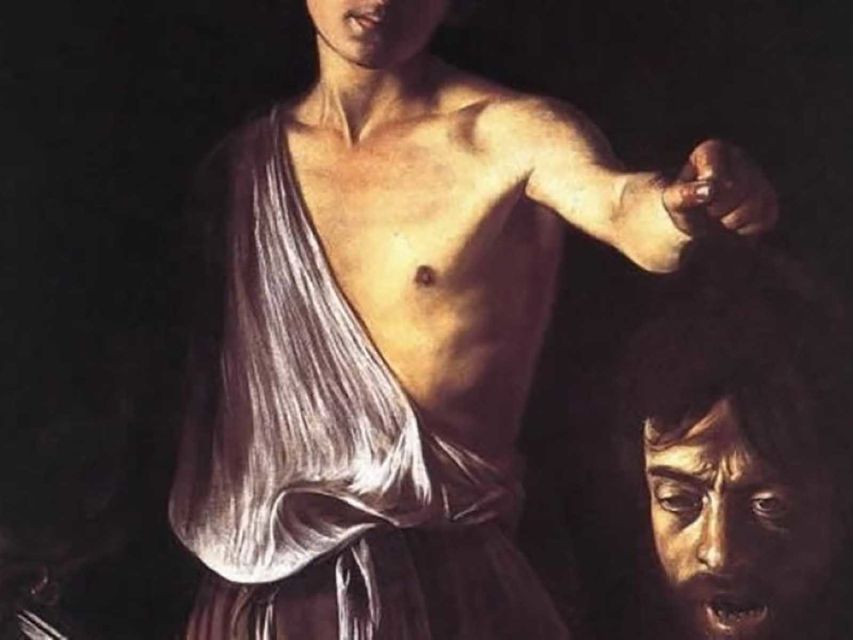
I like two things right away: the private format, which gives your guide room to explain difficult paintings at your pace, and the strong set of Caravaggio works, including The Calling of St. Matthew, The Conversion of Saul, The Crucifixion of St. Peter, Narcissus, and Judith Beheading Holofernes. The main drawback is time. Three hours is enough for a focused introduction, but the pace is brisk and the walking is continuous.
Key points about this Caravaggio walk
- Four important Rome stops: Visit the Doria Pamphilj Gallery, San Luigi dei Francesi, Sant’Agostino, and Santa Maria del Popolo.
- The Calling of St. Matthew: See Caravaggio’s famous painting in the Church of St. Louis of the French.
- A private art-history lesson: Your English or Italian-speaking guide can tailor explanations to your interests.
- Skip-the-line admission: Separate entrances are included where applicable, helping protect your limited time in central Rome.
- A three-hour city walk: Wear comfortable shoes and bring water, since the tour links churches, a gallery, and public squares on foot.
- A practical mobility note: The activity information gives conflicting accessibility details, so explain any mobility concerns before booking.
Why Caravaggio makes such a good Rome tour
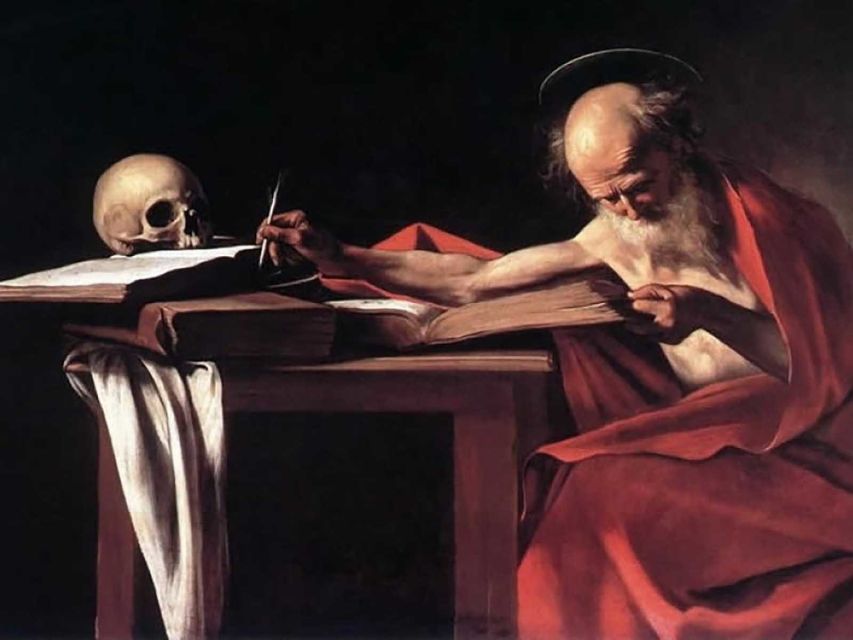
Caravaggio is easy to remember because his paintings feel unusually close to real life. Saints look like people pulled from the street. Light cuts through darkness like a theatrical spotlight. A religious scene can feel tender, violent, or startlingly ordinary within the same frame.
That tension is also what makes his life useful as a guide to Rome. The tour presents him as a gifted painter who moved through palaces, churches, taverns, and brothels, while also showing how later stories about his temper and troubled career became part of his public image.
I like this approach more than a tour that simply lists dates and titles. You are not only looking at paintings. You are being asked to connect the art with the city around it, and to notice how Caravaggio’s choices challenged the polished style favored by many artists before him.
The experience is especially useful if you are new to Baroque art. Your guide can point out the details that are easy to miss when you enter a church alone, such as where the light leads your eye, how a figure’s gesture changes the scene, and why a painting might have caused a stir when it was first shown.
More Caravaggio and baroque art tours:
- Rome: Terrazza Borromini Open-Air Opera with Aperitif
★ 4.7 · 212 reviews - Borghese Gallery Max 6 People Tour: Baroque & Renaissance in Rome
★ 5.0 · 185 reviews - Guided Walking Tour of Rome: Top Sights & Baroque Treasures
★ 5.0 · 155 reviews
Starting at Via del Corso and the Doria Pamphilj Gallery
The meeting point is in front of the Galleria Pamphilj at Via del Corso 305. Look for the Through Eternity sign or flag. This central location is easy to place on a Rome map, but you should allow enough time to find the exact entrance and guide before the scheduled start.
The first visit is the Doria Pamphilj Gallery, with about an hour of guided touring. This gives the experience its longest single stop and sets up the grand world around Caravaggio. The gallery is housed in a palace linked to the powerful Doria Pamphilj family, so the setting itself helps explain the relationship between art, wealth, and status in Rome.
For you, the value of this opening stop is the context. Caravaggio did not work in isolation. His paintings were commissioned, collected, displayed, and judged by powerful people. A palace gallery gives your guide a useful place to explain how artists operated within Rome’s elite circles.
The one-hour visit is also a sensible use of time. You get more than a quick glance, but you still have three additional church stops ahead. If you want to study every work in the gallery at length, this tour will feel too short. If you want a focused introduction before seeing the best-known church paintings, the timing works well.
San Luigi dei Francesi and The Calling of St. Matthew
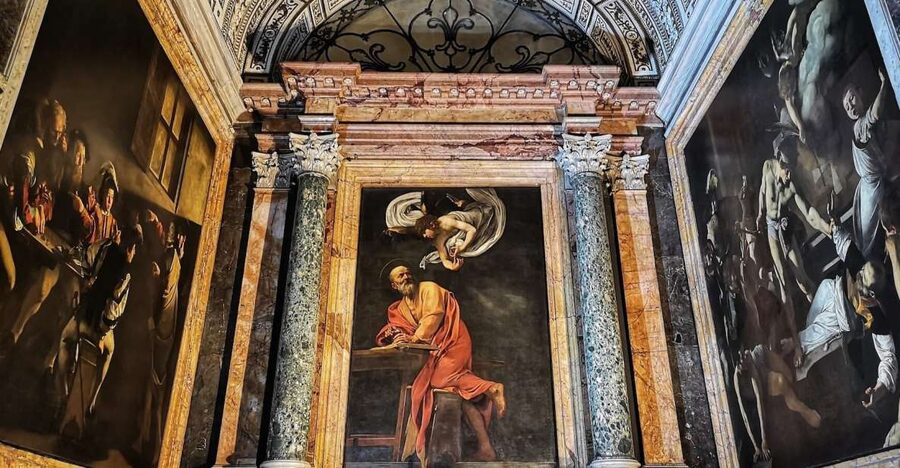
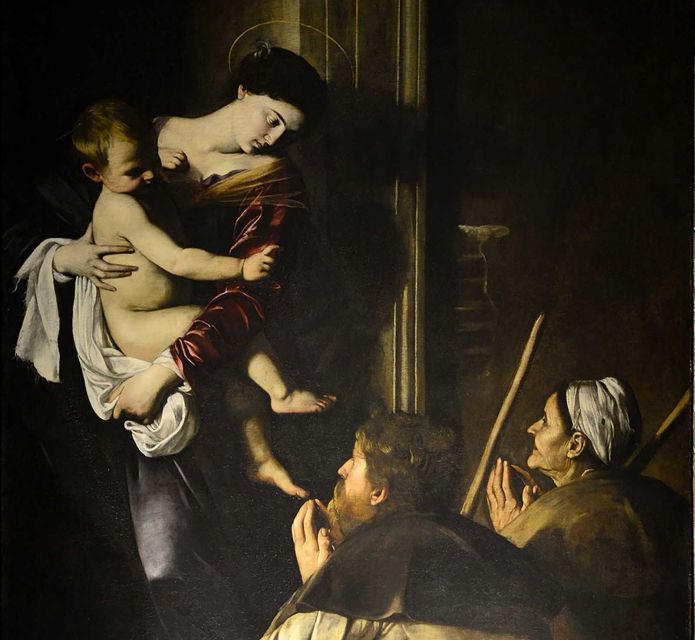
The Church of St. Louis of the French, also called San Luigi dei Francesi, is the next major stop. The guided visit lasts about 40 minutes, and the church is one of the tour’s essential moments because it contains The Calling of St. Matthew.
This painting is famous for good reason. Caravaggio turns a biblical event into a scene that feels immediate and human. The figures appear grounded in ordinary life, while a strong beam of light directs attention toward the central action. Your guide can help you read the gestures, faces, and placement of the figures instead of leaving you to wonder why the work has such force.
The church setting matters, too. Caravaggio’s paintings were made for places of worship, not only for museum walls. You see how scale, lighting, architecture, and devotion worked together. A reproduction in a book cannot give you the same relationship between painting and chapel.
Be prepared for a short period of standing. Church visits can require patience, and the tour moves on after its allotted time. If this is the work you most want to see, tell your guide early. The private format should make it easier to focus the discussion around your interests.
Sant’Agostino and a closer look at the sacred
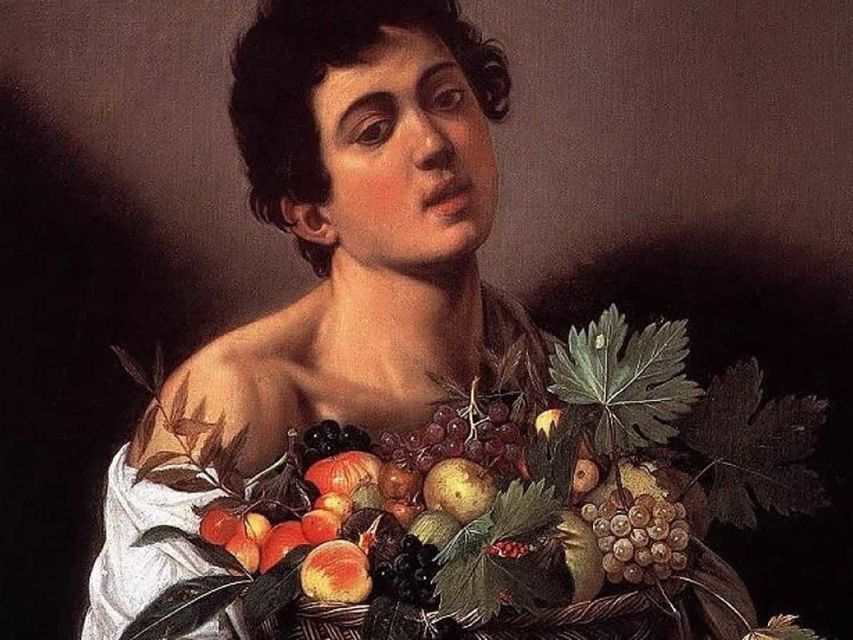
The Basilica of St. Augustine, or Sant’Agostino, receives another 40-minute guided visit. This stop adds a different setting to the tour and keeps the focus on how Caravaggio placed ordinary human emotion inside religious subjects.
The church is part of the wider story of Rome’s artistic commissions. Here, you can expect your guide to explain how the work fits into the building and how Caravaggio’s treatment of sacred figures differs from more idealized art. The point is not simply to identify a painting. It is to see how the artist made a religious scene feel physically present.
This is where an art historian can earn the tour price. In a church, information panels may be limited, and the work may be surrounded by other visual distractions. A guide can direct your attention to the image’s structure and meaning, then connect it to the paintings you have already seen.
The 40-minute stop also keeps the experience from becoming a long lecture. You get an explanation, time to look, and then a change of scene. Still, anyone who dislikes walking between several locations should think carefully before booking. This is an active central Rome tour, not a seated gallery visit.
More private tours in Rome:
- Rome by Golf Cart Private Tour: Beyond the Landmarks
★ 5.0 · 4,361 reviews - Early Morning Vatican, Sistine, St. Peter’s Semi or Private Tour
★ 5.0 · 3,779 reviews - Rome on a Golf Cart Semi-Private Tour Max 6 with Private Option
★ 5.0 · 2,502 reviews - Rome Private Arrival Transfer: Fiumicino Airport to Hotel in Rome
★ 4.5 · 2,492 reviews
Santa Maria del Popolo and two major works
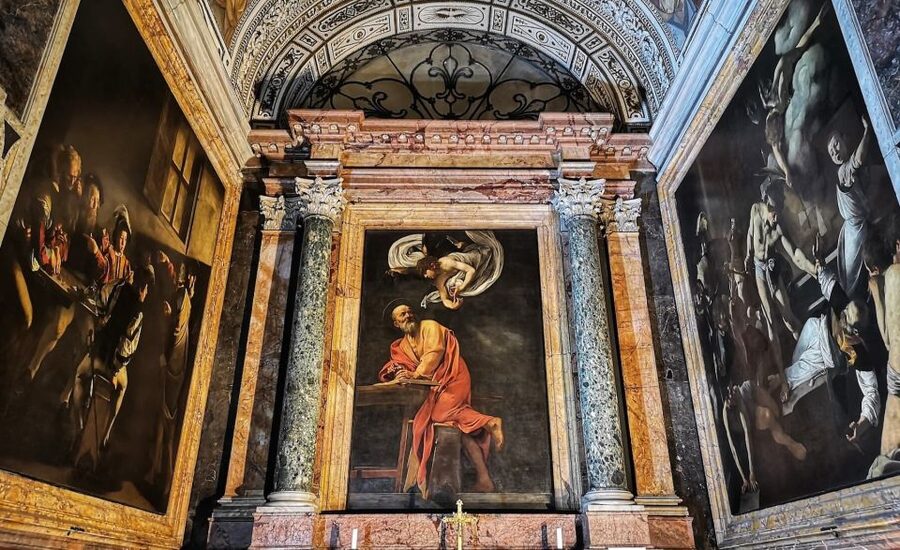
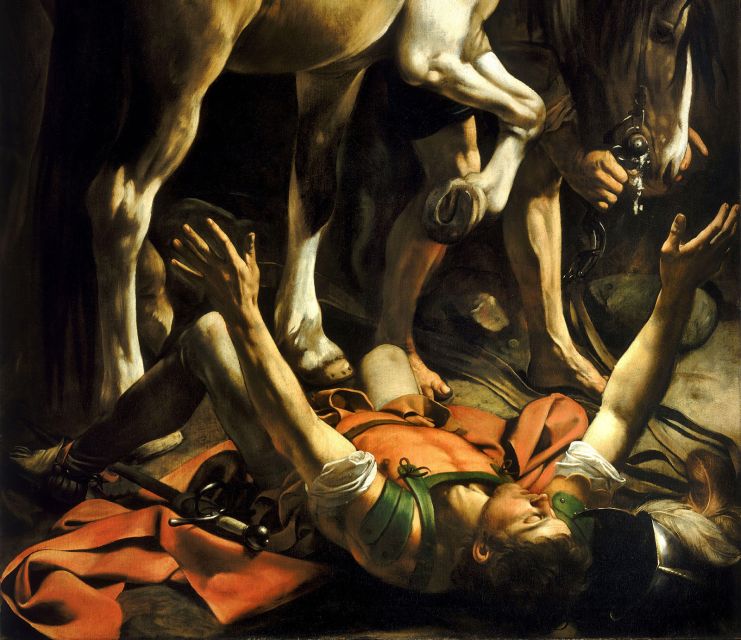
The final church is Santa Maria del Popolo, followed by a finish at Piazza del Popolo. This is one of the strongest endings available for a Caravaggio-focused route because the church is associated with two of his dramatic works, The Conversion of Saul and The Crucifixion of St. Peter.
These paintings show Caravaggio handling movement, fear, and spiritual change on a large scale. The Conversion of Saul is especially useful for understanding how the artist could make a moment of religious transformation feel confusing and intensely physical. The Crucifixion of St. Peter carries a different weight, with effort and suffering placed close to the viewer.
The supplied tour details also identify Narcissus and Judith Beheading Holofernes among the works you will encounter during the experience. The exact order in which each piece is discussed can depend on the guide and site conditions, but the overall route gives you a broad view of Caravaggio’s religious and secular subjects.
Santa Maria del Popolo is a fitting final stop because it brings several themes together: theatrical light, strong bodies, sudden violence, and moments of spiritual change. You finish in Piazza del Popolo, a useful place to continue exploring Rome on your own or to pause after the tour.
What the private format changes
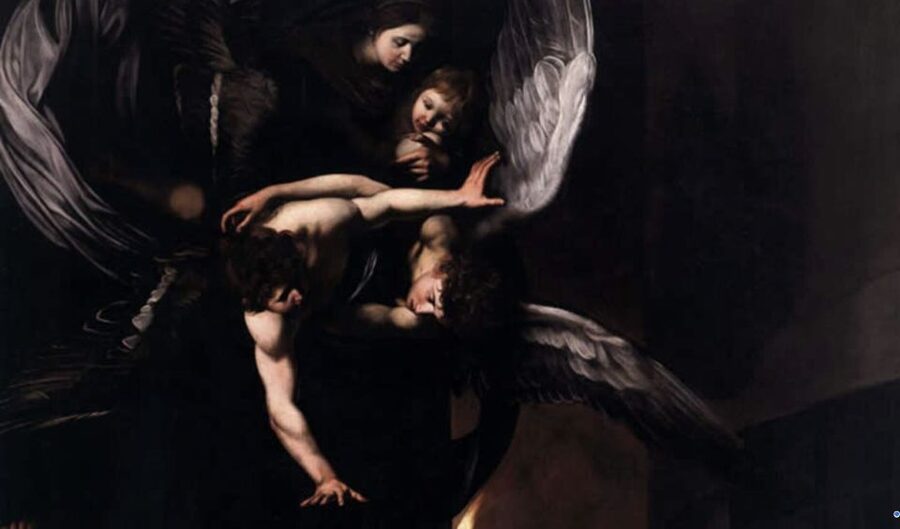
A private group is the clearest reason to choose this experience over a standard shared walk. Your guide can adjust the level of detail, answer follow-up questions, and spend more time on the works that interest you most.
If you already know Caravaggio, you can ask about technique, patronage, or the relationship between his paintings and the churches that hold them. If you are starting from scratch, you can ask for simple explanations without feeling that you are slowing down a large group.
The tour includes an English or Italian-speaking live guide. No individual guide names are provided, so you should not expect to request a particular person based on the booking information. What you can count on is a private guide with an art-history focus.
Headsets are included for groups of six or more. That detail matters because churches can be echoing and busy, and a headset can make it easier to follow without standing directly beside the guide. Smaller private groups may not need them.
Is $117.82 per person a fair price?
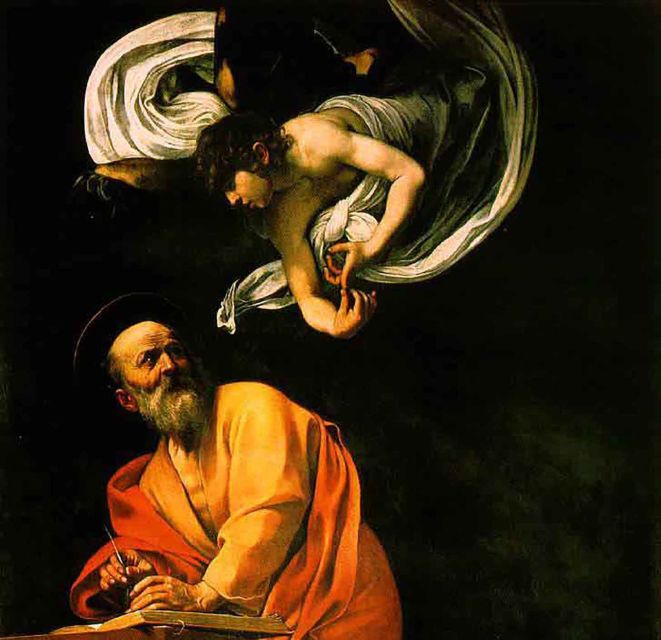
At $117.82 per person, this is not a budget sightseeing walk. The price makes more sense if you place value on the private guide, the art focus, and skip-the-line entry rather than treating it as simple transportation between churches.
You are paying for three hours of specialist attention, all listed fees and taxes, and access through separate entrances where available. The route also covers several central sites without asking you to plan the order, find the works, or research the background yourself.
The value is strongest for a couple, family, or small private group that wants a focused lesson. You can ask questions and shape the conversation. For a solo visitor or a person mainly interested in seeing Caravaggio quickly, the per-person cost may feel high.
You should also remember that food, drinks, and transportation to or from the starting and ending points are not included. Since the tour begins at Via del Corso 305 and finishes at Piazza del Popolo, you need to arrange your own way to the start and plan what comes next.
Walking, timing, and practical planning
The tour lasts three hours, with starting times available according to the date you choose. The planned stops include one hour at the Doria Pamphilj Gallery and about 40 minutes at each of the three churches. That leaves little spare time for delays, long photo stops, or an extended coffee break.
Wear comfortable shoes. You will walk through the city center and move between a gallery, churches, and public spaces. Bring water, especially during warm weather, since food and drinks are not included.
Churches may have their own rules or temporary changes, and the tour information warns that some monuments could be under restoration during the Jubilee. Pay attention to messages sent before the visit, as a work or stop may be altered.
The accessibility information needs special attention. The activity is marked wheelchair accessible in one place, but it is also described as not suitable for wheelchair users elsewhere. If anyone in your group has mobility concerns, state that during booking and ask for confirmation before paying. This route includes walking through the city center, so you should not assume every part will be easy for every visitor.
Who will enjoy this Caravaggio experience?
I would choose this tour if you want art to shape your time in Rome, rather than treating paintings as a quick stop between monuments. It suits first-time visitors who want a clear introduction and art lovers who want to examine several major works with help from a specialist.
It is also a good choice if you prefer a private conversation to a large group lecture. Families with older children may find the dramatic stories and strong images easier to remember than a standard chronology, though the three-hour pace requires attention.
I would think twice if you want a slow museum morning, a broad survey of all Italian art, or a tour with plenty of free time. This experience is tightly focused on Caravaggio and moves through several locations. You should also reconsider it if long walks or church visits are difficult for you.
Free cancellation is available up to 24 hours before the activity for a full refund, and you can reserve now and pay later. Those policies help if your Rome schedule is still changing, but they do not remove the need to check the monument schedule and mobility details.
Should you book the Caravaggio Tour?
Book it if you want to understand why Caravaggio’s paintings feel so direct, dramatic, and modern. The route gives you a useful mix of palace collection, working churches, major masterpieces, and the city streets that frame his notorious life.
The strongest reason to go is the combination of private art-history guidance and important original works. The main caution is practical: three hours passes quickly, the walk is steady, and the accessibility information needs clarification.
If The Calling of St. Matthew, The Conversion of Saul, or The Crucifixion of St. Peter is high on your Rome list, this is a focused way to see them. If you prefer to wander slowly and set your own pace, visit the churches independently and spend the $117.82 elsewhere.
FAQ
How long does the Caravaggio Tour last?
The tour lasts three hours.
Where does the tour begin?
Your guide meets you in front of Galleria Pamphilj at Via del Corso 305. Look for a Through Eternity sign or flag.
Where does the tour finish?
The itinerary finishes at Piazza del Popolo.
Which languages are available?
Live guiding is available in English and Italian.
Is this a private tour?
Yes. The activity is arranged for a private group.
Which Caravaggio painting can I see at San Luigi dei Francesi?
The Calling of St. Matthew is visited in the Church of St. Louis of the French, also known as San Luigi dei Francesi.
Which churches are included?
The route includes the Church of St. Louis of the French, the Basilica of St. Augustine, and the Church of Santa Maria del Popolo.
Are skip-the-line tickets included?
Yes. Skip-the-line entrance tickets and all fees and taxes are included.
Are food, drinks, or transportation included?
No. Food and beverages are not included, and transportation to and from the meeting and end points is also not included.
What should I bring?
Bring comfortable shoes and water. You should also report any mobility concerns during booking, since the tour involves walking through Rome’s city center and the accessibility information is mixed.
Newest Rome tours we have reviewed
- Private TikTok Video Making in Rome★ 5.0 · 7 reviews
- Assisi, Orvieto and Civita di Bagnoregio Full Day Tour from Rome★ 4.5 · 45 reviews
- Assisi & Saint Francis Path Tour from Rome★ 5.0 · 45 reviews
- Assisi and Cascia Private Day Tour from Rome with Lunch★ 5.0 · 10 reviews
- Art Class in the center of Rome!★ 4.0 · 4 reviews
- Art & Craft: Beer Tour with Street Art in Rome★ 4.5 · 6 reviews
- Arrival in Rome: Airport Transfer & Exclusive City Introduction★ 5.0 · 3 reviews
- From Rome: Private Day-Tour of Tuscany★ 5.0 · 16 reviews
Caravaggio and Baroque Art Tours, compared.
Terrazza Borromini Open-Air Opera with Aperitif
Read our review →
Borghese Gallery Max 6 People Tour: Baroque & Renaissance in Rome
Read our review →
Guided Walking Tour of Rome: Top Sights & Baroque Treasures
Read our review →
Renaissance Scarlet Ladies Tour: Caravaggio’s and Borgia’s Women
Read our review →
Rome’s Baroque Art Walking Tour: Who Killed Caravaggio?
Read our review →
Palazzo Barberini (Caravaggio Exhibition Is Not Included)
Read our review →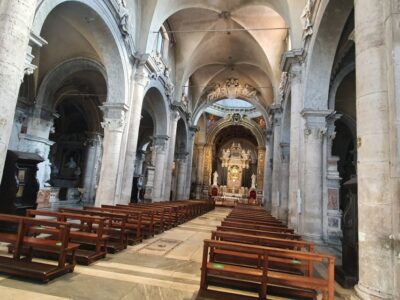
Browse the lists this tour appears in