
Reviewed · CAPITOLINE MUSEUMS TOURS
Rome: Capitoline Museums Private Guided Tour
The Capitoline Museums pack Rome’s story into a few elegant buildings on Michelangelo’s hilltop piazza. In 2.5 hours, you’ll move from the Capitoline Wolf and ancient bronze statues to Caravaggio, Titian, and the original Marcus Aurelius, then cross an underground passage for a fine view over the Roman Forum.
I like the private format because your guide can explain why a work matters instead of rushing you past a long row of statues. I also like the mix of art and setting: the museum itself contains ancient temple remains, Renaissance rooms, and a tunnel with a memorable city view. The main consideration is price, $201.65 per person, which makes the tour a better fit for couples or small groups who want focused help than for budget-minded visitors.
Key points at a glance
- See the original Capitoline Wolf: The bronze she-wolf and Romulus and Remus form one of Rome’s most familiar symbols.
- Meet the real Marcus Aurelius: The original equestrian statue is displayed indoors, protected from the weather.
- Pair ancient art with great painting: The Pinacoteca includes works by Caravaggio, Titian, Rubens, Veronese, and other major artists.
- Walk through the Tabularium: This underground route brings you to views of the Roman Forum and the museum’s New Palace.
- Use a private art historian: English and Italian tours let you ask questions and spend time where your interests lie.
- Plan for a hilltop start: The meeting point is the Capitoline Museums entrance, not your hotel, and comfortable shoes are important.
Why the Capitoline Museums deserve your time
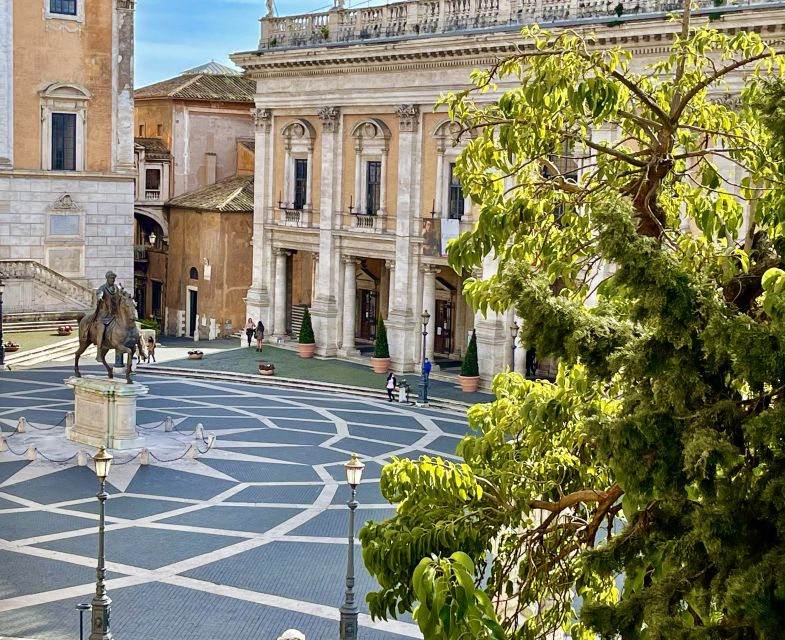
Rome has no shortage of ancient ruins, but the Capitoline Museums give you something different. Here, objects are not scattered across an archaeological site. They are gathered in historic palaces where Roman sculpture, medieval art, Renaissance painting, and Baroque decoration sit side by side.
That setting helps you connect the pieces. You can look at a bronze statue linked to Rome’s foundation myths, then see how later artists used Roman subjects and styles. A guide can also explain why a Roman inscription, a damaged torso, or a small bronze matters, even when its meaning is not obvious at first glance.
The museum is often overshadowed by the Colosseum and Vatican Museums. I think that is part of its appeal. You still see major works, but the visit feels more contained and manageable. A private guide is particularly useful here because the collection has many rooms and several layers of history.
The tour is rated 4.9 from 20 reviews, and the strongest praise centers on the guides’ ability to connect individual objects with wider events and cultures. Martin is singled out for clear explanations and a warm manner. One couple also received extra time after a short break, which shows how a private tour can be adjusted when needed.
More Capitoline Museums tours:
- Rome: Capitoline Museums Experience with Multimedia Video
★ 4.3 · 1,093 reviews - Capitoline Museum Experience with Multimedia Video
★ 4.0 · 98 reviews - Private Tour – Capitoline Museums
★ 5.0 · 90 reviews
Meeting your guide at Michelangelo’s hilltop square
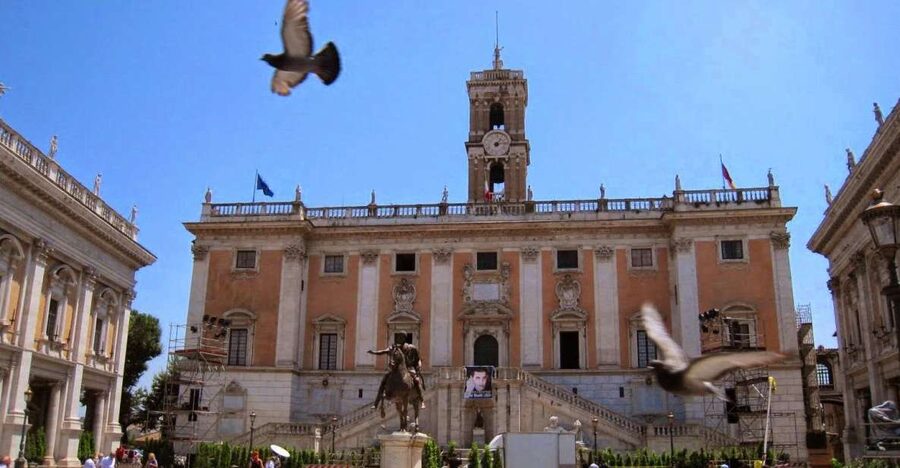
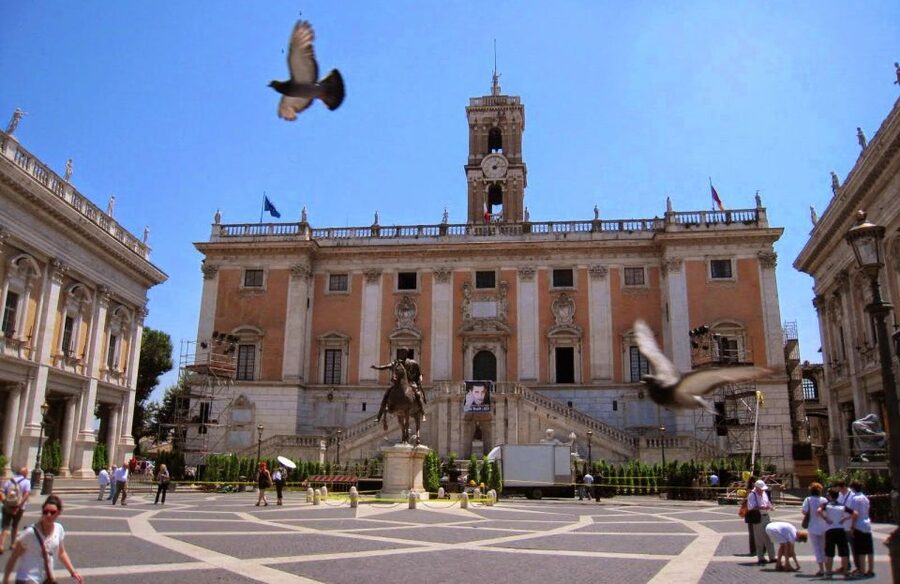
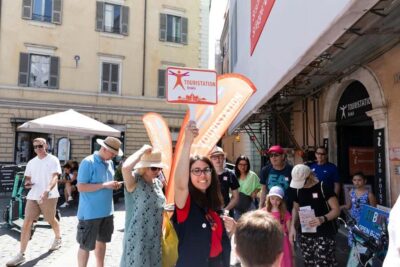
You meet your guide at the entrance to the Capitoline Museums. The guide waits with a sign bearing your name, so have your booking details ready and allow a little time to get oriented around the Capitoline Hill.
The starting point is near the equestrian statue of Marcus Aurelius, which is also listed as the tour’s first stop. The statue you see in the piazza is a replica. During the museum visit, you will see the original indoors, where its details are better protected and easier to examine.
Because hotel pickup is not included, you need to make your own way to the museum. The meeting point is central but sits on Capitoline Hill, so comfortable shoes are sensible. Smart casual clothing is requested, and oversize luggage is not allowed.
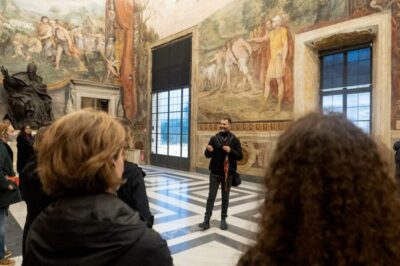
Your guide leads the tour in English or Italian. The group is private, with bookings permitted from one person up to 20. That maximum is fairly large for something described as private, so ask about the expected group size if having a very small party matters to you.
The Palace of the Conservatives and Constantine’s colossal remains
The visit begins in the courtyard of the Palace of the Conservatives, one of the museum’s two historic buildings. Before you reach the famous sculptures, look around the architecture. The courtyard holds remains of a colossal acrolith representing Constantine.
An acrolith combined different materials, often stone for the exposed parts of the body and other materials for clothing or armor. The surviving fragments give you a sense of the scale of imperial images in ancient Rome. It is a strong opening because it sets up the museum’s central theme: Rome’s power expressed through public art.
This first section is also a reminder that the Capitoline Museums are not simply galleries in a modern building. The rooms and courtyards are part of the story. Ancient fragments were collected, displayed, and reinterpreted in later centuries.
Your guide’s role matters here. The broken remains may not make much sense at a glance, but their size and original purpose become clearer with context. This is the kind of stop that benefits from explanation rather than a quick photograph.
First-floor highlights: the Wolf, Brutus, and the Spinario
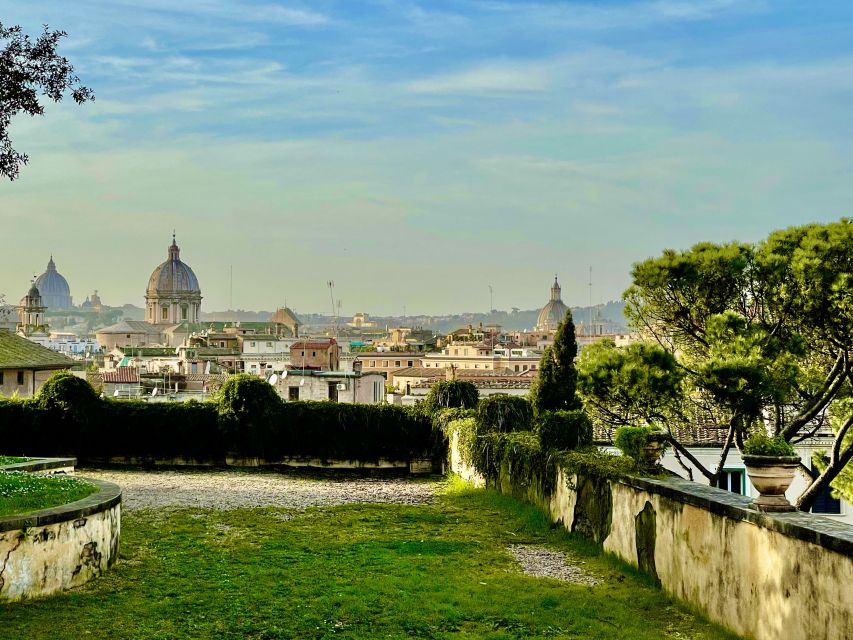
On the first floor, the collection shifts from monumental fragments to some of Rome’s best-known works.
The Capitoline Brutus is an ancient bronze bust often connected with Rome’s early republican period. Its severe expression and simplified treatment make it feel quite different from later Roman portraits. Your guide can help you read the face as a political image, not just a likeness.
Nearby, the Spinario shows a boy pulling a thorn from the sole of his foot. It is a Greco-Roman Hellenistic bronze sculpture, and its subject is wonderfully ordinary compared with the gods, emperors, and military heroes found elsewhere in the museum. The pose captures a private moment, yet the figure was important enough to preserve and display for centuries.
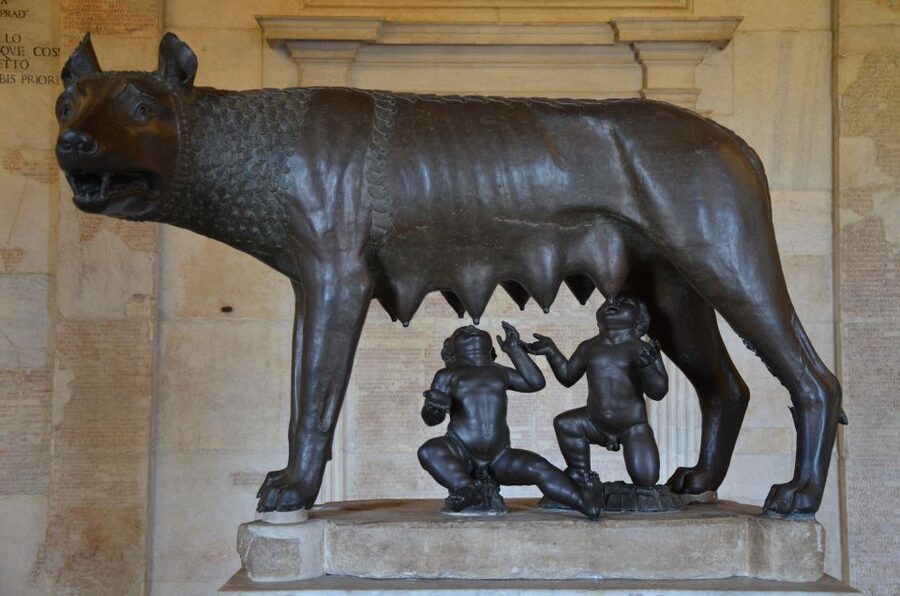
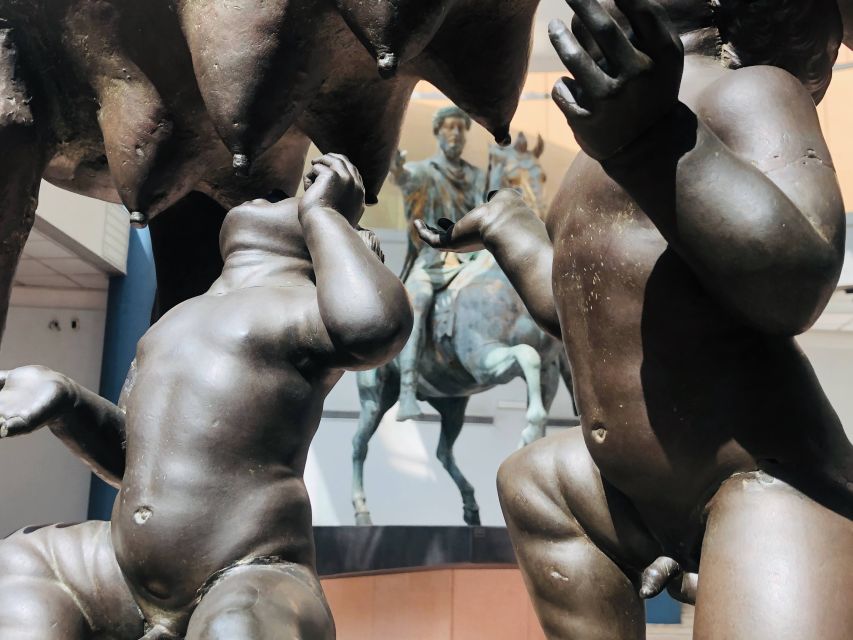
Then comes the Capitoline Wolf, the museum’s great emblem. The bronze she-wolf nurses Romulus and Remus, the legendary founders of Rome. The statue is one of those works you may already know from photographs, but seeing it in the museum gives the image more force. It is not only a symbol of Rome. It reflects how the city has used its founding story to define itself.
The museum also holds the Castellani collection, with about 700 Greek and Etruscan vases. You may find the sheer number more impressive than any single vessel. Together, the pieces show how ancient pottery can reveal trade, taste, ceremony, and myth.
More museums and galleries in Rome:
- Vatican Museums & Sistine Chapel Tour with Optional Basilica
★ 4.3 · 67,413 reviews - Vatican Museums, Sistine Chapel & St Peter’s Basilica Guided Tour
★ 4.5 · 39,149 reviews - Rome: Vatican Museums, Sistine Chapel & Basilica Tour
★ 4.3 · 13,872 reviews - Vatican Museums & Sistine Chapel Skip-the-Line Entry Ticket
★ 4.4 · 13,838 reviews
The Pinacoteca Capitolina and its major paintings
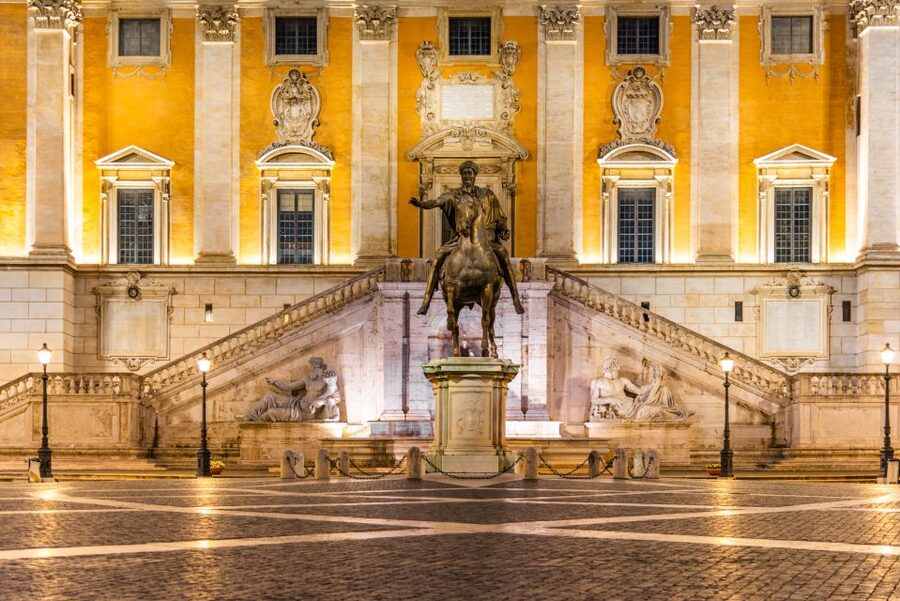
The second floor houses the Pinacoteca Capitolina, described as the oldest public collection of paintings. This section changes the mood of the visit. After bronze statues, inscriptions, and archaeological fragments, you enter rooms filled with color, religious scenes, portraits, and grand historical compositions.
The collection includes works by Caravaggio, Guido Reni, the Carracci, Guercino, Domenichino, Veronese, Titian, Tintoretto, Rubens, and Pietro da Cortona. That is a remarkable list for a relatively compact stop.
Caravaggio’s name alone will draw many people, but the value of a guide is that you do not need to rely on famous names. You can compare how different artists handle light, movement, emotion, and sacred subjects. The guide can also point out how the painting collection fits into Rome’s larger artistic story.
I would allow yourself time to look rather than treating the Pinacoteca as a quick passage between ancient galleries. If your interest is mainly Roman archaeology, the paintings may feel like a detour. If you enjoy art, this is one of the strongest reasons to choose the full museum tour instead of seeing only the courtyard and famous statues.
You will also encounter Renaissance and Baroque frescoes and statues. These rooms show how later Rome built its identity around the remains of ancient Rome. The city did not simply preserve the past. It kept adding new layers to it.
Marcus Aurelius and the remains of ancient temples
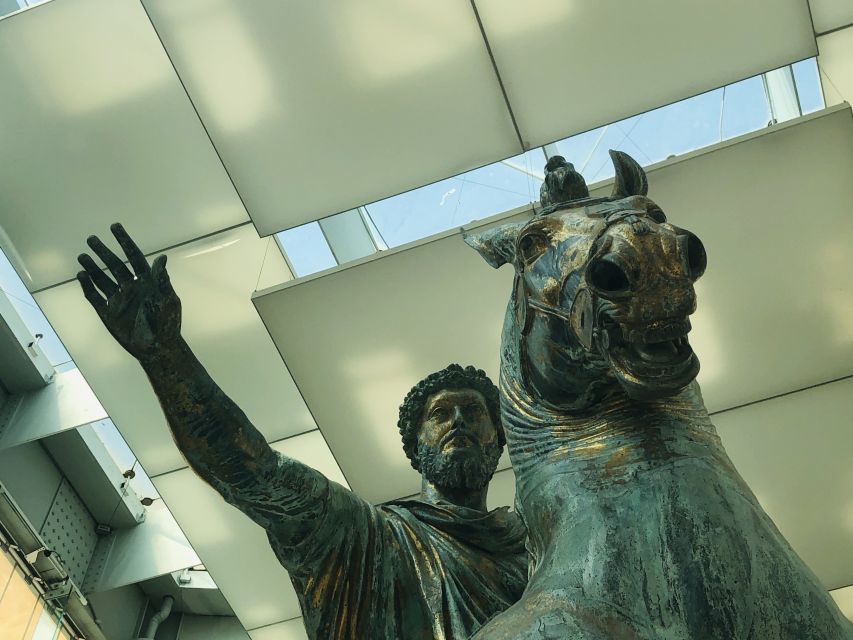
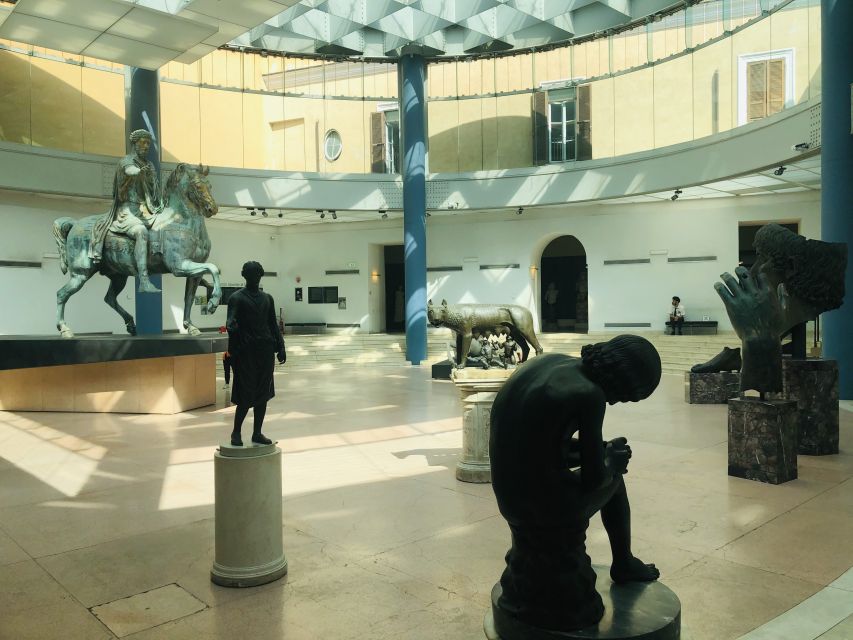
Back on the ground floor, the tour reaches the exedra containing the original equestrian statue of Marcus Aurelius. This is one of the visit’s most important moments.
The statue has a commanding presence, but it is not presented as a distant object in an open square. You can study the emperor and horse in a protected interior setting. Your guide can explain the role of equestrian monuments in Roman public life and why Marcus Aurelius became such an important figure in later Rome.
The building itself offers another surprise. Ruins of ancient temples remain visible in its structure. This is a fine example of Rome’s habit of building over, around, and into earlier monuments. You are not simply looking at artifacts taken from a ruin. You are looking at a museum shaped by the ancient city beneath it.
At this stage, the tour has already covered a broad range of material: imperial sculpture, founding myths, Greek and Etruscan pottery, Renaissance art, and Baroque painting. The pace is purposeful, but two and a half hours is still a limited window. If you want an exhaustive look at every gallery, this tour will not provide it. Its strength is a guided selection of major works.
Through the Tabularium to the Roman Forum view
The route continues through an underground tunnel crossing the Tabularium. This passage links the Palace of the Conservatives with the New Palace, the museum’s second historic seat.
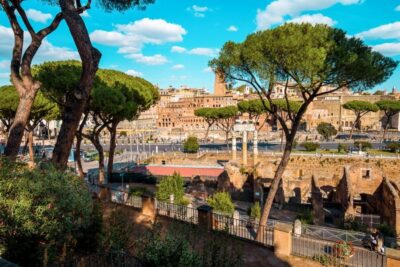
The Tabularium was associated with ancient Roman public records, and the route gives you a physical sense of how the Capitoline Hill relates to the Forum below. Along the way, you get scenic views over the Roman Forum.
This is not a separate archaeological tour of the Forum. You do not spend the 20-minute stop walking through its ruins. Instead, you pause for a view from above, looking across the remains of ancient Rome. That distinction matters when planning your day. If you want to enter the Forum and explore its streets, temples, and basilicas, you need a separate ticket and more time.
Still, the viewpoint is valuable. The Forum can be confusing from ground level because columns, walls, and foundations sit in a wide archaeological field. From the Capitoline, the layout becomes easier to grasp. You can see how the political and religious center of ancient Rome occupied the valley below the hill.
The New Palace and its ancient Roman collection
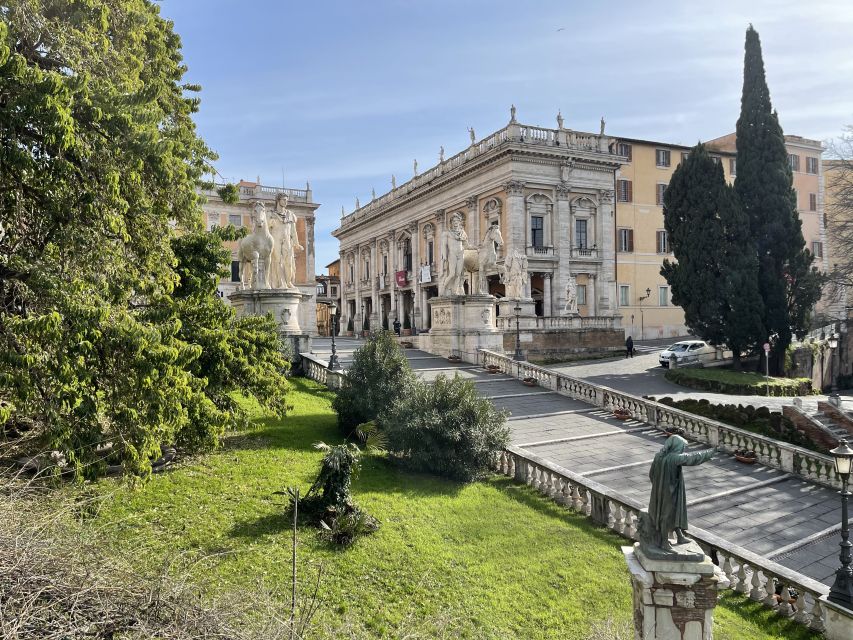
The final museum section is the New Palace. Its galleries hold statues, inscriptions, sarcophagi, busts, mosaics, and other Roman artifacts.
The Marforio is one of the major highlights. This colossal statue became part of Rome’s tradition of speaking through statues, and its size gives the room a strong visual anchor. The Dying Gaul offers a different kind of power. Its wounded figure is often praised for its emotional force and careful treatment of the body.
You will also see Cupid and Psyche, a sculpture that brings a lighter subject into the collection. Together, these works show the range of ancient sculpture, from civic and political images to mythological scenes and intimate human emotion.
This last section works best if you have enough energy left to slow down. After the paintings and the Forum view, it can be tempting to hurry toward the exit. I would not. The New Palace contains some of the museum’s most memorable sculpture, and the final rooms complete the arc from Rome’s foundation myths to its imperial and artistic culture.
What $201.65 per person buys you
At $201.65 per person, this is not a casual museum add-on. The price pays for the museum entry, skip-the-line access, and a professional art historian guide for a private group.
The value depends heavily on your group. For one or two people, the cost is high compared with entering a museum alone. For a family or group of friends, the private format may make more sense because the total cost is spread among several people, up to the stated maximum of 20.
Skip-the-line access also has practical value in Rome, where waiting can eat into a sightseeing day. The tour lasts 2.5 hours, so you are paying for a focused block of explanation rather than simply a ticket.
I would book it if you want help making sense of unfamiliar art, have limited time, or prefer asking questions as you go. I would skip it if you already know the museum well, want to browse at your own speed, or are watching every euro.
One useful point is that private tours can sometimes respond to real needs. During one visit, a participant felt light-headed after about 90 minutes. The group stopped at the cafe for water, then continued, with the guide giving roughly 30 extra minutes. That should not be treated as a guaranteed extension, but it shows why a private format can feel more humane than a rigid large-group schedule.
Who should book this museum tour
I recommend this tour for first-time visitors who want a clear introduction to Roman art and the Capitoline Museums. It also suits anyone who enjoys paintings as much as ancient sculpture, since the Pinacoteca receives serious attention.
Couples and small groups are likely to get the best value. Families may appreciate having a guide connect the Wolf, emperors, myths, and Roman buildings into a story that is easier to follow than a wall of labels.
The tour is less suitable if you need step-free access or rely on a walking frame, which is specifically not allowed. Oversize luggage is also prohibited. Bring identification, wear comfortable shoes, and choose smart casual clothing.
The booking terms are flexible: you can cancel up to 24 hours before the tour for a full refund, and you can reserve now while paying later. Starting times vary, so check availability before arranging other visits around it.
Should you book the Capitoline Museums private tour?
Book it if you want the original Marcus Aurelius, the Capitoline Wolf, major Italian paintings, and Roman Forum views tied together by one guide. Martin has earned especially strong praise for clear explanations, broad historical connections, and a friendly approach.
The tour’s best feature is not simply skip-the-line entry. It is the way the guide can move between sculpture, painting, architecture, and the city outside without leaving you to work out the connections alone.
At $201.65 per person, the cost demands a clear reason. For a first visit, an art-focused traveler, or a small group sharing the expense, I think the focused guidance can justify it. For a solo visitor on a tight budget, the museum ticket alone may be the wiser choice.
FAQ
Where does the Capitoline Museums tour start?
The tour starts at the entrance to the Capitoline Museums. Your guide waits with a sign showing your name.
Where does the tour end?
The activity ends back at the meeting point near the Capitoline Museums and the equestrian statue of Marcus Aurelius.
How long does the tour last?
The tour lasts 2.5 hours, including the guided museum visit and the scenic views of the Roman Forum.
What languages are available?
The live guide speaks either English or Italian.
Is the tour private?
Yes. The activity is arranged as a private group tour. Bookings can include from one person up to 20 people.
Does the price include museum admission?
Yes. Capitoline Museums entry and skip-the-line access are included.
Is hotel pickup included?
No. Hotel pickup and drop-off are not included. You must reach the Capitoline Museums entrance yourself.
What famous artworks will I see?
The tour includes the Capitoline Wolf, Capitoline Brutus, the Spinario, the original equestrian statue of Marcus Aurelius, the Dying Gaul, Marforio, and Cupid and Psyche. The Pinacoteca also includes works by Caravaggio, Titian, Rubens, Veronese, and other major artists.
What should I bring?
Bring a passport or ID card and wear comfortable shoes. Smart casual clothing is requested.
Can I cancel the booking?
You can cancel up to 24 hours in advance for a full refund. The reserve-now, pay-later option is also available.
Newest Rome tours we have reviewed
- Private TikTok Video Making in Rome★ 5.0 · 7 reviews
- Assisi, Orvieto and Civita di Bagnoregio Full Day Tour from Rome★ 4.5 · 45 reviews
- Assisi & Saint Francis Path Tour from Rome★ 5.0 · 45 reviews
- Assisi and Cascia Private Day Tour from Rome with Lunch★ 5.0 · 10 reviews
- Art Class in the center of Rome!★ 4.0 · 4 reviews
- Art & Craft: Beer Tour with Street Art in Rome★ 4.5 · 6 reviews
- Arrival in Rome: Airport Transfer & Exclusive City Introduction★ 5.0 · 3 reviews
- From Rome: Private Day-Tour of Tuscany★ 5.0 · 16 reviews
Capitoline Museums Tours, compared.
Capitoline Museums Experience with Multimedia Video
Read our review →
Capitoline Museum Experience with Multimedia Video
Read our review →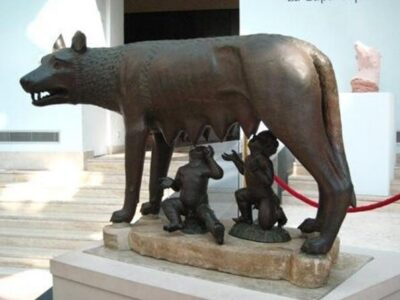
Capitoline Museum English Guided Tour & skip the line ticket
Read our review →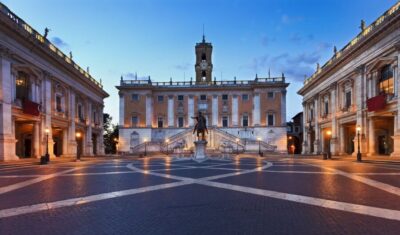
Browse the lists this tour appears in