
Reviewed · ROME COLOSSEUM TOURS
Rome: Caracalla, Colosseum, Circus Maximus Private Tour
Rome’s ancient center comes into sharper focus when you connect the Colosseum, the Circus Maximus, and the Baths of Caracalla in one outing. You move from public spectacle to chariot racing and then to the Roman bathing world, seeing three very different sides of imperial life.
I like the private format, since you can ask questions and set the pace more easily than in a large group. I also like the guide’s focus on stories and construction, not just dates. The main drawback is the amount of walking in three hours, plus a confusing meeting-point description that you should confirm before setting out.
Key points to know
- Three major ancient sites in one tour: Visit the Colosseum, Circus Maximus, and Baths of Caracalla.
- Private art historian guide: The tour is designed for your group, with guides available in seven languages.
- Strong historical range: Learn about gladiators, chariot races, Roman engineering, and public bathing.
- Skip-the-ticket-line entry: This helps, though everyone still passes through airport-style security.
- Three-hour walking format: Comfortable shoes are essential, and the tour is not suitable for wheelchair users according to the accessibility information provided.
- Check the meeting point carefully: The details list both Via della Polveriera 11 and Via delle Terme di Tito 72, so confirm the exact start location after booking.
Three Roman worlds in three hours
This tour works because the sites tell different stories. The Colosseum shows Rome’s love of organized spectacle. Circus Maximus reveals the huge scale of chariot racing. The Baths of Caracalla bring you into the practical and social side of Roman life.
You are not simply looking at three old monuments. You are comparing three types of public space: an arena for combat and entertainment, a racecourse built for enormous crowds, and a bathing complex where Romans could wash, exercise, meet friends, and spend much of the day.
The three-hour schedule is compact. That is useful if you have limited time in Rome, but it also means the guide must keep moving. You will get a focused introduction rather than an exhaustive archaeological study. If you want long periods for photographs or quiet exploration, this pace may feel brisk.
Because the tour is private, the experience can be more flexible than a large group visit. You can ask why a building was designed a certain way, request more detail about gladiators, or shift the emphasis toward architecture and daily life. The single written review supplied for this experience praises the guide’s leadership, which fits the main strength of this format: a good guide keeps the route organized and the information clear.
More Baths of Caracalla tours:
- Rome: Caracalla Baths & Circus Maximus — Private or Shared
★ 4.7 · 835 reviews - Rome: Caracalla Baths Express Small-Group or Private Tour
★ 4.7 · 175 reviews - Rome: Small-Group Tour of Caracalla Baths and Circus Maximus
★ 5.0 · 140 reviews
Meeting at the Colosseum
The tour begins near the Colosseum, but the supplied meeting details need careful reading. One part gives Via delle Terme di Tito, 72 as the starting location. Another says to meet at the tour office at Via della Polveriera 11, above and behind the Colosseum Metro Station.
The office is described as being reached by crossing the small pedestrian bridge beside the second level of the Colosseum Metro Station. From there, you walk about 100 meters straight ahead. You should arrive at least 30 minutes before departure, especially in high season.
I would not treat the meeting instructions casually. The Colosseum area has several roads, levels, entrances, and pedestrian paths, and the metro station can make orientation less obvious than it looks on a map. Confirm the exact meeting address and look for the supplier’s office details before leaving your hotel.
Bring photographic identification. You will need to pass through airport-style security, and the security wait can reach 30 minutes during the busiest season. Skip-the-ticket-line access helps with ticket queues, but it does not remove the security check.
Entering the Colosseum
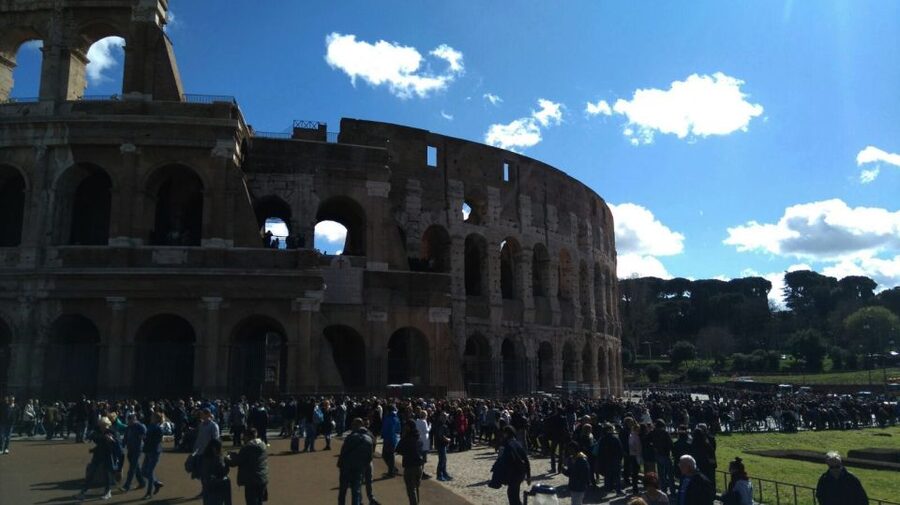
The Colosseum is the natural centerpiece of the tour. Inside, your guide explains how the amphitheater was built and how its spaces supported large public shows. You learn about the entertainment held here, including gladiatorial contests, and about the skills needed by the men who fought in the arena.
The building is powerful even before you know its details. Its surviving arches and enormous oval structure make the scale easy to grasp, but a guide helps you picture the machinery and crowd control behind the stone. The useful questions are practical ones: how did people enter, how were crowds organized, and how could performances change so quickly?
The tour description places weight on Roman construction methods. That is a worthwhile angle because the Colosseum was not only a venue. It was a carefully planned system of entrances, seating, performance space, and support areas. The guide’s job is to turn those remains into a working building in your mind.
You should expect a moderate amount of walking and standing. Large bags, backpacks, and suitcases are not allowed inside, and there is no cloakroom for oversized items. Bring only a small bag. Selfie sticks are also prohibited inside the Colosseum, and sunglasses are listed among the items not allowed.
The Colosseum can be crowded, even with a private guide. The private format does not mean you have the monument to yourself. Its value is the direct attention and the chance to follow an explanation suited to your group.
Circus Maximus and the roar of racing
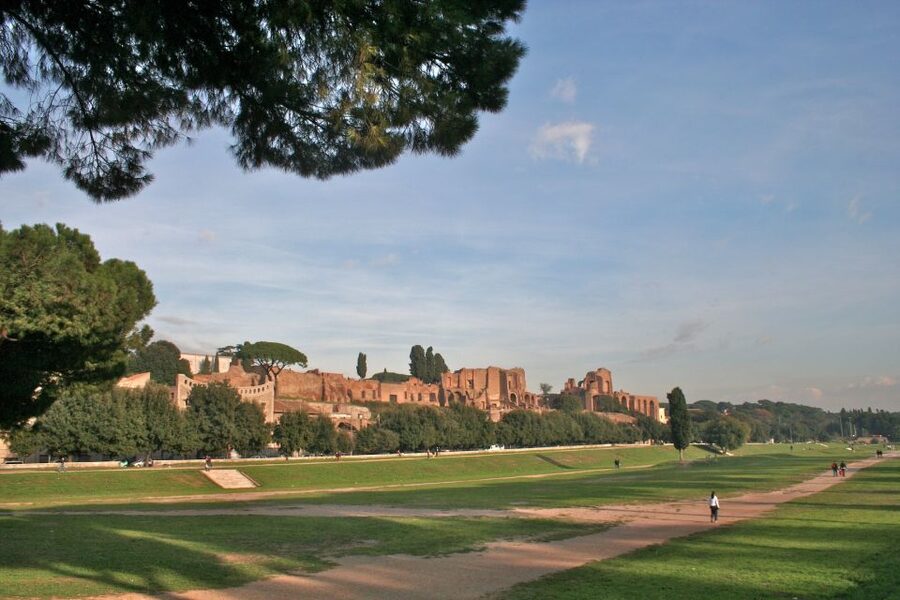
From the Colosseum, the route continues to Circus Maximus, the ancient chariot-racing stadium. This was the first and largest stadium in Rome, with a stated capacity of more than 250,000 spectators.
That number gives you a sense of the scale, but the site can be harder to read than the Colosseum. Much of the structure is open space, so the guide’s explanation matters. You need help imagining the track, the seating, the racing teams, and the crowd packed around the course.
Circus Maximus adds an important change of mood. The Colosseum is associated with gladiators and staged combat. Circus Maximus was built around speed, competition, and repeated races. Chariot racing was not a small side show. It drew vast crowds and formed a major part of public entertainment in Rome.
I like this stop because it prevents the tour from becoming a single-monument visit. You see that Roman public life was not defined by one type of spectacle. The city offered different venues for different crowds, with the same interest in ceremony, competition, and mass entertainment.
There is also a practical limitation. The tour information does not describe private transportation between the sites. It is presented as a walking tour, and transportation to and from the attractions is not included. Wear shoes that can handle several hours on Roman streets and archaeological paths. If you have a tight schedule immediately after the tour, allow extra time rather than planning another activity at the exact finish.
More Circus Maximus tours:
- Rome: Roman Forum, Palatine, and Circus Maximus Tour
★ 4.7 · 117 reviews - Rome: Colosseum, Circus Maximus, Forum & Ancient Rome Tour
★ 4.3 · 32 reviews - Rome: E-bike Tour From The Circus Maximus To The Catacombs
★ 5.0 · 3 reviews
The Baths of Caracalla and Roman daily life
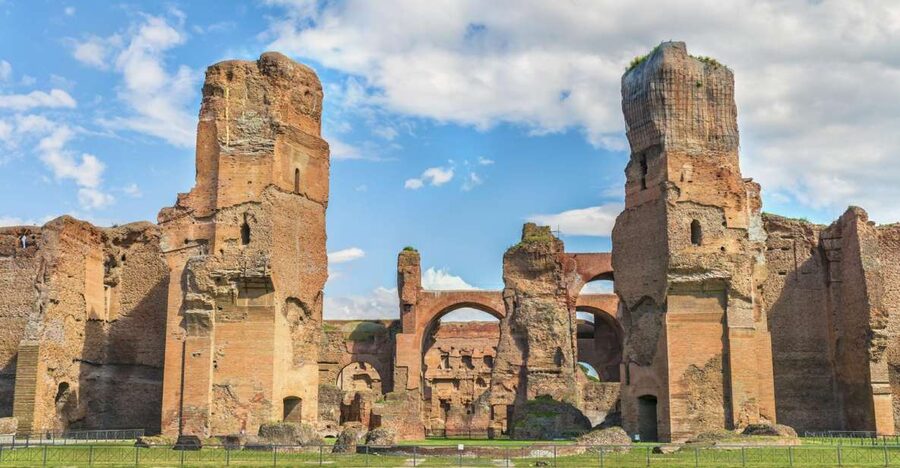
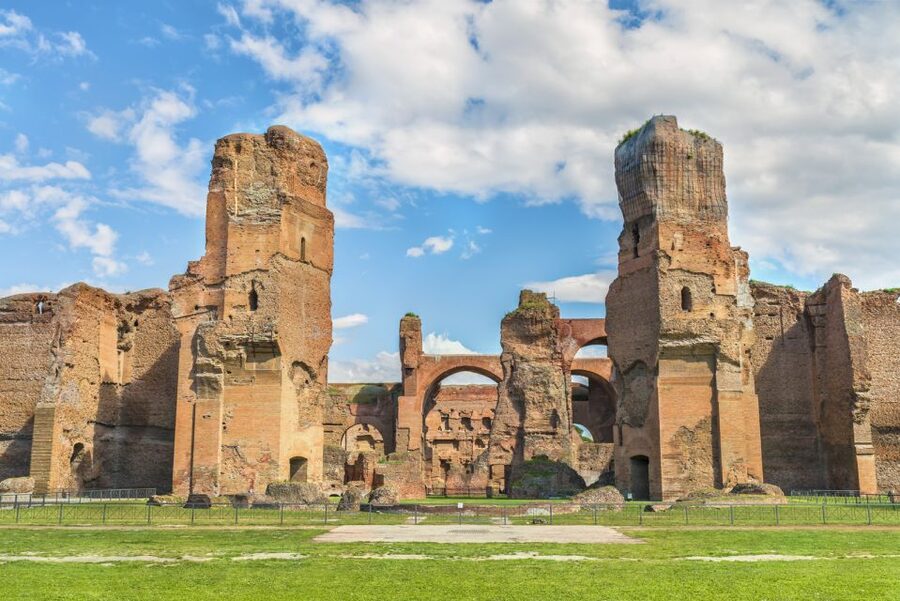
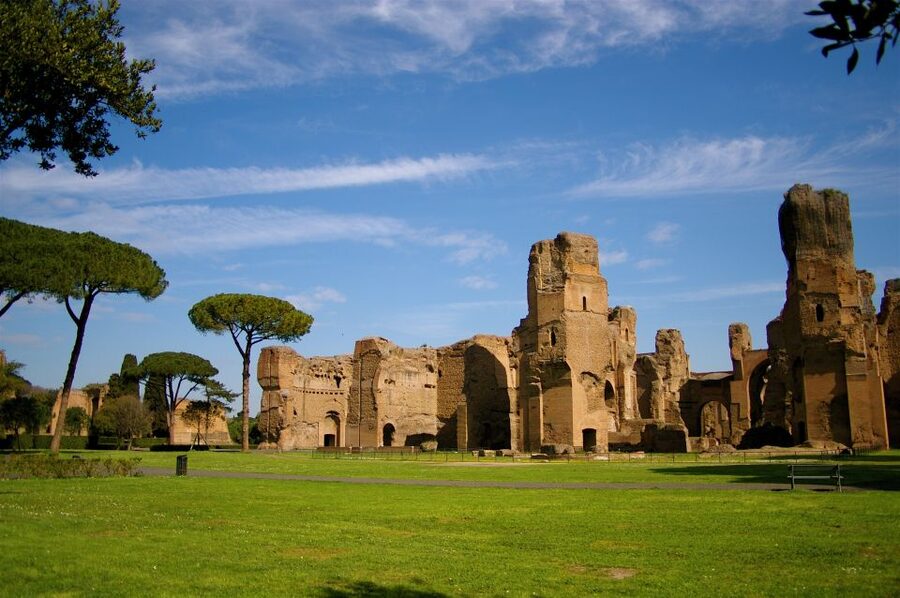
The final major stop is the Baths of Caracalla, built between AD 212 and 217 during the reigns of Septimius Severus and Caracalla. They were the second-largest public baths in Rome and could accommodate more than 1,500 bathers.
This is where the tour shifts from spectacle to routine. Roman baths were not simply places to get clean. They were large public complexes connected with exercise, relaxation, conversation, and social life. The surviving remains let you see how ambitious Roman public architecture could be even when the purpose was part of an ordinary day.
The Baths of Caracalla are described as the best-preserved baths in Rome. Their scale is easier to appreciate with a guide who can explain what the different spaces were used for and how the complex functioned as a whole. You will hear about Roman architecture and the engineering behind a building that served large numbers of people.
I find this stop especially useful for understanding the empire beyond emperors and battles. The Colosseum tells you how Rome entertained a crowd. The baths show how Rome served one. Together, they create a more rounded picture of urban life.
The bath complex also closes the route in a quieter way. After the famous arena and the vast racecourse, the Baths of Caracalla give you space to think about the practical systems that made Roman city life possible. The tour ends at Terme di Caracalla according to the itinerary, though the meeting information also says the activity ends back at the meeting point. Confirm the actual ending location when you book.
What the private guide adds
A private guide is the main reason to choose this experience over a basic entry ticket. An art historian guide can adjust the explanation to your interests instead of delivering the same fixed speech to every person in the group.
Ask questions. This is where the format earns its price. You might want more detail about gladiator training, the way chariot teams competed, or the architecture of Roman baths. You can also ask the guide to slow down if a building’s remains are difficult to understand.
The available languages are English, Spanish, French, German, Italian, Portuguese, and Russian. The information provided does not name the individual guide, so you should not expect to select a particular person. Groups larger than eight receive headsets to hear the guide more clearly.
The praise available for this experience centers on leadership. In practical terms, that means the guide’s control of the route matters. Rome’s ancient center can feel scattered, and a strong guide helps you move from one site to the next without losing the thread.
Price, pace, and what you receive
At $215.23 per person, this is not a budget sightseeing option. The price makes more sense for a small private group that values direct attention, a professional art historian guide, and entry to three major archaeological sites.
Entrance fees are described both as included and not included in the supplied information. That conflict should be cleared up before payment. Ask exactly what the quoted price covers, especially the Colosseum and Baths of Caracalla admissions.
Food, drinks, hotel pickup, and hotel drop-off are not included. Transportation to and from the attractions is also not included. You are paying for the private walking experience, guiding, and stated admission arrangements, not a door-to-door tour.
For a couple, family, or small group that would otherwise book several separate entries and hire a guide, the price may offer fair value. For a solo visitor or someone who prefers to explore independently, it will be harder to justify. The minimum booking requirement is two people.
The three-hour length is efficient but not leisurely. It suits a first visit when you want a clear overview of ancient Rome. It is less suited to someone who wants extensive time at each monument, repeated stops for photos, or a slow archaeological study.
Practical notes before you book
Wear comfortable walking shoes and smart-casual clothing. A moderate amount of walking is involved, and there may be standing during explanations and security checks.
You must bring a passport or ID card, with photographic identification specifically required for Colosseum security. Do not bring large luggage, large backpacks, suitcases, selfie sticks, sharp objects, sprays, aerosols, or pets. Smoking is not permitted.
The tour is listed as not wheelchair accessible, although another note describes it as suitable for the whole family and says wheelchair accessible. Those statements conflict. If accessibility is important to you, contact the operator and get a clear answer about the route, surfaces, entrances, and seating before booking.
The itinerary may change because of weather or events outside the agency’s control. Cancellation is allowed up to four days in advance for a 50 percent refund. Confirmation is sent at booking.
Is this Colosseum and Caracalla tour right for you?
Book it if you want a private introduction to ancient Rome and prefer a guide to connect three major sites into one story. It is particularly useful for couples, families, and small groups who want to ask questions and avoid the impersonal feel of a large group tour.
Think twice if you dislike walking, carry substantial luggage, need guaranteed wheelchair access, or want long free periods inside each monument. Also confirm the meeting point, ending location, and entrance-fee question before paying.
For the right group, this is a strong three-hour overview. You get the famous arena, the enormous racecourse, and one of Rome’s finest surviving bath complexes, with enough historical context to see how public entertainment and everyday life fitted together.
FAQ
How long does the tour last?
The tour lasts three hours. Starting times vary, so you need to check availability for the date you want.
Which sites are included?
The route includes the Colosseum, Circus Maximus, and the Baths of Caracalla.
Is the tour private?
Yes. It is offered as a private group tour, with a professional art historian guide.
Which languages are available?
Guiding is available in English, Spanish, French, German, Italian, Portuguese, and Russian.
Do I need identification?
Yes. Bring a passport or ID card. Photographic identification is required for the Colosseum security check.
Can I bring a large backpack or suitcase?
No. Large bags, backpacks, and suitcases cannot enter the Colosseum, and there is no cloakroom for oversized items. A small bag is permitted.
More Colosseum tours in Rome
- Rome: Colosseum, Palatine Hill and Roman Forum Guided Tour
★ 4.8 · 32,814 reviews - Rome: Guided Tour of Colosseum, Roman Forum & Palatine Hill
★ 4.7 · 27,897 reviews - Rome: Colosseum & Forum with Audio Guide App -Optional Arena
★ 4.2 · 24,770 reviews - Rome: Colosseum, Roman Forum and Palatine Hill Guided Tour
★ 4.5 · 23,903 reviews
Newest Rome tours we have reviewed
- Private TikTok Video Making in Rome★ 5.0 · 7 reviews
- Assisi, Orvieto and Civita di Bagnoregio Full Day Tour from Rome★ 4.5 · 45 reviews
- Assisi & Saint Francis Path Tour from Rome★ 5.0 · 45 reviews
- Assisi and Cascia Private Day Tour from Rome with Lunch★ 5.0 · 10 reviews
- Art Class in the center of Rome!★ 4.0 · 4 reviews
- Art & Craft: Beer Tour with Street Art in Rome★ 4.5 · 6 reviews
- Arrival in Rome: Airport Transfer & Exclusive City Introduction★ 5.0 · 3 reviews
- From Rome: Private Day-Tour of Tuscany★ 5.0 · 16 reviews
Rome Colosseum Tours, compared.
Colosseum, Palatine Hill and Roman Forum Guided Tour
Read our review →
Guided Tour of Colosseum, Roman Forum & Palatine Hill
Read our review →
Colosseum & Forum with Audio Guide App -Optional Arena
Read our review →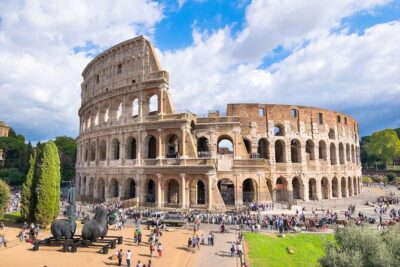
Colosseum, Roman Forum and Palatine Hill Guided Tour
Read our review →
Colosseum, Forum & Palatine Hill Tour & Optional Arena
Read our review →
Colosseum, Palatine Hill & Roman Forum Guided Tour
Read our review →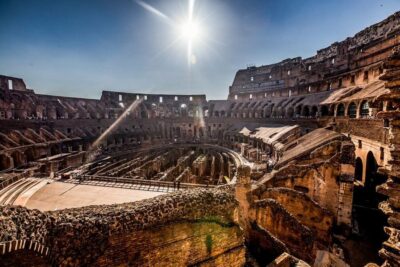
Colosseum: Underground and Ancient Rome Tour
Read our review →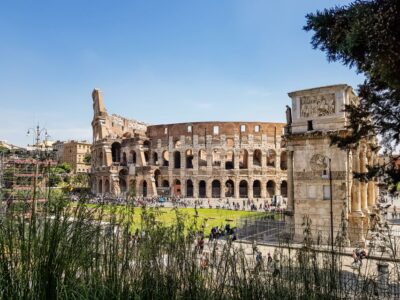
Colosseum Arena, Palatine Hill & Forum Guided Tour
Read our review →Browse the lists this tour appears in