
Reviewed · ROME SQUARES AND FOUNTAINS TOURS
Rome Best Squares & fountains Walking Tour
Rome’s grandest sights are packed into a walkable patch of central Rome, and this tour links them with the stories that make the stonework matter. You’ll move from the Spanish Steps and Trinità dei Monti to the Trevi Fountain, Pantheon, and Piazza Navona, with a private guide to explain what you are seeing.
I like the private format, since you can ask questions without keeping pace with a large group. I also like the practical local advice built into the walk, especially if you are still deciding what to do in Rome. The main consideration is time: two hours gives you a strong introduction, but not a slow, in-depth visit inside every church or monument.
Key points
- Six central Rome stops in two hours: See the Marcus Aurelius Column, Trevi Fountain, Pantheon, Trinità dei Monti, Sant’Ignazio, and the Campo Marzio district.
- A private route: Your group receives the guide’s attention, with customization available.
- A strong Baroque focus: Piazza Navona and Rome’s fountains provide the artistic center of the walk.
- Meeting point near the Spanish Steps: Piazza Mignanelli is easy to pair with shopping, cafés, and other central sights.
- Several language choices: Guides are available in English, French, Italian, and Spanish.
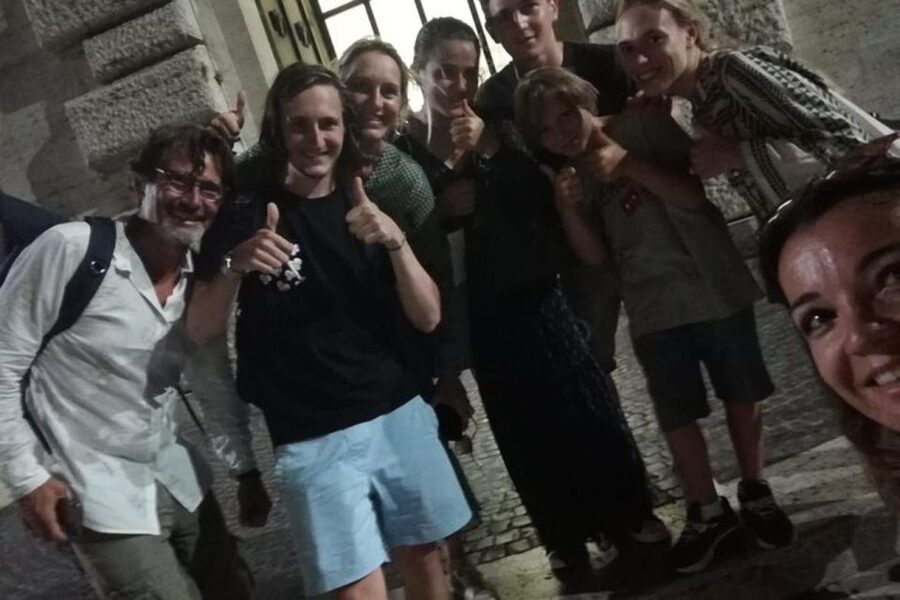
- A family-friendly pace: Simona has kept two teenagers engaged even in rainy weather, a useful sign for families booking with older children.
Why this two-hour walk works in central Rome

This is a compact introduction to Rome’s public spaces rather than a museum tour. You spend your time outside, moving among stairways, fountains, churches, columns, and piazzas that form the daily setting of the city.
That format suits you if you want to get your bearings quickly. Rome can feel confusing at first because several periods of history sit on the same street. A Baroque church may face a Roman column, while a modern café occupies a building with centuries of use behind it. A guide helps connect those pieces instead of leaving you with a string of impressive photographs.
The price is $41 per person. That is reasonable for a two-hour private walk if you value personal attention and the chance to shape the route. It is less compelling if you only want to locate the monuments, since you can reach the main squares on your own. The value comes from explanations, questions, local suggestions, and a route designed around your interests.
The experience is described as private and exclusive, with no one else in your group. The information also refers to a small-group option, so check the exact booking format before paying if group size matters to you. Either way, the tour is meant to be flexible rather than a fixed coach outing.
More squares and fountains walks in Rome:
- Rome: Pantheon, Trevi Fountain & Roman Squares Guided Tour
★ 4.7 · 386 reviews - Rome: Fountains and Squares Small-Group Walking Tour
★ 4.7 · 335 reviews - Tour Squares of Rome and Vatican
★ 4.5 · 133 reviews
Starting at Piazza Mignanelli and the Spanish Steps
You meet at Piazza Mignanelli, a useful starting point beside the Spanish Steps and close to the Colonna dell’Immacolata Concezione. The square sits near Via del Corso, so it is surrounded by central Rome’s shops, cafés, and elegant streets.
This location gives the walk an immediate sense of place. You are not starting in a remote district and spending half the tour getting into the center. You begin among some of Rome’s most familiar public spaces, then move through the Campo Marzio area toward the fountains and churches farther south.
From here, the route includes the elegant staircase leading toward Santissima Trinità dei Monti. The climb is part of the sightseeing, not just a way to get from one point to another. At the top, you have a broad view across Rome and a good chance to pause before continuing.
The stairs can be tiring for anyone who prefers level walking, especially during a warm afternoon. The tour is wheelchair accessible, but stairs and route details are still worth discussing with the provider in advance so the guide can adjust the plan where needed.
Trinità dei Monti and the view across Rome
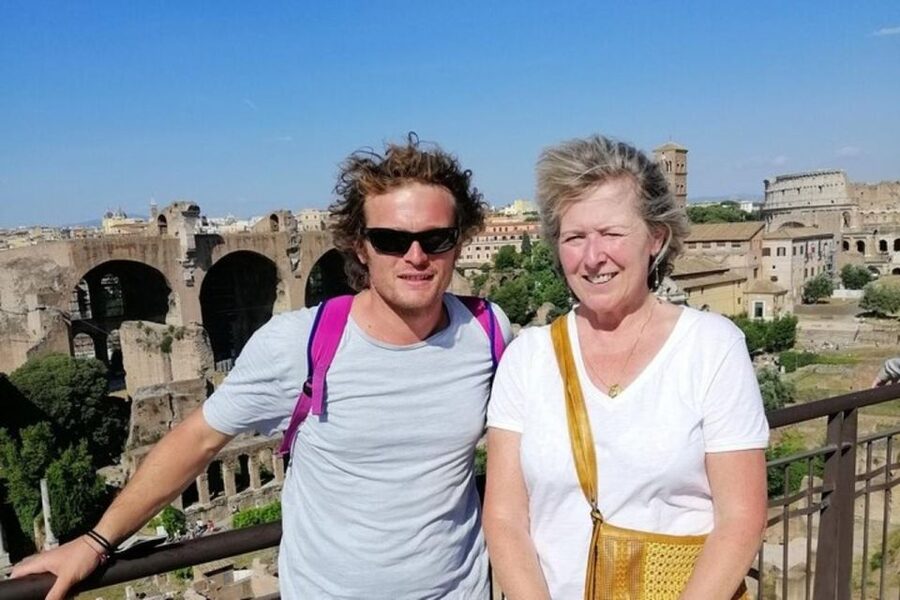
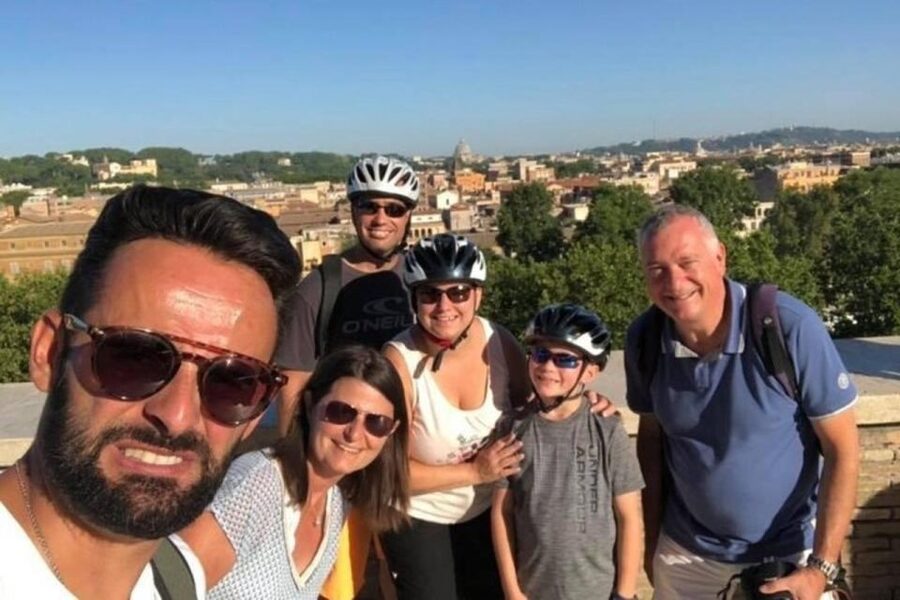
Santissima Trinità dei Monti is a late Renaissance church above the Spanish Steps. The setting matters as much as the building. From this high point, Rome opens below you, with domes, rooftops, and streets spreading toward the historic center.
The tour gives this church about 20 minutes as a photo stop, visit, guided tour, and walk. That tells you what to expect: a focused look rather than a long examination of every artwork or chapel. You will have time to understand why the church occupies such a prominent position and to take in the view.
The exact order may shift because the experience is customizable. The general description begins near Trinità dei Monti and ends at Trevi Fountain, while the detailed stop list places Trinità dei Monti later in the sequence. Treat the route as a connected central Rome walk, not a rigid sequence that cannot change.
If you are interested in church interiors, tell your guide early. The tour includes help arranging tickets for desired visits, but ticketed entries are not automatically part of the basic experience. That distinction matters if you expect a full interior tour rather than outside commentary and selected visits.
Piazza Navona and the Baroque contest in stone
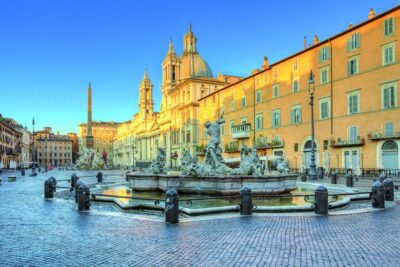
Piazza Navona is one of the most rewarding stops on this route because it turns art history into a public square. The broad piazza follows the shape of the ancient Stadium of Domitian, and its later Baroque design brought Bernini and Borromini into the same dramatic setting.
The fountains are the stars here. Their sculpted figures, water, and open space make the square easy to appreciate even if you know little about Baroque art. Your guide can help you notice the rivalry and contrasting styles rather than reducing the stop to a quick photograph.
I would especially value this part of the walk if you are comparing Rome’s famous fountains. The city’s fountains were not placed only for decoration. They shaped public space, displayed artistic power, and gave movement to stone-heavy streets.
Piazza Navona can also be one of the busiest portions of a central Rome walk. You may need to pause at the edge of the square while the guide explains the layout, then move closer to the fountains. Two hours does not allow unlimited time here, so ask questions while you have the chance.
More walking tours in Rome:
- Rome: Trastevere & Campo de Fiori Street Food Walking Tour
★ 4.9 · 2,768 reviews - Rome: Paranormal Night Walking Tour & Secret Backstreets
★ 4.9 · 1,921 reviews - Rome by Night Walking Tour – Legends & Criminal Stories
★ 4.5 · 1,003 reviews - Rome: Guided City Center Evening Sightseeing Walking Tour
★ 4.4 · 953 reviews
The Pantheon, one of Rome’s great survivors

The Pantheon brings the route back to ancient Rome. This former Roman temple is remarkably well preserved, and its massive construction feels different from the lighter curves of the Baroque fountains.
A 20-minute stop is enough to understand the building’s place in the city and to admire its scale. If entry is part of your selected arrangement, the guide’s assistance with tickets could be useful. The standard information does not say that an interior ticket is automatically included, so confirm this before you book.
The Pantheon is valuable even for visitors who have already seen photographs. Its effect comes from standing in front of a structure that has remained part of Rome’s daily life for centuries. The surrounding streets also make it easy to connect the ancient building with later churches, cafés, and shopping lanes.
You should not expect a long archaeological lecture during this tour. The guide needs to keep the route moving and still cover the fountains, churches, column, and squares. If the Pantheon is your main priority, mention that when arranging the private walk.
The Marcus Aurelius Column and Rome’s carved history
The Column of Marcus Aurelius is another short but worthwhile stop. Its carved surface shows scenes from military campaigns, wrapping around the column in a spiral. The reliefs reward a closer look, though the height and position mean you will rely on the guide to point out details.
The column is associated with images that can remind modern viewers of the epic film Gladiator. That comparison may help younger members of your group connect with an otherwise easy-to-miss monument. It also gives your guide a natural way to explain how Roman public monuments used sculpture to tell political and military stories.
The stop is planned for roughly 20 minutes. That is enough for context and photographs, but not for examining every carved scene. Look up before the group moves on, and ask the guide which section best shows the style and message of the monument.
This is the kind of stop that benefits most from a guide. You can find the column without help, but you may walk past it without understanding what the spiral reliefs show or why it occupies such an important location.
Trevi Fountain and the practical side of fame
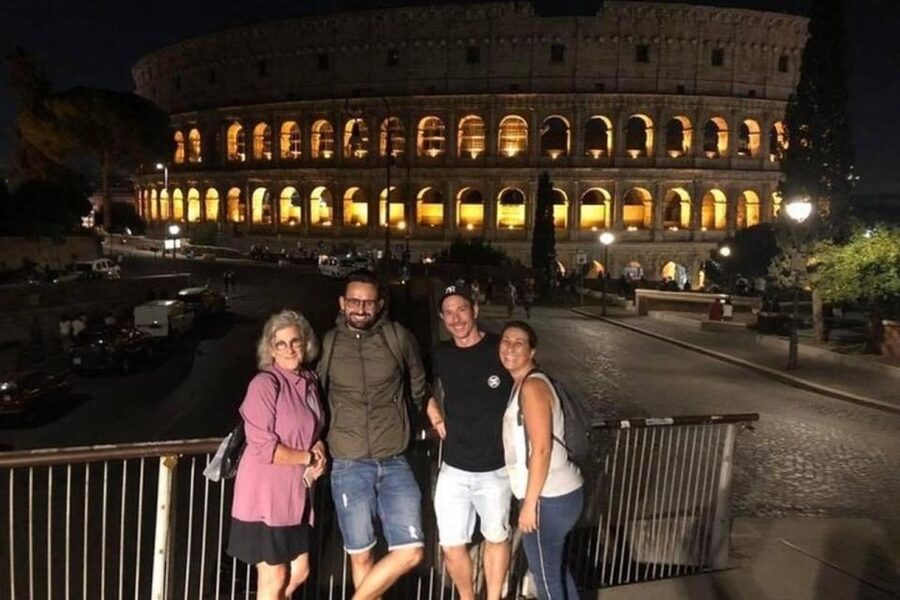
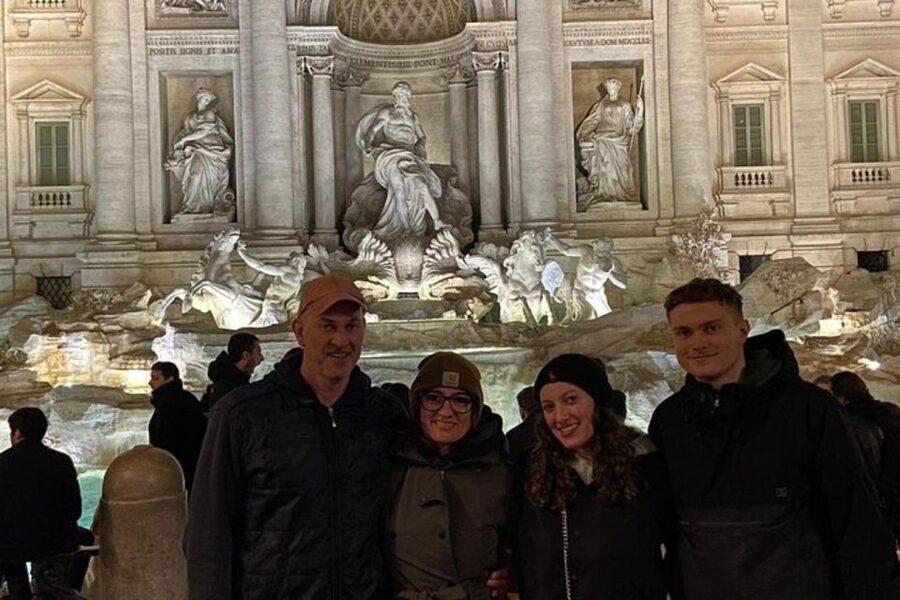
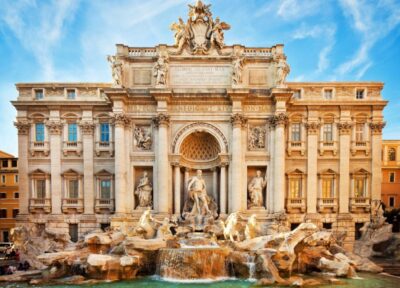
Trevi Fountain is likely to be one of the main reasons you book this walk. The fountain is grand, theatrical, and easy to reach from the Spanish Steps, but a guide can help you place it within Rome’s wider Baroque design.
The tour allows about 20 minutes here. That is a sensible amount of time for a first look, photographs, and an explanation of the fountain’s imagery. You should not expect the square to feel quiet or private. Trevi is a major tourist sight, and the open area around it can be crowded.
The best way to approach this stop is to treat it as part of the story, not the whole event. The fountain is more interesting when you have already seen the public design of Piazza Navona and understood how Rome used water and sculpture to shape its streets.
If you have a specific interest in fountains, tell the guide. The private format means the conversation can focus more heavily on design, symbols, restoration, or other details that matter to you. If your group mainly wants photographs, the guide can keep the explanation concise and leave more time for looking.
Sant’Ignazio and the city’s theatrical interiors
The Church of Sant’Ignazio di Loyola adds a different mood to the route. Rome’s public squares display sculpture in the open air, while this church brings the drama indoors through architecture and painted decoration.
The stop is scheduled for about 20 minutes. That makes it a focused church visit, not an extended religious-art tour. You will have enough time to look around, hear why the church belongs on a squares and fountains route, and compare its visual impact with the outdoor monuments.
This stop also shows the advantage of a customizable tour. If your group enjoys churches, art, or unusual architectural details, you can ask for more explanation here. If you prefer open-air sights, the guide can keep this portion brief and give more attention to the fountains and piazzas.
The tour information confirms that the guide can help arrange tickets for desired visits, but food and drinks are not included. Plan to handle refreshments separately, perhaps before meeting or after the walk. No meal stop is built into the two-hour schedule.
How the private format changes the experience
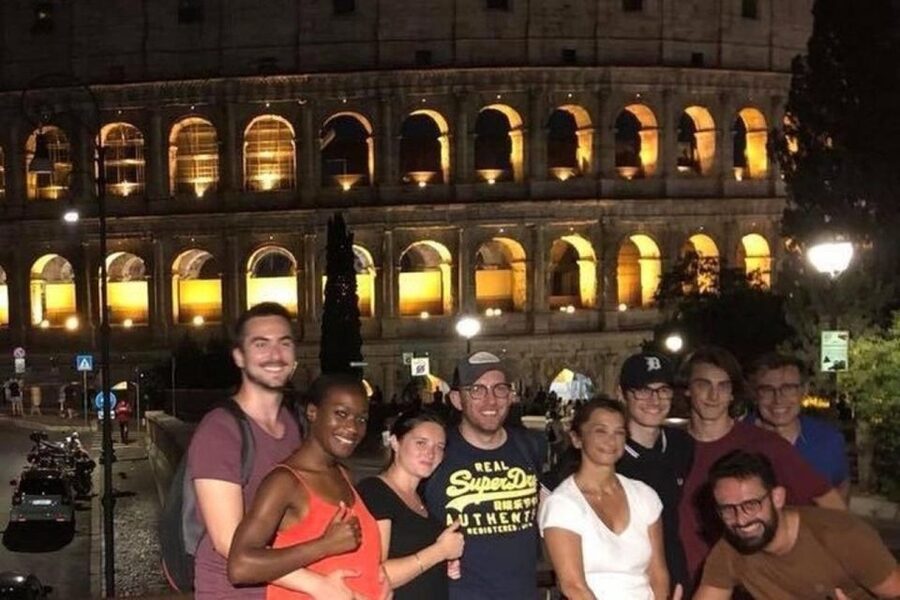
A private guide changes the rhythm of the walk more than the number of sights. In a large group, you usually listen to the same explanation and move when everyone else is ready. Here, you can ask why a fountain looks the way it does, request a church visit, or spend a little longer at a favorite monument.
The guide also provides advice about other things to do in Rome. That can be valuable early in your stay, when you are still deciding how to use the rest of your time. Ask for suggestions connected to your interests rather than a general list. The supplied languages are English, French, Italian, and Spanish.
Simona is specifically associated with a successful family experience. She kept two teenagers interested despite rain, which is a useful detail if you are booking for a family rather than a pair of art specialists. Good guides make a difference here because the route can otherwise feel like a series of famous names.
Weather matters. Much of the experience takes place outside, and rain can affect views, photographs, and the comfort of the walk. The tour can still work in poor weather, but sensible shoes and a rain layer will make the two hours easier.
Timing, transport, and what to bring
The tour lasts two hours, with each listed stop allocated about 20 minutes. That schedule is brisk but workable because the sights are concentrated in central Rome. You will be walking between locations, with public transport included where needed unless you select an option with different arrangements.
You do not need to budget for food or a drink as part of the tour because neither is included. The meeting point is surrounded by cafés and shops, so you can arrange refreshments separately, but there is no promised break in the walking schedule.
I would arrive at Piazza Mignanelli with enough time to find the exact meeting spot. The square is central, but Rome’s streets can be confusing, especially around the Spanish Steps and Via del Corso. Have the provider’s contact details available in case you need help locating the guide.
The tour is wheelchair accessible, and private groups are available. Since the route includes the staircase area at Trinità dei Monti and several historic streets, discuss your needs when booking so the route can be adjusted properly.
Free cancellation is available up to 24 hours before the start for a full refund. You can also reserve now and pay later, which helps if your Rome plans are still changing.
Who should book this Rome walking tour
I would recommend this walk to first-time visitors who want a quick introduction to central Rome without joining a large group. It is also a good fit for families, couples, and anyone who wants to ask questions freely.
The tour suits you especially well if you want:
- A private guide rather than a fixed large-group lecture
- A mix of ancient monuments, Renaissance churches, Baroque fountains, and city squares
- Help deciding what else to see in Rome
- A short orientation near the Spanish Steps, Trevi Fountain, and Pantheon
- A route that can be adjusted around your interests
I would think twice if your main goal is a detailed interior tour of the Pantheon, Sant’Ignazio, or Trinità dei Monti. Two hours covers many locations, so each stop receives a concise explanation. You may need a separate visit for a slower look at the art and architecture.
The same applies if you dislike busy public spaces. Trevi Fountain and Piazza Navona are famous for good reason, but they are not secluded stops. The guide can improve your understanding and route, not remove the crowds.
Should you book the $41 walk?
Book it if you want a personal introduction to Rome’s central monuments and value a guide who can adjust the conversation to your group. At $41 per person, the price makes the most sense when you share the experience with family or friends and use the guide’s local advice beyond the scheduled stops.
Skip it if you are comfortable researching the sights yourself and only want a self-guided stroll. You can reach these locations independently, and the two-hour schedule does not provide extended time inside each church or monument.
For most first-time visitors, this is a practical way to connect Rome’s big names: Trinità dei Monti, Trevi Fountain, the Pantheon, Piazza Navona, Sant’Ignazio, and the Marcus Aurelius Column. Just arrive ready to walk, confirm the exact private or small-group format, and tell the guide which stops matter most to you.
FAQ
Where does the tour start?
The tour starts at Piazza Mignanelli, in central Rome near the Spanish Steps, Via del Corso, and the Colonna dell’Immacolata Concezione.
How long does the tour last?
The walking tour lasts two hours.
Is this a private tour?
A private and exclusive option is available, and the tour information says there will not be anyone else in your private group. A small-group option is also mentioned, so confirm the format you are booking.
Which languages are available?
The live guide can provide the tour in English, French, Italian, or Spanish.
Is public transport included?
Walking and public transport are included unless you select one of the options with different arrangements.
Are food and drinks included?
No. Food and drinks are not included in the tour.
Can I cancel the booking?
Yes. You can cancel up to 24 hours in advance for a full refund. Reserve now and pay later is also available.
Newest Rome tours we have reviewed
- Private TikTok Video Making in Rome★ 5.0 · 7 reviews
- Assisi, Orvieto and Civita di Bagnoregio Full Day Tour from Rome★ 4.5 · 45 reviews
- Assisi & Saint Francis Path Tour from Rome★ 5.0 · 45 reviews
- Assisi and Cascia Private Day Tour from Rome with Lunch★ 5.0 · 10 reviews
- Art Class in the center of Rome!★ 4.0 · 4 reviews
- Art & Craft: Beer Tour with Street Art in Rome★ 4.5 · 6 reviews
- Arrival in Rome: Airport Transfer & Exclusive City Introduction★ 5.0 · 3 reviews
- From Rome: Private Day-Tour of Tuscany★ 5.0 · 16 reviews
Rome Squares and Fountains Tours, compared.
Pantheon, Trevi Fountain & Roman Squares Guided Tour
Read our review →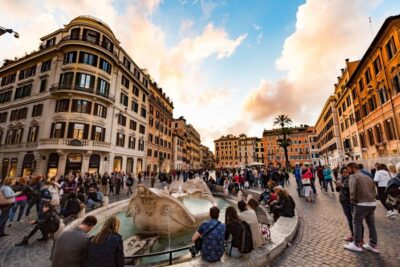
Fountains and Squares of Rome 2-Hour Walking Tour
Read our review →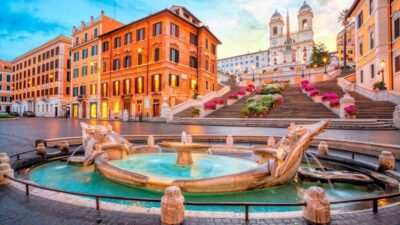

Browse the lists this tour appears in