
Reviewed · ROME SQUARES AND FOUNTAINS TOURS
Rome Squares and Fountains: 3-Hour Walking Tour
Rome’s great outdoor rooms are the real stars of this three-hour walk. You’ll move from the market life of Campo de’ Fiori to Bernini’s Fountain of the Four Rivers, then step inside the ancient Pantheon before ending at the Spanish Steps. I like that the route links major sights on foot instead of treating them as separate photo stops.
I especially like the Pantheon entry and the visit to Palazzo Spada, where Borromini created a corridor that looks far longer than it is. The Spanish-speaking guide, including guide Katy according to the supplied information, is another plus. The main drawback is the pace: this is a full three hours of walking, and the route is not suitable for wheelchair users or people with reduced mobility.
Key points to know before booking
- The Pantheon is the only interior visit, and a skip-the-line ticket is included.
- Palazzo Spada offers a quick lesson in visual trickery, with Borromini’s forced perspective corridor.
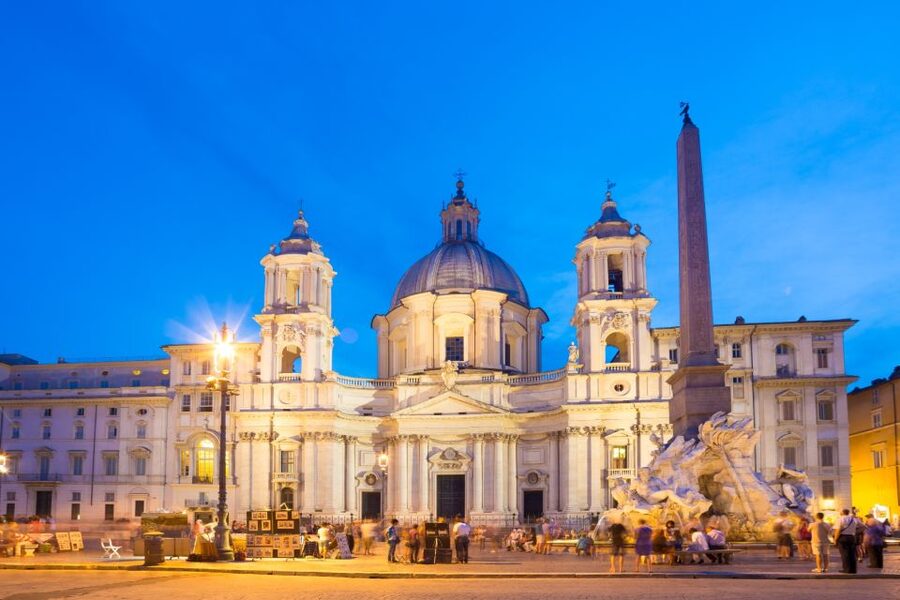
- Piazza Navona brings together Bernini and Borromini, two major names in Roman Baroque art.
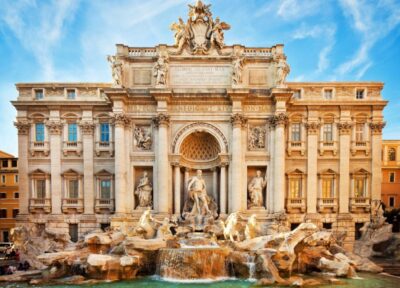
- The route connects Rome’s most famous fountains, including Trevi Fountain and the Fontana della Barcaccia.
- The tour is conducted in Spanish, with a live professional guide and headsets for larger groups.
- The route is best for confident walkers, since mobility access is specifically limited.
Why this Rome squares and fountains walk works
Rome can feel like a collection of grand sights scattered through a maze of streets. This tour gives those sights a useful order. You begin near Largo di Torre Argentina, cross through some of the city center’s most important piazzas, and finish around Piazza di Spagna.
That order matters. The walk starts with working Rome, moves into Renaissance and Baroque Rome, then finishes with the polished monuments most first-time visitors want to see. You are not spending the whole morning or afternoon inside one museum. Instead, you get a moving lesson in fountains, churches, palaces, street life, and Roman urban design.
At $39.86 per person, the price is fair if you want a guide to explain what you are seeing and value the Pantheon entry. The cost is less attractive if you prefer to stroll at your own speed or want long visits at each monument. This is a sightseeing walk, not a deep art-history seminar or a relaxed café tour.
The guide language is Spanish only. That is important to check before you reserve. A strong Spanish-speaking guide can make a major difference here, since many of the best details are easy to miss when you only take photographs. Katy is specifically associated with especially attentive guiding, clear Spanish, and a habit of keeping people supplied with explanations throughout the walk.
More squares and fountains walks in Rome:
- Rome: Pantheon, Trevi Fountain & Roman Squares Guided Tour
★ 4.7 · 386 reviews - Rome: Fountains and Squares Small-Group Walking Tour
★ 4.7 · 335 reviews - Rome: Immersive Underground and Piazzas Tour
★ 4.7 · 133 reviews
Starting near Teatro Argentina and Campo de’ Fiori
The stated meeting point is Teatro Argentina, at Largo di Torre Argentina, 52. This puts you close to one of central Rome’s most layered areas, where ancient ruins, theaters, churches, and busy streets sit close together.
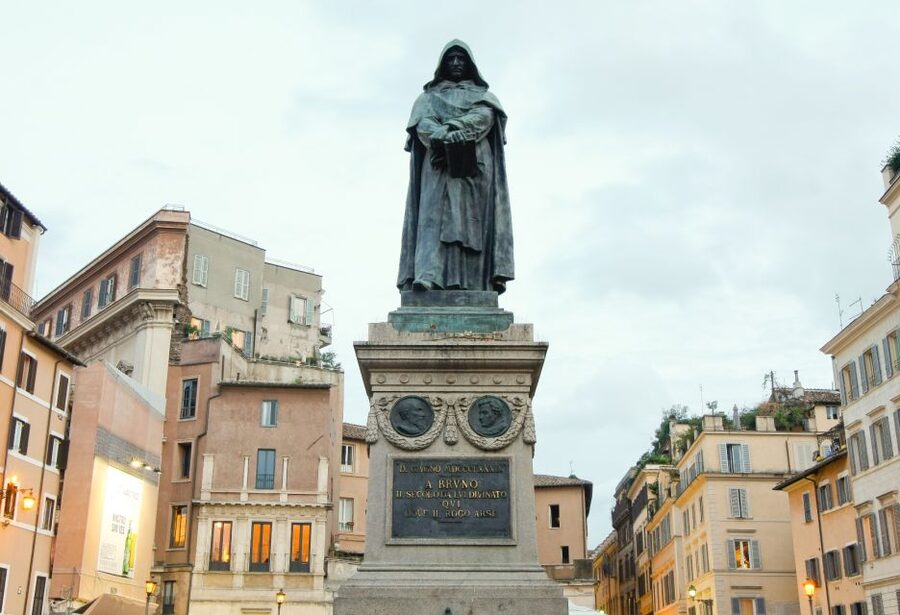
The first main stop is Campo de’ Fiori. In the daytime, its market gives the square a lively local face, with stalls and shoppers filling a space that otherwise might look like another handsome Roman piazza. It is worth looking beyond the market displays, since the square also carries a darker past. Public executions once took place here.
That contrast is typical of Rome. A pleasant market square can also be a place marked by political and religious punishment. A guide helps you connect those two sides without turning the stop into a dry list of dates.
You should expect only a short visit here rather than free time to shop. If you want to buy something from the market, ask the guide before the walk begins whether there is enough time. The experience is built around the route, so do not count on a leisurely market breakfast or extended browsing.
Palazzo Spada and Borromini’s visual trick
A few steps from Campo de’ Fiori, the tour reaches Piazza Farnese and Palazzo Spada. The square is worth seeing in its own right, but the palace is the more unusual stop.
Borromini’s forced perspective corridor is a small architectural surprise. The passage appears much longer than it really is, using careful proportions and visual angles to create the effect. It is the kind of detail that can vanish into the background if you walk past without context.
This stop adds variety to the tour. The fountains and piazzas are large public spectacles, while Palazzo Spada gives you a compact example of how architects could manipulate space. You are not simply looking at another façade. You are being shown how your eyes can be persuaded.
The information does not state that the full palace interior is included, so you should understand this as a guided stop connected with the forced perspective feature, not necessarily a complete museum visit. That distinction matters if you are hoping to spend time inside the collection.
Piazza Navona, Bernini, and Borromini
Piazza Navona is one of the tour’s major highlights, and it earns the attention. The long oval shape follows the footprint of an ancient stadium, giving the square a form unlike most Roman piazzas.
In the center, Bernini’s Fountain of the Four Rivers carries the visual weight. Its sculpted figures represent four great rivers, while the central rock and tall obelisk give the fountain a dramatic vertical line. From a distance, it reads as a grand centerpiece. Up close, you can look at the movement of the figures and the way the water works around the stone.
On the western side, Sant’Agnese in Agone brings Borromini into the same square. The church and fountain create a useful comparison between two leading Baroque artists. You do not need to know every detail of their rivalry to appreciate the contrast between Bernini’s sculptural energy and Borromini’s architectural control.
Piazza Navona is also where the walk may feel most crowded and visually busy. Fountains, church façades, restaurants, street activity, and passing pedestrians compete for your attention. Stay close to the guide, especially if the group uses headsets only when it becomes large enough to need them.
The square is called elegant and joyful for good reason, but it is not a quiet place. If you want still photographs without people, this tour cannot promise them. Its value is having someone point out the artistic relationships while you stand in the middle of the scene.
More three-hour experiences in Rome:
- Jewish Ghetto and Synagogues with Jewish Roman Guide 3 Hours
★ 5.0 · 907 reviews - Rome: Private Customizable 3-Hour Golf Cart City Tour
★ 5.0 · 229 reviews - Rome: 3-Hour Panoramic Luxury Golf Cart Tour
★ 4.9 · 157 reviews - Rome: Private 3-Hour Tour by Chauffeur-Driven Vehicle
★ 4.9 · 63 reviews
Piazza della Rotonda and the Pantheon
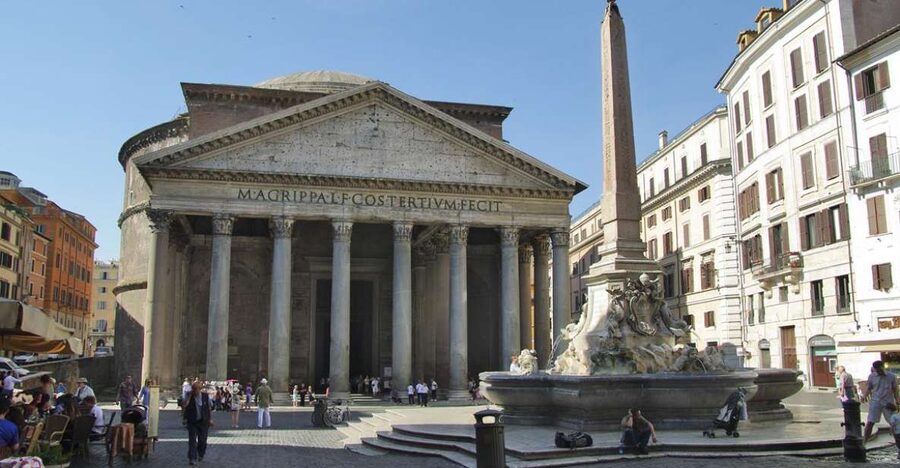
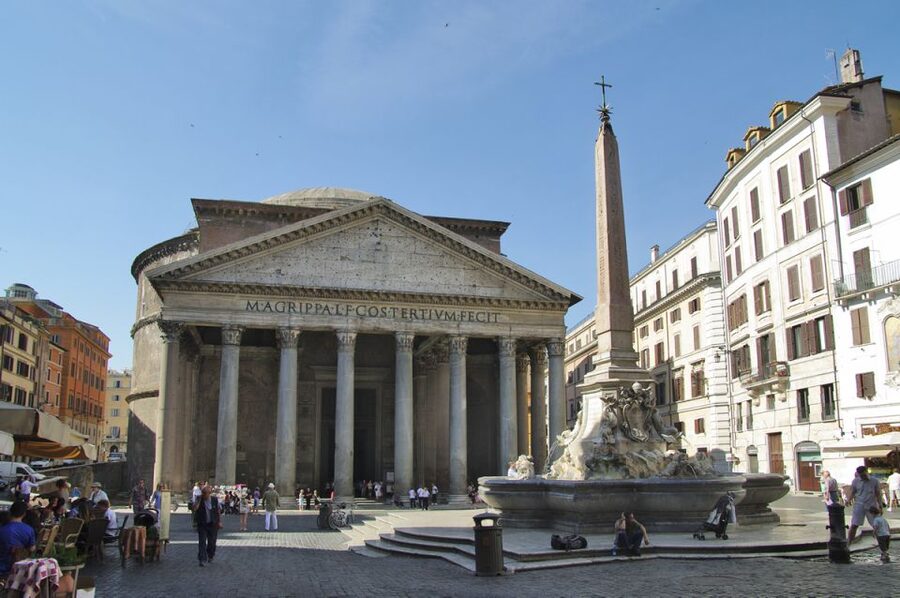
The route continues to Piazza della Rotonda, the square in front of the Pantheon. The approach is part of the pleasure. After several open piazzas, you reach a more compact space where the ancient building dominates the view.
The Pantheon is the key interior stop. A skip-the-line ticket is included, which can save time at one of Rome’s most popular monuments. The exact wait you avoid can vary, but having entry arranged is useful during busy periods.
Inside, look up. The building’s great interior is defined by its dome and central opening, which brings daylight and the outside world into the structure. The Pantheon’s power comes from its scale and simplicity. You do not need a long visit to understand why it has influenced architecture for centuries.
The guide can also help you read the building as more than an ancient shell. Its survival, later religious use, and prominent position in the square all explain why it remains such a central part of a Rome visit. Still, keep your expectations realistic. This is one guided stop within a three-hour walk, not a dedicated Pantheon tour.
The dress code matters here. Shorts, short skirts, and sleeveless shirts are not allowed on this activity. Wear clothing that covers your shoulders and reaches an appropriate length from the start, rather than hoping to solve the problem at the entrance.
Crossing Via del Corso to Trevi Fountain
After the Pantheon, the walk crosses Via del Corso toward Trevi Fountain. This stretch gives you a taste of central Rome’s busy shopping artery and links the quieter, tighter streets around the Pantheon with one of the city’s best-known sights.
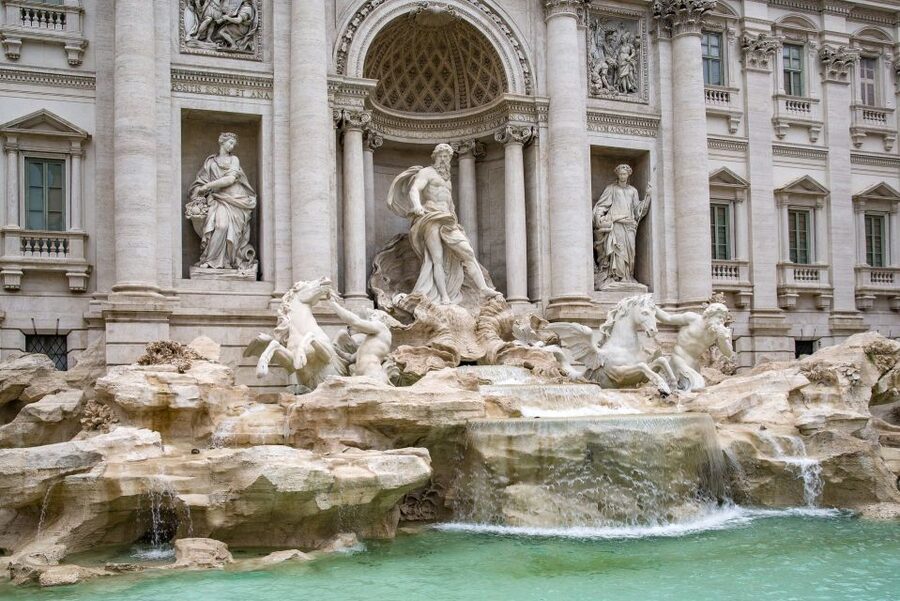
Trevi Fountain is a triumph of Baroque design, with a large central figure, rushing water, rockwork, and a theatrical façade. The fountain is designed to be approached as a spectacle. Even if you have seen countless photographs, the real scale and sound of the water make the stop feel different.
This is another place where the guide adds practical value. Without context, you may notice the horses, figures, and water but miss the way the composition turns an ordinary wall into a stage. You can also learn the traditional story connected with tossing a coin into the fountain, though the supplied tour details do not promise a specific amount of free time for that custom.
Trevi is often one of Rome’s most crowded sights. Keep your belongings secure and listen carefully for the guide’s meeting instructions. The stop is likely to be more about seeing and understanding the fountain than standing alone in front of it.
Piazza di Spagna and the Spanish Steps
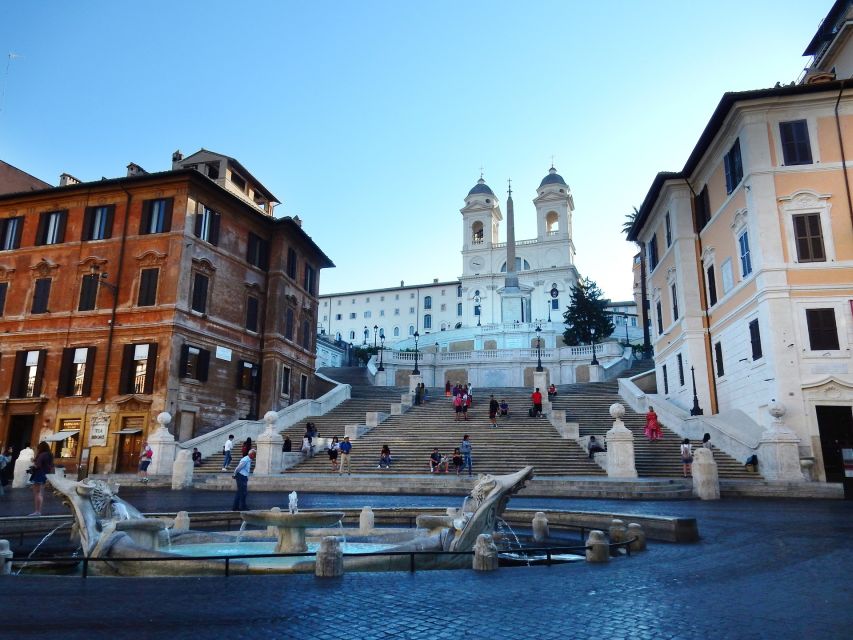
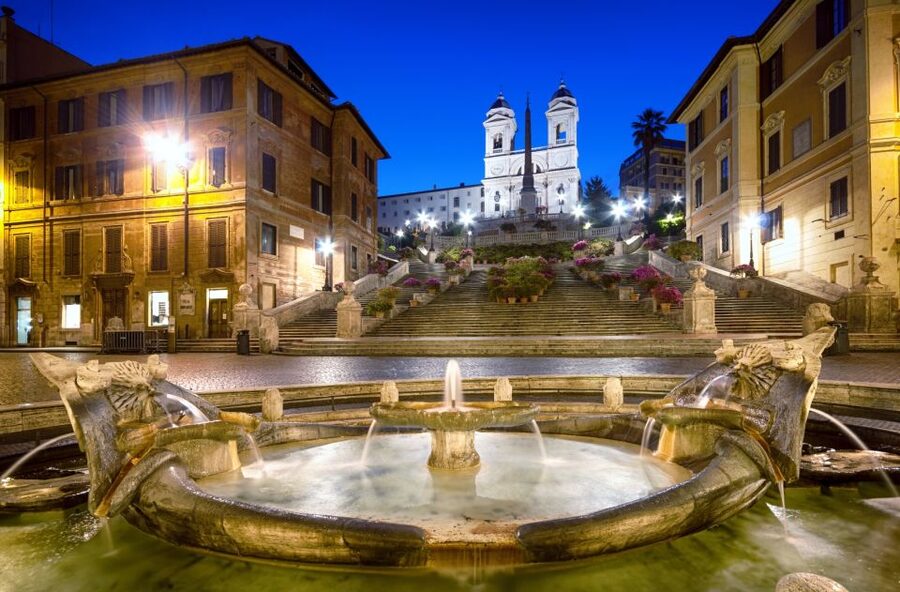
The final named stop is Piazza di Spagna. Here you will see the Fontana della Barcaccia, created by Pietro Bernini, father of Gian Lorenzo Bernini. The low, boat-shaped fountain offers a change from the towering drama of Trevi and the Four Rivers Fountain.
The Spanish Steps rise from the square and form one of Rome’s best-known urban views. Their broad staircase links Piazza di Spagna with the upper streets, making the area feel both monumental and practical. The steps are a natural finishing point because they bring together architecture, people-watching, shopping streets, and a clear sense that you have crossed a large part of the historic center.
The listed itinerary finishes at Piazza di Spagna. The meeting-point information also says the activity ends back at the meeting point, so there is a small inconsistency in the supplied details. Confirm the exact end location with A.M.I. TOUR before you go, especially if you have dinner reservations or a timed train, museum visit, or transfer afterward.
What the three-hour timing really means
Three hours gives the guide enough time to connect the sights, but not enough time for long breaks. You will be walking between stops, listening to explanations, entering the Pantheon, and pausing for views and photographs.
Wear comfortable shoes. The tour is not suitable for people with reduced mobility or wheelchair users, and the information specifically warns that it is not accessible for those needs. Even if you walk easily, the historic center can require attention around uneven surfaces, crowds, and stairs.
The tour includes headsets for larger groups. That can make a real difference in Piazza Navona, near Trevi Fountain, or on a busy street where it is hard to stand close to the guide. The group size itself is not specified, so do not assume a small private walk.
There is no hotel pickup or drop-off. You are responsible for reaching Teatro Argentina and arranging your way onward. The activity details offer free cancellation up to 24 hours before the start and a reserve-now, pay-later option, which is useful if your Rome plans are still moving.
Who should book this walking tour?
I would recommend this experience if you want a guided first look at central Rome and prefer Spanish. It is especially useful for someone who wants the major fountains and squares in one organized route, with the Pantheon entry already included.
It also suits you if art and architecture interest you but you do not want a full museum day. The combination of Bernini’s fountains, Borromini’s architecture, the Pantheon, and Rome’s public squares gives you a strong introduction to the city’s Baroque center.
I would be more cautious if you dislike fixed schedules or want to linger at every stop. You will not have unlimited time for photographs, shopping at Campo de’ Fiori, or sitting in Piazza Navona. The mobility warning is also firm, not a minor footnote.
The guide is central to the experience. The available information gives special credit to Katy for professional Spanish, careful attention, and keeping people informed throughout the walk. If she is leading your departure, that is a useful reason to feel confident. If another guide is assigned, the tour still has a strong route and included Pantheon entry, but the personal quality of the guiding may vary.
My verdict on the Rome squares and fountains tour
Book this tour if you want a well-organized Spanish-language introduction to central Rome, especially one that combines famous fountains with a Pantheon visit. At $39.86, the price is sensible for a live guide, a three-hour route, headsets when needed, and included skip-the-line Pantheon access.
Skip it if you need wheelchair access, want a slow private stroll, or prefer to explore each square without a schedule. For most Spanish-speaking first-time visitors who can handle three hours on foot, the route covers a lot of Rome’s essential scenery in a compact and useful way.
FAQ
Where does the tour start?
The stated starting point is Teatro Argentina, at Largo di Torre Argentina, 52, 00186 Rome.
What language is the tour conducted in?
The tour has a live Spanish-speaking guide and is described as monolingual in Spanish.
Is entry to the Pantheon included?
Yes. The tour includes a skip-the-line ticket and a guided visit inside the Pantheon.
Does the tour include hotel pickup and drop-off?
No. Hotel pickup and drop-off are not included.
Is the tour suitable for wheelchair users?
No. The activity is not suitable for wheelchair users or people with reduced mobility.
What clothing is not allowed?
Shorts, short skirts, and sleeveless shirts are not allowed. Choose clothing that provides suitable coverage for the Pantheon visit and the rest of the tour.
More walking tours in Rome
- Rome: Trastevere & Campo de Fiori Street Food Walking Tour
★ 4.9 · 2,768 reviews - Rome: Paranormal Night Walking Tour & Secret Backstreets
★ 4.9 · 1,921 reviews - Rome by Night Walking Tour – Legends & Criminal Stories
★ 4.5 · 1,003 reviews - Rome: Guided City Center Evening Sightseeing Walking Tour
★ 4.4 · 953 reviews
Newest Rome tours we have reviewed
- Private TikTok Video Making in Rome★ 5.0 · 7 reviews
- Assisi, Orvieto and Civita di Bagnoregio Full Day Tour from Rome★ 4.5 · 45 reviews
- Assisi & Saint Francis Path Tour from Rome★ 5.0 · 45 reviews
- Assisi and Cascia Private Day Tour from Rome with Lunch★ 5.0 · 10 reviews
- Art Class in the center of Rome!★ 4.0 · 4 reviews
- Art & Craft: Beer Tour with Street Art in Rome★ 4.5 · 6 reviews
- Arrival in Rome: Airport Transfer & Exclusive City Introduction★ 5.0 · 3 reviews
- From Rome: Private Day-Tour of Tuscany★ 5.0 · 16 reviews
Rome Squares and Fountains Tours, compared.
Pantheon, Trevi Fountain & Roman Squares Guided Tour
Read our review →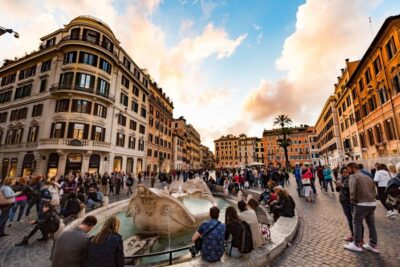
Fountains and Squares of Rome 2-Hour Walking Tour
Read our review →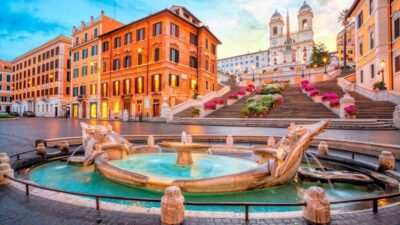

Browse the lists this tour appears in